Buying Shipping Containers to Rent Out: ROI Basics
Buying shipping containers to rent out? Learn ROI basics, cost formulas, utilization, financing, and risks before your first rental unit.
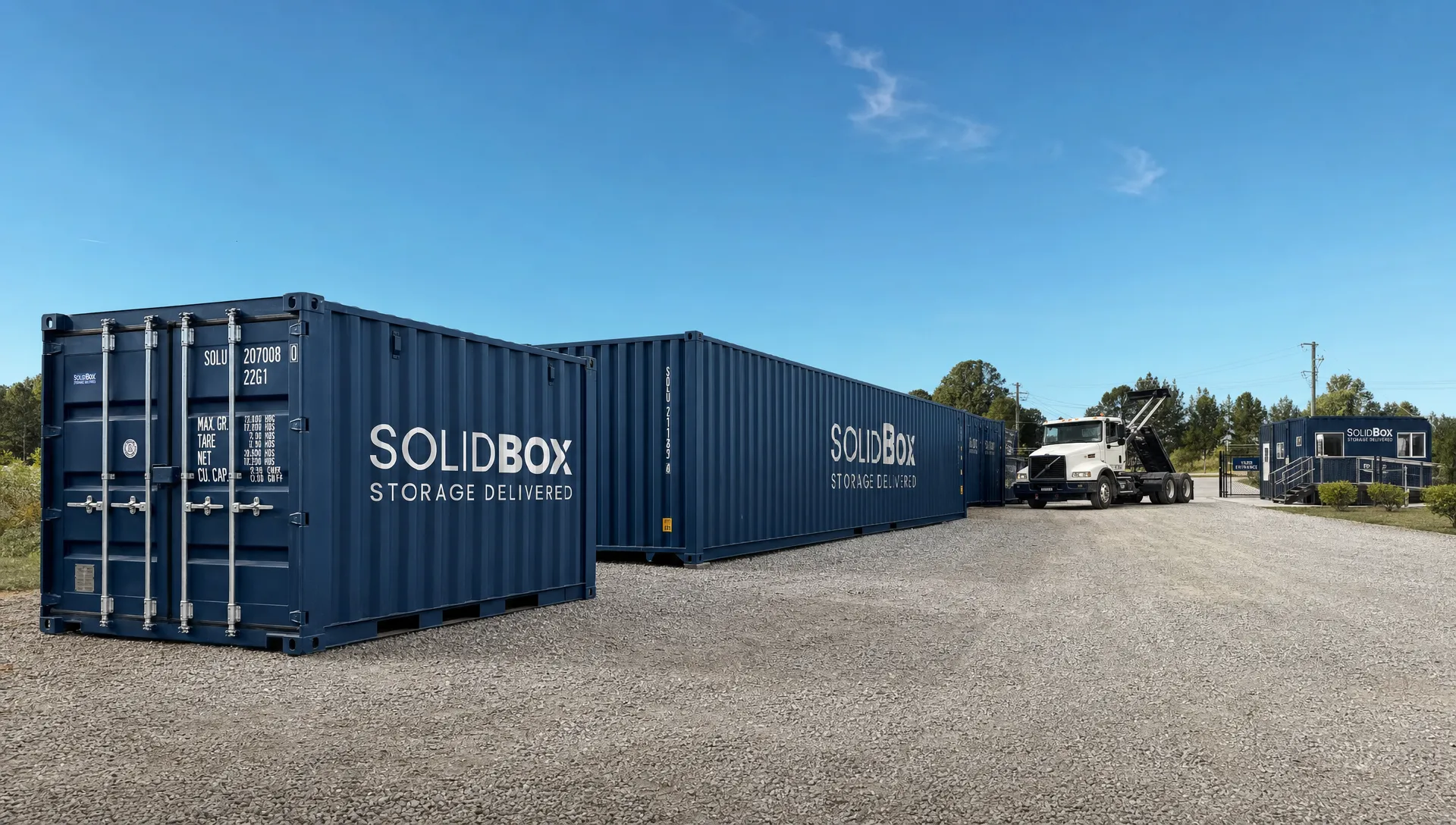
Buying Shipping Containers to Rent Out: ROI Basics
Buying shipping containers to rent out can be profitable when you buy the right unit at the right delivered cost, keep it rented most of the year, and control delivery, repair, insurance, and financing costs. The basic ROI math is simple: annual net rental income divided by your total cash invested. The hard part is getting real local demand, writing clear rental terms, and choosing containers that hold value.
Quick Answer: A container rental model works best when a 20ft or 40ft wind and watertight unit earns steady monthly rent, stays occupied at least most of the year, and still has resale value after several years. Do not judge ROI by rent alone. Include acquisition, delivery, pickup, maintenance, storage yard space, insurance, taxes, and debt service.
Key Takeaways
- Utilization drives ROI. A container rented 10 months per year can beat a higher monthly rate with long gaps between renters.
- Delivered cost matters more than sticker price. Include purchase price, freight, unloading, inspection, and site prep.
- WWT and CWO units often fit rental use. One-trip containers look better, but used certified units may produce stronger cash-on-cash returns.
- Contracts protect margin. Spell out delivery fees, damage rules, lock responsibility, late fees, pickup access, and prohibited contents.
- Start simple. Dry storage containers are easier to operate than offices, homes, pools, or complex container conversion projects.
Buying Shipping Containers to Rent Out: What Drives ROI
Container rental ROI depends on four core numbers: total cash invested, monthly rent collected, utilization rate, and operating expenses. If you finance the purchase, debt service becomes a fifth key number.
A shipping container is a physical asset. It can generate monthly income, but it also has costs. It needs delivery, pickup, cleaning, repairs, paint, door gasket work, lockbox checks, and storage when vacant. It may also need insurance and business licensing, depending on your location and setup.
Use these simple formulas before you buy:
| Metric | Formula | Why it matters |
|---|---|---|
| Gross annual rent | Monthly rent x 12 x utilization rate | Shows revenue before costs |
| Net operating income | Gross annual rent - operating expenses | Shows income before taxes and debt |
| Cash-on-cash ROI | Annual cash flow / total cash invested | Measures return on your actual cash |
| Payback period | Total cash invested / annual cash flow | Estimates how long it takes to recover cash |
| Residual value | Expected resale value after use | Reduces your long-term downside |
Utilization rate is the percentage of time your container is rented. A unit rented 9 months out of 12 has 75% utilization. A unit rented all year has 100% utilization.
Many first-time owners focus on the monthly rent. That is only one part of the picture. A cheap conex box with high repair costs can perform worse than a higher-grade cargo container that rents faster and keeps customers longer.
You should also think about your market. Construction contractors, farm and ranch operators, small retailers, remodelers, event companies, and homeowners often rent containers for temporary storage. These customers usually care about security, clean floors, working doors, fast delivery, and a dry interior.
Choose Containers That Rent Well
The best rental unit is not always the cheapest unit. It is the unit that customers will accept quickly, use safely, and return with limited damage.
For a basic rental fleet, most buyers start with 20ft and 40ft dry storage containers. These are common ISO container sizes, which makes parts, transport, and resale easier. High cube units can also rent well when customers need extra vertical clearance.
| Container type | Common exterior dimensions | Typical rental use | ROI notes |
|---|---|---|---|
| 20ft standard | 20 ft x 8 ft x 8 ft 6 in | Residential storage, small job sites, farms | Easier to place on tight sites and often easier to transport |
| 40ft standard | 40 ft x 8 ft x 8 ft 6 in | Contractors, retail overflow, equipment storage | More rentable space per delivery, but needs more site room |
| 40ft high cube | 40 ft x 8 ft x 9 ft 6 in | Taller equipment, pallet storage, light workshop use | Higher utility, but may cost more to buy and transport |
| 45ft high cube | 45 ft x 8 ft x 9 ft 6 in | Larger commercial storage needs | Strong capacity, but placement and transport can be more limited |
Actual tare weight, maximum gross weight, and payload capacity vary by manufacturer and unit. Check the container plate and paperwork before you buy, especially if the renter may load heavy equipment, dense materials, or palletized inventory.
New, used, WWT, and CWO condition grades
A one-trip container is usually newer and cleaner. It has made one cargo trip and has less wear than most used containers. This can help if your renters include homeowners, retail users, or customers who care about appearance.
A WWT container is wind and watertight. It should keep weather out when used for stationary storage. A CWO container is cargo-worthy and generally held to a higher transport standard. If a customer wants to use the intermodal container for freight, ask about CSC status and cargo requirements.
For most storage rental businesses, WWT or CWO units are often the practical starting point. They can be durable enough for rental use without tying up as much capital as new one-trip units. If you are comparing grades, review this plain-English guide to new vs used shipping containers for different budgets before you commit.
Avoid as-is units for rental income unless you inspect them carefully and budget for repairs. Floor rot, hard doors, roof pinholes, missing gaskets, bad patches, and bent frames can erase any savings.
Modified containers can rent for more, but they are harder to manage
Container offices, workshops, refrigerated units, and custom builds can bring higher monthly income. They also require more capital, more maintenance, and more specific customers.
A dry storage box is easy to explain and easy to redeploy. A container office may need electrical work, HVAC service, stairs, ramps, code checks, and more careful delivery. A reefer needs power and mechanical service. A shipping container home, pool, or retail unit is a different business model than a simple rental fleet.
If you are new, start with dry storage. Learn local demand, delivery costs, and renter behavior first. Then consider higher-value container conversion units once your operations are stable.
Run the Numbers Before You Buy
A rental container is not a passive asset unless the business is set up well. You need a simple model that shows how the unit pays for itself.
Here is an illustrative example. These are sample numbers only, not a quote or a market guarantee. Your actual cost and rent will depend on size, condition, location, delivery distance, financing, and local demand.
| Sample line item | Example amount |
|---|---|
| Delivered cost for one used WWT container | $4,500 |
| Average monthly rent collected | $175 |
| Utilization rate | 80% |
| Annual gross rent | $1,680 |
| Delivery and pickup reserve | $250 |
| Cleaning, repair, and maintenance reserve | $150 |
| Insurance and admin reserve | $250 |
| Estimated annual cash flow before taxes and debt | $1,030 |
| Cash-on-cash ROI | 22.9% |
| Simple payback period | 4.4 years |
The same container looks very different if utilization drops to 50%, if delivery costs rise, or if you finance the purchase at a high monthly payment. A model that works on paper can fail if the container sits empty for months.
Cash purchase versus financing
Cash gives you the cleanest ROI math. You buy the unit, collect rent, and keep the spread after expenses. The downside is that your growth is limited by available cash.
Financing can help you build a small fleet faster, but it adds risk. Your rental income must cover the loan payment even when a unit is vacant. Keep a cash reserve so one slow month does not create pressure.
If you plan to buy several containers under a business entity, review your funding choices early. Outback Shipping Containers has a guide to shipping container business loan options that explains equipment financing, SBA loans, leasing structures, and lender considerations.
Residual value is part of the return
A well-kept container can still have resale value after years of rental use. That matters. Your real return includes both rental income and the value of the asset you still own.
But do not count on resale value to fix a bad purchase. If you overpay, buy a damaged unit, or ignore delivery costs, resale will not save the deal. Treat residual value as downside protection, not the main profit plan.
Costs and Risks First-Time Rental Owners Miss
The biggest mistake is using this formula: purchase price compared to monthly rent. That leaves out half the business.
The true cost starts with the delivered container. Delivered cost may include the unit, transport, fuel surcharge, delivery distance, tolls, tilt-bed service, crane service, wait time, and difficult access. A rural site can cost more than a city delivery if the truck must travel far from the depot.
You also need a place to keep containers when they are not rented. If you use your own yard, check zoning, drainage, security, and road access. If you rent yard space, add that cost to every unit in your model.
Common costs include:
- Delivery to the customer and pickup after the rental term
- Yard space for vacant containers
- Door repairs, gasket replacement, vent repairs, patching, paint, and floor repairs
- Pressure washing, sweep-out, odor removal, and pest cleanup
- Lockboxes, lock replacement, decals, and tracking labels
- Liability insurance, property insurance, and possible inland marine coverage
- Bookkeeping, payment processing, contracts, and collections
- Local business licenses, sales tax setup, and personal property tax rules where applicable
Taxes can affect your net return. Shipping containers used in a business may be depreciable assets, but the right method depends on your entity, use, and tax situation. The IRS explains business asset depreciation in Publication 946. Talk with a tax professional before you rely on depreciation or deductions in your ROI model.
If you move containers with your own truck or trailer, transport rules matter. Commercial hauling may trigger federal and state requirements. The Federal Motor Carrier Safety Administration publishes cargo securement rules, but you should also check state and local requirements. Many small owners choose to hire experienced container haulers instead of building transport capacity from day one.
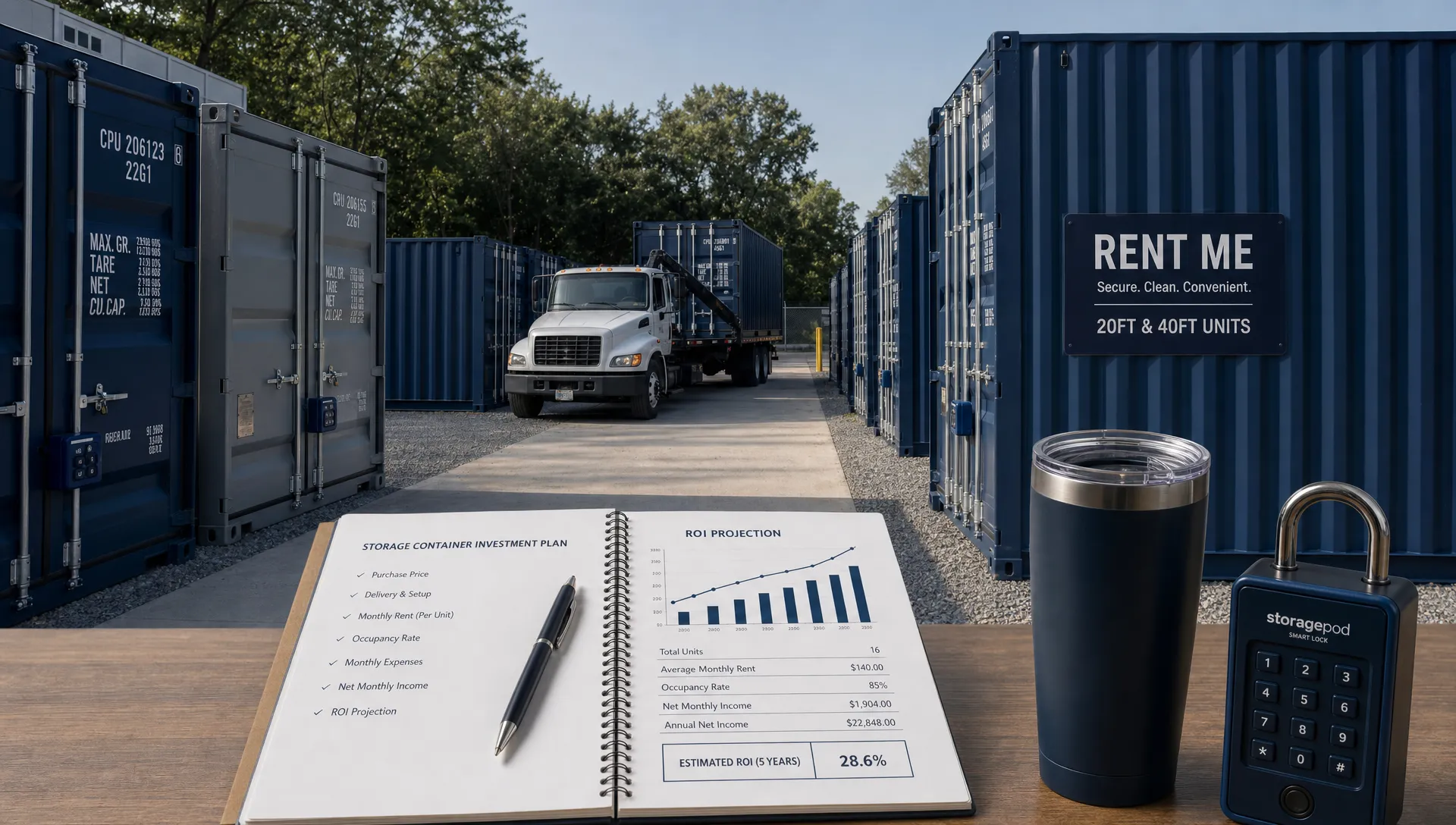
Operations That Protect ROI
Good operations turn a metal box into a reliable rental asset. Poor operations turn it into a repair bill.
Start with a written rental agreement. It should explain the monthly rate, billing date, deposit, delivery fee, pickup fee, damage rules, lock policy, access requirements, and late payment terms. It should also ban hazardous materials, illegal storage, standing water, loose chemicals, and overloaded floors.
Inspect the container before each delivery and after each pickup. Take dated photos of doors, roof, corners, walls, floor, vents, lockbox, and any existing dents. This protects you and the renter.
A simple operating rhythm helps:
- Quote the delivered monthly rental cost, not just the base rent
- Confirm site access before dispatch, including driveway width, overhead wires, slope, and truck turnaround space
- Record container number, condition, renter name, delivery date, and expected pickup date
- Collect payment before delivery or on a clear billing schedule
- Inspect and photograph every unit after pickup
- Repair door issues and leaks before the next rental
Mid-article CTA: If you are testing the rental market with one manageable unit, start by understanding the true delivered cost of a 20ft container. This guide on buying a 20ft shipping container without overpaying explains the inspection and cost factors that matter before you purchase.
Keep renters longer with better placement advice
A container that sits level will have fewer door problems. Teach renters how to prepare the site. A firm, level pad with good drainage is best. Railroad ties, concrete blocks, gravel pads, or concrete strips may be used, but the right setup depends on soil, slope, and weight.
Make sure the renter understands delivery clearance. A tilt-bed truck needs room to drive forward while the container slides off. Tight driveways, low branches, overhead wires, soft ground, and steep slopes can create delays or extra fees.
When renters feel prepared, delivery goes faster. That protects your schedule and lowers disputes.
Track each unit like equipment
Treat each container as a piece of income-producing equipment. Give every unit an ID number. Track its purchase date, delivered cost, condition grade, repair history, rental history, downtime, and current location.
This helps you see which units perform best. A clean 20ft WWT unit may rent faster in residential areas. A 40ft high cube may perform better near contractors or warehouses. Your own numbers should guide your next purchase.
When the Rental Model Makes Sense
Buying containers to rent out makes sense when you have clear local demand, room to store vacant units, reliable delivery partners, and enough capital to cover slow periods. It works best when you can keep operations simple.
This model may fit you if you already serve contractors, farms, remodelers, retailers, event sites, or property managers. It may also fit if you own land near a growing area and can legally store multiple containers.
It may not fit if you are guessing at demand, relying on one customer, or ignoring delivery logistics. It may also be risky if local zoning limits outdoor storage, commercial parking, or temporary storage containers.
Before you buy, call potential customers. Ask what size they rent, how long they keep units, what they dislike about current suppliers, and what delivery distance they expect. A few honest calls can prevent a bad first purchase.
You should also check local rules. Cities and counties may regulate temporary storage containers, commercial yards, signage, setbacks, screening, and time limits. Requirements vary by state, county, and municipality. Always confirm with local authorities before placing units on your own property or a customer site.
For some buyers, owning a container for their own storage is a better first step than building a rental fleet. Others may prefer leasing through a provider rather than becoming the operator. If you are still comparing ownership and rental economics, Outback’s renting vs buying shipping containers cost comparison can help you decide which model fits your needs.
Frequently Asked Questions
Is buying shipping containers to rent out profitable?
It can be profitable if the unit stays rented, the delivered purchase cost is reasonable, and expenses are controlled. Profit depends on local demand, rental rate, utilization, repairs, insurance, taxes, financing, and delivery costs. Run the numbers with conservative assumptions before buying your first container.
How much can you make renting out shipping containers?
Your earnings depend on monthly rent, occupancy, and costs. A simple model is monthly rent multiplied by occupied months, minus delivery, repairs, insurance, yard space, admin, and debt service. Use local competitor pricing and real freight quotes instead of national averages when estimating income.
What size shipping container is best to rent out?
A 20ft container is often the easiest first rental because it fits more residential and small business sites. A 40ft container offers more storage and may appeal to contractors and commercial users. High cube units are useful when renters need extra height.
Do I need permits to rent out shipping containers?
Permit rules vary by city, county, and state. Some areas regulate temporary storage containers, commercial storage yards, setbacks, screening, and how long a container can remain on-site. Check local zoning and building departments before storing units or delivering them to customers.
Should I buy new or used containers for a rental business?
Used WWT or CWO containers often make sense for basic storage rentals because they cost less than one-trip units and can still be durable. New one-trip containers may rent better to appearance-sensitive customers. Avoid as-is units unless you inspect them and budget for repairs.
How long does it take for a shipping container to pay for itself?
The payback period equals total cash invested divided by annual cash flow. A container with strong utilization and low repair costs may pay back much faster than one that sits vacant. Include residual resale value in your long-term plan, but do not rely on it to fix weak cash flow.
Ready to Price Your First Rental Container?
Buying shipping containers to rent out is a numbers business. Start with one or two durable, rentable units. Confirm demand. Know your delivered cost. Keep contracts tight. Track every expense.
Outback Shipping Containers supplies new, used, and custom containers nationwide, with inspected wind and watertight units, transparent online pricing, financing options, and delivery support across all 50 states. When you are ready to compare sizes and condition grades, explore shipping containers for sale with nationwide delivery and build your ROI model around a real quote, not a guess.