20ft Open Top Container Uses, Limits and Buying Tips
Learn 20ft open top container uses, limits, specs, loading tips, and buying checks before you request a quote.
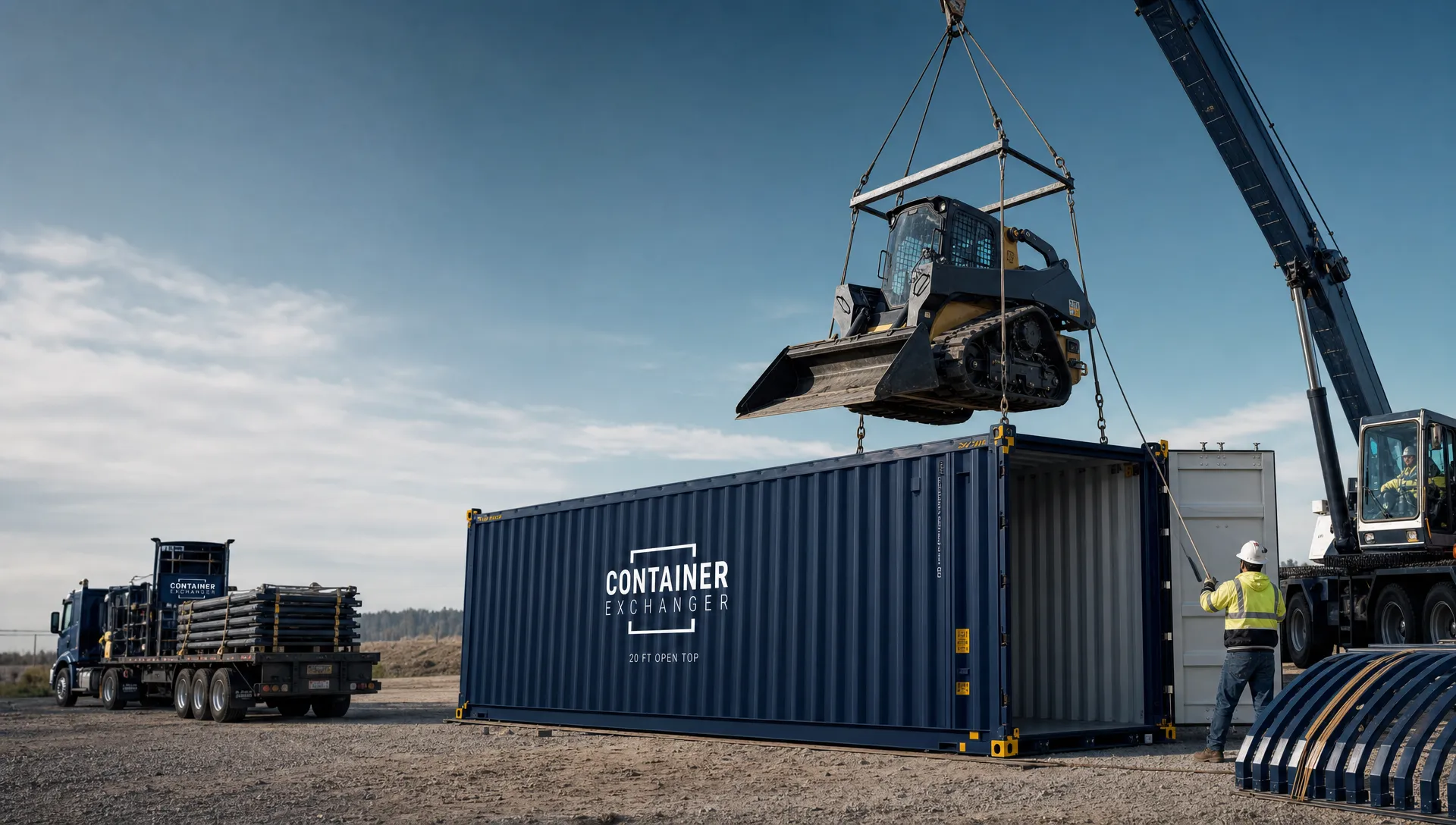
20ft Open Top Container Uses, Limits and Buying Tips
A 20ft open top container is best for heavy, tall, or awkward cargo that must be loaded from above by crane, hoist, or forklift. It works well for machinery, construction materials, scrap, farm equipment, and industrial parts that will not fit through standard container doors. It is not the best choice for basic dry storage unless you truly need top access.
Quick Answer: Buy a 20ft open top container when overhead loading is more important than the weather protection, availability, and lower cost of a standard dry cargo container. Check the tarp, roof bows, top rails, floor, doors, CSC plate, payload rating, and delivered cost before you commit.
Key Takeaways
- A 20ft open top container keeps the standard 20-foot footprint but replaces the steel roof with removable bows and a heavy tarp.
- It is built for cargo that needs vertical loading, such as generators, stone slabs, pumps, steel, oversized crates, and job-site equipment.
- It costs more and is harder to find than a standard 20ft conex box because supply is lower.
- The tarp, roof bows, corner posts, top rails, and floor condition matter more than they do on many standard dry units.
- Always quote the full delivered cost, not just the container price.
What Is a 20ft Open Top Container?
A 20ft open top container is an ISO-style intermodal container with no fixed steel roof. Instead, it has removable roof bows and a weather-resistant tarpaulin. The sides, floor, corner posts, end doors, and corner castings look similar to a standard 20ft cargo container.
The key difference is access. A standard container loads through the end doors. An open top container can load from above after the tarp and roof bows are removed.
That makes it useful when the cargo is too tall, too heavy, or too awkward to move through the doors. Many buyers use them for equipment yards, construction projects, recycling operations, farms, and industrial sites.
Open top containers are still freight containers, not simple metal bins. Many are built around Series 1 freight container dimensions, such as those covered by ISO 668 freight container classification and rating standards. Actual ratings vary by manufacturer, age, repairs, and the CSC plate on the unit.
If you only need secure ground-level storage, a standard 20ft dry container is usually simpler. For basic dimensions and capacity, Outback Shipping Containers has a separate 20-foot container size guide for storage buyers that explains when a regular 20-foot conex box makes more sense.
20ft Open Top Container Specs at a Glance
Most 20ft open top containers follow the same outside footprint as a standard 20ft ISO container: 20 feet long, 8 feet wide, and 8 feet 6 inches high. Interior measurements vary by manufacturer, floor type, roof bow design, repairs, and whether the container has a removable door header.
Use the table below as a practical starting point. Always confirm the spec sheet, photos, and CSC plate before buying.
| Spec | Typical 20ft open top container value | Buyer note |
|---|---|---|
| External length | 20 ft | Standard 20-foot footprint |
| External width | 8 ft | Legal transport still depends on truck, route, and cargo |
| External height | 8 ft 6 in | Same nominal height as a standard 20ft dry container |
| Internal length | About 19 ft 4 in | Varies by build and repairs |
| Internal width | About 7 ft 7 in to 7 ft 8 in | Check if cargo is near the limit |
| Internal height | About 7 ft 7 in to 7 ft 8 in | Measured near the tarp and bow line, not unlimited height |
| Door opening | About 7 ft 8 in wide by 7 ft 5 in high | Removable headers may improve access on some units |
| Top opening | Often about 18 ft 6 in by 7 ft 3 in | Confirm exact clear opening before buying |
| Tare weight | About 5,000 to 5,300 lb | The empty container weight |
| Max gross rating | Many modern 20ft units are rated up to 67,200 lb | Use the CSC plate, not a generic chart |
| Payload capacity | Often around 61,000 to 62,000 lb | Reduced by container tare weight and any modifications |
| Cubic capacity | Roughly 1,100 cu ft | Less useful if cargo protrudes above the top |
Two details cause the most mistakes.
First, “open top” does not mean unlimited size. The top opening is smaller than the outside footprint because the top rails, corner posts, and end frame remain in place. If your load is wide, measure the true clear opening.
Second, payload capacity is not the same as safe job-site loading. A container floor may be rated for heavy loads when weight is spread correctly, but point loads from tracks, wheels, steel feet, or machinery stands can damage the floor. Use blocking, cribbing, or an engineered loading plan when cargo weight is concentrated.
Best Uses for a 20ft Open Top Container
The best use case is simple: cargo that must go in or out from above. If a forklift can load the item through the end doors, a standard container may be the better buy. If the cargo needs a crane, an open top unit can save labor, reduce risk, and avoid forcing a bad fit.
| Use case | Why an open top helps | Watch-out |
|---|---|---|
| Construction equipment | Cranes can lower compact machines, pumps, compressors, or attachments from above | Check floor point loads and tie-down points |
| Steel, pipe, and rebar | Long or bundled material can be top-loaded more easily | Secure load to prevent sidewall damage |
| Stone, tile, and slab materials | Heavy items can be lowered by crane instead of pushed through doors | Spread weight and protect the floor |
| Scrap and recycling | Metal or bulky material can be loaded by grapple or crane | Avoid corrosive liquids and uncontrolled impacts |
| Farm and ranch equipment | Pumps, irrigation parts, fencing rolls, and implements can be stored close to the work site | Maintain tarp tension in high wind areas |
| Industrial machinery | Oversized crates, motors, generators, and tooling can be loaded vertically | Confirm dimensions and rigging plan first |
| Export cargo | Freight can move intermodal if the unit is cargo-worthy and properly documented | Confirm CSC status and steamship line acceptance |
Construction and job-site storage
Contractors use open tops for items that arrive by crane or telehandler. Think generators, trench plates, concrete forms, pump skids, scaffolding bundles, and mechanical equipment. A 20ft unit is easier to place on tight job sites than a 40ft container.
The short footprint also helps when delivery space is limited. A 20ft container can often fit in a driveway, equipment yard, rural property, or small commercial lot where a longer unit would block access.
Farm, ranch, and rural property use
Farm and ranch owners often need storage that can handle rough use. A 20ft open top container can hold irrigation pumps, feed handling equipment, fencing supplies, sprayer parts, and odd-shaped implements.
It is also easier to load with a tractor, loader, or crane truck. That said, rural sites need extra planning. Soft soil, overhead lines, low branches, narrow gates, and steep grades can all affect delivery.
Industrial and logistics cargo
Open top containers are common in heavy logistics because they allow vertical loading while keeping ISO corner fittings and intermodal handling options. They are useful for machinery, heavy crates, large valves, fabricated steel, motors, and plant equipment.
For export, condition matters. A wind and watertight container may be fine for domestic storage, but overseas cargo may require a cargo-worthy unit with a valid CSC plate and acceptance by the carrier.
Container conversions
Some builders look at open tops for container conversion work because the missing roof creates design flexibility. That can help if you plan to install a custom roof, skylights, or a raised section.
Still, it is not a shortcut. Any container home, cabin, pool, workshop, or retail build needs proper engineering, waterproofing, insulation, drainage, and local code review. Requirements vary by city, county, and state, so speak with your local building department before you buy.
Limits and Trade-Offs You Should Know
A 20ft open top container solves a specific problem, but it creates others. The most common mistake is buying one for “extra flexibility” when a standard dry container would work better.
Weather protection is weaker than a steel roof
A good open top tarp can shed rain, but it is not the same as a welded steel roof. Tarps age, tear, loosen, and fail at grommets, cables, and seams. Roof bows can bend or go missing.
If you store tools, furniture, documents, household goods, or retail inventory, a standard wind and watertight dry container is usually safer. Open top units work best when cargo can tolerate more exposure or when you plan to inspect and maintain the tarp often.
Security is lower at the top
End doors can still accept lockboxes and heavy padlocks, but the top is only as secure as the tarp system. A determined thief can cut a tarp faster than a steel roof.
For high-value cargo, consider whether top loading is truly needed. You may need extra site security, lighting, fencing, cameras, or a standard steel-roof container instead.
Availability is more limited
Standard 20ft and 40ft dry containers are common across the United States. Open tops are more specialized, so availability depends on depot inventory, port flow, condition grade, and location.
That affects lead time and delivered cost. If you need one for a project deadline, start quoting early and be flexible on condition grade when possible.
Transport can get complicated
If the cargo stays below the top rail and the tarp is installed correctly, transport is simpler. If the cargo protrudes above the container, the move can become an oversize load.
Federal and state truck size rules can affect width, height, weight, permits, and routing. The Federal Highway Administration publishes useful background on truck size and weight regulations, but local and state rules still control many practical details.
It is not a dumpster
Open top containers may look like heavy-duty bins, but they are not designed for uncontrolled dumping, corrosive waste, wet debris, or repeated impact loading. Scrap, stone, and metal can damage floors and walls if dropped carelessly.
If the job requires demolition debris handling, talk with a roll-off provider or engineer the loading method. A shipping container is an asset. Treat it like one.
20ft Open Top Container vs Standard and 40ft Options
Choosing the right container starts with the loading method. Size matters, but access matters more.
| Container type | Best for | Main advantage | Main limit |
|---|---|---|---|
| Standard 20ft dry container | Tools, equipment, household goods, job-site storage | Common, secure, easier to source | End-door loading only |
| 20ft open top container | Heavy or awkward cargo loaded by crane | Top loading in a compact footprint | Tarp maintenance and limited supply |
| Standard 40ft dry container | Large-volume storage and lighter bulky cargo | More floor space and cubic capacity | Needs more site room and truck access |
| 40ft open top container | Long machinery, steel, pipe, or oversized industrial cargo | Top loading with more length | Harder delivery and higher handling needs |
| 40ft high cube container | Tall stored goods or conversion projects | Extra 1 ft of height | Still loads through end doors unless modified |
A 20ft open top is often the best fit when cargo is heavy but not long. The shorter frame can handle dense loads better than many buyers expect, as long as weight ratings, floor condition, and loading methods are correct.
A 40ft container gives more floor area, but it is not always better. Heavy cargo can hit weight limits before it fills the space. Longer containers also need more level ground, more turning room, and more delivery clearance.
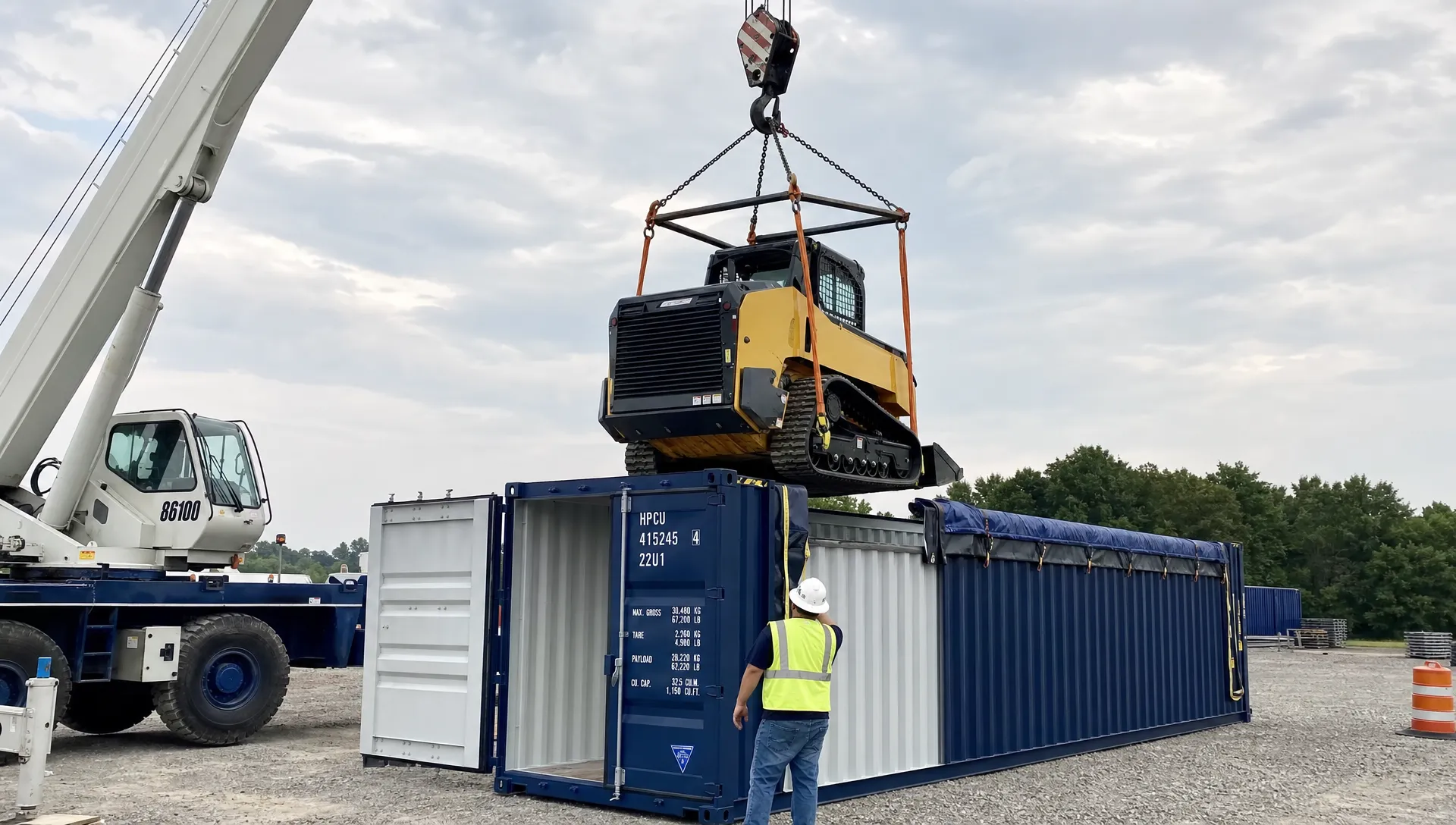
Buying Tips Before You Request a Quote
The right open top container is not just the one with the lowest unit price. The right one is the unit that matches your cargo, loading plan, delivery site, and condition needs.
Start with the cargo, not the container
Measure your cargo first. Get length, width, height, total weight, lifting points, center of gravity, and whether anything can be removed for transport.
Then compare those numbers to the clear door opening and top opening. If the cargo nearly matches the opening, ask for photos and exact measurements before you pay.
Pick the right condition grade
A one-trip open top container is usually the cleanest option. It has made one cargo trip after manufacture and tends to have fewer dents, less floor wear, and a newer tarp system.
A used cargo-worthy open top may be a good fit for export or heavy industrial use if it has proper inspection status. A wind and watertight unit may be enough for domestic storage, job-site use, or farm use.
For used units, inspect more than the walls. The tarp, roof bows, bow pockets, top rail, header, lashing rings, floor, door seals, and corner castings all matter. Outback’s used shipping container buying checklist is a useful reference if you are comparing used WWT, CWO, refurbished, and as-is options.
Confirm the tarp and roof bows
The tarp system is the roof. Ask for current photos of the tarp spread out or installed, not just folded in a corner.
Check for tears, worn seams, missing grommets, broken cables, poor tension, and water pooling areas. Also confirm every roof bow is present, straight, and seated correctly.
Ask about the door header
Some open top units have a removable door header above the cargo doors. This can help with tall or awkward cargo loaded through the end or moved out after top loading.
Do not assume the header is removable. Ask the seller, then verify with photos.
Get the delivered cost in writing
The container price is only part of the purchase. Delivery can change the total cost more than buyers expect, especially for rural sites, crane delivery, long hauls, permits, or difficult access.
A clean quote should show the unit price, condition grade, delivery address, delivery method, taxes if applicable, added handling, and any special equipment needs. If you are comparing quotes, Outback’s guide on how to buy a 20ft shipping container without overpaying explains why the cheapest headline price is not always the lowest real cost.
Mid-article buyer tip: If you are still deciding between a standard dry container and an open top, compare available container options and delivery support through Outback Shipping Containers before you lock in a unit that may be harder to move, tarp, or resell.
Watch for scam signals
Container scams often use fake inventory, stolen photos, wire-only payment demands, and prices that sit far below the real market. Be careful with sellers who avoid written quotes, cannot explain condition grades, or refuse to discuss delivery details.
A real seller should be able to explain where the unit is located, what condition it is in, how delivery works, and what happens if the site is not accessible.
Delivery, Site Planning, and Permit Checks
A 20ft open top container is easier to place than a 40ft unit, but it still needs planning. The delivery truck must enter, turn, set the container down, and exit safely.
Most container deliveries use a tilt-bed, roll-off, flatbed, side loader, or crane truck. The right method depends on the site and whether the container is empty, loaded, or being placed in a tight spot.
Prepare the site before the truck arrives
A container should sit on firm, level support. Many buyers use compacted gravel, concrete piers, railroad ties, or a slab. The goal is to support the corner castings and keep the frame from twisting.
Before delivery day, check these basics:
- Confirm truck access width, turning room, and backing distance.
- Remove low branches, debris, vehicles, and loose materials.
- Mark the exact container location and door direction.
- Check overhead lines, roof eaves, signs, and tree limbs.
- Make sure the ground can support the truck, not just the container.
Soft ground is a common problem. A loaded delivery truck can sink where a pickup will not. If the site gets muddy, reschedule or improve the access path.
Plan overhead loading safely
Open top loading usually involves a crane, telehandler, loader, or overhead hoist. Use qualified operators and a safe lift plan. The container should be on level ground, and workers should stay clear of suspended loads.
Do not let cargo hit the top rails, sidewalls, or floor during loading. Use tag lines, spotters, and proper rigging when needed. If you are not sure how to load the item, hire a rigging crew.
Think about permits and local rules
For storage use, local zoning may limit where you can place a shipping container, how long it can stay, whether it needs screening, and whether it counts as an accessory structure. For a container home, office, pool, retail unit, or workshop, building codes and permits become more important.
Rules vary by city, county, and state. Always check with local authorities before buying a container for a permanent use or a modified build.
Transport rules also vary. If your cargo sticks above the container, you may need oversize permits, special routing, pilot cars, or a different trailer. Do not assume a standard delivery quote covers protruding cargo.
Frequently Asked Questions
What is a 20ft open top container used for?
A 20ft open top container is used for cargo that needs top loading by crane, hoist, loader, or forklift. Common uses include machinery, generators, scrap metal, stone slabs, steel bundles, farm equipment, pumps, and oversized industrial parts that cannot pass through standard container doors.
How much weight can a 20ft open top container hold?
Many modern 20ft ISO containers have a max gross rating up to 67,200 lb, with payload often around 61,000 to 62,000 lb after tare weight. Ratings vary by unit. Always check the CSC plate, floor condition, repair history, and how the load weight will be spread.
Is an open top container waterproof?
An open top container can be weather-resistant when the tarp, cables, seals, and roof bows are in good condition. It is not as weatherproof as a welded steel roof. For sensitive dry storage, a standard wind and watertight dry container is usually the safer choice.
Can you ship cargo in an open top container?
Yes, open top containers are used for cargo shipping, especially for machinery and oversized freight. The unit must be cargo-worthy, properly inspected, and acceptable to the carrier. If cargo protrudes above the top, special handling, permits, and routing may apply.
Is a 20ft open top container better than a standard 20ft container?
It is better only when you need overhead loading or extra vertical access. For general storage, tools, furniture, household goods, or retail inventory, a standard 20ft dry container is usually cheaper, more secure, easier to source, and better protected from weather.
Can I convert a 20ft open top container into a home or office?
You can use one in a conversion, but it needs proper engineering, a roof system, insulation, waterproofing, ventilation, and code review. Local permit rules vary. For most container homes or offices, start with a planned design instead of choosing an open top only because it looks flexible.
A 20ft open top container is the right tool when overhead loading solves a real problem. If your project needs a standard dry container, a used WWT unit, a cargo-worthy unit, or a specialty container, Outback Shipping Containers can help you compare options, confirm delivery logistics, and request a transparent quote for nationwide delivery through Outback Shipping Containers.