What Affects the Cost of a 20 Foot Shipping Container?
By Outback Shipping Containers · Published October 21, 2026 · Last updated October 22, 2026
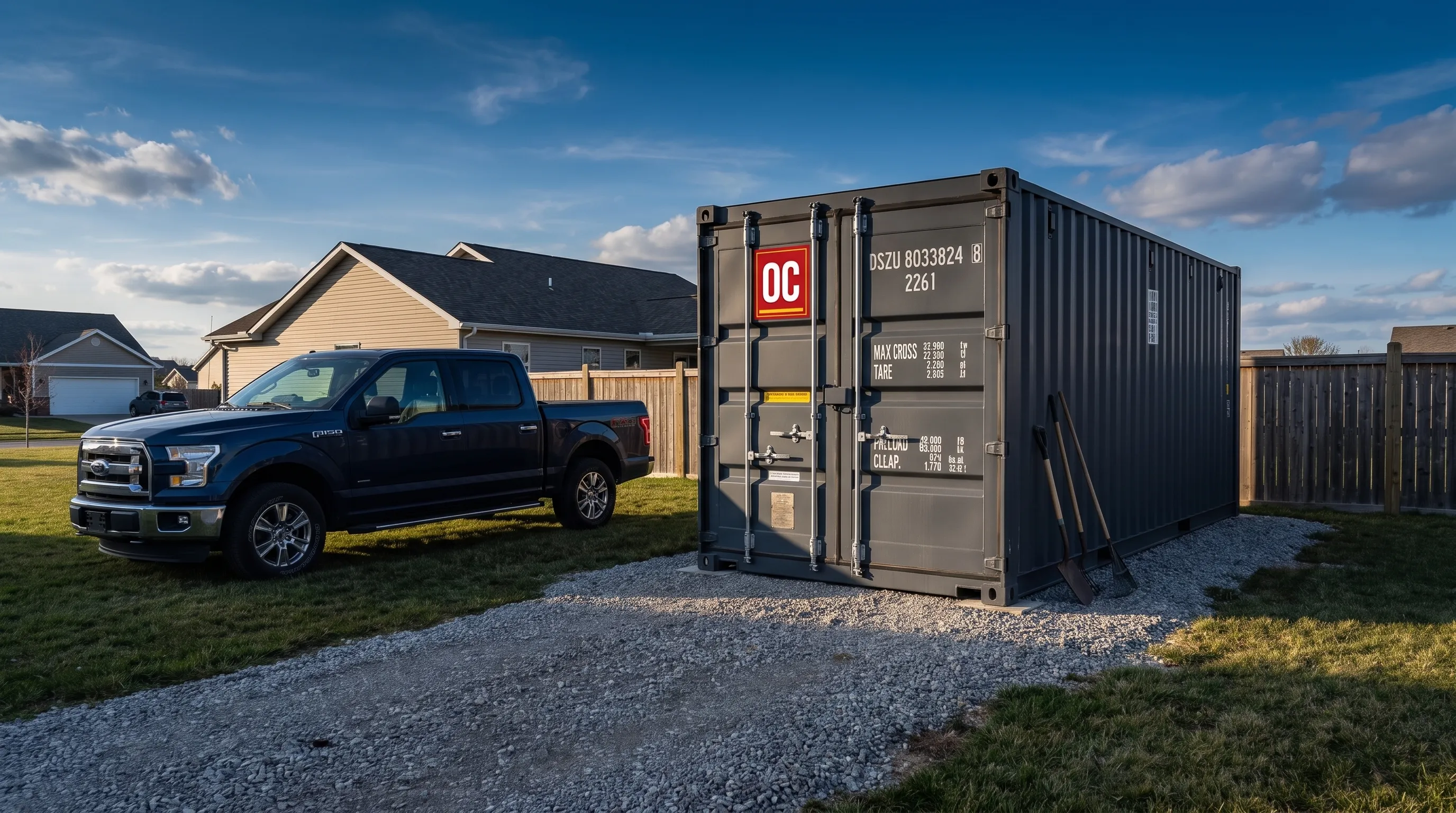
What Affects the Cost of a 20 Foot Shipping Container?
Quick Answer: The cost of a 20 foot shipping container depends mainly on its condition, local availability, delivery distance and unloading requirements. Site preparation, repairs, modifications and financing can raise the final total. A reliable dollar figure requires a current quote for your delivery ZIP code, not just an advertised container price. Compare what each offer puts on your property in usable condition.
Key Takeaways
- One-trip containers usually cost more upfront but can reduce repair work.
- A cheaper container at a distant depot may cost more delivered.
- Wind- and watertight condition does not automatically establish eligibility for international shipping.
- Compare purchase, delivery, site work and intended-use costs together.
How condition affects the cost of a 20 foot shipping container
Condition is one of the largest differences between otherwise similar containers. Two units can share the same dimensions but have very different floors, door seals, roof panels and repair histories.
The labels below describe different qualities, not a universal grading ladder. A one-trip container can also be wind- and watertight and cargo-worthy.
| Description | What it generally means | What to verify before paying |
|---|---|---|
| New or one-trip | A container sold after limited transport use, commonly one loaded journey | Actual condition, handling marks, floor condition and included inspection |
| Used, wind- and watertight (WWT) | A used unit represented as keeping out wind and rain | Door operation, seals, roof condition and the written guarantee |
| Used, cargo-worthy (CWO) | A unit assessed as structurally suitable for cargo service | Inspection scope, paperwork and requirements for your intended shipment |
| Refurbished | A used container that has received repairs or cosmetic work | What was repaired, how it was repaired and what paint may conceal |
Look beyond dents and fresh paint
Small dents may matter little for tool storage. A distorted door frame matters much more because it can make daily access difficult. Deep corrosion, damaged flooring and poor roof repairs can turn a low purchase price into a repair project.
Request photographs of the roof, underside, door hardware and floor, not just the exterior walls. Confirm whether those images show the actual unit or a representative example.
The cost of a 20 foot shipping container should reflect usable condition, not simply appearance. Paying extra for sound doors and a dry interior can make more sense than paying for fresh paint alone.
Local supply and depot location change the starting price
Containers are part of an intermodal transport network. Available stock varies by depot, and the nearest port is not always the cheapest place to source a unit after delivery is included.
A seller may have ample used inventory but limited one-trip stock. Another may have the right condition at a depot much farther away. Those differences affect both the container price and the freight needed to reach your property.
Ask where the quoted unit will ship from. A low advertised price is less useful if it applies to inventory outside your delivery area or excludes the condition you need.
Compare equivalent inventory
Hold the specification steady when comparing sellers: 20-foot length, standard or high-cube height, condition, door arrangement and intended use. Otherwise, a lower quote may simply describe a different product.
Ask how long the price remains valid and whether inventory is reserved after payment. For buyers who need several units, request a quantity quote rather than assuming a fixed bulk discount.
Local stock affects the cost of a 20 foot shipping container even when the steel box looks identical. The relevant comparison is the same specification delivered to the same address.
Delivery equipment and site access can outweigh a lower purchase price
Delivery involves more than truck mileage. The carrier must reach your property, unload safely and place the container where you need it.
A roadside drop on a level, open site differs from placement behind a building or beyond a narrow farm entrance. Describe the final placement area before accepting a delivery quote.
Match the unloading method to the property
A tilt-bed truck needs room to approach, raise the bed and pull forward as the container slides off. A flatbed generally requires separate unloading equipment. Crane placement introduces equipment, reach and ground-support requirements of its own.
Do not assume that a 20-foot container needs only a 20-foot clearing. Ask the carrier for its required approach space, overhead clearance, turning room and ground conditions. Those requirements depend on the actual vehicle and unloading method.
Our explanation of container transport price factors covers why access and delivery equipment can change freight charges.
Prepare the site before the truck arrives
Check gates, sharp turns, branches, overhead utilities, soft shoulders and drainage. The truck's weight and turning path matter as much as the container's footprint.
A level, adequately supported base helps keep the frame square and the doors working. Gravel, concrete supports or an engineered foundation may be appropriate, depending on soil, drainage and use. Do not assume loose blocks on uneven ground will provide lasting support.
The cost of a 20 foot shipping container can rise if delivery requires waiting, a return trip or different equipment. Confirm responsibility for those charges and resolve access questions before dispatch.
Dimensions and intended use determine what you need to buy
A standard 20-foot ISO container has a familiar exterior size, but its usable interior is smaller. Door openings, insulation and interior finishes reduce usable space further.
Check exterior, interior and door dimensions
Typical dimensions for a standard dry container are:
| Measurement | Typical size |
|---|---|
| Exterior length | 20 feet |
| Exterior width | 8 feet |
| Exterior height | 8 feet 6 inches |
| Interior length | About 19 feet 4 inches |
| Interior width | About 7 feet 8 inches |
| Interior height | About 7 feet 10 inches |
| Exterior footprint | 160 square feet |
| Interior floor area | About 148 square feet |
Measurements vary by manufacturer, so verify the specific unit before designing shelving, loading machinery or planning a conversion. Empty weight, also called tare weight, commonly falls around 4,800 to 5,200 pounds for standard 20-foot dry units. Use the unit's markings for actual weight and payload capacity.
If floor area drives your decision, compare the space and cost tradeoffs between 20ft and 40ft containers. A larger container may offer better value per square foot but require more placement space.
Separate storage suitability from shipping eligibility
For static storage, a sound wind- and watertight conex box may meet your needs. International cargo movement requires a different review of condition, documentation and carrier requirements.
The International Maritime Organization's Convention for Safe Containers establishes safety approval and examination provisions for containers used in international transport. A WWT description alone does not establish current CSC compliance or carrier acceptance.
Your intended use therefore changes the cost of a 20 foot shipping container. Do not pay for shipping-related requirements you do not need, but do not assume a storage-grade unit is ready for ocean freight.
Build a total-cost budget before comparing offers
The useful number is the delivered, usable cost. That means the amount needed to purchase the unit, place it on an appropriate site and make it fit for its planned job.
Use this worksheet with actual quotes rather than filling gaps with national averages:
| Budget item | What to include |
|---|---|
| Container purchase | Exact size, condition, door configuration and selected options |
| Transportation | Origin depot, delivery address and unloading method |
| Site preparation | Clearing, grading, drainage and required supports |
| Taxes and applicable fees | Charges shown for your transaction and location |
| Repairs or modifications | Work needed before you can use the unit |
| Permits or professional work | Requirements for the proposed placement and use |
| Financing | Any interest, origination charges or other financing costs |
Find the point where a discount disappears
A $500 reduction in the box price does not save money if additional freight exceeds $500. The same logic applies when a cheaper unit needs immediate floor, seal or door repairs.
Compare quotes in two stages. First, compare the purchase-and-placement total. Then add only the work each particular unit needs. This prevents a better-condition container from looking overpriced simply because another quote leaves repairs out.
Our guide to what a 20ft shipping container quote should include provides a more detailed quote review checklist.
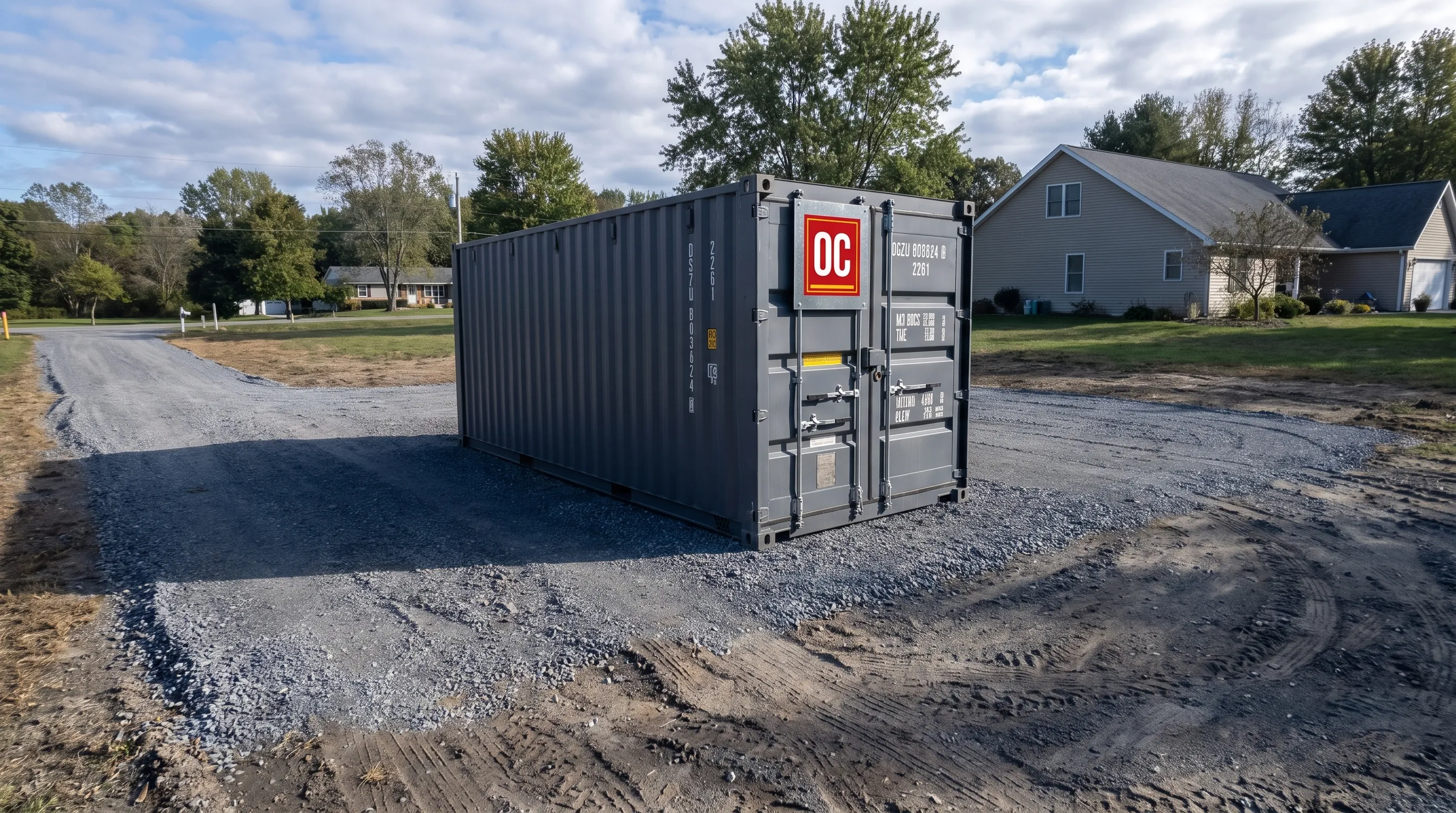
For a one-trip option to compare against used inventory, consider the 20ft New Shipping Container, Wind & Watertight, Gray. It is described as wind- and watertight and cargo-worthy. Check the current listing and request delivery pricing for your address before comparing totals.
Spend on the features your project actually needs
Once you have a sound container and a workable delivery plan, separate necessary work from optional improvements. Security, comfort and finished appearance solve different problems, so they should not share one vague modification allowance.
Storage and workshop upgrades
Basic storage may need little beyond appropriate support and secure locking. Frequent access may justify shelving, lighting or an additional door, but each addition has a cost and may require more work than the hardware alone.
Ventilation can help manage moisture, but it does not guarantee a dry interior under every condition. Wet equipment, temperature swings and stored materials all affect condensation. Plan around what will go inside rather than treating every cargo container as the same storage environment.
Ask whether quoted modifications include installation, weather sealing and finish repairs. If an opening changes the structure, confirm how the design addresses reinforcement.
Container homes and occupied spaces
The cost of a 20 foot shipping container is only the shell portion of a shipping container home or occupied office. Foundations, structural design, insulation, utilities and interior finishes belong in a separate construction budget.
Large openings can require reinforcement. Plumbing and electrical work introduce additional design and inspection requirements. Insulation also reduces interior space, which matters in a room that starts less than 8 feet wide.
The U.S. Department of Energy's insulation guidance explains why material choice and installation affect thermal performance. Choose an assembly suited to your climate rather than relying on insulation thickness alone.
Zoning, permits and building-code requirements vary by state, county and municipality. Consult local authorities before buying a container for housing, a business or another occupied use.
Financing and ownership period
Compare the financed total with the cash price, not just the monthly payment. A payment that fits your budget can still produce a higher overall cost once interest and fees are included. Outback Shipping Containers offers financing options, so request the terms that apply to your purchase.
For temporary storage, compare ownership with a rental from LeaseLink Containers, the leasing arm. Include rental delivery, pickup and the expected term. For ownership, consider maintenance, eventual removal and a conservative resale assumption rather than treating resale proceeds as guaranteed.
Frequently asked questions
How much should I pay for a 20 foot container?
The cost of a 20 foot shipping container should be evaluated as a delivered total for a stated condition. Request current quotes for your ZIP code and compare equivalent units. Include unloading, taxes, site preparation and required repairs. An advertised shell price alone is not enough to judge value.
How much does a new 20-foot shipping container cost?
A new or one-trip container needs a current inventory quote because location, availability and delivery affect the final price. Confirm whether the listed amount includes freight and unloading. Also check the actual unit's condition, included options and inspection details before comparing it with a used container quote.
Is it cheaper to build a shed or buy a shipping container?
Either can be cheaper, depending on size, site access and finish requirements. A container provides an existing steel enclosure, while a shed may suit residential access or appearance better. Compare equivalent usable space, foundations, delivery or construction labor, weather protection and permits rather than comparing materials with a delivered building.
Can two cars fit in a 20ft container?
Two typical passenger cars will not fit inside a standard 20-foot container. Its interior is roughly 19 feet 4 inches long and 7 feet 8 inches wide, with a narrower door opening. Even one vehicle requires checking length, width, loading clearance and how the driver will exit after parking.
Do I need a permit for a shipping container on my property?
Possibly. Requirements vary by state, county and municipality, and may depend on placement duration, setbacks, foundations and intended use. Residential or commercial occupancy can trigger additional requirements. Contact the local planning and building departments before ordering, especially if the unit will become a home, office or permanent workshop.
Get a price that matches your property and purpose
Before requesting a quote, gather your delivery ZIP code, access photos, preferred condition and intended use. State whether you need basic storage, international cargo service or a container conversion. That information helps identify the right unit and delivery method.
To compare the cost of a 20 foot shipping container for your project, start with the available options at Outback Shipping Containers and request a site-specific total. Ask for the container, delivery and any selected work to be itemized before you commit.
About Outback Shipping Containers
This guide was prepared by the Outback Shipping Containers team, based on the questions our customers ask us most when buying, modifying and taking delivery of shipping containers. Learn more about us.
Ready to find your container?
Browse our in-stock shipping containers, container homes and custom builds, or ask our team for a free quote with delivery to your site.