20ft Shipping Container Price: What Your Quote Should…
20ft shipping container price quotes should spell out condition, delivery, taxes and fees. Learn what to verify before you pay.
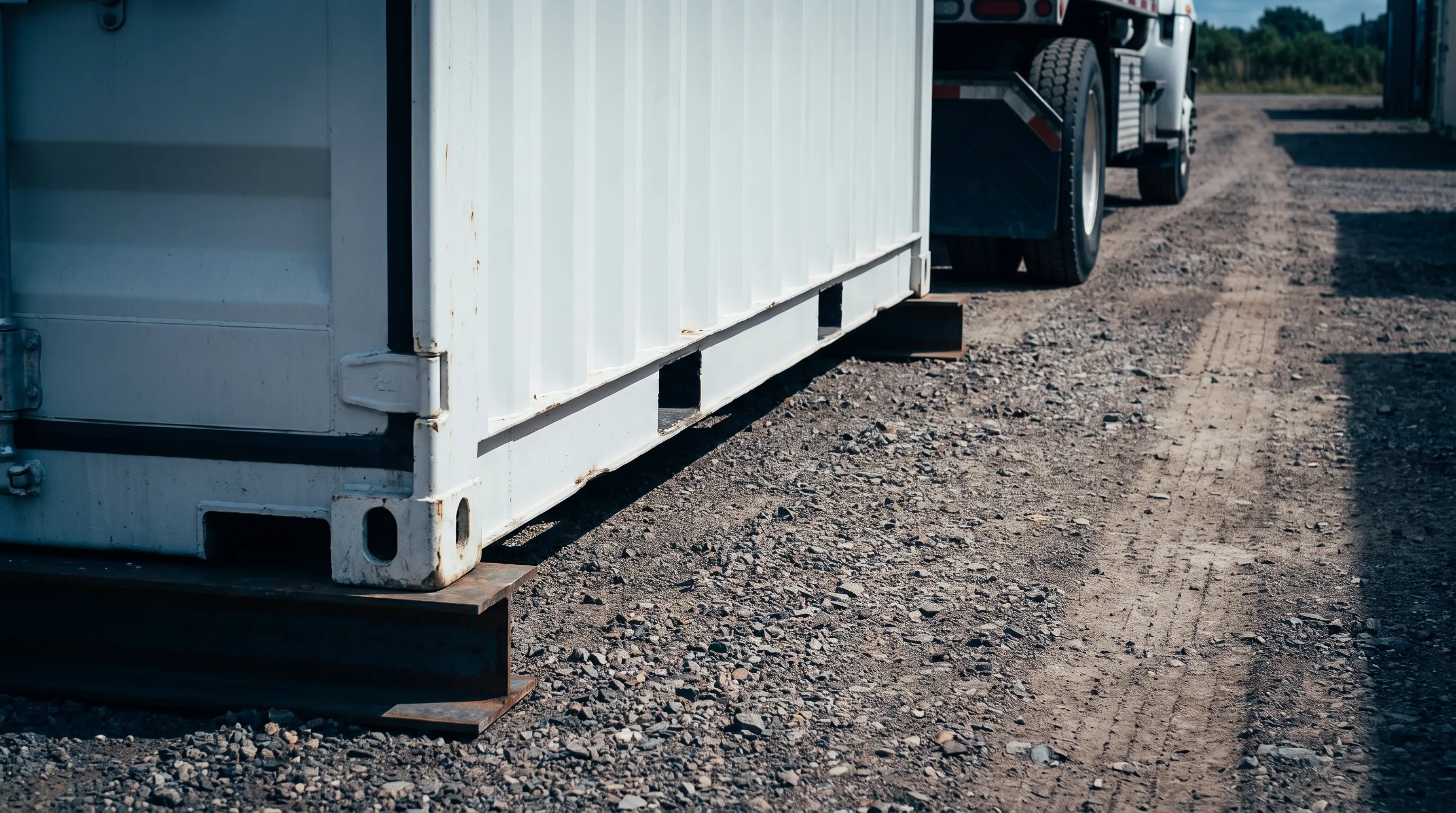
20ft Shipping Container Price: What Your Quote Should Include
Quick Answer: A complete 20ft shipping container price quote should identify the container’s condition, delivery address, unloading method, taxes and final payable total. It should also state any extra charges, payment terms and written guarantees. A low advertised price is not enough to compare offers unless each supplier includes the same scope.
For storage buyers, contractors and homeowners, the biggest budgeting mistake is treating the steel box as the whole purchase. Delivery access, placement and site preparation can change what you actually spend. Before paying, get those responsibilities in writing.
Key Takeaways
- Compare delivered totals for the same container grade and destination, not just advertised prices.
- Confirm whether unloading and placement are included, especially when comparing flatbed and tilt-bed delivery.
- Request unit-specific condition details, guarantee terms and any required shipping certification.
- Keep foundations, permits and conversion work separate from the container purchase unless expressly included.
- Check quote expiration, cancellation terms and financing costs before committing.
What your 20ft shipping container price quote should include
A useful quote reads like a purchase agreement, not a one-line estimate. It identifies what you will receive, where the supplier will deliver it and what you must arrange yourself.
Use this checklist to review each offer:
| Quote item | What should be written down | What to question |
|---|---|---|
| Container specification | Size, height, condition grade and color if promised | “20ft container” without a grade or height |
| Unit identification | Container number or a clear allocation process | Photos presented as unit-specific when they are examples |
| Container charge | Price of the container and included accessories | An advertised starting price treated as a final total |
| Delivery | Destination, delivery charge and unloading method | “Delivered” without explaining unloading |
| Extra delivery charges | Waiting time, failed delivery and special equipment terms | Open-ended charges with no rates or triggers |
| Taxes and other fees | Applicable taxes and disclosed processing or payment fees | Fees appearing only after payment |
| Purchase protections | Guarantee, acceptance process and cancellation terms | Verbal promises absent from the agreement |
| Final amount | Total due and quote expiration date | An estimate that can change without clear conditions |
Outback Shipping Containers’ 20ft container listing advertises pricing from $1,095 delivered. Treat that as a starting offer to verify for your location, condition choice and delivery requirements, not a guaranteed total for every address.
The delivered total is the comparison number. Your 20ft shipping container price quote should make clear whether that total remains subject to taxes, access approval or other conditions.
Match the quoted container to the work you need
Understand one-trip, WWT and cargo-worthy descriptions
A one-trip container has generally made one loaded shipment from its place of manufacture. It can still have handling marks. “New” should not be interpreted as never transported or guaranteed free of cosmetic imperfections.
Used containers need a more specific description. Age alone does not tell you whether doors operate properly, the roof has repairs or the floor suits your intended use.
| Description | What it generally indicates | What to confirm before buying |
|---|---|---|
| One-trip | Limited shipping use rather than years in service | Actual photos, dents, door operation and guarantee terms |
| Wind and watertight, or WWT | Condition intended to keep wind and rain out when properly closed | Inspection scope, seals, repairs and written coverage |
| Cargo-worthy, or CWO | Condition assessed as suitable for carrying cargo | Inspection documentation and shipping requirements |
| Refurbished | Repairs or cosmetic work have been performed | Exactly what was repaired, replaced or coated |
These descriptions are not interchangeable. Ask what the seller inspected and whether the quoted unit meets both your storage needs and any transport requirements.
A lower 20ft shipping container price can reflect a different condition grade, not a better deal on an equivalent unit.
Check dimensions, weight and shipping credentials
A standard-height 20ft ISO container is nominally 20 feet long, 8 feet wide and 8 feet 6 inches high. Its actual exterior length is commonly about 19 feet 10½ inches. Typical internal dimensions are approximately 19 feet 4 inches by 7 feet 8 inches by 7 feet 10 inches, with variation by manufacturer.
That gives roughly 148 square feet of interior floor area before adding insulation or interior walls. A high cube container is nominally 9 feet 6 inches tall, so a quote must specify height rather than assuming every cargo container is identical.
Tare weight means the empty container’s weight, commonly around 5,000 pounds for a standard 20ft unit. Payload capacity is the allowable cargo weight, calculated from maximum gross weight minus tare weight. Use the specific unit’s markings, not a generic listing, for transport planning.
For international shipping, a WWT guarantee does not establish current CSC compliance. The International Maritime Organization’s Convention for Safe Containers covers container safety approval and examination requirements. Ask about the safety plate and current examination status if you plan to ship cargo.
Get delivery and placement terms in writing
Specify the truck, unloading method and final position
“Delivery included” can mean different things. A tilt-bed truck can unload by sliding the container off the bed. A flatbed shipment generally requires suitable unloading equipment at the destination unless the supplier has included a separate arrangement.
Ask who supplies the crane, forklift or other equipment when needed. Do not assume that a tractor or small forklift can safely handle a container simply because its lifting rating exceeds the empty weight. Load center, attachment suitability and reach also matter.
Give the dispatcher the final placement location, not just the street address. Include gate dimensions, overhead wires, trees, slopes and the road surface. For a rural site, provide photos of narrow turns, bridges and the route from the public road to the pad.
The required unloading space depends on the truck and method. Get the carrier’s actual clearance requirements rather than relying on a universal “20ft container delivery space” figure.
Identify charges that depend on site conditions
Your 20ft shipping container price should specify what happens if the driver cannot reach the planned location. Possible outcomes include an alternate drop location, a return trip or cancellation under the supplier’s terms.
Ask whether the delivery charge includes a defined unloading period. Also request the rate or calculation method for waiting time, redelivery and equipment changes. If those charges do not apply, the quote should say so.
For more detail on how route length and truck choice affect freight, review the guide to shipping container delivery costs and unloading methods. Use it to frame questions, then obtain a destination-specific quote.
Commercial carriers must follow applicable FMCSA cargo securement rules. That transport responsibility is separate from preparing your property for safe access and unloading.
Separate the purchase price from your full site budget
Keep site work outside the invoice unless it is included
A delivered container can still require spending before you can use it. Clearing vegetation, improving a driveway, grading a pad or arranging supports may fall to the buyer.
A useful budget separates three amounts: the supplier’s delivered total, your site preparation costs and any later modifications. This prevents a purchase quote from being mistaken for the full project budget.
Use this calculation when reviewing the invoice:
Supplier total = container charge + delivery and unloading + quoted modifications + applicable taxes and fees.
Then add separately contracted site work and any equipment or professional services you must provide. If a charge depends on conditions that are not yet confirmed, mark it as unresolved rather than treating it as zero.
The 20ft shipping container price is only one part of that budget. For a basic storage project, site access and a suitable bearing surface may be the main additional concerns. A workshop or dwelling requires a much broader estimate.
Do not confuse a container shell with a finished building
A shipping container home or office conversion may need structural work, insulation, ventilation, electrical installation and plumbing. Doors and windows require more than simply cutting openings into the steel walls.
Ask whether a conversion quote includes design documents, reinforcement, finishes and utility connections. For a dwelling, also confirm whether foundations, delivery placement and local approvals are included. Do not assume a product labeled “home” automatically covers every step needed for occupancy.
A custom 20ft shipping container house is a different purchasing scope from an unmodified intermodal container. Compare its written specifications and exclusions, not just its headline price.
Permit, zoning and building-code requirements vary by state, county and municipality. Consult the local planning and building departments before purchasing for residential or commercial occupancy. A seller’s quote cannot establish that your proposed use is permitted on your property.
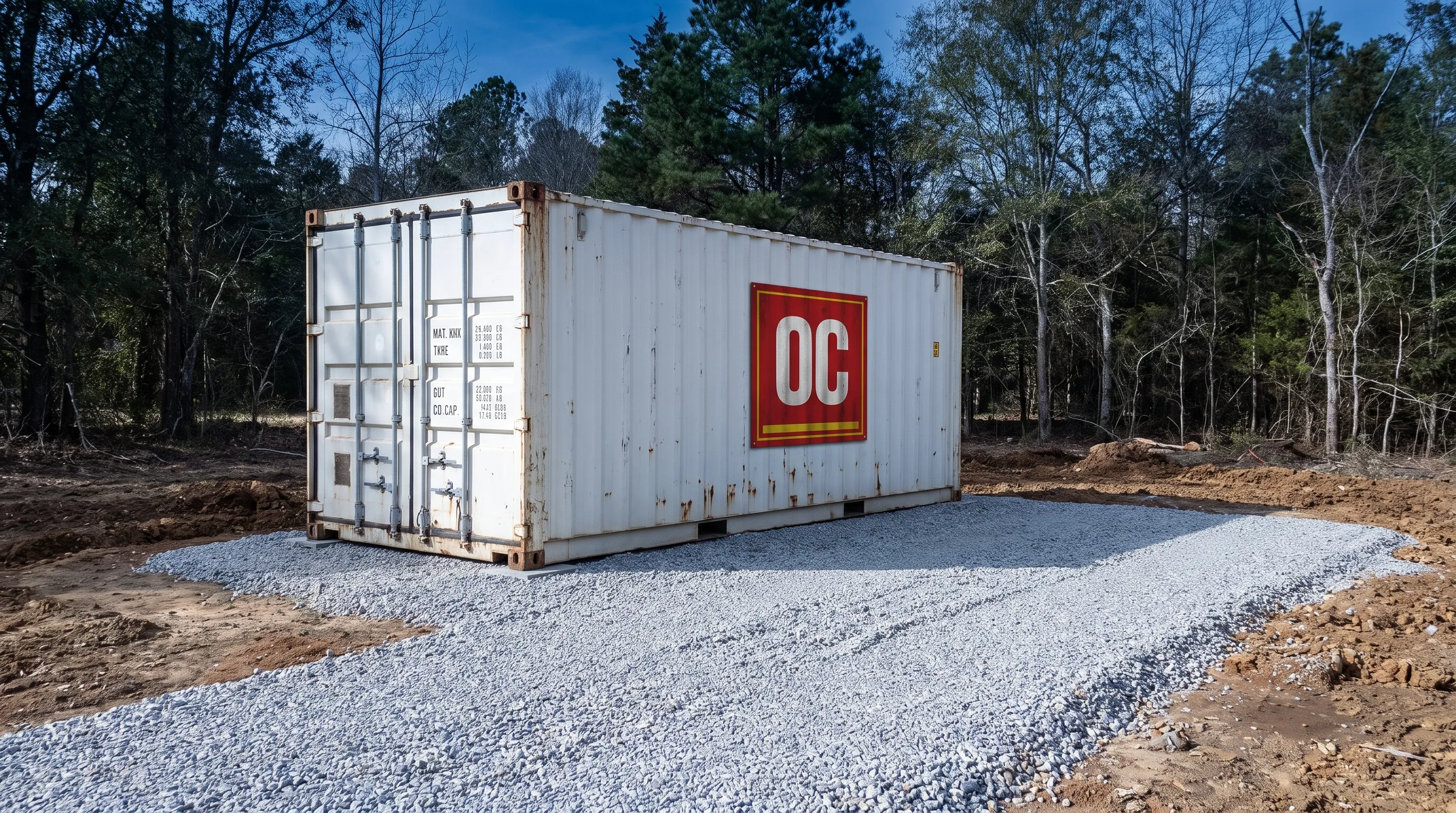
If you want a one-trip unit for a storage project, consider the 20ft New Shipping Container, Wind & Watertight, White. It is listed as wind and watertight and cargo-worthy. Request a written delivered quote for your address and confirm the unit details before paying.
Compare quotes and payment terms before you commit
Normalize every offer to the same scope
Put competing quotes side by side and compare identical requirements. A used standard-height container dropped at an accessible driveway is not equivalent to a one-trip unit placed behind a building with crane assistance.
Check condition, height, unloading method, taxes and placement before ranking prices. Color matters only if it is promised in the agreement. Likewise, photographs should be identified as either representative examples or images of the allocated unit.
Ask how long the quote remains valid and whether the container is reserved after a deposit. If allocation happens later, get the acceptable condition criteria and substitution terms in writing.
For a conex box that will remain on site, door function, structural condition and water exclusion often matter more than cosmetic dents. For retail use or a visible residential project, appearance may justify a different specification.
Review guarantees, deposits and financing
A 20ft shipping container price comparison is incomplete without payment and warranty terms. A slightly lower invoice may carry a larger nonrefundable deposit or less useful coverage.
Outback Shipping Containers describes its units as inspected and offers wind and watertight guarantees. Request the applicable written terms, including how to report a problem and what remedy is available. Water entering through a defect is different from condensation forming inside a sealed steel container.
Confirm the cancellation policy, refund timing and any charges after dispatch. Save the quote, invoice and correspondence. Before paying, verify the seller’s identity and payment instructions through a trusted contact channel, especially if banking details change unexpectedly.
If financing is offered, compare the APR, amount financed, payment schedule, fees and total amount paid. A lower monthly payment does not necessarily mean a lower overall cost. For short-term needs, ask about leasing through LeaseLink Containers, Outback Shipping Containers’ leasing arm, and compare the full lease cost with ownership.
Send a complete quote request before ordering
Suppliers can give a more useful answer when they know your site and intended use. Send the same information to each seller so your quotes are comparable.
Include these details in your request:
- Container specification: 20ft, standard height or another stated height, acceptable condition grade and intended use.
- Delivery location: Full address, ZIP code, route restrictions and photos of the access route and placement area.
- Unloading requirements: Desired final position, door orientation and whether unloading equipment is available.
- Requested terms: Itemized delivered total, exclusions, quote expiration, payment schedule, cancellation policy and guarantee documentation.
You can use this wording:
Please quote one 20ft container for the attached delivery address and site photos. Identify the condition grade, unloading method, included placement, taxes and final amount due. Please also list any waiting-time, access, redelivery or equipment charges, along with your quote expiration and written guarantee terms.
Ask for unresolved items to be labeled clearly. “Subject to site approval” is manageable when you know what must be approved and when. It is less useful after a deposit has already been paid.
Before accepting a 20ft shipping container price, confirm who you should contact if the arriving unit differs from the agreement. Photograph the container number and visible condition at delivery, and follow the supplier’s written reporting procedure for any issue.
Frequently asked questions
How much does a 20ft shipping container cost delivered?
Outback Shipping Containers advertises a starting offer of $1,095 delivered on its 20ft listing. Your final amount depends on the selected unit, destination and applicable terms. Request an itemized quote that confirms unloading, taxes and any site-dependent charges before treating the advertised price as your purchase total.
Does a shipping container price include delivery?
Not always. Some offers are container-only, while others include delivery within stated conditions. Even when a 20ft shipping container price includes freight, unloading or difficult placement may have separate terms. Ask for the destination address, delivery method and all included services to appear on the quote.
Is a used 20ft shipping container cheaper than a new one?
Used containers generally cost less than comparable one-trip units, but condition and delivery can change the comparison. Compare equivalent delivered quotes. Ask about door seals, corrosion, floor condition and repairs, then weigh any additional work against the savings rather than judging the purchase by age alone.
Do I need a permit for a shipping container on my property?
Permit and zoning requirements vary by state, county and municipality. Temporary storage, permanent storage and residential occupancy may be treated differently. Contact your local planning and building departments before ordering. Confirm setbacks, permitted uses and any foundation requirements for your particular property and proposed project.
Can I turn a 20ft shipping container into a home?
A 20ft container can form part of a dwelling design, but buying the shell does not establish that it is habitable or code-compliant. Typical interior floor area is roughly 148 square feet before finishes. Budget separately for design, structural modifications, insulation, utilities, foundations and locally required approvals.
Request a quote you can actually compare
The right 20ft shipping container price is tied to a clearly described unit, a workable delivery plan and a written total. Resolve missing charges and responsibilities before you pay, not when the truck arrives.
Ask Outback Shipping Containers for an itemized quote based on your address, intended use and site photos. A clear scope makes it easier to choose the right container without overlooking the costs needed to put it to work.