How to Find Cheap Used Shipping Containers for Sale Safely
By Outback Shipping Containers · Published October 21, 2026
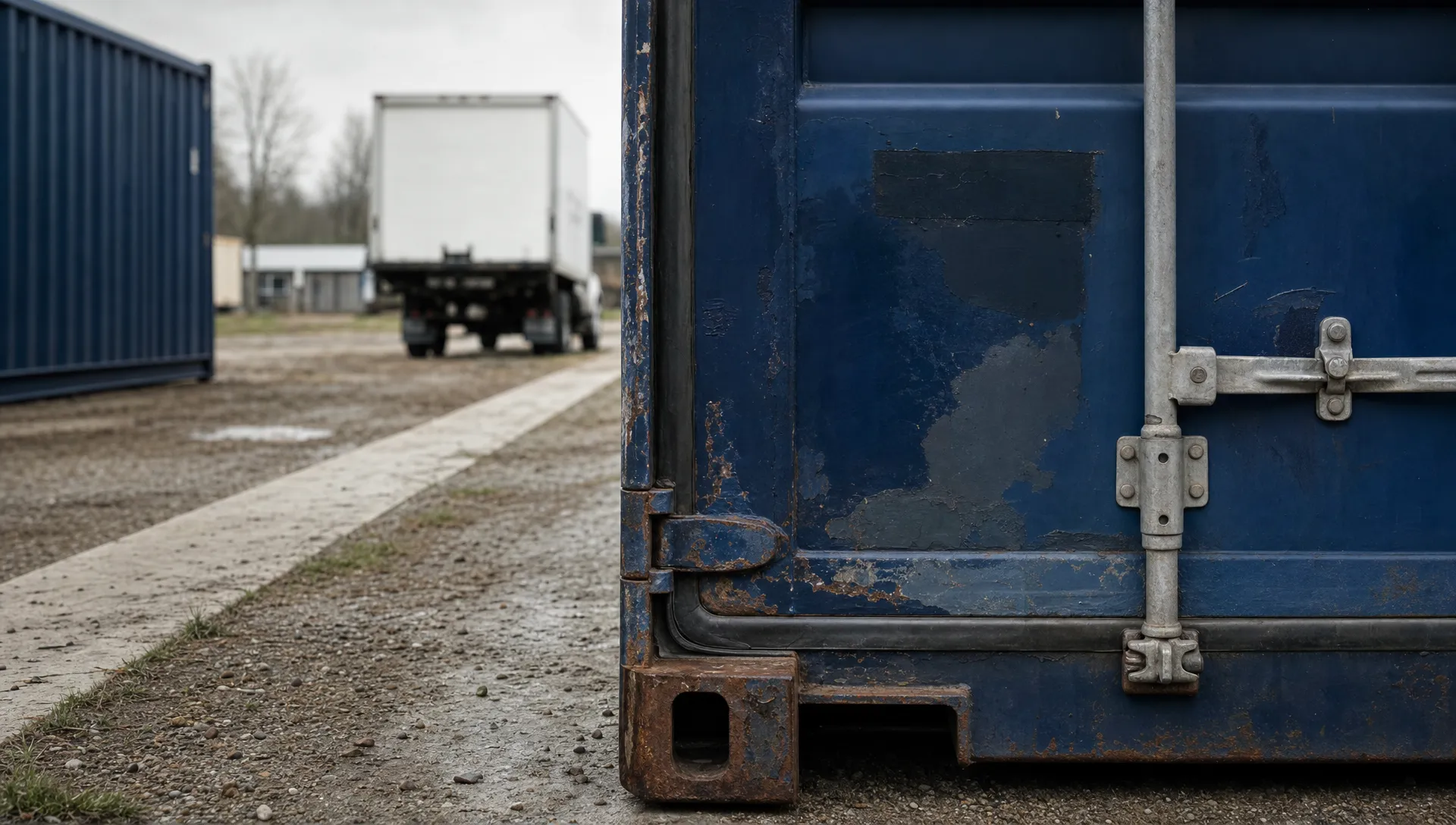
How to Find Cheap Used Shipping Containers for Sale Safely
Quick Answer: To find cheap used shipping containers for sale safely, compare written prices delivered to your ZIP code, verify the seller and inspect the actual unit before paying. For basic dry storage, an inspected wind and watertight container is often a practical starting point. The lowest advertised price is not necessarily the lowest usable cost.
A bargain stops being a bargain when the roof leaks, the doors will not close or the delivery truck cannot reach your property. Start with your intended use and site access, then compare containers on equal terms.
Key Takeaways
- Compare the container, delivery, taxes and required repairs together.
- Choose condition based on use, not paint color or a grade label alone.
- Verify the business and the exact unit before sending payment.
- Confirm truck access, placement requirements and acceptance terms in writing.
Start With Sellers Who Can Deliver to Your ZIP Code
Compare nearby inventory and established suppliers
Start with regional container dealers, established nationwide suppliers and local storage businesses that sell retired units. Ask where the container will ship from. A seller with nearby inventory may offer a better delivered price than one advertising a cheaper unit several states away.
A nearby port does not guarantee that you can buy directly from a terminal or shipping line. Many facilities serve commercial accounts rather than individual buyers. Confirm that a seller handles single-unit sales and residential or rural delivery before spending time comparing listings.
When comparing cheap used shipping containers for sale, ask each seller for the same size, condition and delivery destination. Otherwise, you may be comparing a damaged 40ft unit with an inspected 20ft container that already includes delivery.
Treat auctions and private listings differently
Auctions, equipment yards and private sellers can offer lower purchase prices. They can also shift inspection, loading and transportation responsibilities to you. Ask whether a forklift or crane is available and whether the container must leave by a fixed deadline.
An “as-is” conex box may need roof repairs, replacement seals or floor work. Get repair and transport estimates before bidding. If you cannot inspect it or confirm who owns it, the discount may not justify the risk.
Compare Cheap Used Shipping Containers for Sale by Delivered Cost
Ask for an itemized written quote rather than a verbal total. It should identify the unit or agreed condition, delivery address, unloading method and charges that could change after purchase.
Your delivered total should account for:
- Container purchase price and applicable taxes.
- Transportation and unloading charges.
- Site preparation and access improvements.
- Repairs, cleaning and any planned modifications.
- Potential waiting, redelivery or special-equipment fees.
Confirm whether delivery means placement at your requested location or unloading at the nearest accessible point. Those can be very different services on a narrow driveway or farm road.
Use simple math to test a bargain
Consider this hypothetical comparison, not current market pricing: one container costs $1,800 plus $900 delivery, totaling $2,700. Another costs $2,200 plus $350 delivery, totaling $2,550. The second unit costs $400 more upfront but arrives for $150 less, before tax or site work.
The same calculation applies to repairs. A cheaper box that needs welding and new door seals may cost more than an inspected unit that is ready for storage.
For cheap used shipping containers for sale, a useful comparison is the cost to place a dry, usable container on your property. If you finance the purchase, also compare total repayment, fees and interest rather than only the monthly payment.
Match the Size and Condition to Your Project
Compare 20ft, 40ft and high cube containers
Standard ISO container sizes make shopping easier, but dimensions alone do not establish condition. Check both the footprint and the truck access needed to deliver it.
| Container type | Typical exterior dimensions | Exterior footprint | Main buying consideration |
|---|---|---|---|
| 20ft standard | 20ft long × 8ft wide × 8ft 6in high | 160 sq. ft. | Smaller footprint for tools, household goods or farm storage |
| 40ft standard | 40ft long × 8ft wide × 8ft 6in high | 320 sq. ft. | More storage space, but a larger delivery and placement area |
| 40ft high cube | 40ft long × 8ft wide × 9ft 6in high | 320 sq. ft. | An extra foot of exterior height for taller contents or conversions |
These are nominal exterior dimensions, not usable interior measurements. Wall profiles, flooring and door openings reduce usable space. Insulation and interior finishes reduce it further.
Size matters when evaluating cheap used shipping containers for sale, but unused space is not a saving. A 20ft unit that fits your property and storage needs may be more practical than a 40ft container requiring expensive access work.
Understand WWT, CWO and one-trip labels
Wind and watertight, usually shortened to WWT, describes a container intended to keep weather out when properly closed. It can be suitable for stationary dry storage. Ask what the seller inspects and what its written guarantee covers.
Cargo-worthy, often labeled CW or CWO, generally indicates suitability for cargo transport based on the inspection and sale terms. Sellers use condition labels differently, so request the inspection criteria rather than treating the abbreviation as a universal certification.
A one-trip container has typically completed one loaded shipment before resale. It usually has less wear than an older intermodal container, but it may still have dents or handling marks.
For international shipping, confirm the required inspection and documentation with your carrier. The International Maritime Organization’s explanation of the Convention for Safe Containers covers the safety approval and maintenance framework. A WWT label alone does not establish current CSC compliance.
Set a higher bar for occupied buildings
A shipping container home or office needs more review than a storage box. Ask about cargo history, spills, floor treatments and previous repairs. A fresh coat of paint cannot establish that a container is suitable for occupancy.
Cutting openings changes structural behavior. Have qualified professionals evaluate reinforcement, insulation, ventilation and foundations for a container conversion. Do not choose a damaged shell merely because you expect to cover its walls.
Verify the Seller Before You Send Money
A convincing website and a low quote do not prove that a business controls the container shown. Confirm the company’s legal name, working phone number, written sales terms and invoice details. Check independent reviews for specific delivery and problem-resolution experiences.
Buyers searching for cheap used shipping containers for sale should also compare the payment recipient with the business on the invoice. If names differ, get a clear explanation and verify it through an independently confirmed contact channel.
Request recent photos showing the exterior, interior, doors and identifying number. A live video walkthrough can help when an in-person visit is impractical. If the seller uses representative photos, ask how it selects the delivered unit and what condition it guarantees.
Watch for these warning signs:
- Pressure to pay immediately before receiving a complete quote.
- Payment instructions that suddenly change by email or text.
- Refusal to identify the unit, dispatch location or delivery terms.
- Requests for gift cards or other unusual payment methods.
The Federal Trade Commission’s online shopping guidance explains how to research sellers and evaluate payment protections. If credit-card payment is offered, review the applicable dispute rights. Bank transfers can be difficult to reverse, so verify instructions independently before sending one.
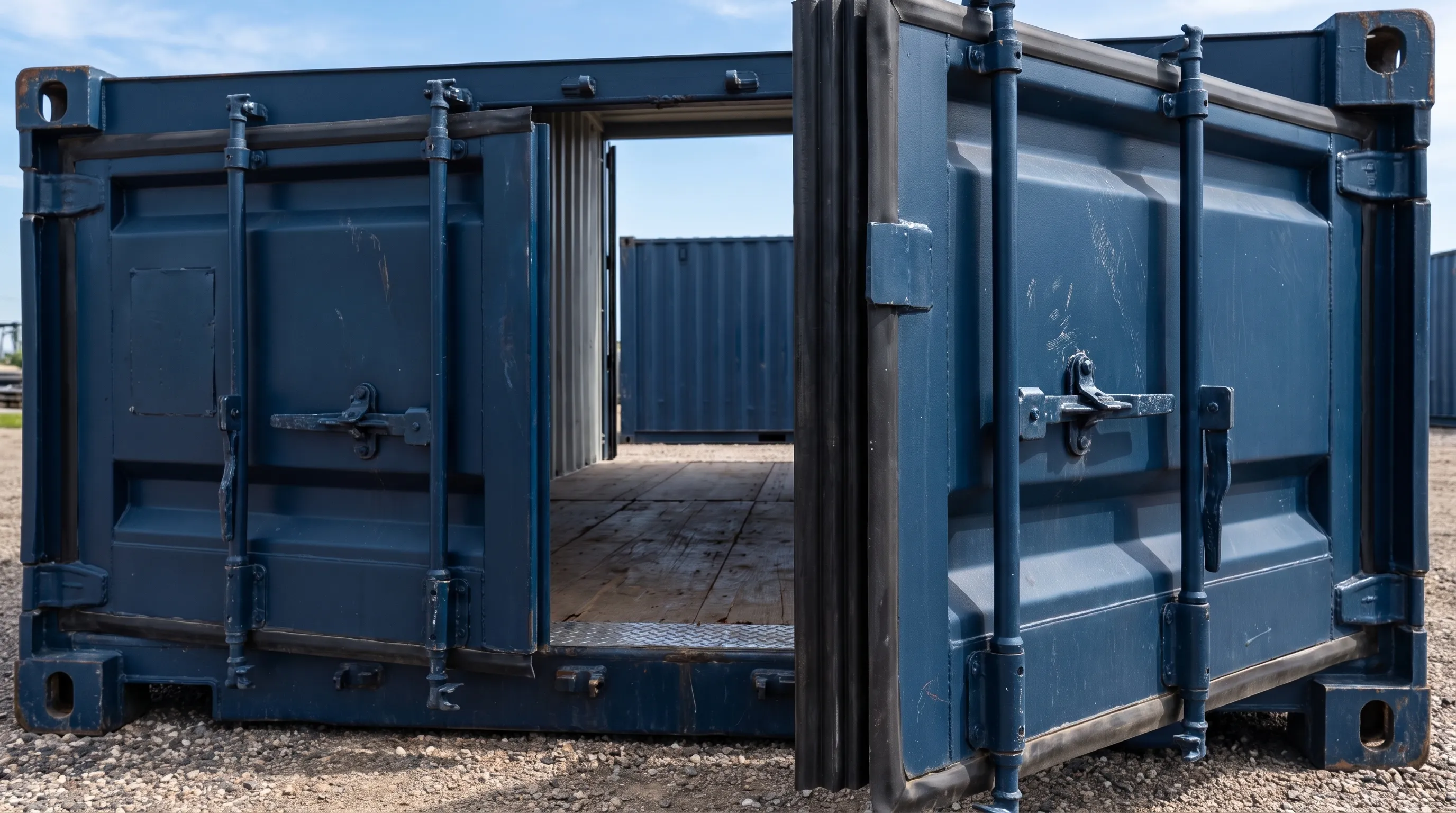
Inspect the Actual Container, Not Just the Listing Photos
Check weather protection and structural damage
Start with the roof, corner posts, bottom rails and corner castings. Look for holes, deep corrosion, separated seams and significant distortion. Surface rust and dents are common on used units, but damage around load-bearing components deserves closer evaluation.
Examine roof low spots where water may collect. Inside, look for water stains, damp flooring, musty odors and evidence of repeated patching. Check for unintended daylight through holes or seams, while distinguishing those openings from designed vents.
When inspecting cheap used shipping containers for sale, ask how leaks and repairs were tested. A coating over rust is not proof of sound steel, and a dry interior on a sunny day does not establish weather resistance.
Test the doors, floor and seals
Open and close both doors fully. Check hinges, locking bars, handles and rubber seals. Doors that bind can indicate uneven support, but they can also signal frame distortion. Ask the seller to explain the cause before accepting the unit.
Walk the floor and look for soft areas, delamination, heavy staining and persistent chemical odors. Do not assume cleaning will solve unknown contamination. For a fuller checklist, use Outback’s guide to inspecting a used shipping container.
For a concrete storage option to compare, review the beige 20ft used wind and watertight container. The listing describes an inspected unit ready to ship. Confirm current availability, actual photos and the delivered quote before ordering.
Put acceptance terms in writing
Your order should identify the exact unit or guaranteed condition, along with the procedure for reporting a problem. Ask whether you can inspect before unloading and what happens if the delivered container does not match the agreement.
Photograph the unit when it arrives, including its identification number and any damage. Follow the seller’s reporting process promptly. Do not assume that rejecting a delivery carries no charge or that every cosmetic defect qualifies for replacement.
Plan Delivery Before You Commit
Confirm access and unloading space
Send the delivery team photos of the route, gate, driveway and placement area. Measure the narrowest opening and identify slopes, soft ground, tight turns, overhead lines and low branches. Ask for truck-specific clearance requirements rather than relying on a generic online rule.
The lowest quote for cheap used shipping containers for sale can lose its advantage if the driver must return with different equipment. Confirm whether the job uses a tilt-bed truck, customer-supplied unloading equipment or another placement method.
Ask which end comes off the truck first so the doors face the intended direction. Also agree on a weather-delay plan if rain could make the route unsafe or damage the property.
Prepare the base and check local rules
A container needs a stable, level support system suited to the soil, drainage and intended load. Uneven support can make doors difficult to operate. Outback’s shipping container site preparation checklist can help you organize the work before dispatch.
Check the unit’s tare weight and payload capacity on its markings and documentation. Tare weight means the empty container’s weight. Do not treat the listed payload capacity as permission to place concentrated machinery loads anywhere on the floor or as a lifting plan.
Storage placement and occupied buildings may face different rules. Permit, zoning, setback and building-code requirements vary by state, county and municipality. Review the shipping container permit requirements guide, then confirm requirements with your local planning and building departments.
Frequently Asked Questions
Where is the cheapest place to buy shipping containers?
The cheapest source is often a seller with suitable inventory near your delivery address, but no location always wins. Compare regional dealers, established nationwide suppliers and equipment auctions on delivered cost. Include unloading, taxes and repairs when comparing cheap used shipping containers for sale, not just the advertised purchase price.
What is the average cost of a 20 ft used shipping container?
There is no single nationwide average that reliably predicts your delivered price. Condition, inventory location, transport distance and unloading needs all affect the quote. Request current written prices for the same grade and ZIP code. Keep the container price separate from delivery so you can compare offers accurately.
Who has the cheapest shipping containers?
The lowest-cost supplier changes with local inventory, condition and delivery distance. A seller advertising a lower starting price may charge more for transportation or supply a lower-grade unit. Compare at least three like-for-like written quotes, then check inspection terms, payment protections and the policy for a nonconforming delivery.
Where can I buy second-hand shipping containers?
You can buy from container dealers, nationwide suppliers, equipment auctions and private owners. Established suppliers may offer coordinated delivery and written condition terms. Auctions and private sales can require you to arrange inspection, loading and transport. Confirm ownership and the seller’s authority to release the container before paying.
Is a wind and watertight container suitable for a home?
WWT condition alone does not establish suitability for a home. It does not resolve cargo history, floor treatments, structural changes or local building requirements. Have qualified professionals assess the unit and design. Confirm zoning, permits and occupancy requirements with your local authorities before buying a shell for residential conversion.
Choose a Container You Can Verify
A good deal on cheap used shipping containers for sale comes down to a sound unit, a clear delivered price and a seller who documents the agreement. Set your requirements before shopping and avoid paying for uncertainty disguised as a discount.
If a 20ft storage unit fits your project, consider Outback’s blue 20ft used wind and watertight container. Confirm its current availability, condition details and delivery cost to your property before deciding.
About Outback Shipping Containers
This guide was prepared by the Outback Shipping Containers team, based on the questions our customers ask us most when buying, modifying and taking delivery of shipping containers. Learn more about us.
Ready to find your container?
Browse our in-stock shipping containers, container homes and custom builds, or ask our team for a free quote with delivery to your site.