Used Shipping Containers: How to Find the Right Local Unit
By Outback Shipping Containers · Published October 18, 2026
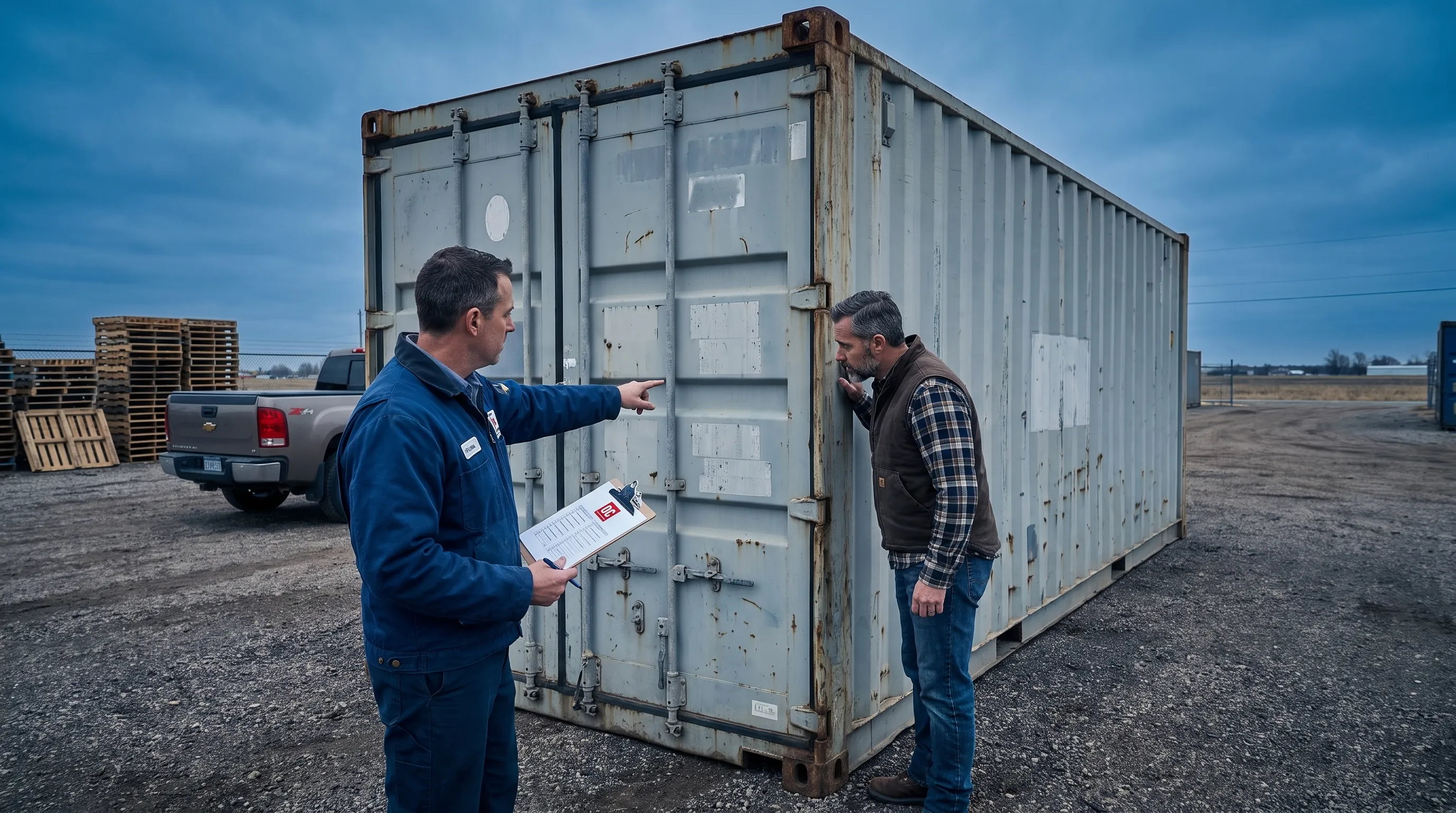
Used Shipping Containers Near Me: How to Find the Right Local Unit
Quick Answer: When searching for used shipping containers near me, choose a supplier that can confirm the dispatch yard, document the unit’s condition and quote delivery to your address. Match the container’s size and grade to your intended use. Before paying, verify the seller, review current photos and confirm that the delivery truck can reach your prepared site.
A nearby listing is only a starting point. The best purchase is a container that suits your job, arrives in the promised condition and can be placed where you need it. That takes more than comparing map results or advertised prices.
Key Takeaways
- Confirm where the container will ship from, not just where the seller advertises.
- Choose wind and watertight for suitable storage needs; verify additional requirements for freight or occupied buildings.
- Ask whether you are buying the photographed unit or an equivalent unit from inventory.
- Get the container, delivery scope, site requirements and acceptance process in writing.
Where to find used shipping containers near me
Search by dispatch location, not office address
Start with established container suppliers, local container yards and dealers serving nearby freight hubs. Some depots handle equipment for shipping lines but do not sell directly to the public. Call before visiting.
Ask where your order would actually dispatch from. A company’s office, map listing and container yard may be in different places. A national supplier may also serve your property from a closer yard than a business advertising in your town.
“Local” should describe a workable supply and delivery route, not just a nearby mailing address. A slightly more distant unit can still be the better choice if its condition and delivery arrangement fit your property.
Confirm that the seller controls the inventory
Before paying a deposit, request the seller’s legal business name, written sales terms and a way to verify its relationship with the supplying yard. A legitimate reseller may not own the yard, but should explain how inspection, payment and release work.
Results for used shipping containers near me can include suppliers, brokers and private sellers, so verify each business separately. Copied photos and a container identification number do not prove ownership or authority to sell.
Use this guide to checking a shipping container supplier’s credibility when you need a closer review of the business behind the listing.
Choose the size and condition your job requires
Compare dimensions before comparing listings
A cargo container, conex box and intermodal container often describe the same general type of steel equipment. The name alone does not tell you its dimensions, condition or suitability.
These are common nominal exterior dimensions. Verify the actual unit’s specifications, especially for modified containers.
| Container type | Exterior length | Exterior width | Exterior height | Common application |
|---|---|---|---|---|
| 20ft standard | 20 ft | 8 ft | 8 ft 6 in | Household, farm and job-site storage |
| 40ft standard | 40 ft | 8 ft | 8 ft 6 in | Larger storage needs and commercial equipment |
| 40ft high cube | 40 ft | 8 ft | 9 ft 6 in | Taller storage and conversion projects |
Exterior footprints are approximately 160 square feet for a 20ft unit and 320 square feet for a 40ft unit. Usable interior space is smaller. Measure your largest item and check the door opening, not just the interior width.
When comparing used shipping containers near me, also consider how you will reach stored items. A larger container may need shelving, aisles or additional access doors to work efficiently.
Understand what condition grades do and do not mean
Wind and watertight (WWT) generally describes a container intended to exclude wind and rain when properly closed. Confirm the seller’s written inspection criteria and guarantee. WWT does not automatically mean approved for loaded ocean transport.
Cargo-worthy, often abbreviated CWO or CW, refers to suitability for cargo service under the applicable inspection criteria. Ask what inspection documentation is included and whether another survey is required for your intended shipment.
The International Maritime Organization’s container safety guidance explains the Convention for Safe Containers, or CSC. A CSC plate is not, by itself, proof that a used ISO container has a current examination or will be accepted by your carrier.
One-trip containers usually offer less wear. Refurbished units may have repairs or fresh paint, but the word “refurbished” does not establish a uniform structural standard. For a shipping container home or occupied office, condition grading is only the beginning of the assessment.
Inspect the actual container before committing
Check the shell, frame and doors
Ask whether the listing shows the exact container for sale. Some suppliers sell by size and condition grade, then allocate a unit after ordering. That can work, but the agreement should explain substitutions and inspection rights.
For exact-unit purchases, request recent photos showing the identification number, all sides, roof, interior, doors and underside where safely accessible. A continuous video can help connect those views to the same container.
Treat used shipping containers near me as individual pieces of equipment, not interchangeable boxes. Two units with the same grade can differ in repairs, door operation and floor condition.
Use this inspection checklist:
- Look for holes, deep corrosion and separated seams, especially around roof edges and lower rails.
- Check corner posts and castings for cracking, distortion or obvious impact damage.
- Operate both doors and inspect locking rods, hinges and gasket contact.
- Look inside for water staining, damp areas and evidence of previous leaks.
- Examine repairs for gaps, loose patches or corrosion around the repair edges.
Surface rust and shallow dents are not the same as perforation or damaged structural members. Fresh paint can improve appearance, but it should not replace a clear view of repairs.
Inspect the floor and ask about previous use
Walk the floor only when the container is safely positioned and access is approved. Check for soft spots, delamination, uneven repairs, oily residue and persistent odors. Do not crawl underneath an unsupported container.
A clean-looking interior does not establish a complete cargo history. Odor alone cannot prove that a container is safe or unsafe for every use. Ask what history is known and what cleaning or repairs were performed.
For food-related storage, sensitive goods or a container conversion, investigate compatibility before purchase. Unknown coatings and floor treatments may need professional assessment before cutting, sanding or creating occupied space. WWT condition is not a habitability certification.
Compare written quotes, not advertised prices
Build a quote around your address and intended use
The most useful price is the cost of getting a suitable container placed on your property. A low advertised unit price tells you little without the dispatch location, freight charge and unloading method.
A search for used shipping containers near me should end with comparable written quotes. Give every supplier the same ZIP code, site photos, size requirement and intended use so the differences are meaningful.
Request separate figures for the container, transportation, unloading or placement, applicable tax and any optional work. Confirm whether a crane, waiting time, difficult access or a failed delivery would create extra charges.
Do not assume a national price range applies to a specific unit and address. Container condition, inventory location and delivery requirements change the total. Use current written pricing rather than an old screenshot or an unconfirmed marketplace advertisement.
Protect payment and confirm what you are buying
Your order should identify the size, condition grade, included modifications and delivery terms. If the seller assigns a specific unit, record its identification number. If not, record the promised condition and substitution policy.
Do not send payment until the seller and order details are verified. Be cautious if payment instructions suddenly change or the payee does not match the business named on your invoice. Confirm changes through a phone number you independently verified.
Ask when ownership transfers, what inspection opportunity you receive and how a condition dispute is handled. Do not assume that every sale includes a return period or that freight charges are refundable.
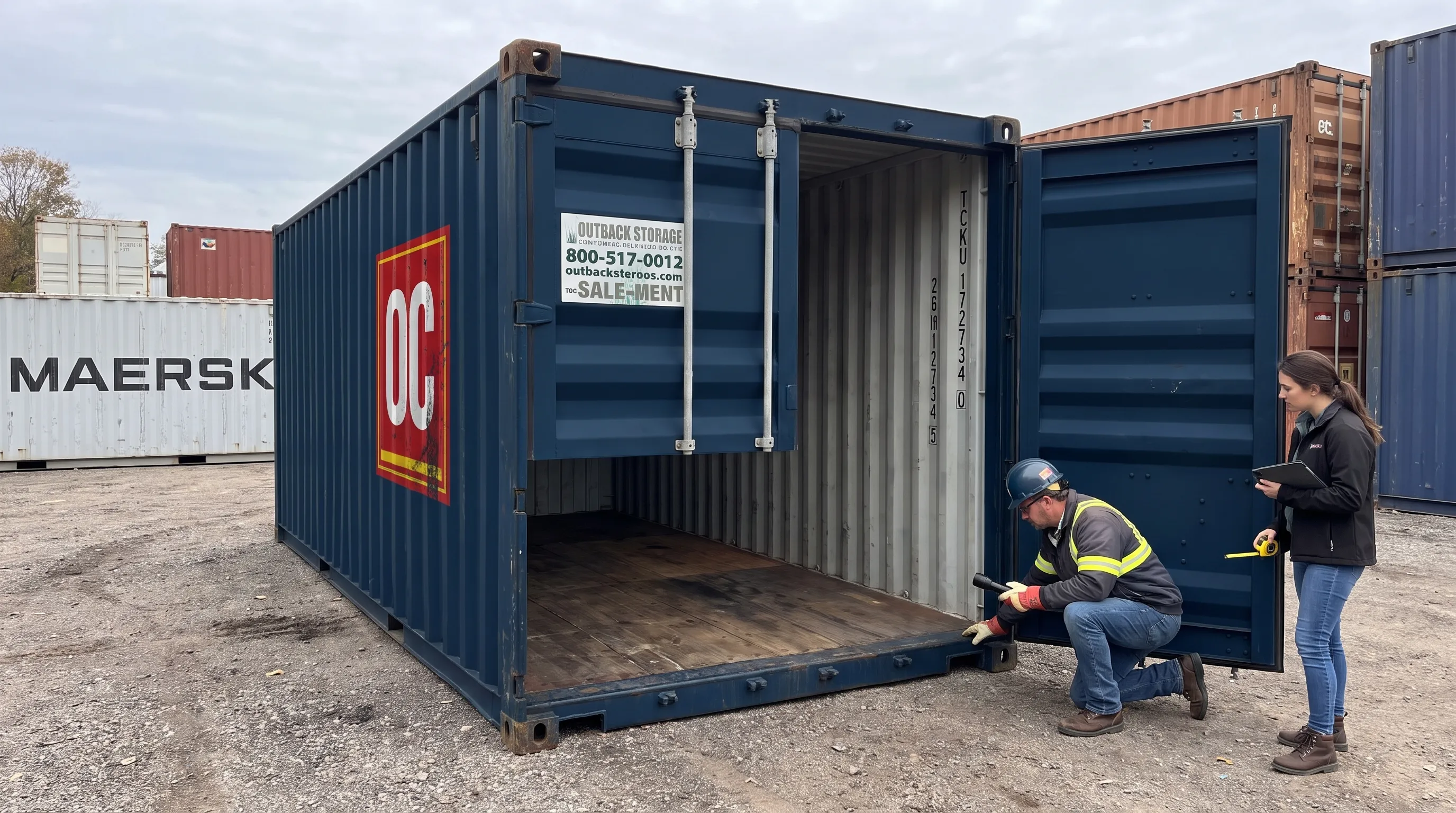
For a storage-focused comparison, review the 20ft Used Shipping Container, Wind & Watertight, Blue. It is listed as inspected and ready to ship. Confirm current availability, dispatch location and the delivered quote before ordering.
Confirm that delivery works at your property
Check the truck route and unloading area
The container’s footprint is not the truck’s required working space. A 20ft container may arrive on equipment much longer than 20 feet. Tilt-bed, side-loader and crane deliveries also need different clearances.
Send the delivery team photos or video of the approach road, gate, turns, slopes and final placement area. Include overhead wires, branches, narrow bridges and soft ground. Ask the carrier to specify the required clearance for its actual equipment.
For rural searches for used shipping containers near me, the last section of the route can matter more than the highway distance. A truck may reach your address but still be unable to enter a field or turn into a narrow driveway.
Confirm the unloading direction and which way the doors must face. Keep people, vehicles and animals outside the unloading area. Never assume a delivery driver can move the container again after placement without additional equipment.
Prepare the base and check local restrictions
Choose stable, well-drained ground and agree on the support arrangement before delivery. Uneven support can twist the frame and make doors bind. Foundations and anchoring requirements depend on soil, loading, location and intended use.
Check the container’s tare weight, which is its empty weight, and maximum gross weight on its markings or documentation. Payload capacity is the difference between maximum gross weight and tare weight. Those ratings do not establish your soil’s bearing capacity or a modified building’s structural capacity.
Permit, zoning, setback and building-code requirements vary by state, county and municipality. Ask local planning and building authorities before placing the unit, particularly for residential or commercial occupancy. HOA and private deed restrictions may also apply.
For properties with possible flood exposure, check the FEMA Flood Map Service Center and discuss local requirements with your floodplain administrator. A map check does not replace site-specific advice.
Put the unit assignment and handoff in writing
Create a simple purchase record
Keep the quote, invoice, photos, inspection description and delivery instructions together. Record the contact responsible for resolving a mismatch, not just the person who arranged payment.
If an exact unit matters, obtain written confirmation that its identification number is assigned to your order. If you accept an equivalent unit, define what “equivalent” means for condition, repairs and any agreed appearance requirements.
Before buying from results for used shipping containers near me, settle the points that are hardest to resolve after unloading: acceptable condition, access assumptions, door orientation and who pays if placement cannot proceed.
Check the delivery before the driver leaves
Follow the carrier’s safe handoff procedure. From a safe position, compare the identification number with your paperwork and look for visible damage or a clear mismatch. Photograph concerns and contact the seller promptly.
Once the container is safely placed and the driver confirms it is safe to approach, check door operation. Binding doors may indicate uneven support rather than a failed container. Do not enter the unloading zone or attempt to adjust supports while equipment is moving.
Record any exceptions on the delivery paperwork where the carrier’s process allows. Follow the seller’s stated claim procedure, including its notification deadlines. Keep your evidence factual: photos, identification numbers and a clear description of the issue.
Frequently asked questions
How can I buy shipping containers?
Choose a supplier, specify your intended use and request a written delivered quote. Verify the business, review the container’s condition and confirm truck access before paying. When searching for used shipping containers near me, ask whether you can inspect the exact unit or will receive an equivalent container from inventory.
How much does a used 20ft shipping container cost?
There is no single reliable price for every location and condition. Request a current quote identifying the unit grade, delivery charge, tax and placement scope. Compare the final delivered total rather than the advertised container price. Repairs, access requirements and the dispatch yard can change which offer provides better value.
How tall is a shipping container?
A standard shipping container is typically 8 feet 6 inches tall externally. A high cube is typically 9 feet 6 inches tall. Interior height and door clearance are lower. Verify the actual specifications if you plan to store tall equipment, add insulation or move the container through a restricted opening.
Can I buy shipping containers and rent them out?
Yes, owning containers can support a rental business, but ownership alone does not resolve every requirement. Check zoning, business rules, insurance and any financing restrictions. Your rental agreement should address permitted contents, damage, access, relocation and collection. Plan transportation and maintenance costs before estimating the return on each unit.
How much does a 20ft container cost to hire?
Hire costs depend on location, rental duration, condition and service terms. Ask for the rental rate plus delivery, collection, taxes and any damage-related charges. Confirm minimum terms and notice requirements. Compare the full expected rental expense with a purchase quote if you expect to need the container for an extended period.
Choose a container you can verify
The right local unit has a documented condition, a clear sales agreement and a workable delivery plan. Color and distance matter less than whether the container can do the job without unexpected repairs or placement problems.
If your shortlist for used shipping containers near me includes 20ft storage units, consider the 20ft Used Shipping Container, Wind & Watertight, Burnt Orange from Outback Shipping Containers. Review its current details and request confirmation of availability and delivery to your property before deciding.
About Outback Shipping Containers
This guide was prepared by the Outback Shipping Containers team, based on the questions our customers ask us most when buying, modifying and taking delivery of shipping containers. Learn more about us.
Ready to find your container?
Browse our in-stock shipping containers, container homes and custom builds, or ask our team for a free quote with delivery to your site.