How to Choose a Shipping Container Supplier You Can Trust
Choose a shipping container supplier you can trust. Check condition, delivery costs, warranty terms and payment protections before you buy.
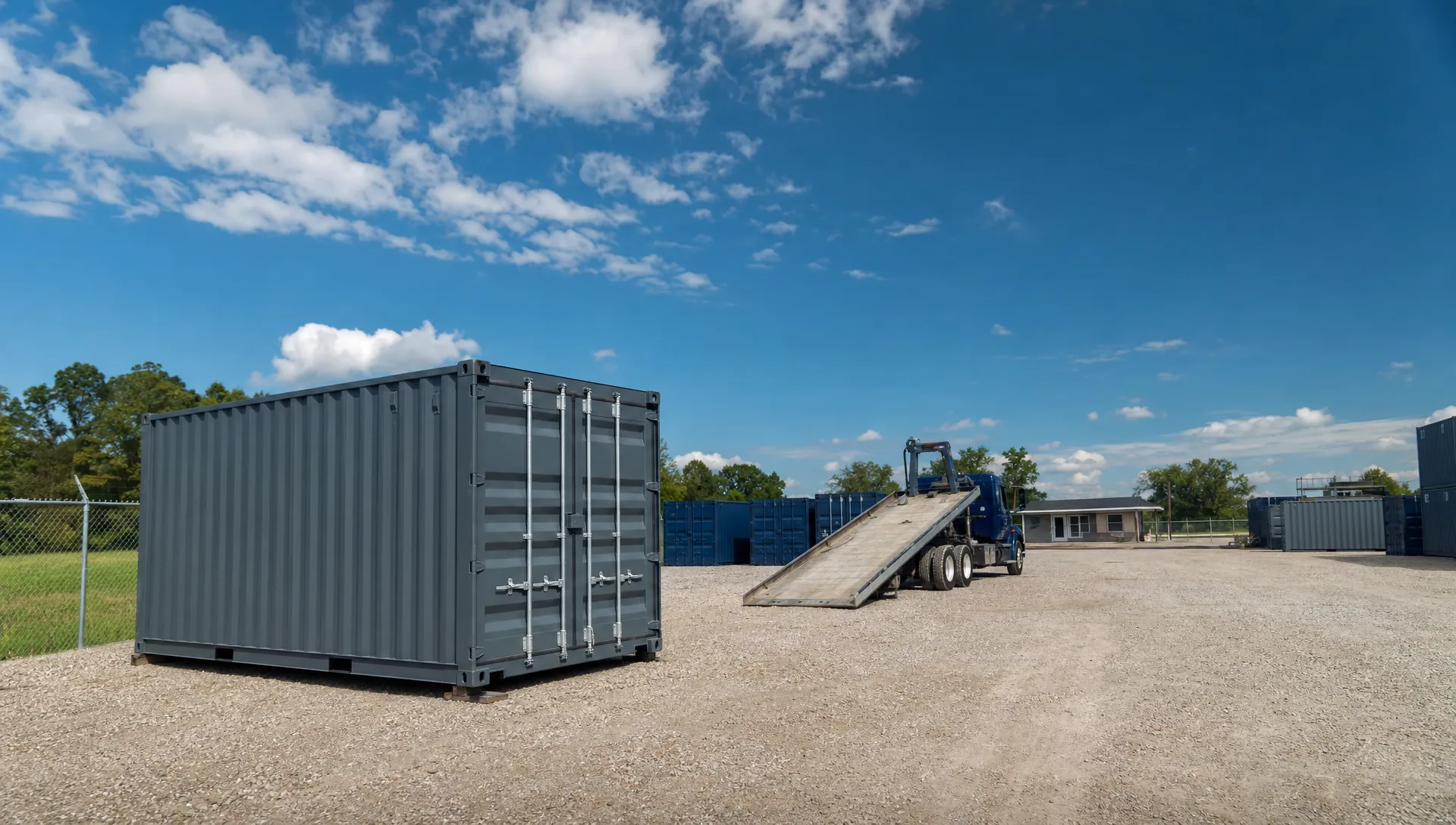
How to Choose a Shipping Container Supplier You Can Trust
Choose a shipping container supplier that verifies its business identity, explains the condition of its containers and gives you a written, delivered quote. Before paying, confirm what you will receive, how it will reach your property and who will resolve any damage or condition dispute. A low advertised price is not enough.
Quick Answer: Trust a supplier when you can verify the seller, review evidence of container condition and understand the full purchase terms. The invoice should identify the container specifications, delivery scope, payment requirements and remedy if the unit does not match the agreement.
Key Takeaways
- Verify the business and payment recipient through independent channels.
- Match the container’s condition grade to storage, transport or conversion needs.
- Compare delivered prices, not just container prices.
- Get delivery responsibilities, warranty coverage and dispute procedures in writing.
Start with a clear buying brief
Ask each shipping container supplier to quote the same size, condition and delivery location. Otherwise, you may compare a used storage unit with a one-trip container or mistake a pickup price for a delivered price.
Describe the intended use first. Secure farm storage, an export shipment and a shipping container home require different evidence and support.
Compare size and suitability
Standard dry containers commonly have these exterior dimensions. Actual interior space and door openings vary by manufacturer and design, so request specifications for the unit you plan to buy.
| Container type | Typical exterior dimensions | Main buying consideration |
|---|---|---|
| 20ft standard | 20ft long × 8ft wide × 8ft 6in tall | Smaller footprint for storage or a compact workshop |
| 40ft standard | 40ft long × 8ft wide × 8ft 6in tall | More storage length, with greater delivery and placement demands |
| 40ft high cube | 40ft long × 8ft wide × 9ft 6in tall | Extra height for bulky equipment or conversion planning |
A high cube adds 12 inches of exterior height compared with a standard-height unit. Insulation, framing and finished flooring will reduce usable interior space during a container conversion.
Give the seller your ZIP code, intended placement area and desired delivery window. For remote properties, disclose access restrictions before requesting a firm delivery price.
For a home, office or retail build, ask whether the seller supplies the steel shell, a modified container or a finished modular structure. Those are different scopes of work, with different contracts and permitting responsibilities.
Verify the shipping container supplier behind the quote
A legitimate business should be easy to identify beyond its advertisement. Verify its legal name, contact information and the entity named on the invoice before sending money.
Check identity and payment details independently
Search the relevant state business registry when applicable. Registration supports an identity check, but it does not prove inventory ownership, product quality or reliable delivery.
Read reviews across more than one platform. Look for details about deliveries, condition disputes and refunds rather than relying only on star ratings.
If bank instructions change, call a number you independently verified. Do not use only the phone number included in the message announcing the change.
The Federal Trade Commission’s online shopping guidance explains how to research sellers and payment protections. Ask what protection your proposed payment method actually offers, since protections differ by transaction type.
Establish who controls the inventory
Your shipping container supplier should explain whether it owns stock, sources units from depots or arranges sales through another company. Each model can work, but the seller should identify who is responsible for fulfilling your order.
Ask whether the quote reserves an exact container or a container that meets an agreed grade. Representative photos can explain a product category, but they do not prove the condition of the unit that will arrive.
Request recent unit photos when available, or a written condition standard when allocation happens later. Also ask whether you can review the assigned unit before dispatch and what happens if it does not meet the agreement.
For more detail on payment warning signs, use this guide to buying containers online without falling for a scam.
Require evidence for condition and certification
Container labels are useful only when the seller explains what they mean. Separate cosmetic condition, weather resistance and suitability for freight service.
Understand one-trip, WWT and cargo-worthy grades
A one-trip container has generally carried cargo on its initial journey from the manufacturing region. It is not necessarily unused, and minor handling marks can still occur.
WWT means wind and watertight. It describes weather resistance, but it does not by itself establish approval for international freight or suitability as a habitable building.
Cargo-worthy, sometimes labeled CW or CWO, describes suitability for cargo service under the seller’s inspection standard. For an actual shipment, confirm the survey and documentation required by your carrier rather than relying on the sales label alone.
For example, Outback lists a gray one-trip 20ft New Shipping Container, Wind & Watertight, Gray described as wind and watertight and cargo-worthy. Use those specifications to compare quotes, then confirm availability, inspection details and delivered cost before ordering.
Separate condition promises from transport documentation
Ask the shipping container supplier what supports each condition claim: inspection records, recent photos, a survey or a written guarantee. Request views of the roof, floor, door seals, corner posts and lower rails, not just the exterior paint.
An ISO container designation concerns relevant technical standards. It is not a blanket warranty that a used unit remains structurally sound or has current transport approval.
The International Maritime Organization’s Convention for Safe Containers addresses safety approval and examination of freight containers. A CSC plate alone does not establish that all required examinations are current or that a carrier will accept the unit.
Also distinguish tare weight from payload capacity. Tare weight is the empty container’s weight; payload is the permitted cargo weight within its rated limits. Obtain unit-specific figures from the plate and documentation, and check separate road, handling and site restrictions.
Compare delivered quotes and contract terms
A shipping container supplier should let you compare the complete transaction before requesting payment. An attractive container price can become expensive when delivery, unloading or placement falls outside the quoted scope.
Identify every possible charge
Ask for the total delivered cost to your address. The quote should explain which charges are included, which are conditional and how long the offer remains valid.
Check these items before comparing suppliers:
- Container price, size and condition grade.
- Delivery charge, unloading method and placement scope.
- Applicable taxes and payment-related fees.
- Possible waiting, failed-delivery, redelivery or special-equipment charges.
- Any separate modification, permit or site-preparation costs.
If you are buying several units, request a written multi-unit quote. Confirm whether savings apply to the containers, transport or both, and whether multiple deliveries are required.
For financing, compare the total repayment amount as well as the monthly payment. Ask about the APR, term, fees and ownership arrangements without assuming every financing option works the same way.
Read the remedy, not just the warranty headline
Ask your shipping container supplier who handles a leak, damaged door or incorrect unit after delivery. A useful written guarantee explains coverage, exclusions, reporting deadlines and the process for repair, replacement or another remedy.
Clarify who pays transport costs if a container must be collected or exchanged. A replacement promise is less useful if the buyer faces an unexpected hauling bill.
The order should also address substitutions, cancellation and delivery timing. If the seller cannot reserve an exact unit, require equivalent specifications and a clear approval process for material changes.
Keep the quote, invoice, condition description and relevant messages together. Written records make disagreements easier to resolve than a verbal promise about what a “good used container” means.
Test delivery and after-sale accountability
Delivery is part of the purchase, not a separate detail to solve later. A sound container can still become a costly problem if the truck cannot reach the site or the placement method does not fit your property.
Confirm access and placement before dispatch
Before booking, have the shipping container supplier review access information with the delivery team. Ask for requirements specific to the truck and unloading method they plan to use.
Provide photos and measurements covering these conditions:
- Gate width, narrow turns and driveway slope.
- Overhead wires, branches and other height restrictions.
- Ground firmness, drainage and recent rain conditions.
- Placement direction, door orientation and available unloading space.
Do not assume that truck access means successful unloading. A tilt-bed truck needs room to position and unload, while crane or forklift delivery creates different equipment and ground requirements.
For rural routes or deliveries involving freight transfers, confirm every delivery leg and the final unloading responsibility. Ask who can approve a change if the driver finds conditions different from those described.
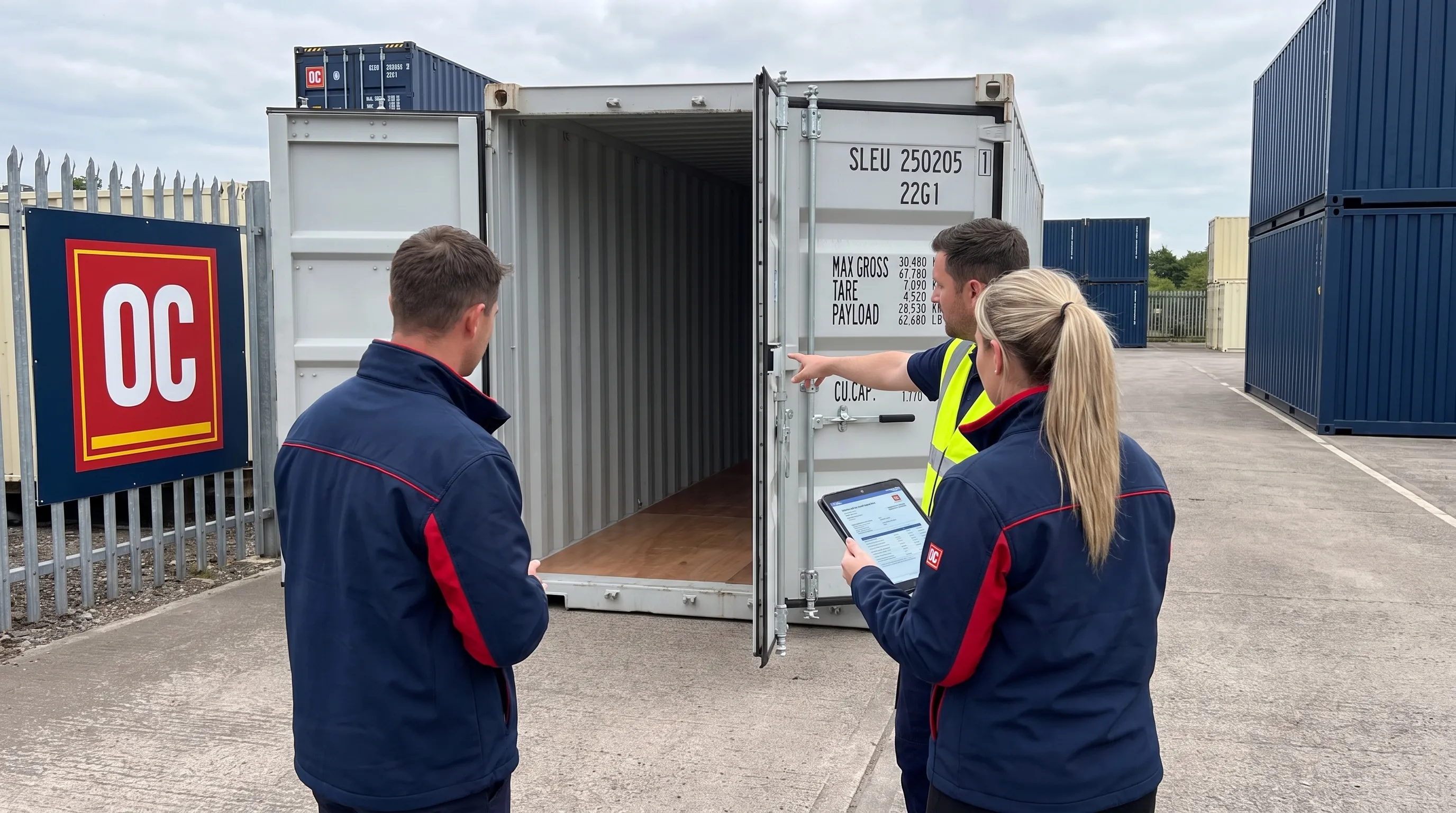
If a one-trip 20ft unit fits your project, compare the second gray 20ft New Shipping Container, Wind & Watertight, Gray listing with your written requirements. Request a delivered quote for your location rather than assuming another listing has identical availability or logistics.
Agree on the delivery acceptance process
Establish an acceptance process before the truck arrives. Ask whether you can inspect the unit before unloading, how to document exceptions and whom to contact if the container differs from the order.
At delivery, photograph the container number, exterior, doors and any visible damage when safe to do so. Compare the size and condition with the purchase documents, and report concerns through the agreed channel promptly.
Ask how unresolved issues should be recorded on the delivery receipt. Never put yourself in danger around the truck or lifting equipment to complete an inspection.
For a closer look at placement planning, review how to choose shipping containers for local delivery. Foundation, anchoring and permit requirements vary by state and county, so consult local authorities and qualified professionals before installation.
Use a supplier scorecard before committing
Choose a shipping container supplier based on evidence you can retain. A friendly sales conversation helps, but it should lead to clear documents and an accountable point of contact.
Use this scorecard for your final comparison. Treat an unresolved essential item as a reason to pause, not as a small discount opportunity.
| Check | Evidence to request | Reason to pause |
|---|---|---|
| Business identity | Consistent legal name, invoice and payment recipient | Unexplained differences between entities |
| Inventory commitment | Exact unit or written allocation standard | Unclear ownership or fulfillment responsibility |
| Condition | Photos, inspection basis and grade definition | Claims unsupported by evidence or terms |
| Delivered price | Itemized quote for your address | Major charges left unspecified |
| Delivery plan | Method, access requirements and unloading scope | No review of known site restrictions |
| After-sale support | Written remedy and named contact | No clear dispute or warranty process |
For a custom build, add the scope of drawings, engineering, finishes and permit support. Ask which work is included and which tasks remain your responsibility.
A cargo container or conex box can provide a useful starting shell, but it does not automatically become code-compliant housing. Large openings, stacked layouts and removed walls may require structural reinforcement and engineering review.
Compare sellers on the same documented scope. A slightly higher quote may be more useful if it clearly includes delivery and a workable remedy, but price alone does not prove better service.
Frequently asked questions
How do I find a reliable shipping container supplier?
Verify the seller’s identity, compare recent customer experiences and request written condition and delivery terms. Confirm who receives your payment and who resolves problems after delivery. A reliable seller should explain whether you are purchasing an exact unit or a container allocated to an agreed specification.
How much does a 20-foot shipping container cost?
The price depends on condition, location, availability and delivery requirements. A used 20ft unit and a one-trip unit are not equivalent purchases. Request a current, itemized quote for your address, then compare taxes, unloading and potential access charges. This guide does not quote unverified current prices.
Is a wind and watertight container the same as cargo-worthy?
No. Wind and watertight describes protection against weather entry, while cargo-worthy concerns suitability for freight service under an inspection standard. A unit may carry both descriptions, but neither replaces the transport documentation your carrier requires. Ask for the inspection basis and confirm acceptance before booking a shipment.
Can I safely buy a shipping container online?
Yes, if you verify the business and understand the payment and delivery terms before ordering. Ask your shipping container supplier whether photos show the actual unit or representative stock. Check payment protections, confirm any changed banking details independently and keep the agreed specifications with your purchase records.
Can shipping containers be stacked?
Some intermodal containers are designed for stacking in freight service under specified conditions. That does not make every used, damaged or modified container safe to stack on a property. Have a qualified structural engineer assess the units, connections and foundation, and confirm applicable requirements with local authorities before proceeding.
What should I ask a supplier before buying a container for a home?
Ask about structural condition, known cargo history, floor treatments and available documentation. Clarify whether the purchase includes only the shell or conversion work, drawings and engineering. Building codes and zoning vary by state and county. Consult the local building department before buying, since a container’s freight rating does not establish residential compliance.
Choose a seller who puts the details in writing
The strongest purchase is one you can explain clearly: what you are buying, what it will cost, how it will arrive and what happens if something goes wrong. Resolve those points before making a payment.
Outback Shipping Containers offers new, used and custom containers, nationwide delivery and financing options. For leasing needs, ask about LeaseLink Containers, its leasing arm. When you are ready, explore available containers with Outback Shipping Containers and request a delivered quote matched to your project and property.