How to Choose Shipping Containers for Local Delivery
By Outback Shipping Containers · Published July 28, 2026 · Last updated October 18, 2026
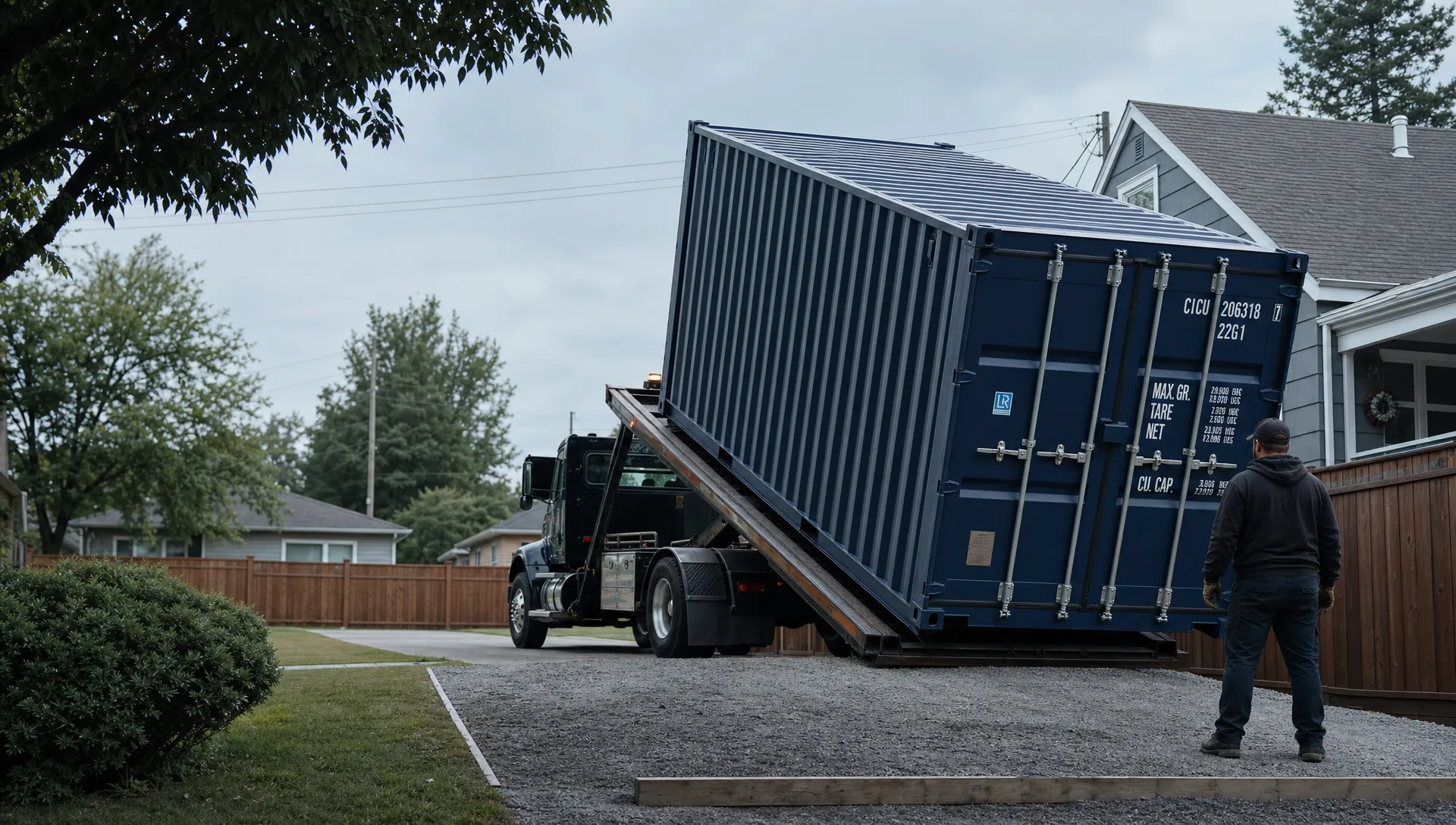
Shipping Containers for Sale Near Me: How to Choose for Local Delivery
If you are searching for shipping containers for sale near me, choose the container by use case, size, condition grade, delivery access, and total delivered cost, not just the closest seller. A good local delivery plan starts before you buy. Measure the site, confirm truck access, ask for photos or inspection details, and make sure the quote includes delivery, offload, and any special equipment.
Quick Answer: For local delivery, most first-time buyers do best with a 20ft or 40ft wind and watertight container from a supplier that can confirm the unit condition, delivery method, truck clearance needs, and all-in delivered price before payment.
Key Takeaways
- Choose the container around the job: storage, job-site office, workshop, cold storage, or container conversion.
- A 20ft container is easier to place in tight residential or farm sites, while a 40ft container gives better cost per square foot when access is clear.
- Ask for condition terms in writing, such as one-trip, cargo-worthy, CWO, WWT, refurbished, or as-is.
- Local delivery depends on truck access, overhead clearance, ground conditions, and where the doors should face.
- The lowest container price is not always the best deal. Compare the total delivered price and seller reputation.
How to Evaluate “Shipping Containers for Sale Near Me” for Local Delivery
A nearby seller can be helpful, but distance alone does not make a good purchase. The best local supplier is the one that can source the right ISO container, inspect it, price it clearly, and deliver it safely to your site.
Shipping containers are also called cargo containers, conex boxes, intermodal containers, and ISO containers. These terms often mean the same basic steel container, but the condition and intended use can vary a lot.
When comparing local options, ask five questions first:
- What exact size and height is available?
- Is the unit new, used, cargo-worthy, wind and watertight, or refurbished?
- Is the container suitable for storage only, transport, or conversion?
- What delivery truck will be used, and how much room does it need?
- Does the quote include delivery, taxes, offload, and any site-specific charges?
If a seller cannot answer these questions clearly, slow down. Scams and surprise fees are common in the container market. A real supplier should be able to explain the grade, the delivery plan, and the payment process in plain English.
Standards matter too. ISO container standards help define the dimensions, corner fittings, and handling requirements that make containers usable across ships, rail, and trucks. You can review the broader standards work through the ISO technical committee for freight containers. For buyers, the practical point is simple: standard dimensions make delivery and modification easier.
Choose the Right Container for the Job
Before you compare prices, define the job. A container used for lawn equipment does not need the same features as a container home shell, reefer, or mobile office.
Storage for homes, farms, and small businesses
For general storage, a wind and watertight container is often the practical choice. WWT means the container should keep out normal rain and wind when the doors are closed and gaskets are intact. It is common for used storage containers to have dents, surface rust, faded paint, or floor wear.
A 20ft conex box is popular for residential driveways, farm storage, and small business inventory. It provides useful space without requiring as much delivery room as a 40ft container.
A 40ft container works well when you need storage for equipment, materials, hay supplies, retail inventory, or construction tools. It gives much more interior volume, but you need a longer, straighter delivery path.
Job-site offices and workshops
Contractors often need fast, secure space on active job sites. A standard dry container can be used for tool storage, while a modified container office can provide workspace, plan review space, or a break area.
For workshops, high cube containers are worth considering. A high cube is 9 feet 6 inches tall on the outside, compared with 8 feet 6 inches for a standard-height container. That extra foot helps if you plan to add insulation, lighting, storage racks, or overhead clearance for work.
If you need to compare specialty units, including high cube, reefer, open-top, and office containers, review this guide to the types of shipping containers and when to use each.
Container homes, cabins, and conversions
A container conversion needs a higher level of planning. You are not just buying a steel box. You are buying the base structure for a building project.
For a shipping container home, tiny home, cabin, or Airbnb unit, focus on structural condition, wall and roof integrity, insulation plans, local zoning, and code requirements. Permits vary by city, county, and state. Always check with your local building department before buying land, cutting openings, or starting a build.
One-trip containers are often preferred for clean container conversion projects because they usually have less wear than older used containers. Used containers can still work, but they need a careful inspection before modification.
Compare Sizes Before You Schedule Delivery
Container size affects usable space, price, delivery access, and long-term value. Most buyers compare 20ft and 40ft units first, but 10ft, 40ft high cube, and 45ft high cube containers may fit certain jobs better.
Dimensions and weights vary by manufacturer, build year, and condition. The numbers below are typical industry figures, not a substitute for the exact spec sheet on the unit you buy.
| Container size | Typical exterior dimensions | Typical empty weight | Best fit | Local delivery notes |
|---|---|---|---|---|
| 10ft standard | 10 ft x 8 ft x 8 ft 6 in | About 2,600 to 3,000 lb | Tight yards, small storage, retail kiosks | Easier to place, but availability can be more limited |
| 20ft standard | 20 ft x 8 ft x 8 ft 6 in | About 4,800 to 5,300 lb | Home storage, farms, small business inventory | Often the easiest full-size container to deliver locally |
| 40ft standard | 40 ft x 8 ft x 8 ft 6 in | About 8,000 to 8,800 lb | Large storage, equipment, construction sites | Needs more straight-line space for tilt-bed delivery |
| 40ft high cube | 40 ft x 8 ft x 9 ft 6 in | About 8,500 to 9,200 lb | Workshops, container homes, tall equipment | Check overhead wires, trees, gates, and total truck height |
| 45ft high cube | 45 ft x 8 ft x 9 ft 6 in | About 10,000 lb or more | Large modular builds, commercial storage | Requires the most planning and may need special routing |
For most homeowners, a 20ft container is the safest starting point. It fits many driveways, rural lots, and small business yards. If you want more detail on that size, this guide explains how to buy a 20ft shipping container without overpaying.
For contractors and property owners with open access, a 40ft unit can be the better long-term value. You get about twice the length while still using a standard 8ft width. The tradeoff is delivery space.
As a rough planning rule, many tilt-bed deliveries need 100 feet of straight space for a 20ft container and 120 feet for a 40ft container. The exact requirement depends on the truck, trailer, slope, surface, and driver judgment.
New, Used, CWO, and WWT: What Condition Grade Means
Condition grade affects price, appearance, service life, and risk. It also affects whether the container is suitable for storage, shipping, or modification.
The terms below are common in the market, but sellers do not always use them the same way. Get the grade in writing and ask what it includes.
| Condition term | What it usually means | Best for | What to check |
|---|---|---|---|
| One-trip | Used for one overseas trip or limited cargo movement | Clean storage, homes, offices, premium builds | Minor dents, paint scuffs, door operation |
| Cargo-worthy or CWO | Structurally suitable for cargo use when properly certified | Export, heavy storage, long-term use | CSC plate status, floor, frame, roof, doors |
| Wind and watertight or WWT | Keeps out normal wind and rain, usually not certified for export | On-site storage, farms, construction tools | Door gaskets, roof holes, rust, patches |
| Refurbished | Used container repaired and often repainted | Cleaner storage, business sites, retail use | Repair quality, paint prep, rust treatment |
| As-is | Sold with known or unknown defects | Low-budget noncritical uses | Holes, leaks, doors, floor rot, title/payment risk |
A one-trip container costs more than a used WWT unit, but it often saves money on prep work if appearance matters. A used WWT container can be a smart buy for job-site storage if it has solid doors, floors, and roof panels.
For a deeper comparison of condition grades, use cases, and budget tradeoffs, see this guide to new vs used shipping containers.
If you plan to ship cargo internationally, ask about cargo-worthy certification and CSC plate requirements. If you only need ground storage, an active CSC plate may not matter. The right choice depends on how you will use the container.
Plan the Delivery Site Before You Pay
Local delivery fails most often because the site was not ready. The container may be perfect, but the truck still needs safe access and enough space to unload.
Start by choosing the exact placement area. Mark the four corners with cones, stakes, paint, or buckets. Then decide which way the doors should face. Door direction matters more than many buyers realize. A container placed backward can make daily use frustrating.
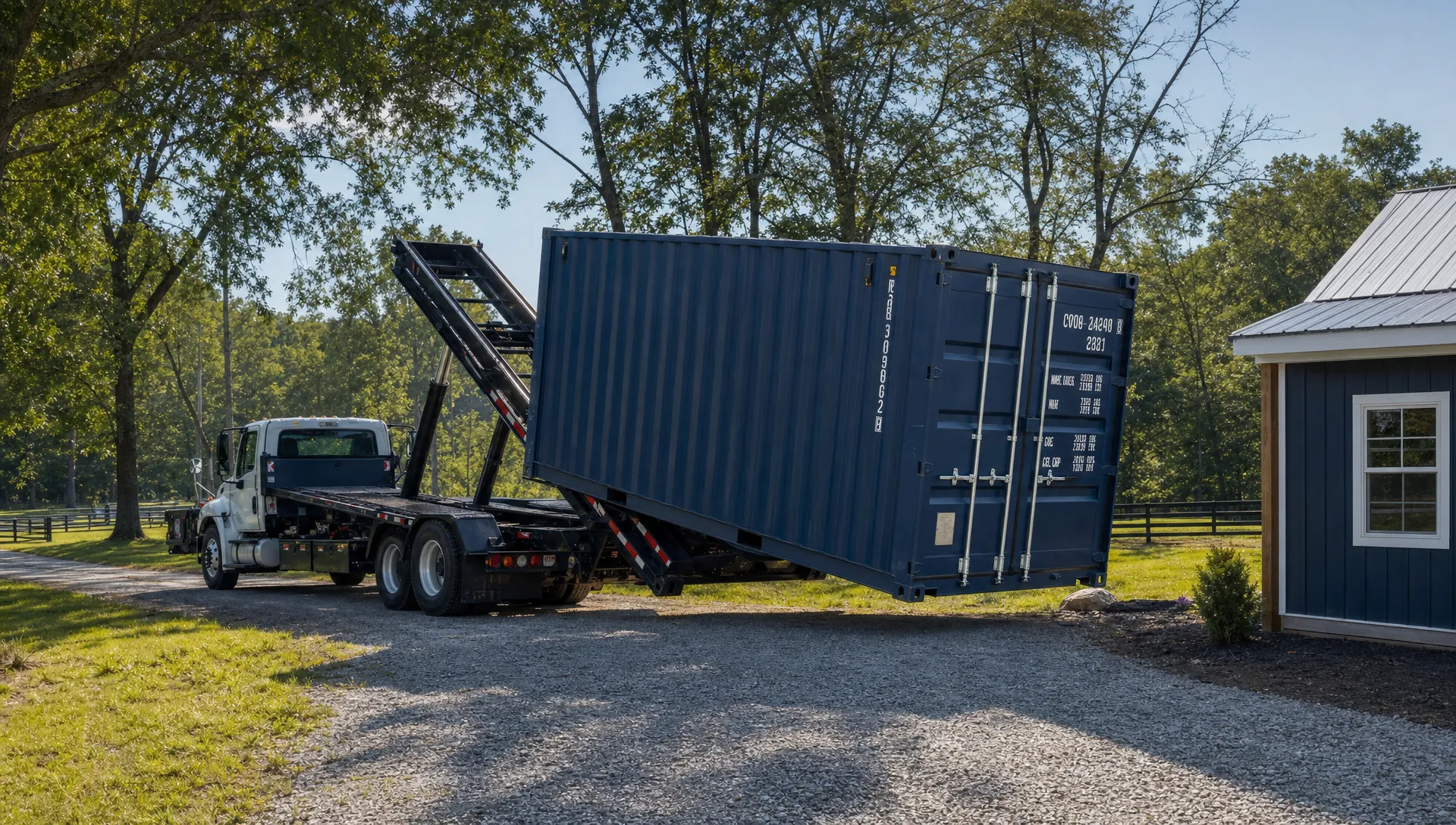
Your delivery site should be firm, level, and accessible. Gravel, asphalt, concrete, and compacted soil usually work better than soft grass or loose mud. If the truck sinks, the delivery may be delayed or require extra equipment.
Before delivery day, check these site details:
- Straight-line truck space for the container size and delivery method.
- Overhead clearance from tree limbs, utility lines, roof edges, and signs.
- Gate width, driveway turns, culverts, bridges, and soft shoulders.
- Underground septic tanks, drain fields, irrigation lines, and utilities.
- Slope, drainage, and the risk of standing water under the container.
A container should not sit directly in mud if you want long service life. Many buyers use railroad ties, concrete blocks, compacted gravel pads, or concrete piers to lift the container slightly and improve airflow. The goal is to keep the floor dry and reduce corrosion.
Delivery equipment varies by supplier and location. Tilt-bed and roll-off trucks are common for simple placements. A Landoll trailer may be used for heavier or longer units. A crane, forklift, or side-loader may be needed for tight sites, stacked placement, or locations where a tilt-bed cannot back in.
Cargo securement is also part of safe transport. The Federal Motor Carrier Safety Administration cargo securement rules explain the broader safety framework for securing heavy cargo on public roads. Your supplier and carrier should handle this, but it shows why professional delivery matters.
Understand the Real Delivered Price
A container quote is only useful if it includes the full delivered cost. A low advertised price can grow fast if delivery, fuel, offload, remote access, taxes, or special equipment are not included.
When you ask for a quote, provide the delivery ZIP code, container size, preferred condition, placement notes, and photos of the driveway or site if possible. The more the seller knows up front, the fewer surprises you face later.
A complete local delivery quote should explain:
- Container size, height, and condition grade.
- Whether the unit is new, used, refurbished, CWO, or WWT.
- Delivery address or ZIP code used for pricing.
- Delivery method, such as tilt-bed, roll-off, Landoll, or crane support.
- Offload terms and whether exact placement is included.
- Taxes, card fees, financing terms, or deposits if applicable.
- What happens if the site is not accessible on delivery day.
Container prices move with supply, season, steel markets, port inventory, and regional demand. Rural delivery can also change the final cost because the truck may need more time, fuel, or routing support.
This is where a nationwide supplier can help. Outback Shipping Containers serves all 50 states with new, used, and custom containers, plus delivery support for urban, rural, and remote sites. If you are comparing local options and want a clear starting point, review available container options through Outback Shipping Containers before you commit to a local quote.
If cash flow is a concern, ask about financing or rent-to-own options. Leasing may also make sense for short projects, seasonal storage, or temporary job sites through LeaseLink Containers, the leasing arm of Outback.
Inspect the Container and Verify the Seller
Inspection is your best protection. If you cannot inspect the exact unit in person, ask for recent photos or video of the actual container, not just a sample unit.
Look closely at the roof, doors, floor, corner posts, and underside. Roof dents are common, but deep dents that hold standing water can become leak points. Door gaskets should be flexible enough to seal. Hinges should move without major force.
Check the floor for soft spots, rot, heavy oil stains, chemical odors, or delamination. Most container floors are marine-grade plywood, often treated for durability. For storage, the floor should feel solid underfoot.
For used containers, some rust is normal. The issue is depth and location. Surface rust is usually cosmetic. Heavy corrosion around the bottom rails, corner posts, roof seams, or door frame can shorten the container’s life.
Use this quick inspection checklist before you pay:
- Doors open, close, and latch without extreme force.
- Door gaskets are present and not badly cracked or missing.
- Roof has no visible holes, daylight, or major water-holding dents.
- Floor is solid, dry, and free of serious soft spots.
- Walls and corner posts are not badly bowed or cut.
- Bottom rails are not deeply rusted through.
- Seller provides clear payment terms, delivery terms, and contact details.
Also verify that the seller is real. Be cautious with prices that are far below the market, pressure to pay by wire only, no physical business information, or refusal to provide documentation. Many container scams use stolen photos and fake local listings.
A reputable supplier should be willing to discuss condition honestly. Used containers are not perfect, and good sellers do not pretend they are. The goal is to match the unit to the job at a fair delivered price.
Match the Container Type to Local Delivery Limits
Some containers are simple to deliver. Others need more planning. The more specialized the container, the more important it is to confirm site access before purchase.
A standard dry container is the simplest choice for storage. It has no refrigeration unit, plumbing, or complex modifications. That makes delivery easier and keeps the total cost lower.
A high cube container gives extra height, which helps for workshops, homes, and equipment storage. The tradeoff is overhead clearance. A 40ft high cube on a trailer can be tall enough to make low branches, wires, and building overhangs a problem.
A reefer container provides insulated cold storage, but it is heavier and requires power. If you need a refrigerated unit, confirm electrical requirements, access for service, and whether the refrigeration machinery faces the right direction after placement.
A container office or workshop may include doors, windows, insulation, electrical, HVAC, or interior framing. These changes can affect weight and placement. Ask whether the modified unit can be delivered on a standard trailer or needs special equipment.
A container pool, cabin, or home shell needs the most planning. You may need a crane, engineered foundation, building permits, utility trenching, and inspections. Requirements vary by location, so confirm local zoning and code rules early.
The basic rule is simple: the more modified the container, the less you should rely on a generic local delivery quote. Share drawings, site photos, driveway measurements, and placement goals before ordering.
Frequently Asked Questions
How much does it cost to deliver a shipping container locally?
There is no national flat rate for local container delivery. Cost depends on distance from the depot, container size, truck type, fuel, site access, and whether special equipment is needed. Always compare the total delivered price, not just the container price shown in an ad.
What size shipping container is best for home storage?
A 20ft shipping container is usually best for home storage because it balances space and delivery access. It fits many driveways, yards, and rural properties while still holding furniture, tools, lawn equipment, or seasonal items. Choose a 40ft unit if you have open access and need much more volume.
Can a shipping container be delivered to a residential driveway?
Yes, many residential driveways can receive a 20ft container if the surface is firm, the approach is clear, and the truck has enough room to unload. A 40ft container needs 120 ft of straight-line space. Check overhead wires, tree limbs, slope, and local HOA or zoning rules first.
Do I need a permit for a shipping container on my property?
You may need a permit, but rules vary by city, county, state, zoning district, and intended use. Temporary storage often has different rules than a permanent container home, office, or workshop. Contact your local building, planning, or zoning office before buying or placing the container.
Is it better to buy a new or used shipping container?
Buy new or one-trip if appearance, clean condition, and long service life matter most. Buy used WWT or cargo-worthy if you want lower cost and can accept dents, faded paint, and surface rust. For container homes or offices, condition matters more because repairs become harder after modification.
How do I know if a used shipping container is wind and watertight?
Ask for recent photos or inspect the exact unit. Check the roof, door gaskets, seams, floor, and corners. Look for daylight from inside with the doors closed. A WWT container should keep out normal rain and wind, but it may still have cosmetic dents, rust, and prior repairs.
Ready to Choose a Container for Local Delivery?
The right container is the one that fits your use, your site, and your budget after delivery is included. Measure the site, compare condition grades, ask for clear delivery terms, and choose a supplier that can explain the process before payment.
If you are ready to compare new, used, high cube, storage, office, or custom container options, start with Outback Shipping Containers. You can review container choices, request a quote, and get support planning delivery to your property or job site anywhere in the United States.
About Outback Shipping Containers
This guide was prepared by the Outback Shipping Containers team, based on the questions our customers ask us most when buying, modifying and taking delivery of shipping containers. Learn more about us.
Ready to find your container?
Browse our in-stock shipping containers, container homes and custom builds, or ask our team for a free quote with delivery to your site.