Industrial Shipping Containers for Equipment and Inventory
By Outback Shipping Containers · Published October 19, 2026
Industrial Shipping Containers for Equipment and Inventory
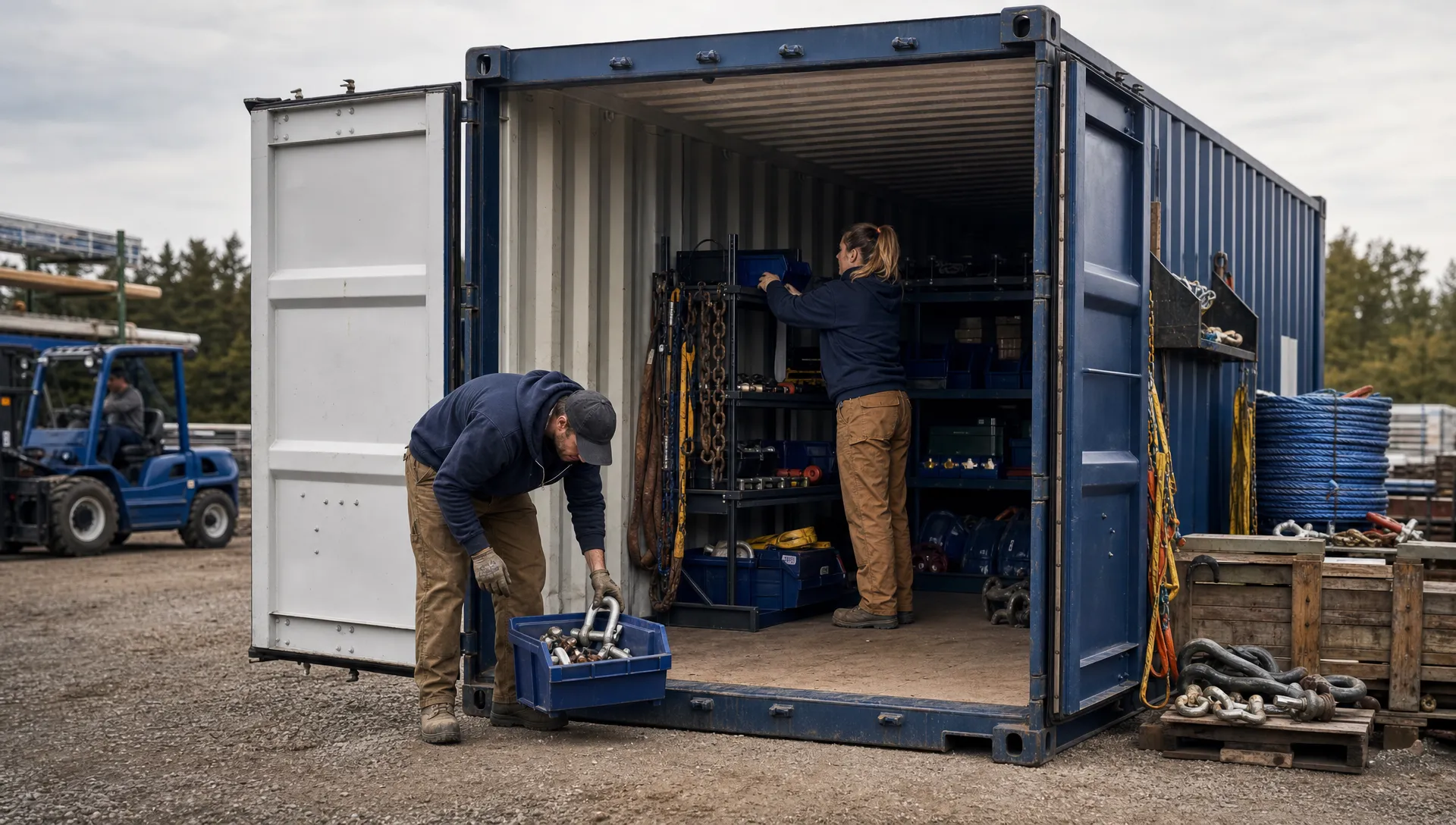
For secure equipment storage and inventory overflow, industrial shipping containers offer durable, movable space without a full warehouse build. Choose a unit by its door clearance, floor condition, access needs and cargo requirements, not just its exterior size. A wind- and watertight container suits many dry-storage jobs, but sensitive stock may need insulation, humidity control or refrigeration.
Quick Answer: A 20-foot container often suits tools, spare parts and smaller equipment. A 40-foot unit provides more room for bulk inventory. Choose a high cube when taller cargo or vertical shelving justifies the extra height, then verify delivery access and local placement rules.
Key Takeaways
- Measure equipment, packaging and handling equipment before choosing a container.
- Match container condition to the value and sensitivity of what you store.
- Plan picking access, floor loads and moisture control before installing racks.
- Compare delivered, ready-to-use costs rather than the container price alone.
The right setup depends on how your operation uses the space. A contractor accessing tools every morning needs a different layout from a distributor storing seasonal cartons. Start with that daily workflow, then select the box.
Choosing industrial shipping containers for your operation
Compare usable space, not just outside dimensions
A container’s advertised length does not describe its usable interior or door opening. Insulation, shelving and interior finishes reduce clear space further.
These are common dimensions for dry containers. They are approximate, so confirm the specifications of the actual unit before ordering.
| Container type | Typical exterior dimensions, L × W × H | Typical interior dimensions, L × W × H | Typical end-door opening, W × H |
|---|---|---|---|
| 20-foot standard | 20 ft × 8 ft × 8 ft 6 in | 19 ft 4 in × 7 ft 8 in × 7 ft 10 in | 7 ft 8 in × 7 ft 5 in |
| 40-foot standard | 40 ft × 8 ft × 8 ft 6 in | 39 ft 5 in × 7 ft 8 in × 7 ft 10 in | 7 ft 8 in × 7 ft 5 in |
| 40-foot high cube | 40 ft × 8 ft × 9 ft 6 in | 39 ft 5 in × 7 ft 8 in × 8 ft 10 in | 7 ft 8 in × 8 ft 5 in |
A standard 20-foot unit provides roughly 148 square feet of interior floor area before fittings. A standard 40-foot unit provides about 302 square feet. Neither figure tells you how much inventory remains accessible after you add aisles and racks.
Check the complete loading path
Measure a machine with its guards, mirrors, exhaust and attachments in place. Then measure its transport configuration if those parts fold or detach. Allow clearance for safe movement rather than planning around an exact fit.
For palletized goods, include pallet overhang and packaging height. Also check whether your pallet jack or forklift can cross the threshold and maneuver inside. A high cube adds height, not width, so it will not solve a wide-equipment problem.
Match condition and certification to the job
When buying industrial shipping containers, condition terms should describe specific capabilities rather than act as broad quality promises. Ask the seller what inspection supports each description and what the written guarantee covers.
| Condition or designation | What it generally means | Buying consideration |
|---|---|---|
| One-trip | A relatively new container that has typically carried one cargo shipment | Usually offers less wear, but still needs inspection |
| Wind and watertight, or WWT | Intended to keep wind and rain out when closed and maintained | Does not establish transport eligibility or climate control |
| Cargo-worthy, or CWO | Assessed as suitable for cargo service under the stated inspection criteria | Confirm the survey scope and intended transport use |
| Refurbished | Repairs or cosmetic work have been completed | Ask exactly what was repaired, replaced or coated |
Used units can work well for rugged tools, metal parts and outdoor equipment. Higher-value packaged goods may justify a cleaner one-trip unit, especially when floor history or odors could affect stock.
Verify transport status and physical condition separately
The International Convention for Safe Containers establishes safety requirements for containers used in international transport. A CSC plate and examination status matter for that use. They do not replace a building permit or establish suitability for every storage application.
Inspect door seals, locking gear, corner posts, roof panels and flooring. Look for water staining, soft spots, strong odors and repairs that need explanation. Request photos of the actual unit where available, not only representative inventory photos.
Our guide to evaluating a used shipping container before purchase explains the seller and condition checks that deserve attention before payment.
Design storage around picking and equipment access
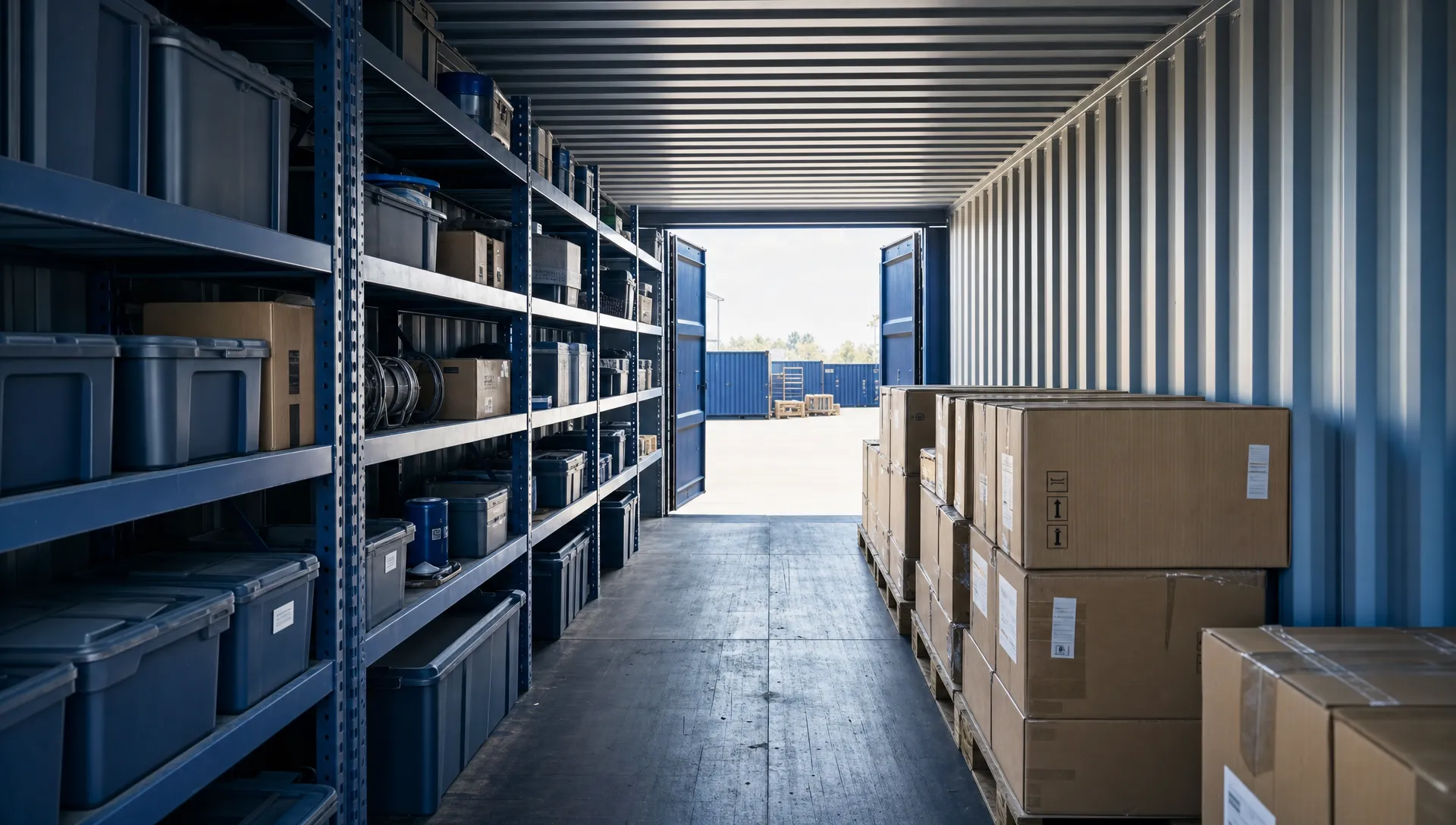
Industrial shipping containers work best when you design the inventory process before filling the floor. Separate items by access frequency, size and handling method. Put daily-use stock near the doors and reserve deeper positions for slower-moving goods.
For mixed inventory, assign each location a simple code, such as left rack, bay two, shelf three. Record that location in your inventory system or stock sheet. Label cartons on the side visible from the aisle so workers do not need to move them to identify contents.
Choose access over maximum packing density
A tightly packed container can hold plenty of stock but become expensive to operate. If workers must unload five pallets to reach one part, the apparent storage savings create handling time and damage risk.
The OSHA materials-handling requirements address adequate clearances, unobstructed aisles and stable storage. Set aisle widths around the actual handling equipment and loads. Do not assume a warehouse layout will transfer unchanged into a narrow container.
For dated goods, arrange stock so older lots remain accessible. Keep returned, damaged or unapproved inventory in a clearly marked area rather than mixing it with available stock.
Check floor and rack loads
Payload capacity is not a floor point-load rating. Tare weight is the empty container’s weight. Maximum gross weight includes the container and its contents; subtracting tare gives the rated payload. Those figures do not tell you whether one small machine foot or a loaded forklift wheel is acceptable.
Ask for the unit’s specifications and assess concentrated loads before moving heavy equipment inside. Racking legs may also need load-spreading bases. Do not attach heavy shelving to corrugated walls or suspend equipment from the roof without a suitable engineered design.
Protect inventory from moisture, theft and unsafe storage
Steel construction alone does not make industrial shipping containers suitable for every product. Rain resistance, temperature control, fire safety and theft resistance are separate issues. Address each one according to what you plan to store.
Control condensation and product exposure
WWT does not mean climate-controlled. Moist air can condense on cold steel even when a container has no roof leak. Damp pallets, wet equipment and recently washed floors can add moisture inside.
Store goods dry, keep cartons off the floor and leave space for inspection along the walls. Use a temperature and humidity logger when rust, mold or packaging damage would be costly. Set acceptable conditions from the product manufacturer’s requirements.
Passive vents may help air exchange, but humid outdoor air can limit their benefit. Sensitive inventory may need a designed insulation and dehumidification system. Refrigerated cargo requires a reefer or another suitable controlled environment, with reliable power and operating checks.
Treat security and hazardous materials separately
Sound doors, maintained locking gear and a protected lock arrangement help secure inventory. Lighting and controlled vehicle access also matter. Keep serial numbers and photographs of valuable tools somewhere other than inside the container.
A standard dry container is not automatically an approved chemical store, fuel locker or battery-charging room. Flammable liquids and other hazardous materials may require ventilation, spill control, separation distances and fire protection. Consult the local fire authority and the relevant workplace requirements before choosing the enclosure.
For active job sites, our guide to safer container storage on construction sites covers additional placement and operating considerations.
If clean floors and limited wear are priorities for packaged stock, review the considerations for one-trip shipping containers for inventory overflow before choosing between new and used units.
Plan delivery, placement and site approval
Before ordering industrial shipping containers, send the delivery provider your site address, entrance details and photos of the approach. Include narrow gates, sharp turns, slopes, overhead wires and soft ground. A route that fits the container may still be unsuitable for the delivery truck.
Confirm the unloading method and door orientation
Ask whether delivery will use a tilt-bed truck, side-loader or crane. Each method needs different working space and ground conditions. Get the carrier’s actual clearance requirements rather than relying on a generic driveway measurement.
Decide which direction the cargo doors must face before dispatch. Leave room for the doors to open fully, equipment to approach and rainwater to drain away. Repositioning a loaded container later can require unloading and another equipment callout.
Prepare stable support and check local rules
A level, stable base helps the doors operate correctly and reduces settlement. The support design depends on soil, drainage, container condition and stored loads. Get site-specific advice for heavy machinery, weak ground, flood exposure or permanent installations.
Permit and zoning requirements vary by state, county and municipality. Ask local authorities about setbacks, screening, duration of placement, fire access and anchoring. Converting storage into an occupied workshop, office or shipping container home can trigger additional building requirements.
Do not stack units or assume they are storm-safe without an engineered plan. Weight alone does not establish adequate resistance to wind, sliding or overturning.
Build a complete cost comparison before buying
The useful price for industrial shipping containers is the delivered, ready-to-use cost. A low container-only quote can lose its advantage once transport, unloading and site work are included. Compare offers with the same size, condition and delivery scope.
Ask for an itemized quote covering the container, freight, unloading, applicable taxes and any inspection or guarantee terms. Separately budget for base preparation, locks, shelving, ramps and moisture control. Electrical work and structural modifications need their own scope.
Compare buying, leasing and multiple units
For long-term use, compare ownership against leasing over the same period. Include delivery, collection, maintenance and any required restoration. LeaseLink Containers is the leasing arm; confirm the actual agreement terms before comparing its total with an Outback Shipping Containers purchase.
For a 12-container project, multiply only the genuinely per-unit charges by 12. Transport depends on delivery method, route and how many units each trip can carry. Site work may include shared costs, while locks and rack systems usually need separate allowances for each box.
A volume order does not guarantee a discount. Ask for a written project quote showing unit condition, delivery sequence and charges for failed or delayed access. Phased delivery can help when the yard cannot receive all units at once.
Compare operating cost as well as purchase price
Include the time employees spend finding and moving stock. A cheaper unit with difficult doors or a poor layout may cost more during daily use. Likewise, a larger container may be poor value if much of its inventory becomes inaccessible.
Check supplier identity, payment instructions and the written order before sending funds. The quote should identify the size, condition, delivery location and process for handling a unit that does not match the agreed description.
Frequently asked questions
What are industrial shipping containers called?
Common names include cargo container, conex box, ISO container and intermodal container. These terms often describe the steel freight boxes used across ships, trucks and rail networks. For purchasing, the name matters less than the unit’s dimensions, condition, door configuration and documented suitability for your storage or transport needs.
What is the average cost of a 20-foot shipping container?
A reliable comparison requires current quotes for your delivery ZIP code, container condition and unloading requirements. One-trip and used units are different products, and transport can change the total substantially. Request an itemized delivered price rather than treating an advertised container-only figure as the complete project budget.
How much would 12 shipping containers cost?
The total depends on size, condition, availability and delivery logistics. Request a project quote that separates the 12 units from freight, unloading, taxes and site preparation. Ask whether pricing assumes one delivery window or several. Bulk purchasing may offer savings, but neither discounts nor reduced freight should be assumed.
Can a tornado pick up a 40-foot shipping container?
Yes. Tornado winds can move, overturn or loft shipping containers. Being heavy does not make a container a safe storm shelter. Engineered foundations and anchoring must match site conditions and design requirements. Use a designated storm shelter or safe room rather than relying on an ordinary storage container for protection.
Do shipping containers keep equipment dry?
A sound wind- and watertight unit helps keep rain out, but it cannot guarantee dry equipment under every condition. Condensation can form when moist air contacts cold steel. Inspect seals and repairs, store equipment dry and choose humidity control based on the sensitivity of the equipment and local climate.
Get a container matched to your stock and site
Before requesting a quote, prepare your equipment dimensions, inventory layout, delivery ZIP code and site photos. Note your heaviest concentrated load and whether the stock needs controlled conditions.
Explore shipping container options from Outback Shipping Containers and request a quote matched to those requirements. Compare condition, delivery and any needed modifications before deciding which unit offers the best working value.
About Outback Shipping Containers
This guide was prepared by the Outback Shipping Containers team, based on the questions our customers ask us most when buying, modifying and taking delivery of shipping containers. Learn more about us.
Ready to find your container?
Browse our in-stock shipping containers, container homes and custom builds, or ask our team for a free quote with delivery to your site.