What Is Included in Your Shipping Container Purchase Cost?
By Outback Shipping Containers · Published October 20, 2026
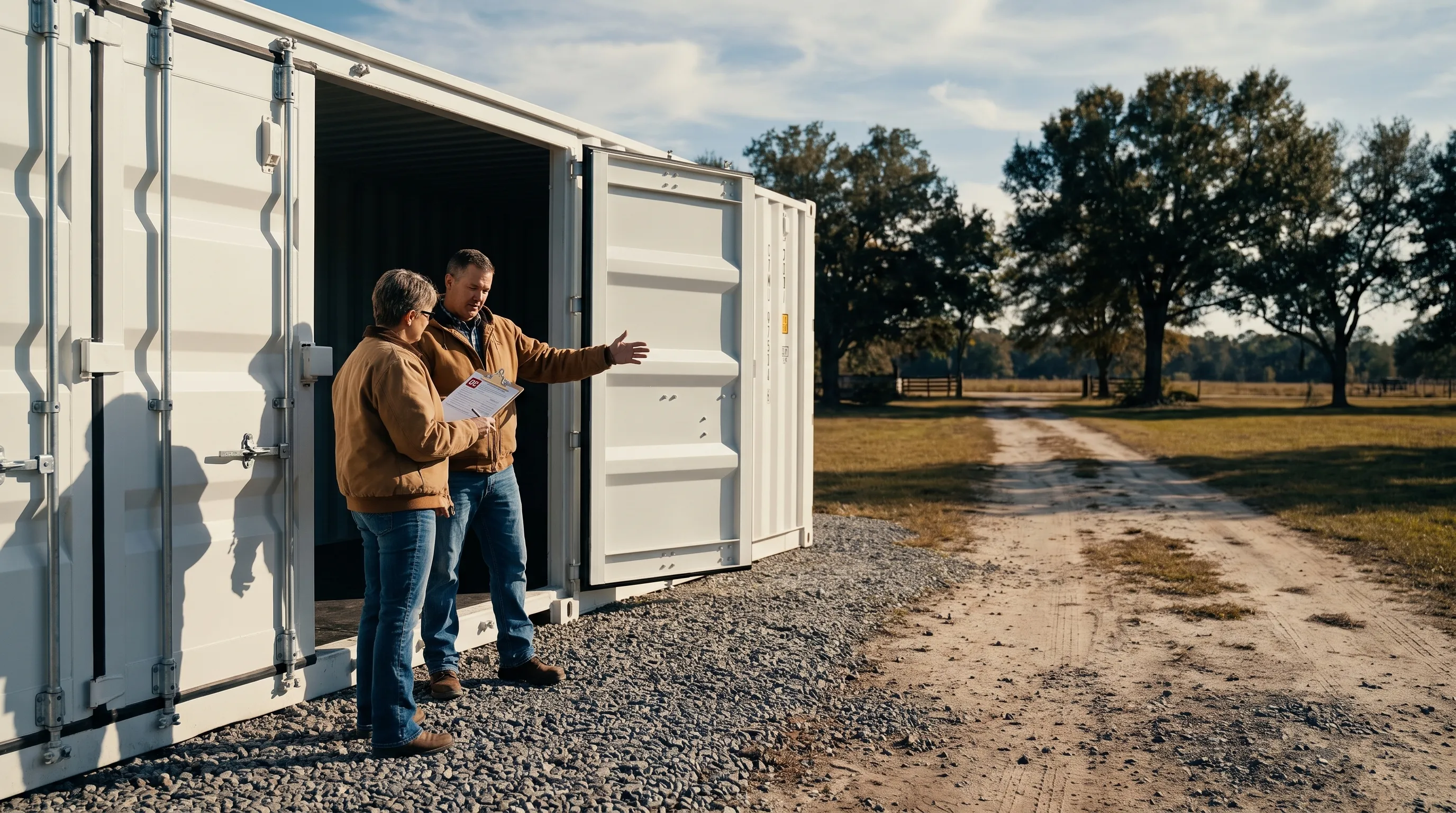
What Is Included in Your Shipping Container Purchase Cost?
Your shipping container purchase cost usually starts with the container itself: its steel shell, doors, floor and standard fittings in the advertised condition. Delivery, unloading, taxes, site preparation and modifications may cost extra. The reliable total is a written, itemized quote for your delivery address and intended use.
Quick Answer: Do not assume the advertised price includes delivery or installation. Ask the seller to separate the container price, transportation, unloading, applicable taxes and any additional work.
A low-priced container may still be a good deal. But a bargain several hundred miles away can become expensive once transportation and placement enter the picture. Compare what you will actually receive on your property, not just the price beside a photograph.
Key Takeaways
- The base price should identify the container’s size, condition and included equipment.
- Delivery and unloading are separate tasks, even when one company handles both.
- Site preparation, permits and conversions need their own budget.
- Financing costs and taxes belong in the final comparison.
- Written condition promises matter more than broad labels such as “good used.”
What does your shipping container purchase cost include?
A clear quote starts with a defined product. “One shipping container” is not enough detail to compare offers or resolve a disagreement later.
The container and its standard components
For a standard dry cargo container, the base purchase normally covers the steel structure, roof, floor, cargo doors, locking bars and corner castings. Door seals and existing ventilation openings are part of the unit, but their condition depends on what the seller promises.
Do not assume the price includes a padlock, lockbox, shelving, electrical wiring or a personnel door. Those are separate items unless the listing or quote includes them.
Ask whether you are buying a specific photographed unit or a container selected from inventory within an agreed grade. Both approaches can work, but the paperwork should make the arrangement clear.
The condition promised at sale
Condition is part of your shipping container purchase cost, not just a description. A low price means little if repairing leaking doors or a damaged floor makes the unit unsuitable for your plans.
| Quote item | What to confirm before paying |
|---|---|
| Container identity | Specific unit number or clearly defined inventory grade |
| Size and type | Length, standard or high cube height, dry or refrigerated design |
| Condition | One-trip, used, refurbished, WWT or cargo-worthy |
| Included equipment | Standard doors and any listed accessories or modifications |
| Inspection and guarantee | What is covered, exclusions and the claim process |
| Transportation | Delivery address, equipment, unloading and placement scope |
“Refurbished” also needs a definition. Fresh paint does not establish that the roof, understructure or door seals are sound. Ask what work was completed and what inspection supports the condition claim.
How size, condition and location affect the base price
Two containers can look similar online but serve very different purposes. Match the specifications before comparing prices.
Compare dimensions, not just length
The following are common nominal external dimensions for standard dry containers. Interior space is smaller because of the walls, floor and roof structure.
| Container type | External length | External width | External height | Nominal footprint |
|---|---|---|---|---|
| 20ft standard | 20 feet | 8 feet | 8 feet 6 inches | 160 square feet |
| 40ft standard | 40 feet | 8 feet | 8 feet 6 inches | 320 square feet |
| 40ft high cube | 40 feet | 8 feet | 9 feet 6 inches | 320 square feet |
A high cube adds 12 inches of external height, which can help when a container conversion needs insulation, ceiling services or taller equipment. It does not add floor area.
Check door openings and interior measurements for the actual unit. A nominal 20ft container does not provide 20 feet of clear interior length.
Understand one-trip, WWT and cargo-worthy grades
A one-trip container has generally carried cargo on one journey after manufacture. It is not necessarily untouched or free of handling marks.
Wind and watertight, commonly shortened to WWT, describes protection against wind and water intrusion. Cargo-worthy, sometimes labeled CWO, addresses suitability for cargo service. Terminology can vary between sellers, so request the written inspection criteria.
WWT is not the same as export approval. If you plan to ship an intermodal container internationally, ask about its CSC plate and current examination status. The International Maritime Organization’s explanation of the Convention for Safe Containers explains the safety approval and examination framework.
When comparing shipping container purchase cost, match the size, grade and pickup location first. Local availability and distance from inventory to your property can change which offer provides better value. For used units, follow a practical shipping container inspection process before accepting cosmetic descriptions as proof of condition.
Delivery includes more than transportation mileage
Getting a conex box to your address is not always the same as placing it where you want it. The quote should describe both transportation and unloading.
Delivery equipment and placement
A tilt-bed truck can unload a container by tilting the bed and allowing it to slide into position. This requires suitable ground and room for the truck to move forward. A flatbed delivery may require separate unloading equipment, such as a crane or an appropriately rated forklift.
Your shipping container purchase cost can rise if the site requires different equipment from what the original delivery quote assumed. Tell the seller about gates, tight turns, slopes, overhead wires, trees and soft ground before dispatch.
Send photographs of the route from the road to the final placement area. Confirm which way the cargo doors should face. A container delivered backward may require another equipment visit to reposition it.
For unusual loads or routes, transport permissions may also affect the quote. The Federal Highway Administration’s truck size and weight overview explains the federal framework, but the carrier must check applicable state and local requirements for the actual move.
Site work and failed-delivery charges
A delivery driver does not automatically provide grading, drainage improvements or a permanent foundation. The container needs a stable support arrangement suited to the ground, loading and intended use.
Uneven support can twist the frame enough to make doors difficult to operate. Water pooling underneath can also create avoidable maintenance problems. Use the shipping container site preparation checklist to identify work that must happen before delivery day.
To calculate a complete shipping container purchase cost, include that preparatory work rather than treating it as a later problem. Ask whether waiting time, failed delivery, redelivery or difficult placement can trigger additional charges. Get those terms in writing before the truck leaves the depot.
Taxes, financing and paperwork belong in the total
The delivered quote is not necessarily the final amount you will pay. Taxes, payment terms and optional services can change the total.
Sales tax and payment charges
Sales tax treatment depends on the transaction and jurisdiction. Ask whether the quote includes applicable tax and whether delivery or modifications affect the taxable amount. Do not assume a farm or business purchase is automatically exempt.
If the seller accepts an exemption, confirm what documentation is required before payment. Also ask about card processing charges, deposits, cancellation terms and the quote’s expiration date.
When financing your shipping container purchase cost, compare the total repayment amount as well as the monthly payment. Review the APR, any fees, repayment term and early-payment conditions. Outback Shipping Containers offers financing options, but the terms of your actual offer should drive the calculation.
Ownership records and written promises
Keep the invoice, payment receipt, bill of sale and written condition terms. The paperwork should identify the seller and describe the unit or agreed inventory grade. If you receive a specific container, record its identification number.
Keep inspection photos and delivery records too. Before paying, ask when ownership and responsibility transfer, how to report delivery damage and what process applies if the container does not match the agreement.
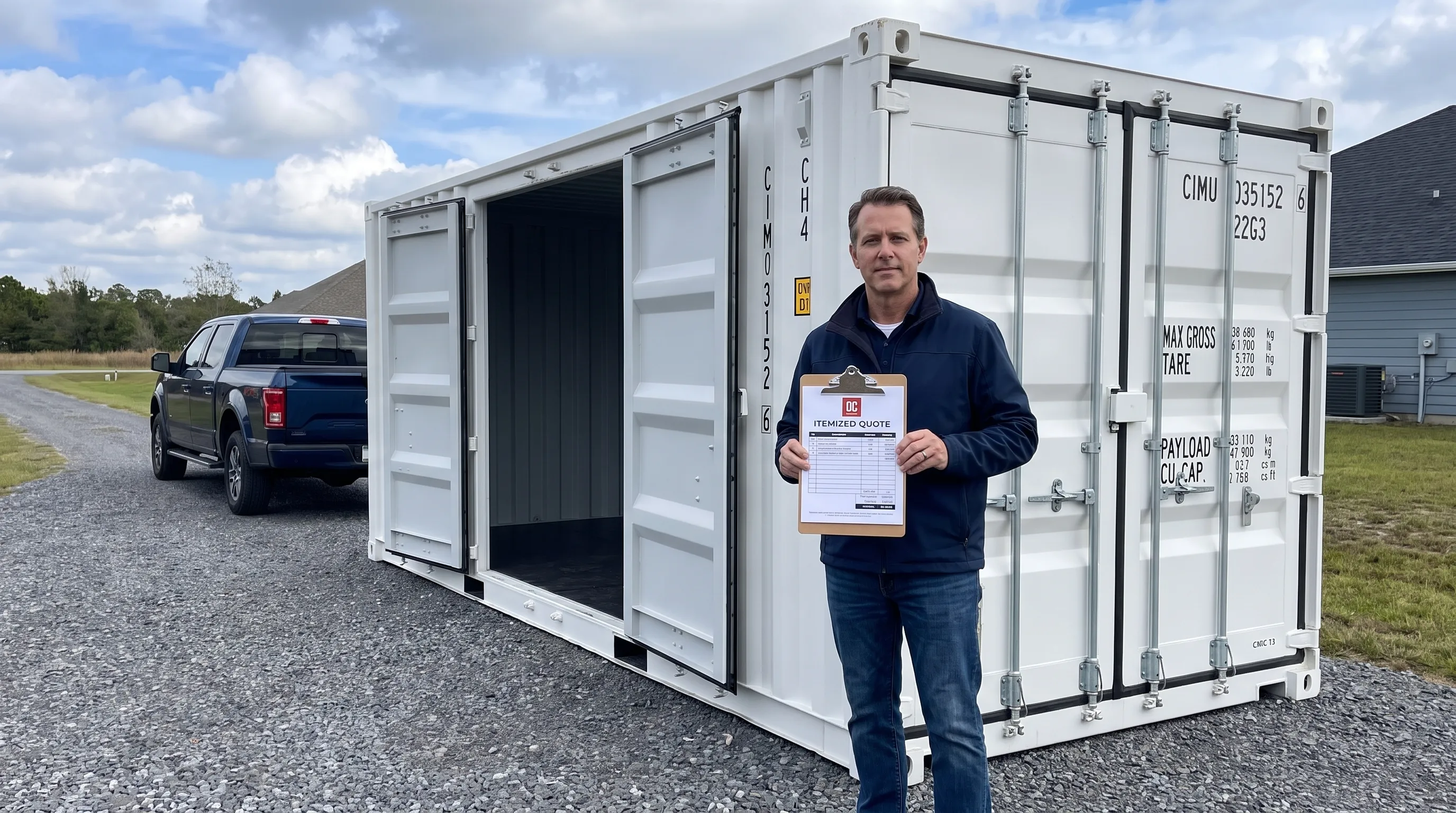
For a defined starting point, consider the 20ft New Shipping Container, Wind & Watertight, White. It is listed as a white one-trip, cargo-worthy unit. Request its current price and a delivered quote for your address so you can compare the same specifications against other offers.
Modifications, permits and operating costs are separate decisions
An empty ISO container is a steel enclosure, not automatically a finished office, workshop or legal dwelling. The project budget can extend well beyond buying and placing the shell.
Insulation and container conversions
Keep conversion expenses separate from your shipping container purchase cost so you can see what buys the shell and what makes it usable. Common additions include windows, personnel doors, electrical work, lighting, HVAC and interior finishes.
Insulation needs a complete wall and roof plan, not just a price per panel. Rigid foam, spray foam and framed insulation assemblies have different installation requirements. Climate, air sealing, condensation control and local energy codes affect the right approach.
Insulation and finishes reduce interior space. Large openings can also change structural behavior, so get qualified design advice before cutting major sections from the walls. A shipping container home may need engineered reinforcement and a foundation designed for the site.
Permits, utilities and ongoing ownership
Permit and zoning requirements vary by state, county and city. Storage, commercial occupancy and residential use can follow different rules. Ask local planning and building officials about setbacks, foundations, utility connections and inspections before buying.
Our overview of shipping container permit requirements by state is a starting point, not a substitute for local approval.
For business storage, review insurance, security hardware and maintenance as well. For occupied space, budget for utility connections and operating costs. A refrigerated container also needs suitable electrical service and operating equipment; buying the enclosure alone does not establish that its refrigeration system meets your needs.
Finally, distinguish tare weight from payload capacity. Tare is the empty container’s weight. Payload is the permitted cargo weight under its rated limits, not a promise that every floor area can support any concentrated load.
How to compare quotes before you pay
An itemized shipping container purchase cost lets you compare sellers on the same scope instead of chasing the lowest headline number. Use one delivery address, one intended use and matching specifications when requesting quotes.
A useful comparison formula is:
Total project cost = container + delivery and unloading + tax and fees + site work + permits + modifications + financing charges.
Not every project needs every line. The point is to mark each item as included, separately priced or not required, rather than leaving it uncertain.
Before authorizing payment, confirm these details:
- The exact container type, dimensions, grade and included accessories.
- Whether photos show your unit or represent a broader inventory grade.
- The delivered price, unloading method and final placement responsibilities.
- Access requirements, delivery scheduling terms and possible extra charges.
- Written condition coverage, exclusions and the claim procedure.
- The final payment amount, ownership records and cancellation policy.
Verify the seller’s business identity and payment instructions independently. A listing photo and a low price do not establish that the seller controls the inventory. Be cautious if payment details change unexpectedly or the seller will not provide a written invoice.
If you are comparing ownership with leasing through LeaseLink Containers, compare both over the same period. Include transportation, return arrangements and the modifications you need. A monthly lease payment and a purchase price describe different commitments, so they should not be compared as if they were equivalent.
Frequently asked questions
How much does a 20-foot shipping container cost?
A 20-foot container’s price depends on condition, location, availability and included services. A one-trip unit and a used WWT unit are not equivalent purchases. For a useful shipping container purchase cost comparison, request current quotes for the same grade and destination, with delivery, unloading and tax shown separately.
Is delivery included when you buy a shipping container?
Sometimes, but never assume it is. A listing may show only the container price, while another offer bundles transportation. Ask whether the quoted delivery includes unloading and final placement. Also confirm access requirements, waiting-time charges and what happens if the driver cannot safely reach the agreed location.
Does wind and watertight mean a container is cargo-worthy?
No. Wind and watertight describes protection against weather intrusion, while cargo-worthy addresses suitability for cargo service. Neither phrase alone confirms current international shipping acceptance. Ask for the seller’s inspection criteria and, if you intend to ship the unit, verify its CSC documentation and examination status with the carrier.
Do I need a permit to put a shipping container on my property?
Possibly. Requirements vary by state, county, city and intended use. A storage container may face different rules from an occupied office or home. Contact local planning and building officials before purchase to confirm zoning, setbacks, foundation requirements and whether temporary placement changes the approval process.
Is insulation included in a shipping container purchase?
Not in a standard unmodified dry container unless the listing specifically includes it. Insulation is usually part of a separate conversion scope, along with air sealing, interior finishes and climate control. Ask for the assembly details and consult local building officials about energy, fire safety and occupancy requirements.
Start with a quote that matches your site
The right shipping container purchase cost is the total for a suitable unit delivered under clear terms. Confirm the condition, prepare the site and separate optional improvements from the basic purchase.
When you are ready, explore shipping containers from Outback Shipping Containers and request a quote for your delivery address. Include your intended use, access photos and preferred size so the quote reflects the job you actually need done.
About Outback Shipping Containers
This guide was prepared by the Outback Shipping Containers team, based on the questions our customers ask us most when buying, modifying and taking delivery of shipping containers. Learn more about us.
Ready to find your container?
Browse our in-stock shipping containers, container homes and custom builds, or ask our team for a free quote with delivery to your site.