Buy Used Shipping Containers With a Simple Checklist
By Outback Shipping Containers · Published July 28, 2026 · Last updated October 20, 2026
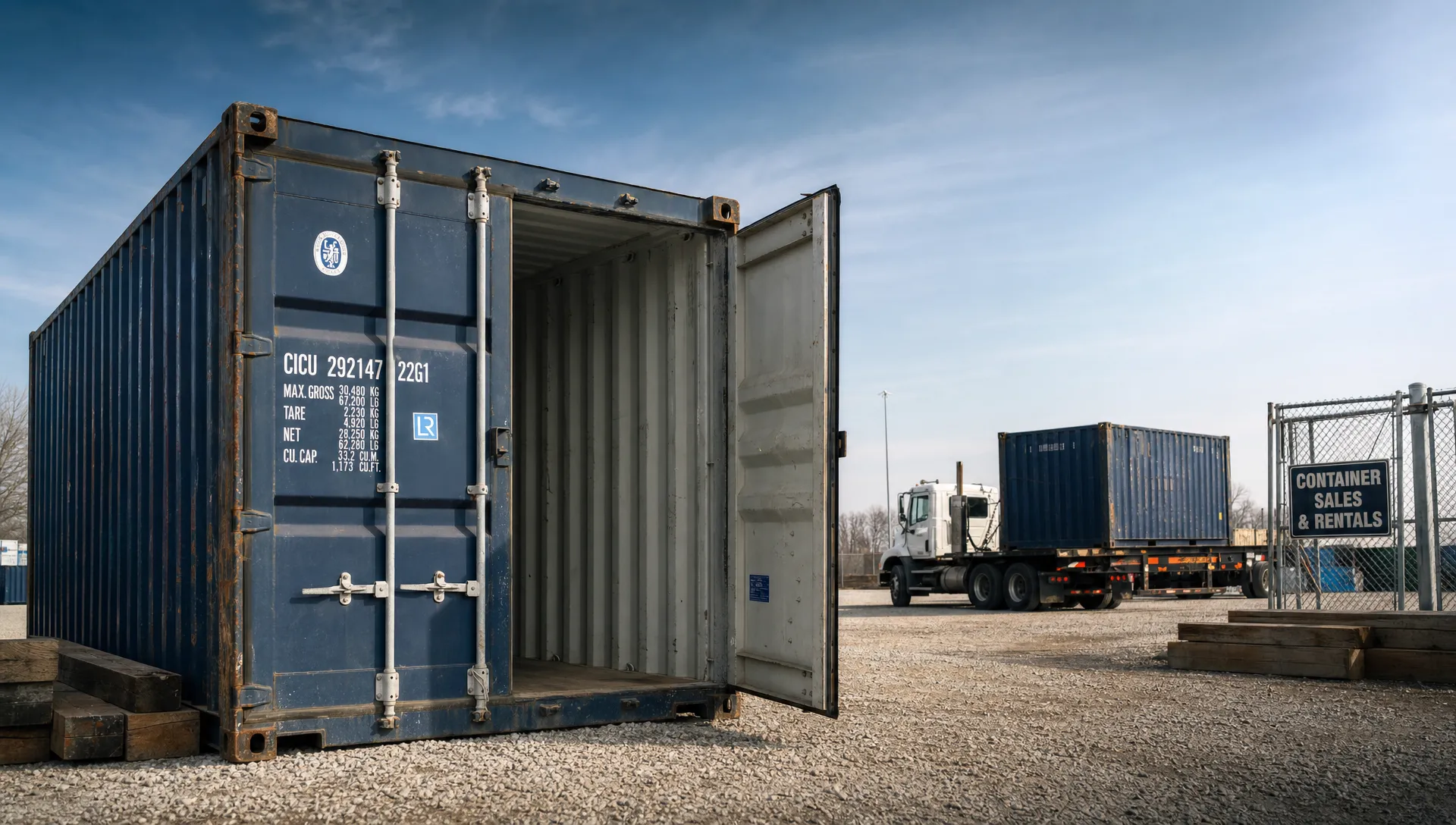
Buy Used Shipping Containers With a Simple Checklist
If you want to buy used shipping containers, use a checklist that covers size, condition grade, inspection, paperwork, total delivered cost, and site access before you pay. A good used container should match your use, be WWT or CWO when security matters, and come from a seller who puts photos, grade terms, and delivery details in writing.
Quick Answer: The safest way to buy a used cargo container is to choose the right size first, confirm the condition grade, inspect the exact unit, verify the container number and plate, price delivery upfront, and prepare a level site before the truck arrives.
Key Takeaways
- Size comes first: A 20ft container is easier to place. A 40ft container gives more storage per foot if you have room.
- Grade matters: WWT is common for ground storage. CWO is stronger for freight use and higher-confidence storage.
- Inspect the exact unit: Photos of a similar conex box are not enough. Ask for the container number and current photos.
- Delivery changes the real cost: Truck access, distance from the depot, site grade, and placement needs can affect the final quote.
- Paperwork protects you: Get the invoice, grade, warranty terms, delivery address, and placement notes in writing.
Buy Used Shipping Containers: The Simple 8-Step Checklist
A used ISO container can be a great buy for storage, job sites, farms, workshops, and some container conversion projects. But a cheap box can get expensive fast if it has roof leaks, bad doors, weak floors, or a delivery problem.
Use this checklist before you send payment or sign a final invoice.
| Step | What to Confirm | Why It Matters |
|---|---|---|
| 1 | Size and height | Prevents buying a box that will not fit your site or use |
| 2 | Condition grade | Tells you what level of wear, repair, and certification to expect |
| 3 | Exact-unit photos | Reduces the risk of bait-and-switch listings |
| 4 | Rust and structure | Helps you avoid weak corner posts, roof damage, and water entry |
| 5 | Doors and gaskets | Protects against security issues and leaks |
| 6 | Floor condition | Matters for heavy tools, equipment, furniture, and conversions |
| 7 | Total delivered cost | Avoids surprise freight, placement, and access fees |
| 8 | Site readiness | Keeps the delivery safe, fast, and less expensive |
This checklist is simple on purpose. Most bad container purchases happen because buyers skip one of these basics.
1. Pick the Right Size Before You Shop
Do not start with price. Start with the job the container has to do. A 20ft used shipping container may look more expensive per square foot than a 40ft unit, but it can be easier to deliver, place, and move later.
Most common intermodal container dimensions are based on ISO standards. The ISO 668 freight container standard covers classification, dimensions, and ratings for Series 1 freight containers. In plain terms, standard shipping containers are built around common outside dimensions so they can move by ship, rail, and truck.
Here are typical dimensions and weights. Always verify the CSC plate or manufacturer data on the exact unit, since tare weight and payload capacity can vary.
| Container Size | Exterior Dimensions | Typical Tare Weight | Typical Max Gross Weight | Best For |
|---|---|---|---|---|
| 10ft standard | 10ft x 8ft x 8ft 6in | Varies by build | Varies by build | Small yards, tools, tight sites |
| 20ft standard | 20ft x 8ft x 8ft 6in | About 4,800 lb | About 67,200 lb | Home storage, farms, job sites, workshops |
| 40ft standard | 40ft x 8ft x 8ft 6in | About 8,300 lb | About 67,200 lb | Bulk storage, equipment, commercial inventory |
| 40ft high cube | 40ft x 8ft x 9ft 6in | About 8,700 lb | About 67,200 lb | Taller items, container home projects, conversions |
| 45ft high cube | 45ft x 8ft x 9ft 6in | Varies by build | Varies by build | Large storage, commercial use, specialty projects |
20ft vs 40ft used containers
A 20ft container is the practical choice for many first-time buyers. It fits more residential driveways, small farms, and compact job sites. It also needs less straight-line delivery space when placed by a tilt-bed truck.
A 40ft container makes sense when you need volume. Contractors, ranch owners, logistics teams, and small businesses often choose 40ft units because they store more material in one secure box. The tradeoff is placement. You need more room for the truck, more level ground, and more planning.
Standard height vs high cube
A high cube container adds one foot of height. That does not sound like much, but it helps when storing tall equipment, building a workshop, or planning a shipping container home.
For container conversion projects, high cube units are often easier to work with because insulation, flooring, and ceiling finishes reduce interior height. If you plan to finish the inside, measure the finished space, not just the raw container.
2. Know the Used Container Grades
Used containers are not all the same. Two boxes can both be called used, but one may be dry and straight while the other has heavy corrosion and door problems.
If you are still weighing whether a used box or a one-trip unit fits your budget, this guide to new vs used shipping containers explains the main condition tiers in more detail.
For a simple buying decision, focus on these grades.
| Grade | What It Usually Means | Good For | Be Careful If |
|---|---|---|---|
| One-trip | Newer container used for one cargo trip | Clean storage, homes, offices, retail builds | Budget is the main limit |
| CWO | Cargo-worthy and suitable for freight use when properly certified | Storage, transport, higher-confidence commercial use | You need international freight approval, since documents matter |
| WWT | Wind and watertight for ground storage | Tools, inventory, farm use, household goods | You plan to ship loaded cargo |
| Refurbished | Used unit repaired and often repainted | Cleaner appearance, public-facing sites | You need to know what was repaired |
| As-is | Sold with no strong condition promise | Low-budget, noncritical use | You cannot inspect it in person |
WWT vs CWO
WWT means wind and watertight. For most storage buyers, that is the key requirement. The roof should not leak. The doors should close. The gaskets should seal. The container should keep weather out during normal use.
CWO means cargo-worthy. A CWO container is generally held to a higher standard because it may be used for cargo transport. If you need to move loaded freight, ask for the right certification and confirm the CSC plate, inspection status, and any transport requirements with your freight provider.
For normal ground storage, WWT is often enough. For valuable equipment, business inventory, or a unit that may be moved loaded, CWO can be worth the upgrade.
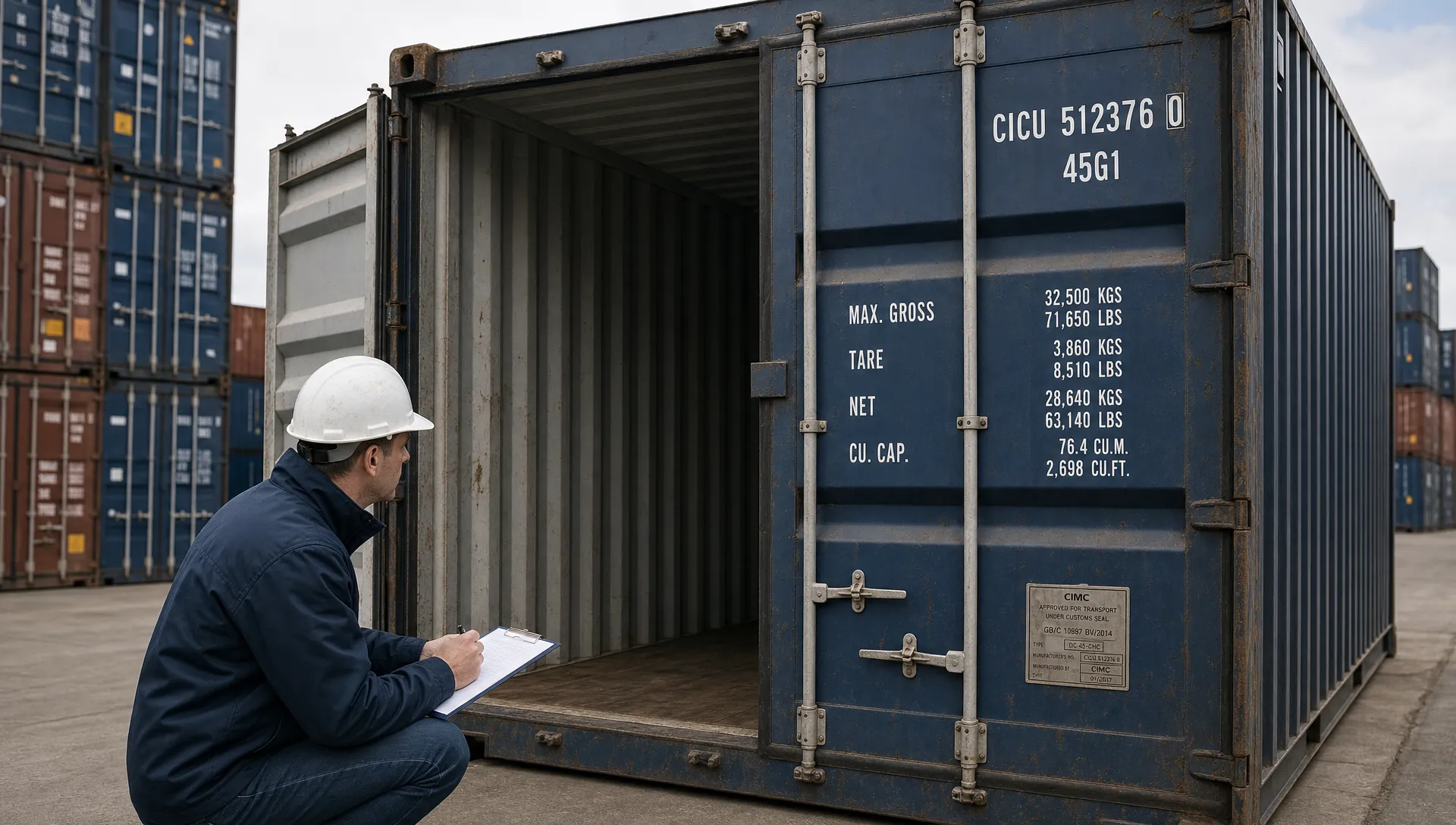
3. Inspect the Container Like It Has to Protect Your Tools
A used container does not need to look perfect. Surface rust, faded paint, dents, labels, and scratches are normal. What matters is whether the box is structurally sound, dry, secure, and right for your use.
For a deeper walk-through, use Outback's detailed guide on how to inspect a used shipping container before buying. The shorter version below covers the checks every buyer should make.
- Check the roof from outside if safe, or ask for roof photos from the seller.
- Look for standing water marks, heavy dents, patched holes, or roof sag.
- Step inside and close the doors during daylight to check for pinholes of light.
- Inspect corner posts, crossmembers, and bottom rails for deep rust or impact damage.
- Open and close both doors to test hinges, locking bars, handles, and cam keepers.
- Check door gaskets for gaps, cracks, missing sections, or signs of water entry.
- Walk the full floor and feel for soft spots, delamination, heavy oil stains, or rot.
- Confirm the container sits square, not twisted, racked, or bowed.
Rust that matters vs rust that does not
Light surface rust is common on used shipping containers. It usually appears around scratches, dents, seams, and high-wear areas. Surface rust can often be cleaned, treated, and painted.
Deep rust is different. Be cautious with flaking steel, holes, heavy corrosion near the roof line, rusted crossmembers, or damage around corner castings. These areas affect strength and weather protection.
The daylight test is simple and useful
The daylight test is one of the fastest checks. Step inside the empty container on a bright day and close the doors. If you see points of light through the roof, walls, or door seams, water can likely enter.
A small pinhole may be repairable. Several light leaks or a long seam leak are bigger concerns. Ask who will repair the leak, whether the repair is included, and whether the unit will still be sold as WWT after repair.
4. Verify the Container, Seller, and Paperwork
Before you pay, make sure you know what you are buying. A professional seller should be able to identify the unit, explain the grade, and give clear written terms.
Start with the container number. Standard container markings use a four-letter owner code, a six-digit serial number, and a check digit. Ask for photos that show this number on the exact unit.
Also look for the CSC safety approval plate. The CSC plate is usually mounted on the left door. It may show the date of manufacture, max gross weight, allowable stacking weight, and other important data. For ground storage, the plate is still useful because it helps identify the container and verify core specifications.
Get these details in writing before payment:
- Container size and height, such as 20ft standard or 40ft high cube.
- Condition grade, such as WWT, CWO, refurbished, or as-is.
- Whether the photos show the exact unit or a representative unit.
- Delivery address and placement notes.
- Delivery method, such as tilt-bed, roll-off, crane, or customer pickup.
- Taxes, delivery charges, and any extra placement fees.
- Warranty or guarantee terms, including wind and watertight coverage.
- Payment schedule, refund terms, and expected delivery window.
Be careful with sellers who will not provide written terms, current photos, or a real business identity. Also be careful with prices that are far below normal local market levels. Used shipping container scams often rely on urgency, vague photos, and payment methods that are hard to reverse.
5. Price the Total Delivered Cost, Not Just the Box
The container price is only one part of the purchase. The real number is the delivered and placed cost. A low unit price can lose its value if freight, failed delivery, or site problems add expense.
Used container prices change by size, condition, location, depot inventory, fuel costs, and delivery distance. Because those factors move often, avoid relying on old national price ranges. Ask for a current written quote based on your exact ZIP code and placement needs.
A clear quote should separate each major cost.
| Cost Item | What to Ask | Why It Matters |
|---|---|---|
| Unit price | Is this for the exact container or a similar grade? | Prevents confusion about condition |
| Delivery | Is freight included to my address? | Freight can be a major cost driver |
| Placement | Does the driver place the container where I mark it? | Some placements need extra equipment |
| Taxes and fees | Are taxes, permits, or local fees included? | Helps compare quotes fairly |
| Modifications | Are vents, lock boxes, doors, or windows included? | Avoids change orders later |
| Failed delivery | What happens if the truck cannot access the site? | Protects your budget if the site is not ready |
If you need a current quote instead of guessing from stale market ranges, you can review available container options and request transparent pricing through Outback Shipping Containers. Outback supplies new, used, and custom containers nationwide, with inspected units, delivery support, and lender financing (only for container homes priced above $72,000, subject to lender approval).
Do not compare unlike quotes
A depot pickup price is not the same as a delivered price. A WWT 20ft container is not the same as an as-is 20ft container. A used standard-height container is not the same as a 40ft high cube.
When comparing sellers, line up the same size, condition, delivery distance, and placement service. If one quote is much cheaper, find out what is missing.
Buying vs leasing
Buying makes sense when you need long-term storage, want to modify the container, or plan to keep it on your property. Leasing can make sense for short-term projects, seasonal storage, or temporary job sites.
Outback Shipping Containers is the main sales site. LeaseLink Containers is the leasing arm. If you are unsure which route fits your timeline, ask about both before you commit.
6. Prepare the Site Before Delivery Day
A used container is heavy, and the delivery truck needs space. Even a perfect container purchase can turn into a problem if the site is too soft, too tight, too steep, or blocked by trees and overhead wires.
Before delivery, review a full shipping container site prep checklist so the driver can place the unit safely the first time.
As a general planning guide, many tilt-bed deliveries need a long, straight approach. Confirm final requirements with your dispatcher because truck size, trailer type, local roads, and container size all matter.
| Container | Common Delivery Planning Need | What to Confirm |
|---|---|---|
| 10ft | Shorter truck access may work | Forklift, tilt-bed, or crane method |
| 20ft | Often needs about 100ft of straight space | Driveway width, slope, and turn radius |
| 40ft | Often needs about 120ft of straight space | Long approach, level drop area, overhead clearance |
| 40ft high cube | Similar length needs as 40ft, plus more height | Trees, wires, gates, and roof overhangs |
Commercial carriers are responsible for securing freight during transport. The Federal Motor Carrier Safety Administration provides an overview of federal cargo securement rules, but your seller or carrier should handle the transport plan.
Ground support matters
Containers are designed to bear weight through the corner castings. For storage use, many buyers place containers on compacted gravel, concrete pads, railroad ties, or concrete blocks. The best choice depends on soil, drainage, climate, and local rules.
Avoid placing a container directly on wet soil if you can. Poor drainage can speed up corrosion under the floor and make the doors hard to operate if the box settles unevenly.
Access questions to answer before the truck arrives
Ask yourself these questions before delivery day:
- Can a large truck enter, turn, and exit without backing into traffic?
- Are there overhead wires, branches, signs, or gutters in the path?
- Is the ground firm enough for a loaded truck?
- Is the drop area level enough for the doors to work well?
- Have you marked the exact door direction and final placement?
- Do you need permission from a landlord, HOA, city, county, or job site manager?
Permit and zoning rules vary by city, county, and state. Some areas treat a storage container as temporary equipment. Others regulate placement, setbacks, appearance, or duration. Check with local authorities before delivery, especially in residential neighborhoods.
7. Match the Container to Its Real Use
The best used container is the one that fits the job. A ranch owner storing fencing supplies may not need the same grade as a contractor storing expensive tools. A future container home project has different needs than a temporary warehouse box.
For secure storage, focus on WWT condition, working doors, solid floors, and a lock box. For construction sites, add easy access, ventilation, shelving plans, and placement near work areas. For farms and ranches, think about dust, rodents, drainage, and distance from daily operations.
For workshops, add ventilation, power planning, lighting, and condensation control. Steel boxes can sweat when warm air hits cold metal. Vents, insulation, dehumidifiers, and raised flooring can help depending on climate and use.
For a shipping container home, tiny home, office, or retail build, inspect more carefully. Many builders prefer one-trip or cleaner CWO units because repairs can cost more than the savings from a rough container. You should also confirm zoning, land use, building codes, foundation requirements, insulation needs, and engineering before buying the box.
Common modifications to plan early
Modifications are easier to price when you plan them before purchase. Even simple changes can affect the best container grade and placement.
Common options include:
- Lock boxes for better security.
- Vents for airflow and condensation control.
- Roll-up doors for equipment access.
- Personnel doors for offices and workshops.
- Windows for cabins, offices, and retail units.
- Insulation for comfort and moisture control.
- Electrical rough-in for lighting, outlets, and HVAC.
- Interior framing for container conversion projects.
If you will cut large openings, ask whether the container needs reinforcement. Side walls and roof panels are part of the container structure. Removing steel without proper framing can weaken the unit.
8. Red Flags That Should Slow You Down
A used shipping container is a durable steel asset, but the market has bad listings. Take your time when something feels off.
Slow down or walk away if you see these warning signs:
- The seller will not show current photos of the exact unit.
- The listing uses only stock images or cropped photos.
- The condition grade is vague or changes during the conversation.
- The price is far below other local quotes with no clear reason.
- The seller pushes for full payment through a hard-to-trace method.
- Delivery terms are unclear or not included in writing.
- The seller cannot explain WWT, CWO, CSC, tare weight, or payload capacity.
- The container has strong chemical odors, standing water, soft floors, or visible holes.
A good seller will not rush you through basic questions. They should explain the container grade, help plan delivery, and make sure the unit fits your use.
FAQ
What should I look for when buying a used shipping container?
Look for a straight frame, dry interior, solid floor, working doors, good gaskets, and no major roof holes or deep structural rust. Ask for the exact size, condition grade, container number, current photos, delivery cost, and written WWT or CWO terms before paying.
Is it better to buy a new or used shipping container?
Used containers are often better for budget-focused storage, job sites, farms, and workshops. New one-trip containers are better when appearance, long service life, or clean conversion work matters most. The right choice depends on your budget, site, use, and tolerance for dents or cosmetic wear.
How much does a used shipping container cost?
There is no single national price. Used container cost depends on size, grade, depot location, delivery distance, fuel, local inventory, and modifications. Always request a current written quote for your ZIP code. Compare total delivered cost, not just the advertised container price.
What is the difference between cargo-worthy and wind and watertight?
Wind and watertight means the container should keep normal weather out during ground storage. Cargo-worthy means the container is suitable for cargo transport when properly inspected and documented. For basic storage, WWT often works. For freight movement or higher-confidence commercial use, ask about CWO.
Can I put a used shipping container on my property?
Maybe. Rules vary by city, county, HOA, zoning district, and intended use. Some places allow temporary storage containers, while others require permits or limit placement. Check local requirements before delivery, especially for residential lots, container homes, offices, or long-term visible storage.
Are used shipping container floors safe?
Many shipping containers have thick plywood floors designed for cargo. In used containers, check for soft spots, rot, stains, odors, and delamination. For living spaces, food storage, animal use, or sensitive goods, ask about floor history and consider sealing, covering, or replacing the floor.
Ready to Buy With Fewer Surprises?
A simple checklist can save you from leaks, bad doors, hidden freight costs, and site problems. Choose the right size, confirm the grade, inspect the exact unit, and get the delivered price in writing before you commit.
When you are ready to compare inspected used containers, one-trip units, high cube containers, modular offices, or custom builds, start with Outback Shipping Containers. You can review options, ask questions, and plan nationwide delivery with a team that understands container buying from quote through placement.
About Outback Shipping Containers
This guide was prepared by the Outback Shipping Containers team, based on the questions our customers ask us most when buying, modifying and taking delivery of shipping containers. Learn more about us.
Ready to find your container?
Browse our in-stock shipping containers, container homes and custom builds, or ask our team for a free quote with delivery to your site.