The Ultimate Shipping Container Site Prep Checklist
By Outback Container Experts · Published July 13, 2026 · Last updated October 20, 2026
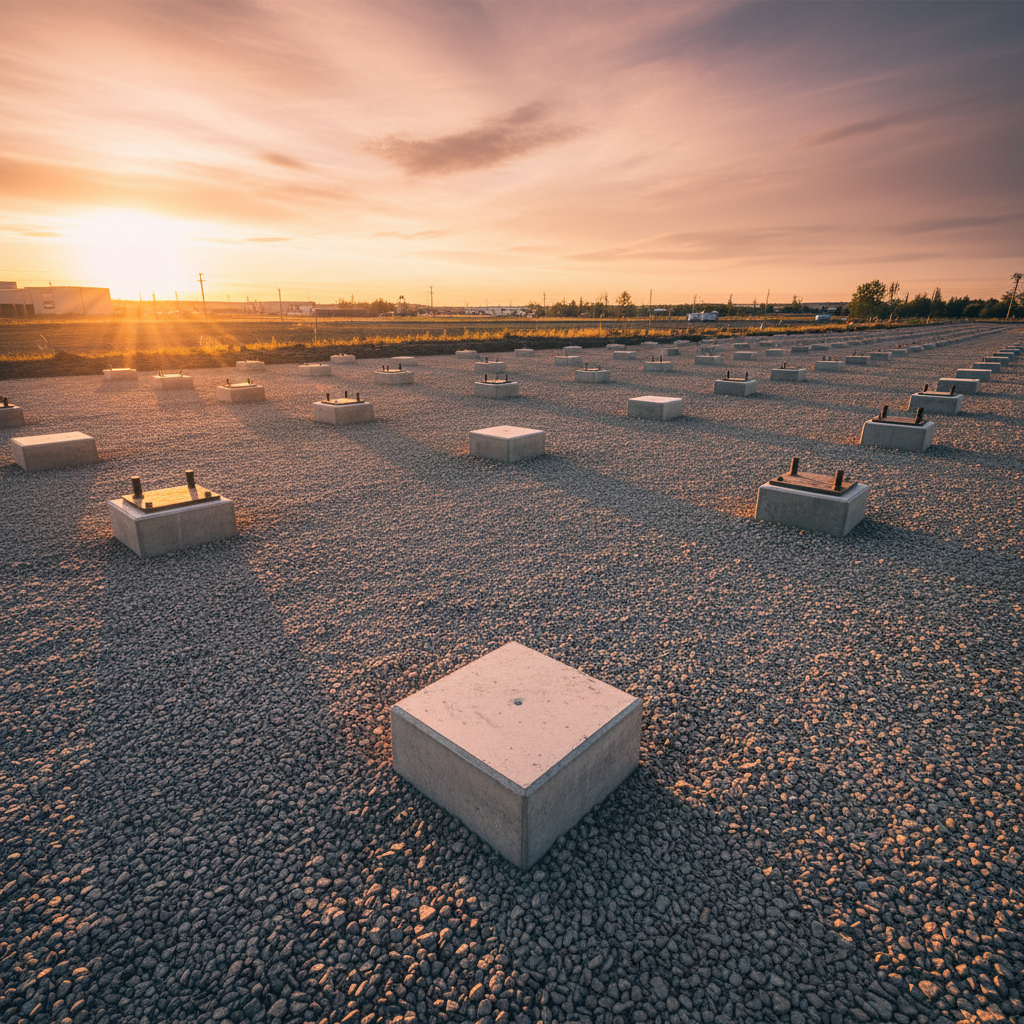
Success in purchasing a steel structure begins long before the truck arrives at your gate. Whether you are installing a 20ft New Shipping Container for residential storage or a multi-unit commercial complex, following a rigorous shipping container site prep checklist is the only way to prevent structural warping and delivery failures. In 2026, delivery logistics have become more precise, and site readiness is often the difference between a seamless drop-off and a $500+ dry-run fee.
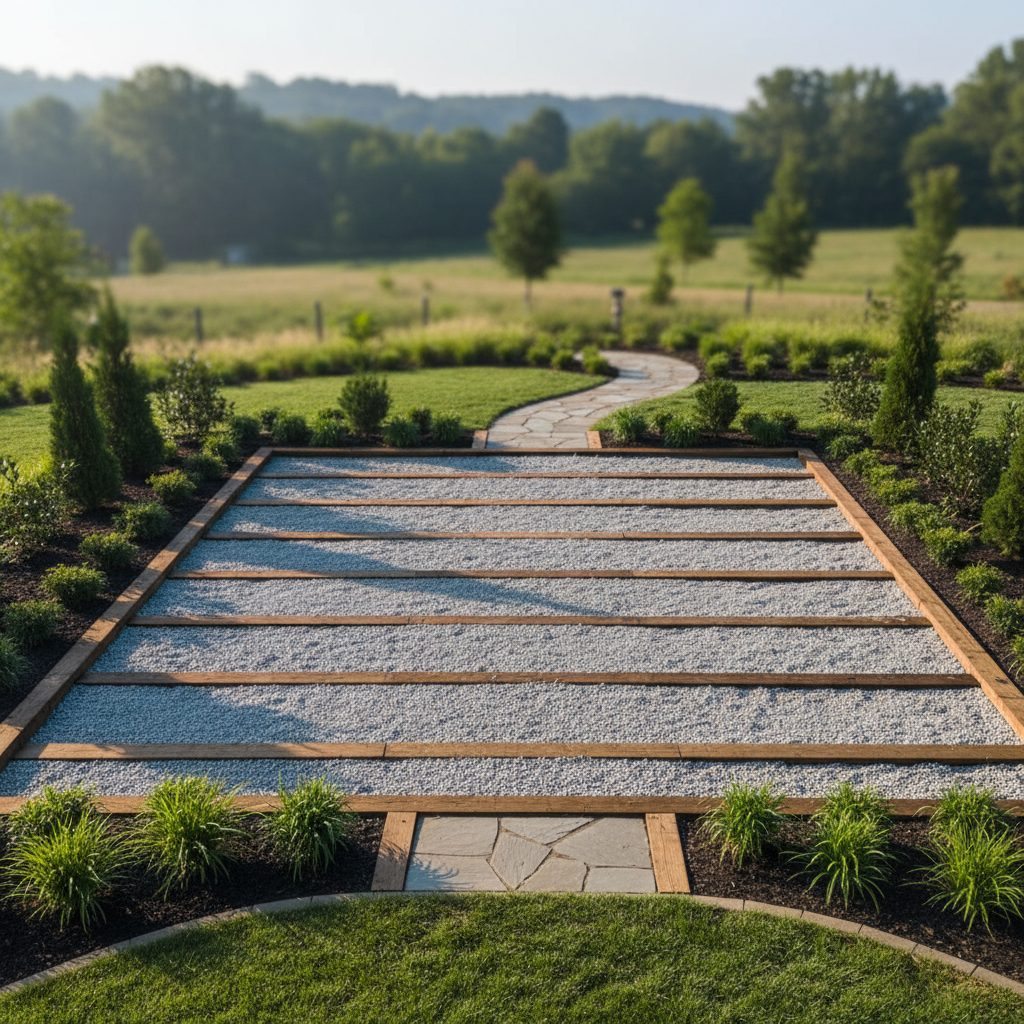
The Essential Shipping Container Site Prep Checklist
Before you finalize your order for a 40ft New High Cube Container, you must evaluate your ground conditions. A container is only as strong as the surface it sits on. If the ground is uneven, the doors may bind, or the frame could twist, leading to moisture ingress and accelerated rust. Use the following checklist to ensure your site is 'drop-ready'.
- Verify delivery truck clearance requirements (height, width, and turning radius).
- Select and install one of the approved shipping container foundation types.
- Clear the delivery path of debris, low-hanging branches, and overhead wires.
- Ensure the surface is level within a 1% grade.
- Consult local zoning for permit requirements on permanent foundations.
- Mark the four corner points where the container will land.
Evaluating Delivery Truck Clearance Requirements
Most logistical delays stem from poor planning regarding the delivery vehicle. Most suppliers utilize a tilt-bed trailer, which requires significant linear space to pull out from under the container once it touches the ground. If you are opting for a large unit like The Huntington Luxury Home, you must account for the weight of the truck on your driveway.
| Container Size | Min. Straight Clearance | Min. Vertical Clearance | Min. Width |
|---|---|---|---|
| 20ft Container | 100 Feet | 14 Feet | 12 Feet |
| 40ft Container | 120 Feet | 14.5 Feet | 12 Feet |
Understanding the roll off trailer delivery space is vital. If your site has tight turns or soft soil, you might need to compare a crane vs tilt tray delivery price. While a crane adds $800-$1,500 to the total cost, it allows for 'surgical' placement in backyard ADU projects where a truck cannot maneuver. For more on these costs, see our Shipping Container Delivery Cost Per Mile 2026 Price Guide.
Comparing Shipping Container Foundation Types
Choosing the right foundation depends on your budget, timeframe, and intended use. While you can technically place a container on bare earth, it is not recommended for long-term use due to drainage issues and settling.
- Concrete Footings/Piers: Best for permanent builds like The Clark. They reach below the frost line.
- Gravel Pads: Ideal for most storage applications. Leveling shipping containers on gravel provides excellent drainage.
- Concrete Slabs: The most durable option, recommended for workshops and Container Offices.
- Timber Sleepers: A cost-effective temporary solution for agricultural use.
| Foundation Type | Est. Cost (2026) | Durability | Best For |
|---|---|---|---|
| Concrete Piers | $600 - $1,200 | High | Home Builds / ADUs |
| Gravel Pad | $400 - $900 | Medium | General Storage |
| Concrete Slab | $2,500 - $5,000 | Maximum | Heavy Equipment Storage |
| Asphalt | $1,200 - $2,000 | Medium-High | Commercial Lots |
Tip: Pro Tip: When calculating concrete pad for shipping container cost, always include a 6-inch reinforced mesh to handle the 8,000+ lbs of a 40ft High Cube without cracking.
Preparing Ground for Storage Container: Step-by-Step
To ensure your 20ft Used Container lasts for decades, proper ground prep is mandatory. Our technicians recommend a 'trench and fill' method for gravel pads.
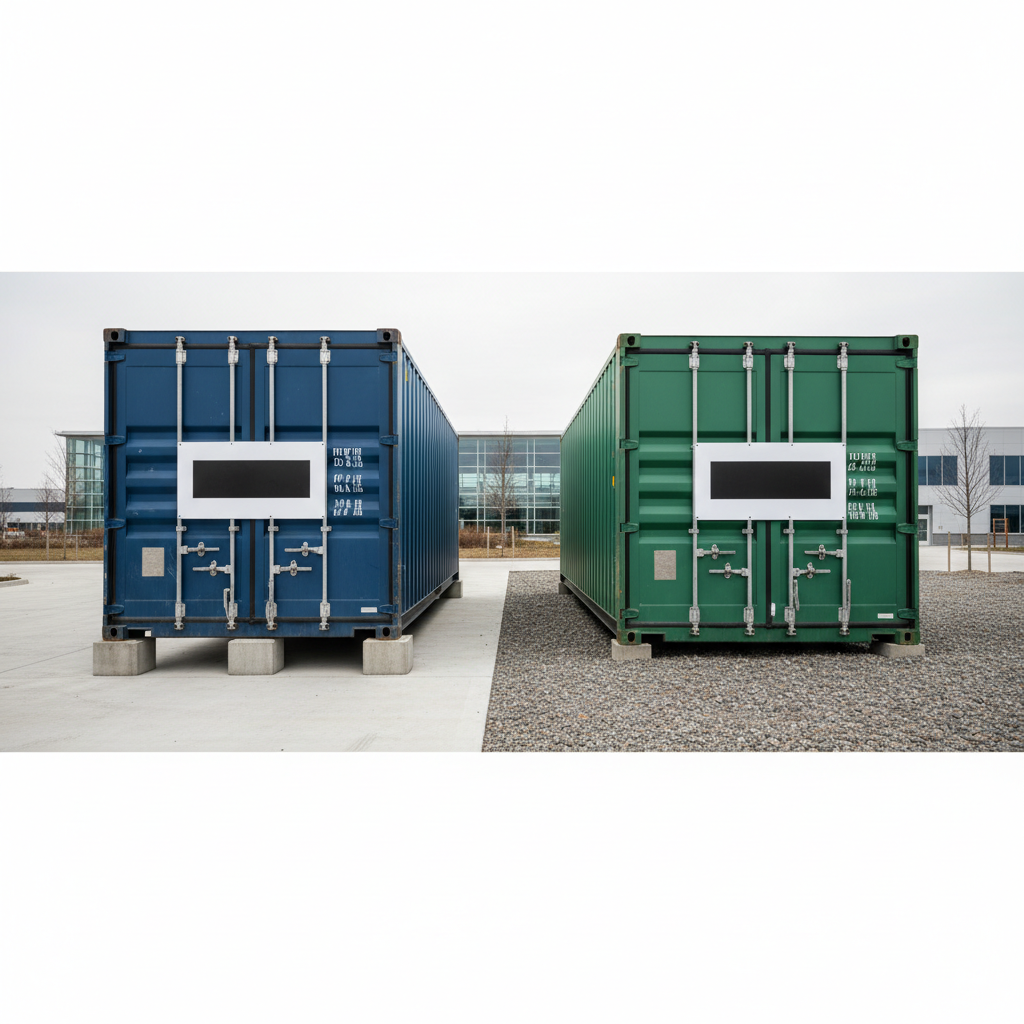
First, excavate 4-6 inches of topsoil. Organic material decomposes and causes sinking. Fill the area with crushed stone (¾-inch minus is standard). When leveling shipping containers on gravel, use a laser level to confirm the four corners are within 0.5 inches of each other. If you are unsure of the grade you need, check our Shipping Container Cost Guide for site-inclusive pricing estimates.
Critical Shipping Container Delivery Surface Requirements
The delivery surface must be 'firm and level.' In the logistics world, this means the truck must be able to drive over it without getting stuck. In July, heat can soften asphalt, and rain can turn grassy sites into mud pits. If the driver determines the ground is too soft, they will drop the container at the nearest hard surface, often leaving the customer with an expensive relocation task later.
- Avoid Mud: If it rained in the last 48 hours, reconsider the delivery date.
- Slope Limits: Never place a container on a slope greater than 5% without structural anchors.
- Underground Risk: Do not place containers over septic tanks, leach fields, or soft utility lines.
Tip: New 'One-Trip' containers have perfectly straight sills and work best on precise foundations like concrete. Used containers may have minor base rail bows; for these, a gravel bed is more forgiving during the leveling process. Read our Shipping Container Condition Grades: 2026 Manual for more details.
Prepare your site today to avoid the common pitfalls of impulsive container placement. Whether you're eyeing a luxury Container Pool or a basic storage unit, a solid foundation is the bedrock of your investment. Ready to upgrade your site? View our New (One-Trip) Containers) to find the perfect unit for your prepared pad.
Container delivery near you
We deliver to every state in the lower 48 plus Alaska and Hawaii. These local pages list pricing, metro coverage and typical lead times for the areas we run into most:
- Shipping containers near me — how we source from the depot closest to your ZIP code
- Shipping containers in North Carolina — pricing and delivery to Charlotte and Raleigh
- Shipping containers in Arizona — pricing and delivery to Phoenix and Tucson
- Shipping containers in Washington — pricing and delivery to Seattle and Spokane
- Shipping containers in Colorado — pricing and delivery to Denver and Colorado Springs
- Shipping containers in Tennessee — pricing and delivery to Nashville and Memphis
- Shipping containers Houston — local yard stock and lead times
Frequently Asked Questions
How much space is needed for a 40ft container delivery?
A 40ft container typically requires 120 feet of straight-line clearance for the truck to pull out after dropping the unit. You also need at least 12 feet of width and 14.5 feet of vertical clearance to avoid trees and power lines.
Do I need a permit for a shipping container foundation?
Permit requirements vary by city and county. In many US jurisdictions, temporary foundations like gravel bars do not require permits, but permanent concrete slabs or footings for a dwelling almost always require a building permit and site inspection.
What is the best foundation for a storage container?
For most storage needs, a leveled gravel pad is the best balance of drainage and cost. For residential living, concrete piers are superior as they protect the undercarriage from moisture and facilitate easier utility connections.
Can you put a shipping container directly on the ground?
It is not recommended. Direct contact with soil traps moisture against the steel, leading to accelerated corrosion. Additionally, uneven ground will cause the frame to rack, making it difficult or impossible to open the doors.
How do I level a shipping container on uneven ground?
The most common method is using heavy-duty steel shims or concrete pavers under the corner castings. However, the best approach is to level the ground itself with crushed stone before the container arrives to ensure even weight distribution.
Frequently asked questions
How much space is needed for a 40ft container delivery?
A 40ft container typically requires 120 feet of straight-line clearance for the truck to pull out after dropping the unit. You also need at least 12 feet of width and 14.5 feet of vertical clearance to avoid trees and power lines.
Do I need a permit for a shipping container foundation?
Permit requirements vary by city and county. In many US jurisdictions, temporary foundations like gravel bars do not require permits, but permanent concrete slabs or footings for a dwelling almost always require a building permit and site inspection.
What is the best foundation for a storage container?
For most storage needs, a leveled gravel pad is the best balance of drainage and cost. For residential living, concrete piers are superior as they protect the undercarriage from moisture and facilitate easier utility connections.
Can you put a shipping container directly on the ground?
It is not recommended. Direct contact with soil traps moisture against the steel, leading to accelerated corrosion. Additionally, uneven ground will cause the frame to rack, making it difficult or impossible to open the doors.
How do I level a shipping container on uneven ground?
The most common method is using heavy-duty steel shims or concrete pavers under the corner castings. However, the best approach is to level the ground itself with crushed stone before the container arrives to ensure even weight distribution.
About Outback Container Experts
This guide was prepared by the Outback Shipping Containers team, based on the questions our customers ask us most when buying, modifying and taking delivery of shipping containers. Learn more about us.
Ready to find your container?
Browse our in-stock shipping containers, container homes and custom builds, or ask our team for a free quote with delivery to your site.