One Trip vs WWT Containers: Which Grade Is Best for Storage?
Master one trip vs wind and water tight containers for storage. Our 2026 shipping container condition guide explains lifespan and inspection checklists.…
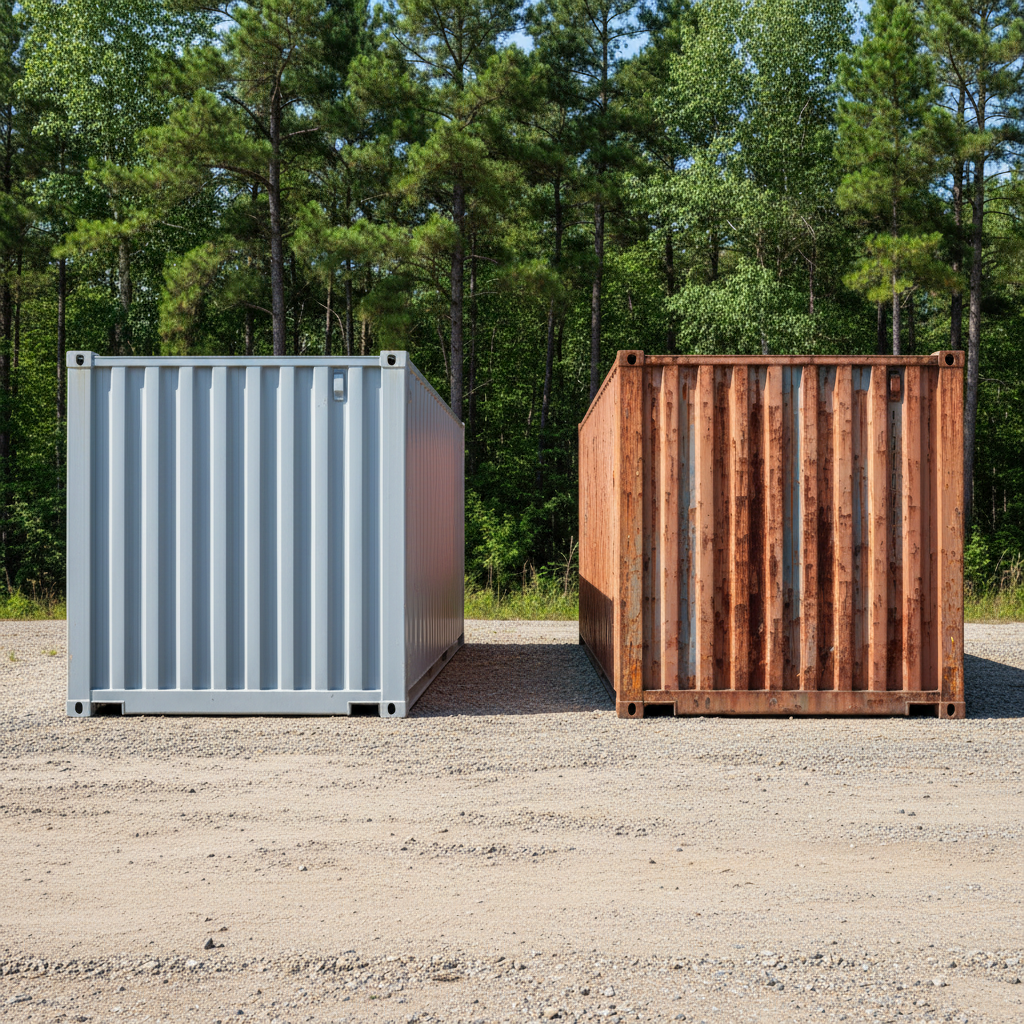
Choosing the right grade is the most critical decision in the buying process, specifically when weighing one trip vs wind and water tight containers for storage. While a brand-new unit looks impressive on a residential driveway, the utilitarian nature of a used WWT unit might save you upwards of $1,500. As of July 2026, the price gap has narrowed slightly due to stabilized global manufacturing, but the trade-offs in aesthetics, structural integrity, and scent remain significant. Understanding these nuances prevents you from overpaying for a 'garage' or under-investing in a 'rust bucket' that ruins your valuables.
Table of Contents
- one trip vs wind and water tight containers for storage: Shipping Container Grades Explained: One-Trip vs. WWT
- Is a One Trip Container Worth the Extra Cost?
- Wind and Water Tight vs Cargo Worthy: The Technical Gap
- Long-Term ROI: One Trip Shipping Container Lifespan
- Physical Differences: Aesthetic Impact and Structural Integrity
- The Internal Environment: Floor Integrity and Chemical Residue
- Operational Costs and Site Preparation Requirements
- Frequently Asked Questions
- The Verdict: Which Should You Buy?
- Explore Related Products & Guides
one trip vs wind and water tight containers for storage: Shipping Container Grades Explained: One-Trip vs. WWT
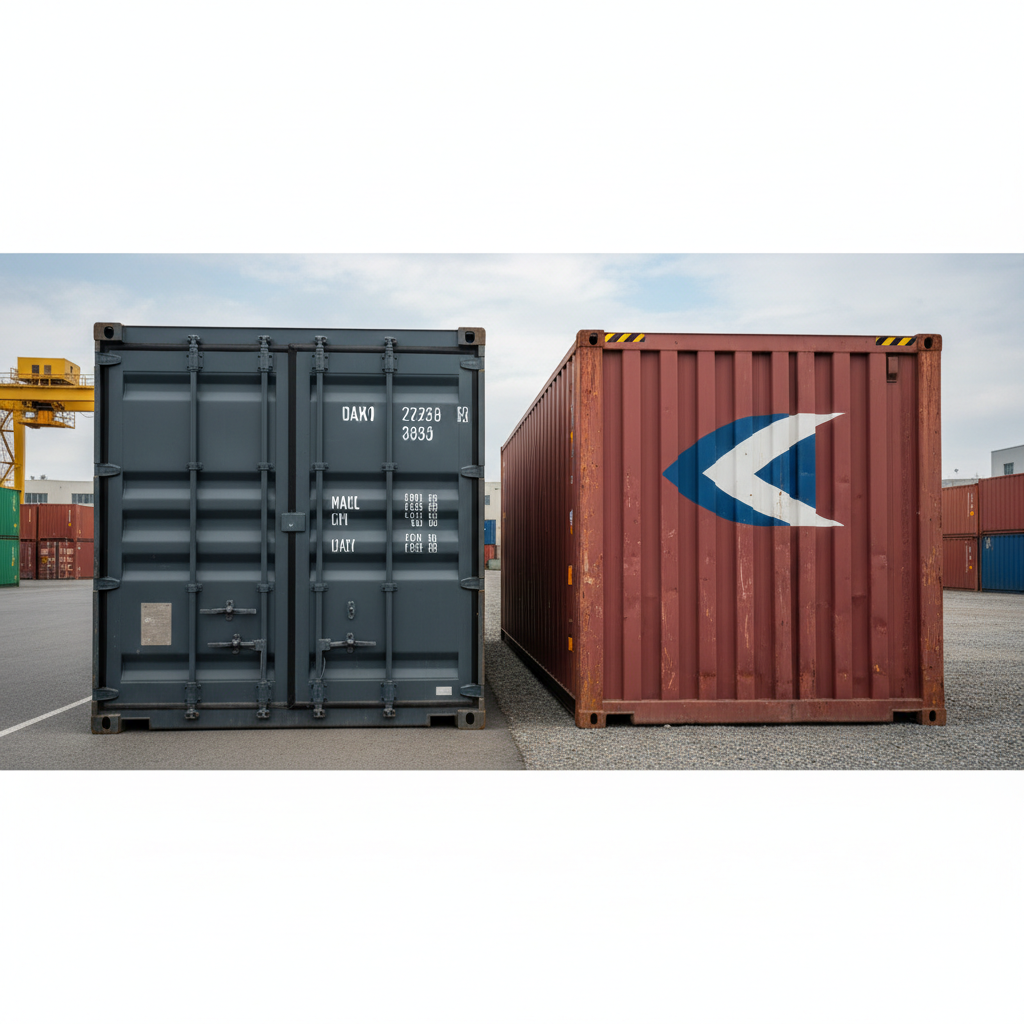
To make an informed choice, we first need to define what these industry terms actually signify. The term one trip container meaning refers to a unit manufactured in Asia, loaded with a single cargo load to the US, and then sold into the secondary market. These are the closest you can get to 'new.' Conversely, a Wind and Water Tight (WWT) unit is typically 10 to 15 years old. It has been retired from international shipping but still meets the criteria of being weather-sealed.
When you buy used shipping containers for storage, you are essentially purchasing a retired athlete—it has some scars, but it can still perform. A 40ft used shipping container in WWT condition will have surface rust, numerous dings, and mismatched paint, but the gaskets are intact and the floor is solid. For many, this is the best container grade for furniture storage when budget is the primary driver.
| Feature | One-Trip (New) | WWT (Used) |
|---|---|---|
| Typical Age | 1-2 years | 12-16 years |
| Est. Lifespan | 25-40 years | 10-15 years |
| Exterior Finish | Clean, single color | Rust, dents, logos |
| Floors | Pristine marine plywood | Scratched, possible stains |
| Gaskets | Supple, factory-new | Functional but aged |
Is a One Trip Container Worth the Extra Cost?
The price premium for a one-trip unit usually ranges from $1,200 to $2,000 over a WWT unit. Whether it's worth it depends on your specific application. If the unit is visible from your home or if you plan on a custom shipping container build, the one-trip grade is almost always superior. It lacks the 'industrial smell' (a mix of floor chemicals and previous cargo) often found in older units. For those considering prefabricated container home floor plans, starting with a 40ft new high cube ensures the steel hasn't suffered fatigue or thinning from years of salt-air exposure.
Tip: Check the corner castings and door hinges. On one-trip units, these should operate smoothly with one hand. On WWT units, expect to use a bit of leverage or grease to get the cams to lock properly.
Wind and Water Tight vs Cargo Worthy: The Technical Gap
Many buyers confuse WWT with Cargo Worthy (CW). While both are weather-secure, a CW unit has been inspected and certified as structurally sound for rail and sea transport, often carrying a valid CSC plate. A WWT unit is strictly for ground storage. If you ever plan to move your container loaded via a 20ft bumper pull chassis, you should opt for CW or One-Trip. For static storage on a farm or job site, WWT is the standard choice.
- WWT: Best for static, budget-friendly backyard storage.
- Cargo Worthy: Best for those who may ship the unit overseas later.
- One-Trip: Best for residential areas, offices, and long-term durability.
The WWT Container Inspection Checklist
Before finalizing a used purchase, ensure you perform a light test. Step inside the container, have someone close the doors, and look for any pinpricks of light. In a WWT unit, you should see zero light. Other items to check include:
- Door Gaskets: Ensure the rubber seal isn't brittle or hanging off.
- Floor Integrity: Look for 'soft spots' which indicate delamination of the marine plywood.
- Roof Dents: Ensure no water is pooling in deep depressions, which leads to accelerated corrosion.
- Lock Rods: Verify they aren't bent, preventing a proper seal.

Long-Term ROI: One Trip Shipping Container Lifespan
A one-trip container placed on a proper foundation (gravel or railroad ties) can easily last 30 to 50 years with minimal maintenance. Because they use high-quality Corten steel (atmospheric corrosion-resistant steel), they are built to withstand the harshest environments. In contrast, how long do wind and water tight containers last? Generally, you can expect 10 to 15 years of rust-free service before the roof requires a coating or patch. When you compare container transport prices, remember that delivery cost is the same regardless of grade, so the 'per year' cost of a one-trip unit is often lower.
Tip: Can you store electronics in a WWT container? It's risky. Older units lack modern ventilation and can develop 'container rain' (condensation). For sensitive hardware, we recommend a one-trip unit with added vents or a refurbished reefer for climate control.
Physical Differences: Aesthetic Impact and Structural Integrity
The visual distinction between a One Trip unit and a Wind and Water Tight (WWT) container is immediate. A One Trip container, manufactured in Asia and shipped once to the US, arrives with factory paint, crisp structural lines, and minimal scuffing. These units are free from the deep 'dents and dings' common in the secondary market. For businesses placing containers in public view, such as retail storefronts or school campuses, the One Trip container provides a professional appearance that requires zero cosmetic maintenance. The high-quality marine-grade paint is applied in a controlled factory environment, ensuring maximum adhesion and rust resistance from day one.
In contrast, WWT containers are veterans of the international shipping industry, typically retired after 12 to 15 years of service. They will exhibit various levels of surface rust, patches of mismatched paint, and numerous dents from crane handling and forklift operations. While the WWT designation guarantees the doors seal and the roof has no holes, it does not account for the thinning of the Corten steel due to oxidized surface scales. For homeowners in residential neighborhoods, a WWT container often requires a fresh coat of paint and some light grinding to meet HOA standards or simply to avoid becoming an eyesore.
| Feature | One Trip Container | WWT Container |
|---|---|---|
| Typical Age | 1-2 Years | 12-18 Years |
| Flooring Condition | Pristine Marine Plywood | Scratched/Stained Plywood |
| Exterior Paint | Factory Original (Solid) | Multiple Layers / Surface Rust |
| Door Operation | Smooth / Easy | May Require Leverage |
| Structural History | Zero Repair Patches | Likely Multiple Weld Patches |
Tip: When inspecting WWT units, pay close attention to the door gaskets. While the steel is wind and water tight, older rubber seals can become brittle, losing their compression over time and allowing moisture-laden air to seep into the storage space.
The Internal Environment: Floor Integrity and Chemical Residue
Storage buyers often overlook the condition of the interior floor, which is a critical factor in the One Trip vs. WWT decision. One Trip units feature nearly flawless 1-1/8 inch thick marine-grade plywood. Since these units have only carried one load of clean cargo, the floors are free from chemical spills, oil stains, or heavy odors. This makes them the ideal choice for storing sensitive items such as archival documents, textiles, furniture, or inventory that might absorb ambient smells. Furthermore, the newer bamboo or plywood floors in One Trip units haven't been subjected to the heavy, repeated forklift traffic that often causes 'soft spots' in older used containers.
WWT containers carry a mystery history. Over fifteen years, these units may have transported everything from industrial machinery to bulk chemicals. This results in floors that are often stained or permeated with smells that are difficult to remove. If your storage needs involve grain, animal feed, or high-value upholstery, the potential for cross-contamination in a WWT unit is a legitimate risk. However, for industrial tools, heavy construction equipment, or scrap metal, the cosmetic and olfactory state of the floor is less relevant, making the WWT the more cost-effective choice for 'dirty' storage applications.
- One Trip floors are usually treated with newer, safer pesticides (Radix) compared to older units.
- WWT floors may exhibit 'delamination' where the plywood layers begin to separate under heavy load.
- Interior walls in One Trip units have minimal scratches, preventing the onset of interior condensation rust.
- WWT units frequently have 'dents' that protrude inward, reducing the total usable cubic square footage.
- One Trip units include factory-installed lock boxes for enhanced security right out of the box.
Important: If you plan to convert the container into a living space or office, a One Trip unit is significantly safer. WWT floors were often treated with high concentrations of pesticides like Methyl Bromide during their years in international trade.
Operational Costs and Site Preparation Requirements
The total cost of ownership extends beyond the initial purchase price. One Trip containers require less rigorous site preparation because their frames are perfectly square. This ensures that even on a simple gravel pad or concrete blocks, the doors will align and swing open with ease. Because the hinges and locking bars are brand new and greased, they can be operated by a single person without the need for a breaker bar. This ease of use is a vital consideration for self-storage businesses or farm applications where daily access is required.
Used WWT containers often have slight racking—a twist in the rectangular frame caused by years of stacking on cargo ships. This racking makes door alignment difficult on uneven ground. A WWT buyer should expect to spend more time (and potentially more money on materials) leveling the site to ensure the container sits perfectly flat. Additionally, WWT units may require immediate maintenance, such as lubricating frozen hinges or wire-brushing and priming rusted roof seams to prevent the transition from 'surface rust' to 'structural failure' within the first few years of ownership.
- Assess the frequency of access: Daily use favors the mechanical reliability of a One Trip unit.
- Evaluate the site: Uneven or soft ground can exacerbate door issues in older WWT containers.
- Budget for maintenance: WWT units should be inspected annually for new rust spots and roof integrity.
- Consider resale value: One Trip units retain a much higher percentage of their value over a 10-year period.
- Verify local regulations: Some municipalities ban 'Used' containers but allow 'New/One Trip' units based on aesthetic codes.
Tip: To extend the life of a WWT container by 5-7 years, apply a reflective elastomeric roof coating immediately after delivery. This seals small pinholes and reduces internal temperatures.
Container delivery near you
We deliver to every state in the lower 48 plus Alaska and Hawaii. These local pages list pricing, metro coverage and typical lead times for the areas we run into most:
- Shipping containers near me — how we source from the depot closest to your ZIP code
- Shipping containers in Georgia — pricing and delivery to Atlanta and Savannah
- Shipping containers in North Carolina — pricing and delivery to Charlotte and Raleigh
- Shipping containers in Arizona — pricing and delivery to Phoenix and Tucson
- Shipping containers in Washington — pricing and delivery to Seattle and Spokane
- Shipping containers in Colorado — pricing and delivery to Denver and Colorado Springs
- Shipping containers Houston — local yard stock and lead times
Frequently Asked Questions
Real buyers often ask these questions when visiting our depots in July.
The Verdict: Which Should You Buy?
If the container is for a hidden spot on a construction site or for agricultural equipment, save your money and go with WWT. If you are using it for retail, high-end storage, or a backyard office, the one-trip grade is the only choice that ensures curb appeal and structural longevity. For many, a 20ft one-trip shipping container offers the perfect balance of manageable footprint and lifetime utility.
If you're ready to compare inventory for your project, our team can pull matching units from our nationwide depots. Whether you need a budget-friendly used unit or a pristine new build, we provide transparent photos of the actual units before they leave our yard. Contact us today for a delivery quote based on your zip code.
Explore Related Products & Guides
- Mobile Office Container for Job Sites Cost & Savings
- Prefabricated container home floor plans with prices:…
- Planning a Custom Shipping Container Build Step by Step
Frequently Asked Questions
Is a one trip container worth the extra cost?
Yes, if aesthetics, ease of door operation, and a 30+ year lifespan are priorities. It is especially worth it for residential use or conversions where a clean interior is necessary.
What does wind and water tight mean in shipping?
Wind and Water Tight (WWT) means the unit has been inspected and confirmed to have no holes or leaks. It will keep wind and rain out, though it may have significant surface rust and dents.
Can you store electronics in a WWT container?
It is not recommended without modifications. Older WWT units are prone to condensation and 'container rain.' For electronics, choose a one-trip unit with high-quality ventilation or insulation.
Do one trip containers have dents?
Yes, but they are minor. Since they are used for one cargo journey, they may have small 'shunting' marks or light scratches on the corner castings, but they will not have the structural dings found on WWT units.
How long do wind and water tight containers last?
On average, a WWT container will last another 10-15 years for ground storage. This can be extended by painting the unit and ensuring it is raised off the ground to prevent floor rot.
What is the difference between cargo worthy and WWT?
A Cargo Worthy (CW) unit meets the structural standards for international shipping and rail. A WWT unit is guaranteed only to keep water out and is no longer certified for sea transport.