Used Refrigerated Shipping Container Prices 2026 Guide
Find the lowest used refrigerated shipping container prices 2026. Review top deals on used cold storage containers for sale and lock in wholesale costs. Get
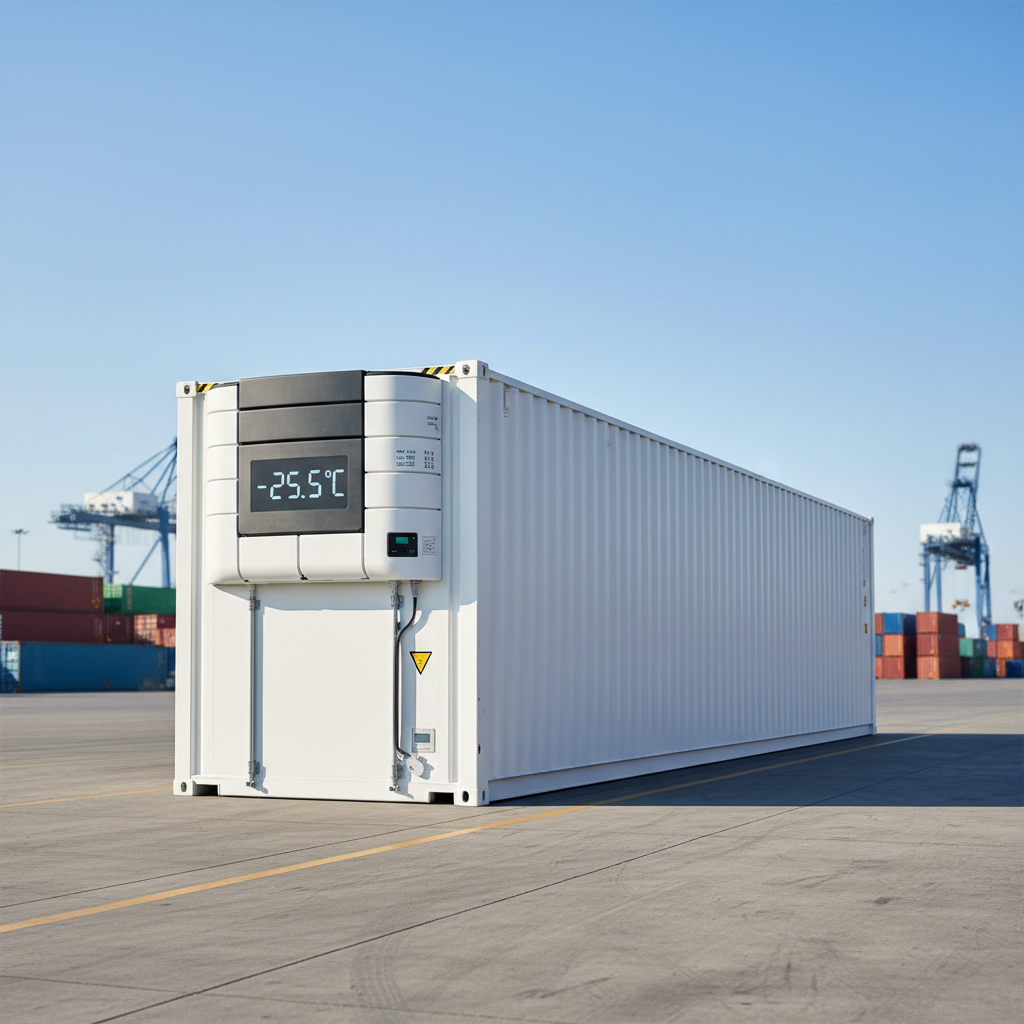
July is a high-stakes month for anyone managing temperature-sensitive inventory. As ambient temperatures across the US hit their peak, older walk-in coolers fail, and agricultural harvests demand immediate thermal protection. If you are scouring the market for used refrigerated shipping container prices 2026, you've likely noticed that the market is tightening. Unlike standard dry boxes, a 'reefer' is a sophisticated piece of machinery. You aren't just buying a steel box; you are buying a 3-phase electrical cooling plant housed within a T-grade aluminum floor and food-grade stainless steel interior.
Table of Contents
- used refrigerated shipping container prices 2026: Average Reefer Container Cost 2026: Pricing Tiers
- What Affects Used Refrigerated Container Pricing?
- Operational Costs: Beyond the Purchase Price
- The 2026 Resale Landscape: Cooling Technology & Residual Value
- Strategic Sourcing: Regional Price Fluctuations & Logistics
- Evaluating Insulation Integrity and Shell Condition
- Frequently Asked Questions
used refrigerated shipping container prices 2026: Average Reefer Container Cost 2026: Pricing Tiers
In 2026, the second hand refrigerated container price is dictated by three factors: the age of the machinery (typically Carrier or Thermo King), the condition of the insulation (polyurethane foam), and the power configuration. Most industrial units require 460V 3-phase power, while specialized single-phase 20ft refurbished refrigerated containers command a premium because they can run on standard residential or small business grids.
| Container Type | Estimated 2026 Price Range (Used) | Best For |
|---|---|---|
| 20ft Standard Reefer | $6,800 - $9,500 | Small farms, restaurants, floral storage |
| 40ft High Cube Reefer | $8,200 - $12,500 | Bulk logistics, seafood, large harvests |
| Non-Working (Insulated Only) | $3,500 - $5,000 | Passive storage, dry goods, workshop shells |
| Refurbished 1-Phase Unit | $14,000 - $19,500 | Events, caterers, residential back-up |
What Affects Used Refrigerated Container Pricing?
When browsing for a used cold storage container for sale, the sticker price is only the beginning. You must account for the CSC plate status and the hours on the compressor. A unit with a recently serviced Carrier reefer unit price reflection will be higher because it offers reliability during the critical first year of ownership.
- Machinery Brand: Carrier Transicold and Thermo King dominate the market. Parts availability for these brands is ubiquitous, keeping the reefer container resale value high.
- Insulation Integrity: Delamination of the sandwich panels or 'blown' foam significantly reduces thermal efficiency and increases electric bills.
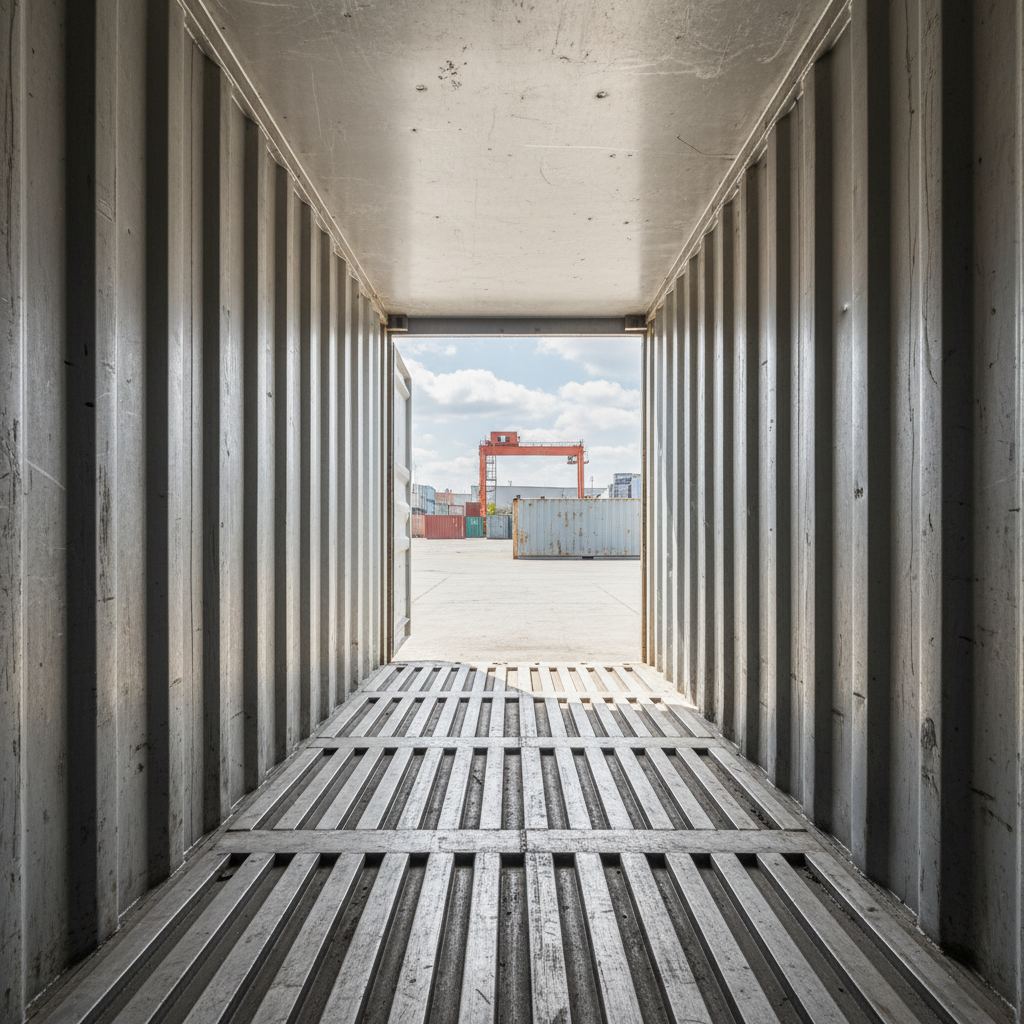
- Floor Condition: T-bar floors must be clear of debris. Heavy forklift use in the past can crush these bars, obstructing the vital airflow needed to maintain -20°F.
- Year of Manufacture: Units older than 15 years are often sold as 'as-is' because their compressors are nearing end-of-life.
Important: Never buy a reefer 'blind.' Always request a Pre-Trip Inspection (PTI) report. This is a 2–6 hour automated diagnostic that proves the unit can reach and hold its set-point temperature.
20ft vs 40ft Used Reefer Pricing
Counterintuitively, the price difference between 20ft and 40ft used reefers is often smaller than expected. Because 40ft high cube units are the global standard for the meat and produce trade, they are more plentiful in the secondary market. A 40ft HC working refrigerated container might only cost $1,500 more than a 20ft unit while providing double the pallet capacity.
Operational Costs: Beyond the Purchase Price
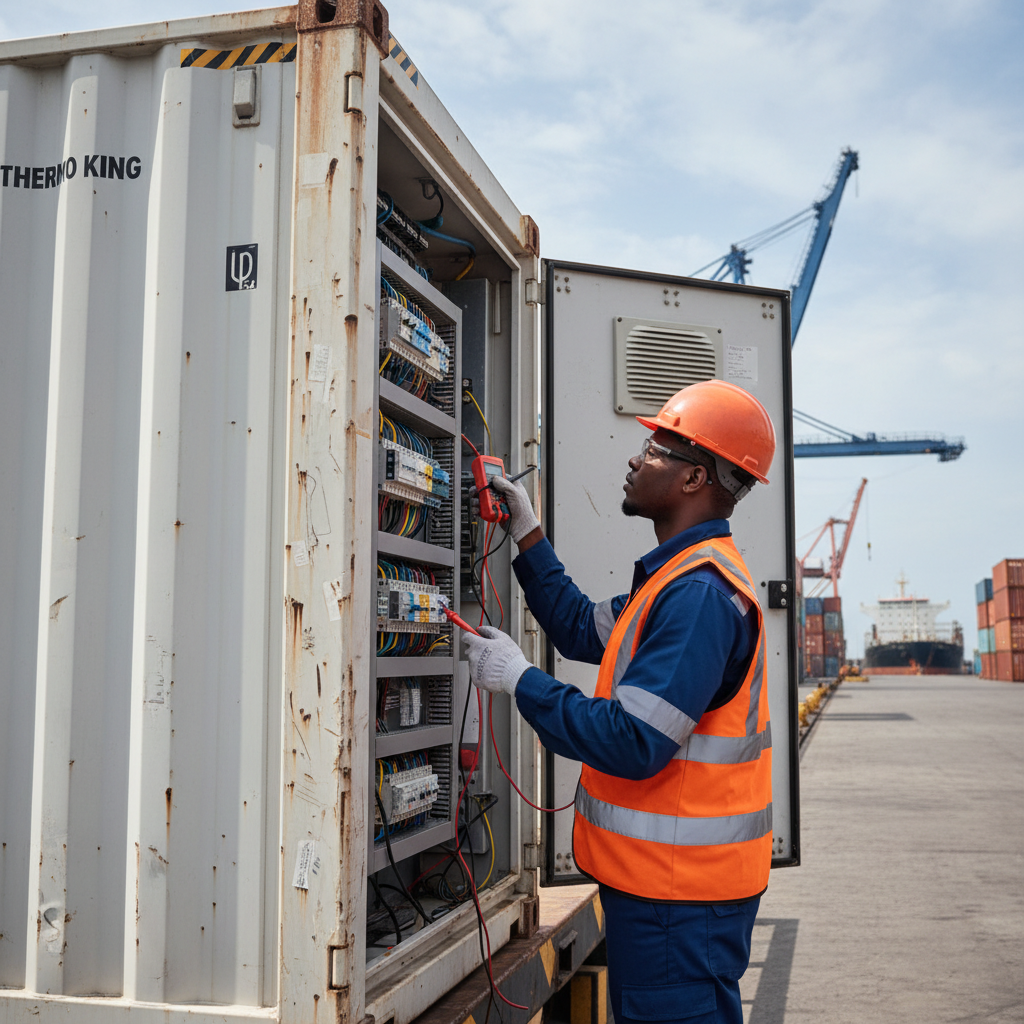
Before finalizing your purchase, consider the infrastructure. Most reefers are not 'plug and play' for a standard wall outlet. You will likely need a dedicated circuit. We detail these specifics in our reefer container electrical requirements guide. Additionally, consider the delivery. Since reefers weigh significantly more than dry containers (a 40ft reefer tare weight is approx 9,900 lbs), you need a firm surface for placement.
Tip: If you don't need active cooling but want to protect goods from extreme July heat, look for 'non-working' reefers. These insulated shipping container costs are much lower, and the 4-inch thick polyurethane walls offer incredible R-values for passive storage.
The 2026 Resale Landscape: Cooling Technology & Residual Value
By 2026, the market for used refrigerated containers (reefers) will be heavily influenced by the sunsetting of older R-134a refrigerant systems in favor of R-513A and CO2-based (R-744) units. Buyers looking for used inventory will find that units manufactured between 2016 and 2020 are hitting the secondary market in high volumes as tier-one shipping lines refresh their fleets. These mid-life units offer a 'sweet spot' for North American buyers, balancing modern digital scroll compressors with more accessible price points than brand-new builds.
The residual value of these units is no longer just tied to the structural integrity of the Corten steel frame or the food-grade T-bar flooring. Instead, 2026 pricing reflects the 'smart' capabilities of the machinery. Units equipped with integrated telematics and remote monitoring hardware command a $1,200 to $1,800 premium over 'dark' units. For buyers in the agricultural or pharmaceutical sectors, this integrated tech is mandatory for compliance, making older, non-connected units cheaper but potentially obsolete for high-stakes cold chain logistics.
| Component Grade | Estimated 2026 Price (40' High Cube) | Expected Remaining Life |
|---|---|---|
| Cargo Worthy (CW) - R-134a | $6,800 - $8,500 | 5-7 Years |
| Premium Refurbished - R-513A | $9,200 - $11,500 | 8-12 Years |
| As-Is (Untested/Non-Working) | $3,500 - $4,800 | N/A (Dry Storage Only) |
Tip: Pro-tip for 2026: Always check the 'Pre-Trip Inspection' (PTI) date. A 'Passed PTI' certificate within the last 30 days is the industry gold standard for ensuring the compressor, evaporator fans, and defrost cycles are operating at peak efficiency before the unit leaves the depot.
Strategic Sourcing: Regional Price Fluctuations & Logistics
Location remains the most significant variable in used reefer pricing across the United States. In 2026, we expect a widening price gap between port-heavy regions like the Gulf Coast and inland hubs like Denver or Kansas City. Shipping a 40' reefer via tilt-bed trailer can cost between $4.00 and $7.00 per mile; consequently, a 'cheap' $7,000 container in Houston can easily become a $10,000 investment by the time it reaches a rural farm in Nebraska. Buyers should prioritize sourcing from the nearest intermodal hub to minimize 'deadhead' delivery charges.
Furthermore, seasonal demand cycles create predictable price spikes. During the late Q3 and early Q4 harvest seasons, demand for portable cold storage surges, often driving up used prices by 15-20% as commercial farms scramble for overflow capacity. Purchasing during the 'off-peak' months of January and February typically yields the best negotiation leverage with container liquidators and wholesalers who are looking to clear inventory tax liabilities before the new fiscal year.
- Coastal Port Hubs (Long Beach, Savannah, Newark): Lowest purchase price, highest availability of late-model Carrier and Daikin units.
- Inland Rail Ramps (Chicago, Dallas, Memphis): Moderate pricing, includes additional 'repositioning' fees baked into the sticker price.
- Remote/Rural Delivery: High delivery surcharges; requires specialized heavy-lift equipment for offloading.
- Customized Reefers: Units modified with walk-in doors or internal lighting typically see a 25% markup over standard shipping configurations.
Important: Avoid buying reefers sight-unseen from online-only auctions. Ensure you receive a video of the unit reaching its set-point temperature (e.g., -20°C) and a clear photo of the data plate to verify the manufacture date and refrigerant type.
Evaluating Insulation Integrity and Shell Condition
When assessing a used reefer in 2026, the insulation's R-value is as critical as the mechanical components. Refrigerated containers use closed-cell polyurethane foam sandwiched between stainless steel inner linings and aluminum or steel outer skins. Over time, 'delamination' can occur—where the foam separates from the wall—creating air pockets that force the motor to work harder. Buyers should inspect the exterior walls for 'bubbling' or significant bowing, which indicates compromised thermal efficiency and higher monthly electricity bills.
The flooring system is another high-wear area that impacts long-term pricing. Standard reefers feature aluminum T-bar floors designed for airflow beneath palletized cargo. Used units often show damage from heavy forklift traffic, such as crushed 'Ts' or gouges in the metal. While minor cosmetic damage is expected in used inventory, structural breaches in the floor can lead to moisture ingress into the sub-floor insulation, leading to mold issues and permanent loss of cooling performance.
- Inspect the door gaskets for dry rot or tears to prevent thermal leakage.
- Check the 'scuff liner' (the bottom 12 inches of the interior wall) for punctures from pallet jacks.
- Verify the functionality of the 'Man-Trap' safety release on the primary doors.
- Audit the condenser coils for salt-air corrosion, especially in units sourced from coastal regions.
- Test the drain ports to ensure condensation can exit the unit without pooling.
Tip: If using the container for static ground storage, consider painting the exterior a light reflective color. This can reduce the 'heat soak' on the steel skin, potentially lowering energy consumption by 5-10% during peak summer months.
Container delivery near you
We deliver to every state in the lower 48 plus Alaska and Hawaii. These local pages list pricing, metro coverage and typical lead times for the areas we run into most:
- Shipping containers near me — how we source from the depot closest to your ZIP code
- Shipping containers in North Carolina — pricing and delivery to Charlotte and Raleigh
- Shipping containers in Arizona — pricing and delivery to Phoenix and Tucson
- Shipping containers in Washington — pricing and delivery to Seattle and Spokane
- Shipping containers in Colorado — pricing and delivery to Denver and Colorado Springs
Frequently Asked Questions
Buyers often have specific concerns regarding the longevity and utility of used cooling units. Here are the most common queries our team handles in 2026.
Whether you are expanding a commercial kitchen or prepping for a harvest, understanding how much is a shipping container in 2026 for cold storage is the first step toward a successful project. If you're ready to compare inventory for your project, our team can pull matching units from our nationwide depots to ensure you get a unit with a clean PTI and a solid service history.
Frequently Asked Questions
How much does a used reefer container cost in 2026?
In 2026, a working used 20ft refrigerated container typically costs between $6,800 and $9,500, while 40ft High Cube units range from $8,200 to $12,500 depending on the machinery's age and condition.
What affects used refrigerated container pricing?
The primary drivers are the brand of the cooling unit (Carrier vs Thermo King), the total run hours on the compressor, the physical state of the T-bar floor, and whether the unit has passed a recent Pre-Trip Inspection (PTI).
Is it better to buy a new or used reefer?
Buying used is significantly more cost-effective for static storage. A new reefer can exceed $25,000, whereas a used unit provides the same thermal performance for 40-60% less cost, provided the machinery is well-maintained.
How long do used refrigerated containers last?
A well-maintained used reefer can last another 10–15 years for static storage. The key is regular cleaning of the condenser coils and ensuring the power supply is stable to prevent motor burnout.
What is the price difference between 20ft and 40ft used reefers?
Usually, the price difference is only $1,000 to $2,000. Because 40ft units are more common in global shipping fleets, their supply often keeps their prices closer to the 20ft models despite having double the volume.
Can I run a used reefer on standard house power?
Most used reefers require 3-phase 460V power. However, you can find refurbished units modified for single-phase 230V power, though these units usually carry a higher price tag due to the modification costs.