Renting vs Buying Shipping Containers: 2026 Cost Comparison
By Outback Container Experts · Published July 23, 2026 · Last updated October 18, 2026
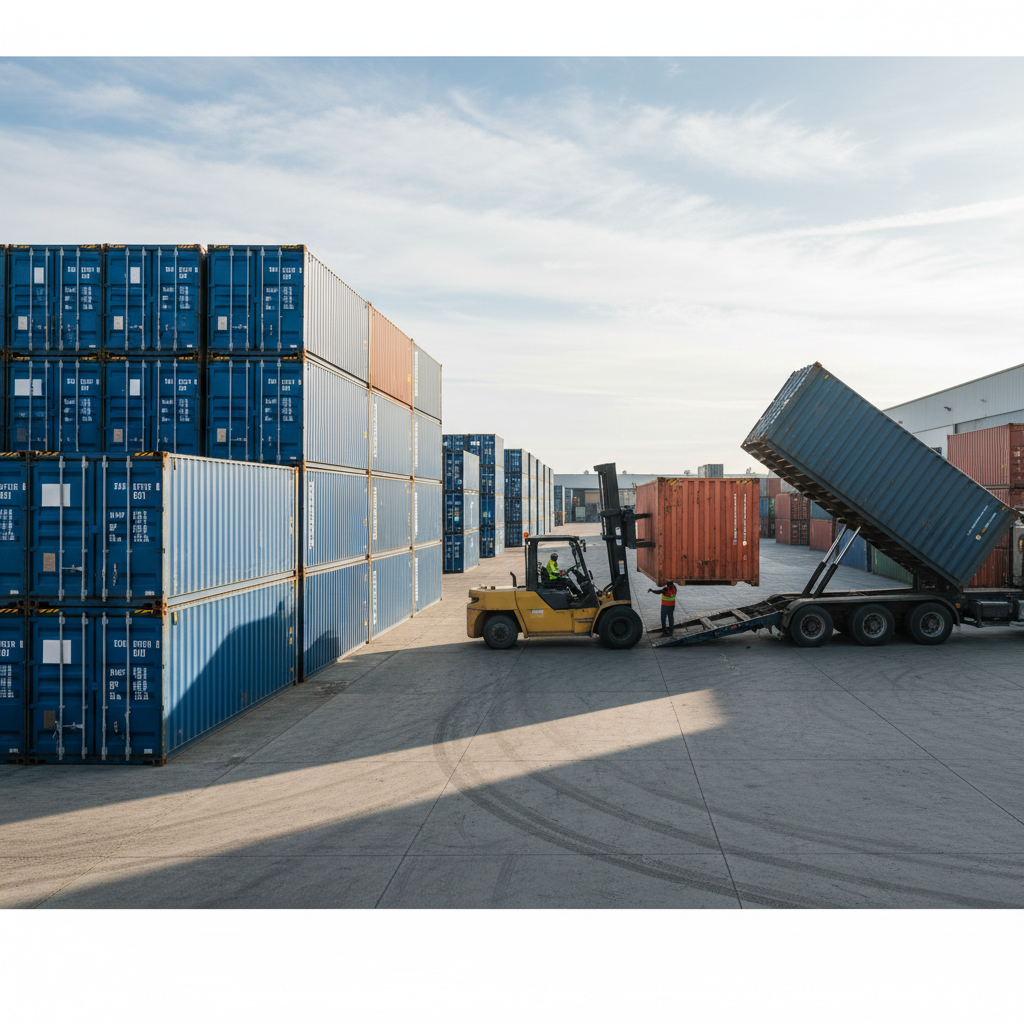
Deciding between renting and purchasing is the most frequent crossroads our customers face at Outback Shipping Containers. As we move through July 2026, the 'renting vs buying shipping containers cost comparison 2026' has shifted due to stabilizing steel prices and evolving IRS section 179 deduction limits. For a construction site manager or a retail business owner, the choice isn't just about the monthly bill—it's about delivery frequency, modification needs, and the eventual residual value of the asset. If you need storage for 24 months, the math almost always favors ownership; if you need it for a 12-week seasonal surge, renting is the clear winner. This guide breaks down the hard numbers to help you decide which path protects your bottom line.
Table of Contents
- renting vs buying shipping containers cost comparison 2026: The Ownership Model: Buy vs Lease Storage Containers
- The Rental Model: Monthly Container Rental Prices
- 2026 Container Market Pricing Trends: July Update
- When Renting is the Right Move
- The Real Cost of Modifications: Structural Integrity vs. Portability
- Logistics and Infrastructure: Hidden Costs of Site Preparation
- Depreciation Curves and the 2026 Resale Market
- Frequently Asked Questions
- Final Verdict: Should You Buy or Rent in 2026?
renting vs buying shipping containers cost comparison 2026: The Ownership Model: Buy vs Lease Storage Containers
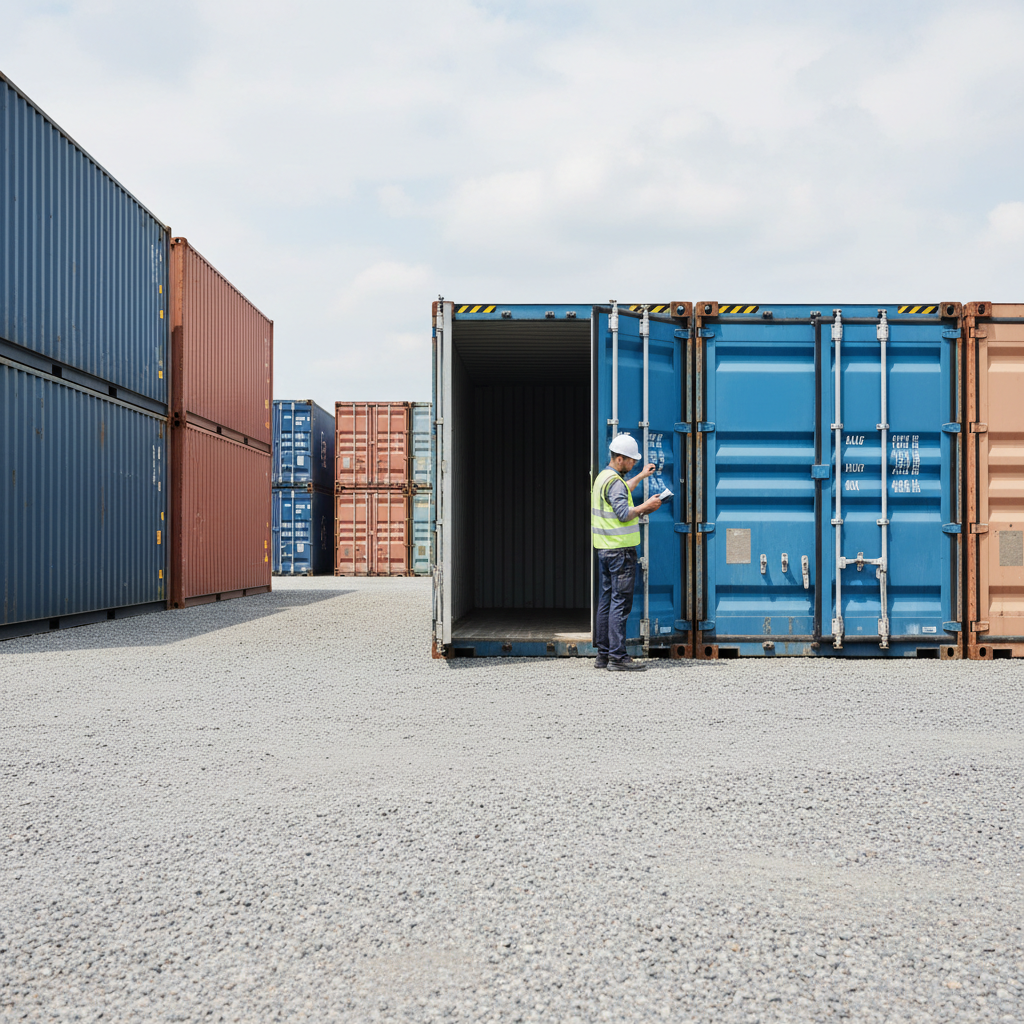
Buying a container is a capital expenditure (CAPEX). You own the box, you can modify it, and its depreciation life usually spans 10 to 20 years depending on local climate and maintenance. In the current 2026 market, a 40Ft Used Shipping Container is currently priced between $2,800 and $3,600 depending on its condition grade, while a 40ft New High Cube might range from $5,200 to $6,500. Ownership is ideal for long-term inventory storage, workshop conversions, or shipping container offices.
Primary Costs of Owning a Shipping Container
- Initial Purchase Price: The largest upfront hit, ranging from $1,800 for 20ft units to $7,000+ for specialty units.
- Delivery Fee: Usually a flat rate plus $3.50–$5.50 per mile from the nearest depot.
- Site Preparation: Gravel pads or concrete footings to prevent the floor from rotting.
- Maintenance: Annual lubrication of hinges and occasional rust touch-ups with Corroseal.
The Rental Model: Monthly Container Rental Prices
Renting is an operating expense (OPEX). It’s the preferred choice for temporary vs permanent container storage, especially for retail 'bridge' storage during holiday peaks. Shipping container rental rates 2026 have remained competitive, with 20ft units typically running between $125 and $175 per month, and 40ft units between $190 and $250. However, the 'hidden' cost of renting lies in the drayage—you pay for delivery and pickup, which can often exceed $500 total before you’ve even used the container for one day.
| Metric | Renting (20ft Standard) | Buying (Used 20ft WWT) |
|---|---|---|
| Upfront Cost | ~$500 - $700 (Delivery/1st month) | ~$2,200 - $2,800 (Total purchase) |
| Monthly Fee | $125 - $175 | $0 |
| Maintenance | Provider's responsibility | Owner's responsibility |
| Modifications | None allowed | Fully customizable |
| 12-Month Total | ~$2,500 | ~$2,800 |
| 24-Month Total | ~$4,300 | ~$2,800 |
Tip: The 'Break-Even Point' for container ownership is currently 18.2 months. If you intend to keep the unit for longer than a year and a half, buying 20ft Wind & Watertight units is statistically more cost-effective than renting.
2026 Container Market Pricing Trends: July Update
As of July 2026, we are seeing a slight softening in the used market due to an influx of cargo-worthy units from major carriers like Maersk and MSC. This makes the used category particularly attractive for buyers right now. Conversely, rental prices have stayed high because of increased demand in the logistics sector for on-site mobile storage. If you are looking at refrigerated containers, the rentals are notoriously expensive—often $600–$900 per month—making the purchase of a Used 40ft Reefer a much smarter play for food wholesalers or floral designers.
Factors Affecting Your Break-Even Point
Beyond the monthly rate, consider the following variables that can shift your financial analysis:
- Delivery Frequency: Every time a rental company moves a box, you pay. For mobile job sites that move every 3 months, owning your own 20ft Chassis and container is exponentially cheaper.
- Resale Value: A well-maintained 20ft box purchased for $2,400 in 2026 will likely still fetch $1,800 in 2030. Rentals have $0 terminal value for the user.
- Permitting: Some local AHJs (Authorities Having Jurisdiction) treat rentals as temporary equipment and owned containers as permanent structures. Check your state permit requirements first.
When Renting is the Right Move
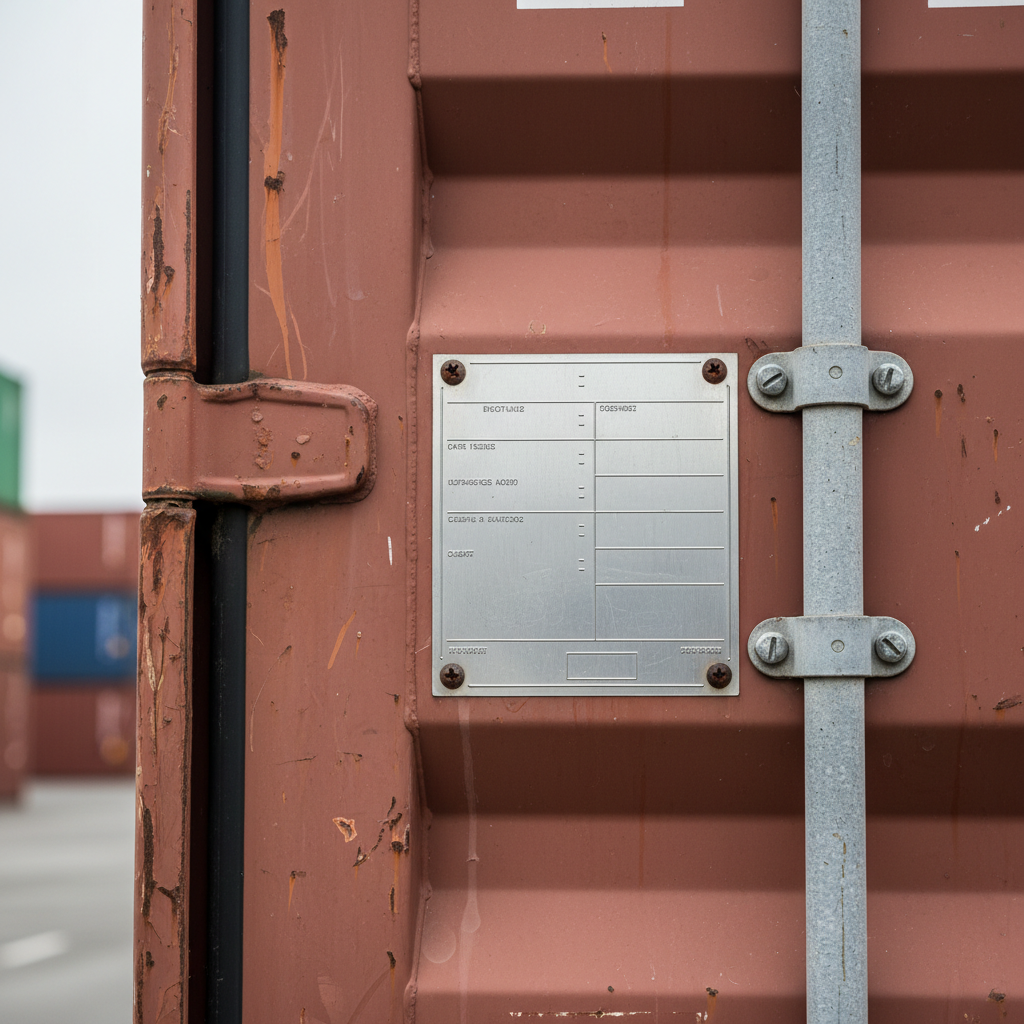
Renting isn't a bad deal—it's a flexibility tool. You prioritize renting when you have an uncertain project timeline or limited capital. If you don't have the heavy equipment (like a Hyundai Forklift) to move a unit yourself, a rental company’s full-service drop-and-swap model is convenient. Renting is also the best path if you are testing a new business concept, such as a mobile container office, before committing to a permanent bespoke build.
The Real Cost of Modifications: Structural Integrity vs. Portability
In 2026, the divergence between modified personal assets and vanilla rental units has widened significantly. When you opt for a purchase, you are paying for the freedom to compromise the 'six-wall' structural integrity of the CORTEN steel box. Modifying a container—whether it’s adding roll-up doors, HVAC systems, or industrial shelving—immediately complicates the financial math. For a 40ft High Cube, adding a personnel door and basic insulation can escalate the base purchase price of approximately $3,800 to over $7,200. These alterations nullify any potential for the box to be returned to a rental fleet, which is why rental companies strictly forbid even minor piercings of the steel skin.
If your facility requires a customized workspace or climate-controlled laboratory, the 'buying' route isn't just a preference; it's a regulatory necessity. Rental units are standardized for high-volume turnover. If you drill into a rented unit to run electrical conduit, you are liable for the 'Total Loss' value of the container upon return. Conversely, owners can leverage local zoning laws to classify these modified units as 'temporary structures,' often avoiding the higher property tax assessments associated with permanent brick-and-mortar expansions while still gaining specialized utility.
| Modification Type | Est. Cost (2026) | Impact on Resale |
|---|---|---|
| Roll-up Door (6ft-8ft) | $950 - $1,400 | High - Retail/Storage buyer demand |
| Spray Foam Insulation | $1,800 - $2,500 | Moderate - Niche buyer requirement |
| Windows with Security Bars | $600 - $900 | Variable - Reduces stackability |
| Solar Panel Mounting Kit | $1,200 - $3,000 | Positive - Off-grid appeal |
Important: Modification paradox: While adding features increases the utility of a purchased container, it significantly narrows your pool of buyers. Most logistics companies will not buy back modified units because they can no longer be ISO-certified for sea freight.
Logistics and Infrastructure: Hidden Costs of Site Preparation
One of the most overlooked variables in the renting vs buying shipping containers cost comparison for 2026 is the 'Delivery Delta.' When you rent, you are often subject to a two-way delivery fee—the drop-off and the eventual pick-up. With 2026 fuel surcharges and driver shortages, a single-trip tilt-bed delivery within 50 miles now averages $350 to $500. For a rental, this means your year-one sunken cost includes up to $1,000 just in transport. However, when buying, that second transport fee is deferred until you decide to sell the unit, which could be a decade away.
Site preparation is equally critical. Rental companies require a flat, hard surface to prevent the unit from 'settling' and warping the door frame (making it impossible to close the cam-locks). Owners of purchased containers often invest in more permanent footings, such as concrete piers or railroad ties. This upfront investment ensures the longevity of the floor cross-members, which are prone to rot if left sitting on wet soil. In a rental scenario, you may be tempted to skip these costs, but the resulting damage to the unit could trigger 'Damage Waiver' claims that exceed the cost of the foundation itself.
- Leveling Requirements: Renters must provide clear 100ft lead-up for 40ft units.
- Surface Integrity: Asphalt or gravel pads are preferred to prevent sinking during rainfall.
- Permit Overhead: Many MUNIs (Municipalities) charge monthly 'Temporary Use' fees for rentals.
- Retrieval Access: You must keep the path clear for the duration of the rental term.
Tip: Check your local 2026 zoning amendments. Many US counties have moved from 'Square Footage' taxes to 'Unit Count' taxes for containers, making one 40ft unit more cost-effective than two 20ft units.
Depreciation Curves and the 2026 Resale Market
Understanding the depreciation of a shipping container is vital for any prospective buyer. Historically, containers were seen as 'static assets' that held value well. However, in 2026, the market has bifurcated into 'One-Trip' units and 'WWT' (Wind and Water Tight) used units. A new One-Trip 20ft container purchased for $3,400 typically retains 85% of its value over the first 36 months if maintained. In contrast, monthly rental fees for a similar unit at $150/month would total $5,400 over three years—meaning the renter has spent $2,000 more than the purchase price and has zero equity to show for it.
The resale market in 2026 is bolstered by the 'Recycled Building' movement. Used Cargo Worthy (CW) containers are currently trading at a premium in the Midwest and Pacific Northwest due to high demand for ADUs (Accessory Dwelling Units). If your project duration is expected to exceed 18 months, purchasing a unit and selling it on the secondary market via platforms like Facebook Marketplace or specialized container brokers often results in a 'net cost of use' that is 60% lower than the cumulative rental fees over the same period.
| Scenario (3-Year Term) | Buy New (One-Trip) | Rent (Monthly) |
|---|---|---|
| Upfront Cost | $4,200 (Inc. Delivery) | $650 (First + Delivery) |
| Ongoing Fees | $0 (Self-Insured) | $5,400 ($150/mo + Insurance) |
| Residual Value | $3,100 (Est. Resale) | $0 |
| Total Net Cost | $1,100 | $6,050 |
Tip: To maximize resale value, preserve the original CSC plate on the door. This certification is required for any buyer looking to put the unit back into international shipping service.
Container delivery near you
We deliver to every state in the lower 48 plus Alaska and Hawaii. These local pages list pricing, metro coverage and typical lead times for the areas we run into most:
- Shipping containers near me — how we source from the depot closest to your ZIP code
- Shipping containers in Georgia — pricing and delivery to Atlanta and Savannah
- Shipping containers in North Carolina — pricing and delivery to Charlotte and Raleigh
- Shipping containers in Arizona — pricing and delivery to Phoenix and Tucson
- Shipping containers in Washington — pricing and delivery to Seattle and Spokane
- Shipping containers in Colorado — pricing and delivery to Denver and Colorado Springs
- Shipping containers Houston — local yard stock and lead times
Frequently Asked Questions
Our experts answer the most common questions regarding the cost differences between leasing and owning.
Final Verdict: Should You Buy or Rent in 2026?
The final decision on renting vs buying shipping containers cost comparison 2026 comes down to the 18-month rule. If your need is shorter than 12 months, rent to preserve capital. If your need exceeds 18 months, buy to build equity and avoid 'dead money' rental fees. For those in between, our Rent-to-Own program offers a hybrid path that allows you to apply monthly credits toward an eventual purchase.
If you're ready to compare inventory for your project, our team can pull matching units from our nationwide depots and provide a combined quote for purchase and delivery today. Whether you need a used workhorse or a New One-Trip Unit, we have the data to ensure you get the best ROI for your storage dollar.
Frequently Asked Questions
Is it cheaper to rent or buy a shipping container?
For short-term needs under one year, renting is cheaper due to lower upfront capital. However, for any duration exceeding 18 months, buying is significantly cheaper as you eliminate monthly fees and retain a resale asset value of 60-80% of your initial investment.
How long do you need to keep a container to make buying worth it?
The typical break-even point in 2026 is 18 months. Once you pay for delivery, pickup, and 18 months of rent, you have spent the equivalent of a high-quality used shipping container's purchase price.
What are the maintenance costs of owning a shipping container?
Expect to spend about $50–$100 per year. This includes lubricating door hinges and cam bars, and applying marine-grade paint to any scratches to prevent the Corten steel from developing deep pits.
Can I return a rented shipping container early?
Most rental contracts are month-to-month after an initial 3-month minimum. However, you will still be responsible for the pre-negotiated pickup fee, which can range from $250 to $600 depending on your distance from the depot.
Are container rental prices going up in 2026?
Rental prices for standard storage units have remained stable in July 2026, but specialty rentals like refrigerated units and office containers have seen a 5-8% increase due to higher demand for climate-controlled workspace.
Does renting a container offer better tax benefits?
Renting is a 100% tax-deductible operating expense (OPEX) in the year the cost is incurred. Buying is a capital expenditure (CAPEX) that must be depreciated, though Section 179 often allows businesses to deduct the full purchase price in year one.
Frequently asked questions
Is it cheaper to rent or buy a shipping container?
For short-term needs under one year, renting is cheaper due to lower upfront capital. However, for any duration exceeding 18 months, buying is significantly cheaper as you eliminate monthly fees and retain a resale asset value of 60-80% of your initial investment.
How long do you need to keep a container to make buying worth it?
The typical break-even point in 2026 is 18 months. Once you pay for delivery, pickup, and 18 months of rent, you have spent the equivalent of a high-quality used shipping container's purchase price.
What are the maintenance costs of owning a shipping container?
Expect to spend about $50–$100 per year. This includes lubricating door hinges and cam bars, and applying marine-grade paint to any scratches to prevent the Corten steel from developing deep pits.
Can I return a rented shipping container early?
Most rental contracts are month-to-month after an initial 3-month minimum. However, you will still be responsible for the pre-negotiated pickup fee, which can range from $250 to $600 depending on your distance from the depot.
Are container rental prices going up in 2026?
Rental prices for standard storage units have remained stable in July 2026, but specialty rentals like refrigerated units and office containers have seen a 5-8% increase due to higher demand for climate-controlled workspace.
Does renting a container offer better tax benefits?
Renting is a 100% tax-deductible operating expense (OPEX) in the year the cost is incurred. Buying is a capital expenditure (CAPEX) that must be depreciated, though Section 179 often allows businesses to deduct the full purchase price in year one.
About Outback Container Experts
This guide was prepared by the Outback Shipping Containers team, based on the questions our customers ask us most when buying, modifying and taking delivery of shipping containers. Learn more about us.
Ready to find your container?
Browse our in-stock shipping containers, container homes and custom builds, or ask our team for a free quote with delivery to your site.