When a Bespoke Container Build Makes Sense
By Outback Shipping Containers · Published July 22, 2026 · Last updated October 18, 2026
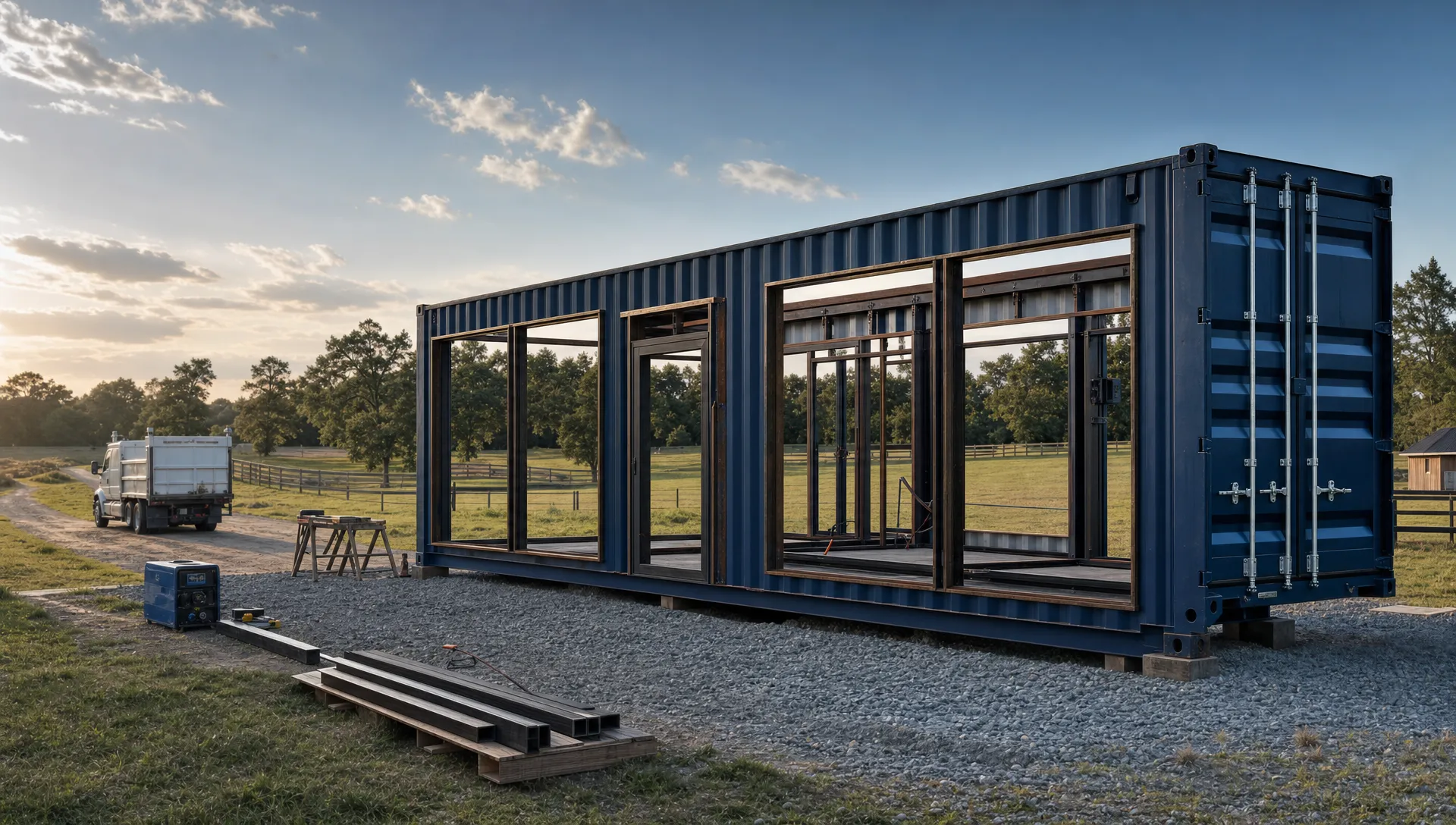
When a Bespoke Container Build Makes Sense
A bespoke container build makes sense when a standard cargo container cannot meet your layout, code, security, site, or business goals. If you only need dry storage, a wind and watertight 20ft or 40ft unit is usually enough. If you need a shipping container home, job-site office, retail unit, pool, workshop, or rental cabin with specific doors, windows, insulation, utilities, and finishes, custom work can be the smarter long-term choice.
Quick Answer: A bespoke container build is worth it when customization changes the outcome. Choose it when the container must support people, revenue, code compliance, harsh weather, special equipment, or a tight site plan. Skip it when basic storage or a short-term rental would solve the problem.
Key Takeaways
- A bespoke container is a custom-built conex box designed around a specific use, not just a standard ISO container with a lockbox.
- Custom builds make the most sense for homes, offices, workshops, retail spaces, pools, cabins, and high-value storage.
- The biggest cost drivers are structural cuts, insulation, HVAC, electrical, plumbing, interior finishes, engineering, delivery, and permits.
- A one-trip or high cube container is often preferred for living or work space because it is cleaner, taller, and easier to finish.
- Permits, zoning, foundations, and utility rules vary by city and county, so confirm requirements before fabrication starts.
What a Bespoke Container Build Really Means
A bespoke container is a shipping container conversion built for a specific purpose. It can start as a 10ft, 20ft, 40ft, 40ft high cube, or 45ft high cube intermodal container. From there, the builder modifies the shell, structure, openings, insulation, utilities, and interior to match the project.
This is different from buying a standard storage container. A standard unit may be new, one-trip, used, cargo-worthy, or WWT (wind and watertight), but it still works as a basic steel box. It is ideal for tools, inventory, feed, job-site materials, seasonal equipment, and secure storage.
A bespoke build goes further. It may include framed walls, spray foam insulation, mini-split HVAC, rough plumbing, electrical panels, roll-up doors, egress windows, commercial flooring, bathrooms, kitchenettes, welded partitions, security systems, or cladding. Some projects also require structural reinforcement where large wall sections are removed.
The key point is simple: use drives the shell. A farm storage conex box and a permitted Airbnb cabin may both begin as containers, but they are not the same product once design, code, comfort, and long-term value are considered.
If you are still comparing basic container types before deciding how much customization you need, Outback Shipping Containers has a helpful guide on types of shipping containers and when to use each.
When a Bespoke Container Is Worth the Extra Planning
A bespoke container build usually makes sense when one or more of the following conditions apply.
You need people to occupy the space
The moment people will work, sleep, cook, bathe, or serve customers inside the container, the project changes. Comfort and safety matter. That means insulation, ventilation, electrical work, lighting, fire safety, exits, moisture control, and sometimes plumbing.
For a shipping container home or tiny home, you also need to think about ceiling height, energy code requirements, window placement, emergency egress, wastewater, foundation design, and local zoning. A standard dry container is not built for residential use out of the box.
High cube containers are often a better starting point for occupied spaces. A standard container is about 8ft 6in tall outside, while a high cube is about 9ft 6in tall outside. That extra foot helps after you add insulation, flooring, lighting, ducts, and ceiling finishes.
The container must produce revenue
Airbnb hosts, campground owners, developers, food vendors, and retail operators often need more than a basic container. A rental cabin needs guest comfort. A mobile retail unit needs storefront access and attractive finishes. A pool needs proper structural design, liner systems, filtration, and safety planning.
In these cases, custom work is not just a design choice. It affects revenue, reviews, durability, and maintenance costs. A cheap build can cost more later if it has condensation problems, poor ventilation, weak doors, or code issues.
The site has unusual constraints
Some properties are easy. Others are remote, sloped, wooded, coastal, muddy, narrow, or limited by power lines. A bespoke container can be designed around those constraints before delivery.
For example, a ranch may need a workshop with double doors on one long side because equipment enters from a gravel lane. A contractor may need a site office with windows facing a gate and secure tool storage on the opposite end. A rural cabin may need off-grid systems, extra corrosion protection, and a foundation plan that works with uneven ground.
A container is strong, but delivery still matters. A tilt-bed truck often needs a long, straight approach. As a rough planning guide, a 20ft container may require 100ft of straight clearance, while a 40ft container may require 120ft. Exact needs depend on the truck, terrain, turning radius, and placement method.
Security and durability are critical
Construction firms, farms, and small businesses often choose containers because steel walls, cargo doors, and lockboxes make them tougher than sheds. A bespoke build can add partitions, tool cages, roll-up doors, security windows, ventilation, electrical outlets, and exterior lighting.
For high-value tools, chemicals, seed, electronics, or job-site equipment, the right custom layout can reduce theft risk and save labor. It can also prevent daily frustration. A crew that can access materials quickly wastes less time.
A standard size does not fit the job
Most buyers start by comparing 20ft and 40ft containers. That is smart, but size alone does not solve every project. Door placement, ceiling height, wall openings, interior partitions, and equipment clearances can matter more than length.
Here are common exterior dimensions for standard ISO container sizes. Actual interior dimensions, tare weight, and payload capacity vary by manufacturer and container condition, so always confirm the data plate before engineering or loading.
| Container type | Typical exterior size | Typical use | Planning note |
|---|---|---|---|
| 10ft standard | 10ft x 8ft x 8ft 6in | Tight-site storage, small equipment | Easier to place, less interior flexibility |
| 20ft standard | 20ft x 8ft x 8ft 6in | Storage, workshops, compact offices | Common tare weight is about 4,800 lb |
| 40ft standard | 40ft x 8ft x 8ft 6in | Large storage, homes, offices | More floor area, harder placement on tight sites |
| 40ft high cube | 40ft x 8ft x 9ft 6in | Homes, offices, retail, taller equipment | Better for insulation and finished ceilings |
| 45ft high cube | 45ft x 8ft x 9ft 6in | Larger modular builds | Confirm local transport and placement access |
Container dimensions are based on international freight standards. For technical reference, ISO publishes the ISO 668 container dimensions and ratings standard, which covers Series 1 freight container classifications, dimensions, and ratings.
For a deeper size comparison before choosing a shell, review Outback's standard container size guide for storage and builds.
Bespoke vs Modified vs Standard Containers
Many buyers use custom and modified as if they mean the same thing. In practice, there is a useful difference.
A standard container is purchased as-is for storage or shipping use. A modified container has a few practical upgrades. A bespoke container is designed around a full use case, often with drawings, utilities, finishes, and code considerations.
| Option | Best fit | Common features | Main advantage | Main caution |
|---|---|---|---|---|
| Standard container | Basic storage, materials, equipment | Cargo doors, vents, steel shell | Lowest complexity | Not designed for comfort or occupancy |
| Modified container | Workshops, tool rooms, simple offices | Roll-up doors, man doors, windows, vents, lockboxes | Faster than full custom | Layout choices may be limited |
| Bespoke container | Homes, offices, retail, pools, cabins, rentals | Insulation, HVAC, electrical, plumbing, finishes, structural changes | Built around the project | Requires more planning, permitting, and coordination |
A standard container is a product. A bespoke container is a project. That difference affects schedule, cost, site prep, drawings, inspections, and delivery.
For some buyers, a modified container is the sweet spot. A contractor who needs a secure office with lights, a door, two windows, and outlets may not need a fully bespoke layout. A developer building a rentable cabin with a bathroom, kitchenette, HVAC, deck connections, and finish package probably does.
Design Choices That Drive Cost and Performance
The shell is only the starting point. Most of the value in a bespoke build comes from the decisions made after the container is selected.
Shell condition
New one-trip containers are popular for homes, offices, and higher-end conversions because they usually have fewer dents, cleaner interiors, and more consistent appearance. Used containers can work well for storage, workshops, and budget-conscious builds, especially when they are CWO (cargo-worthy) or WWT certified.
For living spaces, ask about the floor. Many cargo containers use marine-grade plywood. Depending on the project, builders may encapsulate, seal, or replace the floor during conversion. This is especially important for homes, cabins, offices, and food-related uses.
Structural cuts
Containers get much of their strength from corner posts, rails, and corrugated steel walls. Cutting small openings for windows and doors is common. Cutting large wall sections for sliding glass doors, storefronts, garage openings, or combined multi-container rooms needs careful reinforcement.
A large opening may require tube steel framing, headers, posts, welding, and engineering review. Roof decks, stacked containers, heavy equipment, or snow load areas can also require added structure.
Insulation and condensation control
Steel sweats when warm, moist air meets a cold surface. That is why insulation and ventilation are not optional for occupied spaces. Poor insulation can lead to condensation, mold, corrosion, comfort problems, and high energy bills.
Common insulation choices include closed-cell spray foam, rigid foam board, mineral wool, and hybrid wall systems. The best option depends on climate, budget, code requirements, and how the container will be used.
Utilities and finishes
Electrical work, plumbing, HVAC, bathrooms, kitchens, flooring, lighting, interior framing, and exterior cladding all add complexity. These systems also affect inspections and long-term maintenance.
For a workshop, outlets and ventilation may be the priority. For a container home, the priority may be thermal performance, egress, plumbing, sound control, and a clean interior layout. For a job-site office, durability and fast deployment may matter more than premium finishes.
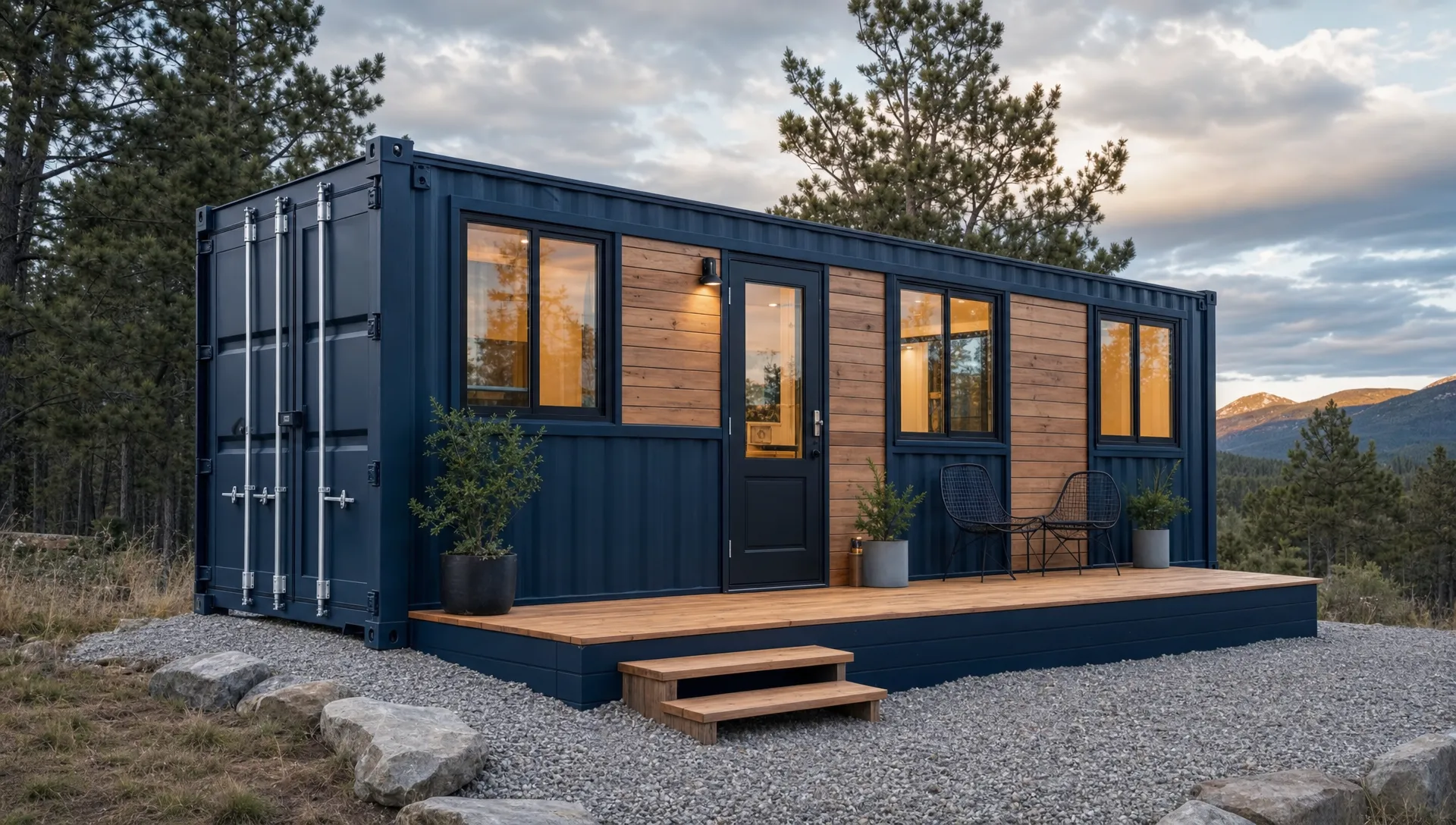
Good Use Cases for a Bespoke Container Build
Bespoke containers are not for every buyer. They shine when the finished unit must do a job that a plain conex box cannot.
Shipping container homes and tiny homes
A container home can make sense for buyers who want a smaller footprint, a durable shell, and a modular approach. The appeal is clear, but the planning is real. You need to account for zoning, foundations, energy code, egress, utilities, septic or sewer, water, electrical service, and local inspection rules.
A 20ft container can work for a compact studio or bunkhouse. A 40ft high cube is often more practical for a one-bedroom design because it provides more length and height. Multi-container homes add space, but they also add engineering, waterproofing, connection details, and site work.
If you want to compare a real compact home-style layout, Outback lists a custom 20ft shipping container house with current product details and online pricing.
Modular offices and job-site workspaces
Construction companies, logistics yards, farms, and small businesses often need office space fast. A bespoke or modified office container can include insulation, HVAC, desks, restroom options, plan tables, electrical outlets, windows, and secure storage.
Compared with traditional construction, a container office can reduce site disruption and allow relocation when a project changes. It is also easier to secure after hours. For more workspace-focused planning, see Outback's guide to a modular container office for business.
Workshops and farm buildings
Farm and ranch owners often need tough, weather-resistant space for tools, parts, feed, pumps, welding equipment, and seasonal supplies. A bespoke workshop can add roll-up doors, ventilation, workbenches, lighting, shelving, and power.
The right layout matters. Doors should match tractor paths, loading areas, and daily workflow. Ventilation should match stored materials and equipment use. In hot, cold, or humid climates, insulation may protect both people and inventory.
Retail, food service, and event units
Retail kiosks, coffee shops, ticket booths, and event units can benefit from a container shell because it is portable, recognizable, and durable. But commercial use adds more rules. You may need health department approval, ADA access, fire safety, electrical inspections, signage permits, and occupancy approvals.
A bespoke build is usually needed here because window placement, counters, plumbing, finishes, customer flow, and service doors must match the business model.
Container pools and outdoor living projects
A container pool is not just a box filled with water. It needs structural planning, waterproofing, filtration, safe access, code review, and proper site support. Soil, drainage, fencing, setbacks, electrical bonding, and local pool rules all matter.
This is a good example of a project where custom work is necessary. The final product has to hold water safely, resist corrosion, and meet local requirements.
Costs, Timelines, and Risks to Plan Before You Build
The cost of a bespoke container depends on the shell, condition, location, modifications, finishes, site work, and delivery. A plain used WWT storage container is a different cost category than a finished 40ft high cube home with plumbing, HVAC, windows, and interior finishes.
Because container prices move with location, steel markets, availability, delivery distance, and condition, the safest approach is to get an itemized quote. Ask what is included, what is excluded, and what may change after site review.
Here are the cost drivers that usually matter most.
| Cost driver | Why it matters | Risk if ignored |
|---|---|---|
| Base container | New, one-trip, used, CWO, WWT, standard, or high cube | Wrong shell can limit the design |
| Structural openings | Doors, windows, storefronts, pass-throughs | Weak walls, leaks, or failed inspections |
| Insulation and HVAC | Comfort, energy use, condensation control | Sweating steel, mold, high utility costs |
| Electrical and plumbing | Occupancy, work use, kitchens, bathrooms | Rework, failed inspection, safety issues |
| Foundation and site prep | Level support, drainage, frost, wind | Doors bind, water pools, settlement occurs |
| Delivery and placement | Truck access, crane needs, remote sites | Delays, extra equipment, site damage |
| Permits and engineering | Zoning, code, occupancy, safety | Stop-work orders or redesign |
A simple modified storage unit may move quickly. A permitted home, pool, retail unit, or multi-container build can take much longer because drawings, engineering, local approvals, utility work, and inspections affect the schedule.
Do not judge the project only by the container shell price. For many custom builds, the shell is one of the smaller pieces of the full budget. The expensive parts are often labor, systems, finishes, foundation work, engineering, transport, and compliance.
Permits, Codes, and Delivery Questions to Answer Early
Bespoke work starts before fabrication. The best time to find a zoning issue is before the first wall is cut, not after the finished container arrives.
Rules vary by state, county, city, and property type. A container used for agricultural storage may face different rules than a container used as a dwelling, public retail unit, rental cabin, or job-site office. Always check with the local building department, zoning office, health department, fire marshal, and utility providers when those agencies apply.
The FEMA building code resources are a useful starting point for understanding why code adoption and enforcement vary across the United States. Local officials still make the final call for your project.
Before you approve fabrication, answer these questions:
- What is the legal use of the unit: storage, office, dwelling, rental, retail, pool, or accessory structure?
- Does local zoning allow that use on the property?
- What permits are needed for foundation, electrical, plumbing, septic, HVAC, or occupancy?
- Are stamped drawings or engineering calculations required?
- What wind, snow, seismic, flood, or energy requirements apply?
- Can the delivery truck reach the exact placement area safely?
- Is the pad level, drained, compacted, and ready for the container weight?
- Will the project need a crane, forklift, tilt-bed truck, or special road access?
Also understand certification language. CWO means cargo-worthy and generally suitable for shipping after inspection. WWT means wind and watertight, which is often enough for storage. A CSC plate relates to international shipping approval and container data. Do not treat the CSC plate as a building approval.
When a Bespoke Container Build Does Not Make Sense
A custom build is not always the right answer. Sometimes a standard or lightly modified container is better.
Choose a standard container if you only need secure dry storage for tools, supplies, furniture, inventory, or equipment. A WWT used unit may give you the durability you need without paying for custom fabrication.
Choose a rental or lease option if the need is temporary. For short job-site use, seasonal storage, or uncertain project timelines, buying a bespoke unit may tie up money in a solution you will not use long enough. Outback Shipping Containers works alongside LeaseLink Containers, its leasing arm, for customers who need a different ownership path.
Avoid a bespoke build if you have not checked permits. This is especially true for homes, rental cabins, pools, retail units, and offices open to employees or the public. If the local authority will not approve the use, a finished container can become an expensive storage box.
Be cautious if the budget only covers the shell. A container conversion needs site prep, utility connections, delivery, interior work, and inspection planning. If those items are not in the budget, pause and refine the scope.
A Simple Decision Checklist
Use this checklist before you request a quote. It will make the conversation faster and help avoid missing details.
- Define the use in one sentence, such as secure farm workshop, 40ft high cube office, or 20ft rental cabin.
- Choose the starting size based on function, delivery access, and finished interior height.
- Decide whether the shell should be one-trip, used CWO, refurbished, WWT, standard height, or high cube.
- Mark every opening, including man doors, cargo doors, roll-up doors, windows, vents, and service hatches.
- List every system needed, including HVAC, electrical, plumbing, lighting, data, insulation, and ventilation.
- Confirm local zoning, permits, foundation needs, setbacks, utility rules, and inspection steps.
- Check delivery access, overhead clearance, turning space, surface firmness, and final placement method.
- Request an itemized quote that separates container, fabrication, finishes, delivery, and optional upgrades.
This process also helps first-time buyers avoid scams and hidden fees. A trustworthy supplier should be willing to discuss condition, certifications, delivery logistics, and what is included in the price.
Frequently Asked Questions
What is a bespoke container?
A bespoke container is a shipping container modified for a specific use, layout, and finish level. It may include doors, windows, insulation, HVAC, electrical, plumbing, structural reinforcement, and interior finishes. It starts as an ISO cargo container, but the finished unit is built around the buyer's project.
Is a bespoke container cheaper than building a small structure?
Sometimes, but not always. A container can reduce framing time and provide a durable steel shell, but custom openings, insulation, utilities, permits, foundations, and delivery still cost money. The best comparison is a full project budget, not just the container shell price.
Do I need a permit for a custom shipping container?
It depends on location and use. Storage containers, offices, homes, pools, and retail units can fall under different rules. Cities and counties may regulate zoning, setbacks, foundations, electrical, plumbing, occupancy, and aesthetics. Always confirm with local authorities before fabrication begins.
Is a 20ft or 40ft container better for a custom build?
A 20ft container is easier to place and can work for compact offices, studios, and workshops. A 40ft or 40ft high cube offers more usable space and is often better for homes, retail, and larger offices. High cube height helps when adding insulation and ceiling finishes.
Should I use a new or used container for a bespoke build?
Use a one-trip container when appearance, cleanliness, and long-term finish quality matter. Used CWO or WWT containers can work for storage, workshops, and budget builds. For homes, offices, and customer-facing units, many buyers prefer newer shells because they require less cosmetic repair.
Can a bespoke container be delivered to a rural property?
Yes, many containers can be delivered to rural and remote sites, but access matters. The route must support the truck, turning radius, overhead clearance, ground firmness, and final placement method. Steep grades, soft soil, narrow gates, and low branches should be reviewed before delivery.
Final Thoughts
A bespoke container build makes sense when the finished unit must solve a specific problem that a standard container cannot. That may be comfort, code compliance, revenue, security, workflow, or site fit. The more the container affects daily use or long-term value, the more custom planning matters.
If you are ready to compare sizes, conditions, and custom options, start with Outback Shipping Containers to review available container solutions, request current pricing, and talk through delivery logistics for your site.
About Outback Shipping Containers
This guide was prepared by the Outback Shipping Containers team, based on the questions our customers ask us most when buying, modifying and taking delivery of shipping containers. Learn more about us.
Ready to find your container?
Browse our in-stock shipping containers, container homes and custom builds, or ask our team for a free quote with delivery to your site.