Smart Container Solutions for Storage, Work and Living
By Outback Shipping Containers · Published July 20, 2026 · Last updated October 18, 2026
Smart Container Solutions for Storage, Work and Living
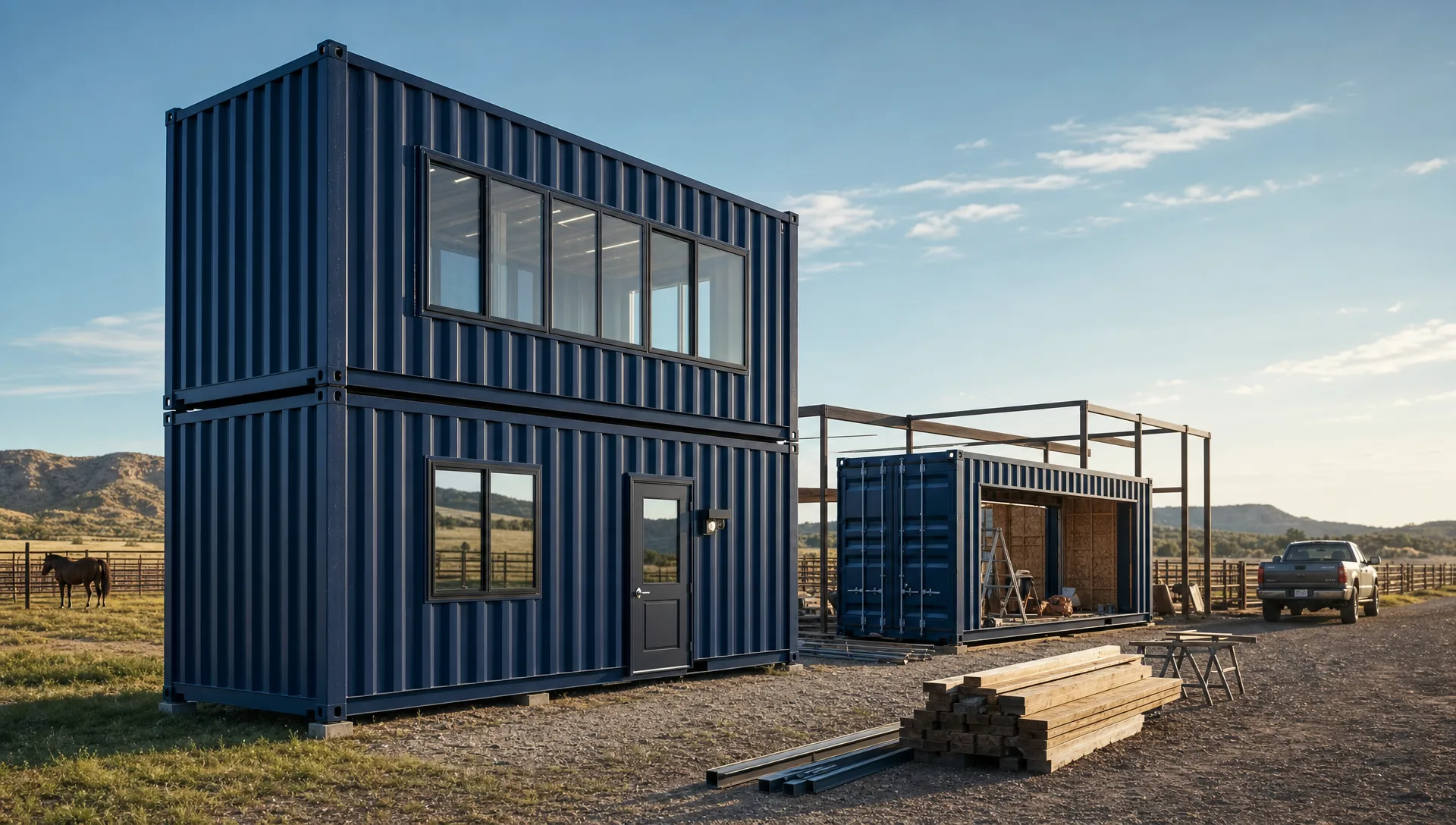
Smart container solutions turn ISO shipping containers into practical space for storage, work, and living. The right setup starts with one clear question: what job does the container need to do? A secure farm storage unit, a job-site office, and a shipping container home all need different sizes, conditions, foundations, insulation, and permit planning.
Quick Answer: Smart container solutions use new, used, or converted shipping containers to solve space problems fast. Choose the use case first, then match the container size, condition, certification, delivery access, and local code requirements before you buy.
Key Takeaways
- Storage buyers usually care most about security, WWT condition, delivery access, and total cost versus renting.
- Workplace buyers should plan for doors, windows, HVAC, electrical, insulation, and safe access before choosing a container office.
- Living projects need more planning because permits, zoning, energy codes, foundations, plumbing, and inspections vary by location.
- 20ft containers are easier to place and move, while 40ft and high cube containers offer more usable space per delivery.
- Certified condition matters. Know the difference between one-trip, cargo-worthy, CWO, WWT, refurbished, and modified units.
What Makes Container Solutions “Smart”?
A shipping container is more than a steel box. It is a standardized intermodal container built to move freight by ship, rail, and truck. That makes it strong, stackable, portable, and useful long after its first life in cargo service.
A smart container solution matches the container to the problem. It does not start with the cheapest conex box on the market. It starts with the load, location, access, weather, code requirements, and how people will use the space.
For example, a contractor may need a 20ft cargo container with lockbox protection for tools. A ranch owner may need a 40ft WWT unit for feed, tack, or equipment. A small business may need a container office with HVAC and electrical. A property owner may need a larger container conversion for an ADU, cabin, or rental unit.
The main advantage is speed. Traditional construction can take months just to get started. A container can often be delivered and set quickly once the site is ready. That speed helps on job sites, farms, retail lots, and remote land.
The second advantage is flexibility. Containers can be used as temporary storage, permanent workshops, modular offices, tiny homes, guest houses, pool structures, or retail units. If your needs change, many units can be moved, modified, sold, or expanded.
The third advantage is predictability. ISO container dimensions are standardized under international rules such as ISO 668 for Series 1 freight containers. Exact interior measurements vary by manufacturer and modification, but the basic footprint is known before you plan your site.
Container Solutions for Storage
Storage is the most common reason people buy shipping containers. It is also the simplest use case. You usually do not need plumbing, interior walls, or complex finishes. You need dry, secure, accessible space.
Best storage uses
Shipping containers work well for many storage needs because they are built from heavy steel, have cargo doors, and can sit outdoors with basic site prep. Common uses include:
- Construction tools and materials
- Farm and ranch equipment
- Landscaping supplies
- Retail inventory
- Seasonal business storage
- Household overflow during remodeling
- Vehicle parts, tires, and shop supplies
- Emergency supplies or disaster recovery gear
For storage, the main choice is often between a 20ft and 40ft container. A 20ft unit is easier to place in tight areas. It works well in driveways, smaller lots, job sites, and farms with narrow access roads. A 40ft unit offers about twice the floor space, but it needs more room for delivery and door swing.
WWT versus CWO for storage
For most ground storage, a WWT unit is a strong fit. WWT means wind and watertight. It should keep rain and wind out when doors, seals, roof, walls, and floor are in serviceable condition. A WWT container can have dents, surface rust, patches, or cosmetic wear.
CWO means cargo-worthy. A CWO container is generally suitable for cargo transport and has passed inspection for structural use. If you plan to ship loaded freight again, ask about CWO condition and documentation. If you only need on-site storage, WWT may be enough.
One-trip containers are the cleanest and newest common option. They have usually made one cargo trip from the factory to the destination market. They cost more than used containers, but they have fewer dents, cleaner paint, better door seals, and a longer remaining service life.
Storage features worth considering
A basic storage container can be improved without turning it into a full conversion. Practical upgrades may include a lockbox, vents, roll-up door, shelving, interior lights, personnel door, or partition wall.
Ventilation is easy to overlook. A steel container can trap humidity, especially in coastal, rainy, or high-temperature areas. Vents, moisture absorbers, raised flooring, and good site drainage help protect stored goods.
Security also matters. The strongest container is still only as secure as the lock and placement. A lockbox helps protect the padlock from bolt cutters. Good lighting, visible placement, cameras, and limited access can also reduce risk.
Container Solutions for Work
Work-focused container solutions include offices, workshops, break rooms, dispatch centers, guard shacks, and mobile job-site units. These projects need more planning than storage because people will spend time inside.
A bare steel container can become uncomfortable fast. It can get hot in summer, cold in winter, and loud in heavy rain. If workers will use the space daily, insulation, HVAC, electrical, lighting, and safe entry should be part of the plan.
Container offices for job sites and businesses
A container office can be a smart fit when a company needs workspace without building from scratch. Contractors use them for project managers and plan review. Farms use them for dispatch or admin space. Small businesses use them as back-office space, workshops, or customer check-in areas.
If you are comparing layouts, the guide to portable container office floor plans for construction gives a closer look at how job-site offices can be arranged around desks, storage, meeting space, and crew needs.
A 20ft office is compact and easy to place. It can work for one or two people, a small desk setup, plan table, or site check-in station. A 40ft office gives more room for multiple workstations, storage, a meeting table, or a split office and storage layout.
Workshop and trade uses
For trades, a container can become a secure workshop or tool room. Electricians, welders, mechanics, carpenters, and farm operators often use containers because tools stay close to the work area.
A workshop layout needs more than open floor space. Think through workbench depth, power needs, ventilation, lighting, tool storage, compressor placement, and safe movement around equipment. If sparks, fumes, chemicals, or fuel are involved, get professional advice on fire safety, ventilation, and local rules.
A high cube container can be useful here. Standard containers are 8 feet 6 inches tall outside. High cube containers are 9 feet 6 inches tall outside. That extra foot helps when adding insulation, ceiling finish, overhead lights, HVAC ducts, or taller equipment.
Container Solutions for Living
Living space is the most complex container use case. A shipping container home, guest house, ADU, cabin, or rental unit must be planned more like a building than a storage unit. That means design, engineering, permits, utilities, insulation, egress, ventilation, and inspections.
A container can be a good shell, but it is not a finished home by itself. Once you cut openings for windows and doors, remove wall sections, or stack modules, the structure may need reinforcement. A licensed professional should review structural changes, especially for multi-container builds.
Homes, ADUs, cabins, and rentals
Container homes attract buyers because they can be compact, durable, and design-friendly. They can also fit remote land, backyard guest space, or short-term rental projects. Still, they are not a shortcut around local building rules.
Zoning, septic, electrical permits, foundation requirements, snow loads, wind zones, flood zones, energy codes, and occupancy rules vary by city, county, and state. Always check with your local building department before ordering a container for a living project.
If you are researching multi-room layouts, this 3 bedroom shipping container home floor plans guide explains how larger residential layouts can work with multiple modules and careful floor planning.
Insulation and comfort
Steel conducts heat. That means an uninsulated container will follow outdoor temperatures closely. For living space, insulation is not optional in most climates.
Spray foam is common because it seals gaps and reduces condensation risk. Rigid foam, mineral wool, and framed wall systems can also work depending on budget, climate, interior finish, and code requirements. The best choice depends on your location and whether the unit will be inspected as a dwelling.
Moisture control is just as important as R-value. Poor ventilation can lead to condensation behind walls. That can damage finishes and create long-term issues. Plan for HVAC, fresh air, bathroom ventilation, kitchen exhaust, and drainage before interior walls go up.
Choosing the Right Size, Condition, and Certification
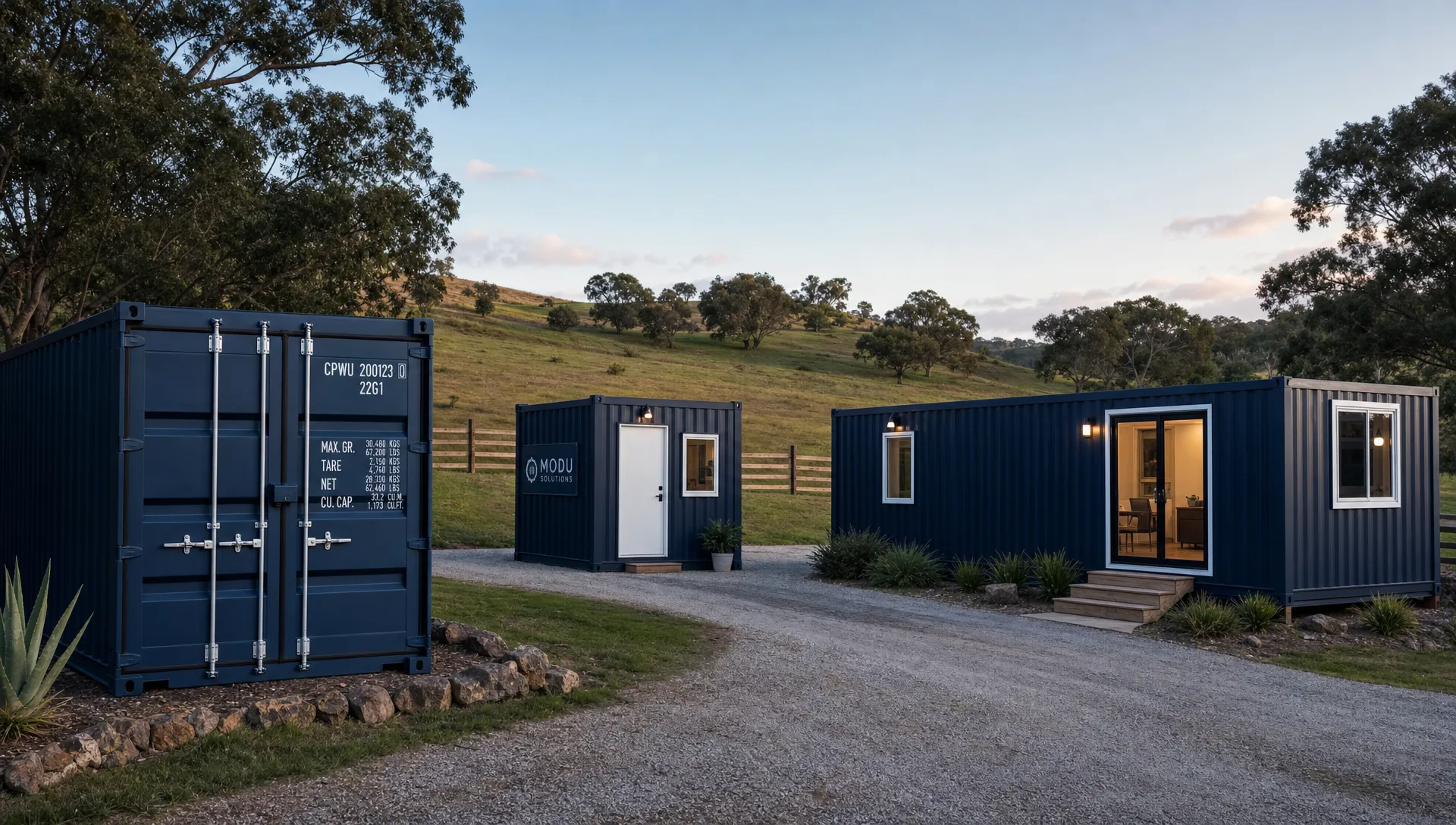
Choosing the right container starts with the footprint. Bigger is not always better. A 40ft container gives more storage and conversion space, but a 20ft container may be easier to deliver, place, and relocate.
Exact measurements and ratings vary by manufacturer, age, and modification. The figures below are common industry approximations for dry containers. Always confirm the spec sheet for the exact unit you are buying.
| Container type | Common exterior size | Typical interior length | Common use | Planning note |
|---|---|---|---|---|
| 10ft container | 10' x 8' x 8'6" | About 9' | Small storage, tools, tight sites | Often made by cutting down larger units, so specs vary |
| 20ft standard | 20' x 8' x 8'6" | About 19'4" | Storage, small office, workshop | Easier to place on residential and job sites |
| 40ft standard | 40' x 8' x 8'6" | About 39'5" | Bulk storage, larger office, conversion | Needs more truck access and level space |
| 40ft high cube | 40' x 8' x 9'6" | About 39'5" | Homes, offices, retail, workshops | Extra height helps with insulation and ceiling finish |
| 45ft high cube | 45' x 8' x 9'6" | About 44'5" | Large builds, commercial layouts | Delivery and permitting access may be more limited |
New, used, and refurbished containers
A new one-trip container is usually the best choice when appearance and long service life matter. It is also a strong candidate for container conversion projects because the shell starts in cleaner condition.
A used WWT container is often the best value for general storage. It may have cosmetic wear, but it should still protect contents from weather when properly inspected and maintained.
A refurbished container sits between those two. It may include repairs, new paint, better seals, and cosmetic improvements. Refurbished units can be useful when you want a better-looking storage unit without paying for one-trip condition.
Tare weight and payload capacity
Tare weight is the empty weight of the container. Payload capacity is how much cargo it can carry. These numbers matter if you plan to move the container loaded, store heavy materials, or place it on a foundation.
A standard 20ft container often has a tare weight around 5,000 pounds. A 40ft standard container is commonly around 8,000 pounds. Payload capacity can be much higher than most property owners will ever use, but the ground, truck, crane, forklift, and foundation must be able to handle the real load.
Do not guess on heavy storage. Concrete blocks, equipment, liquids, feed, batteries, or dense materials can add weight fast. If the unit will be moved while loaded, ask your carrier about legal weight limits and transport rules.
Site Planning, Delivery, Permits, and Total Cost Factors
A good container project can go wrong if the site is not ready. Delivery trucks need room to enter, turn, unload, and exit. The container also needs a stable, level surface that drains water away.
Delivery access
Most ground deliveries use a tilt-bed truck, roll-off trailer, flatbed, crane, or other specialized equipment. The right method depends on container size, site conditions, obstacles, and how exact the placement must be.
Plan for overhead and side clearance. Watch for trees, fences, gates, low wires, soft ground, steep driveways, septic fields, and tight turns. A 40ft unit needs 120 ft of straight-line space, which is much more than many first-time buyers expect.
The Federal Highway Administration’s commercial vehicle size guidance is a useful reference for understanding why truck length, width, and route limits matter. Local roads, bridges, and private access points can create additional limits.
Foundation and site prep
For storage, many buyers use compacted gravel, concrete piers, railroad ties, or concrete pads. The main goal is to keep the container level, support the corners, and prevent water from pooling under the floor.
For offices and living spaces, foundation needs are more serious. Local code may require piers, slab, footings, tie-downs, anchoring, or engineered plans. Wind, flood, frost depth, soil conditions, and seismic requirements may affect the design.
Do not place a container directly on soft soil if you want long service life. Poor drainage can speed up corrosion, make doors hard to operate, and cause the unit to settle unevenly.
Permit planning
Permit rules depend on use. A temporary storage container on a job site may have different rules than a backyard office or permanent ADU. Some areas limit container placement, color, screening, setbacks, or length of use.
Living space requires the most review. Contact your local building department before buying. Ask about zoning, occupancy, foundation, energy code, utility hookups, egress, fire safety, and inspections.
Total cost factors
The container price is only one part of the budget. Smart buyers also plan for delivery, site prep, modifications, permits, foundation, utilities, maintenance, and equipment rental.
Common cost drivers include:
- Container size and condition
- One-trip versus used or refurbished condition
- Distance from depot to site
- Delivery equipment needed
- Doors, windows, vents, insulation, HVAC, and electrical
- Engineering, permits, and inspections
- Foundation or pad work
- Paint, flooring, interior finish, and exterior trim
- Financing costs, if used
Outback Shipping Containers offers new, used, and custom units with nationwide delivery, inspected WWT options, transparent online pricing, instant quotes, and lender financing (only for container homes priced above $72,000, subject to lender approval). For larger commercial or temporary needs, LeaseLink Containers is the leasing arm.
If you need a ready-made workspace instead of a bare cargo container, compare a 20-foot container office for sale while you plan delivery access, power, and site prep.
Common Mistakes to Avoid Before You Buy
Many container problems start before delivery. The buyer picks a unit based on price alone, then finds out the doors are hard to open, the site is too tight, or permits do not allow the intended use.
Buying the wrong condition
A cheap used unit may be fine for storing fence posts. It may not be the right shell for a polished office, retail unit, or guest house. Cosmetic damage can be repaired, but deep corrosion, frame damage, roof leaks, and bad floors can raise costs fast.
Ask for clear condition details. If a unit is described as WWT, understand that it may still show dents, rust, patches, and signs of cargo use. If appearance matters, consider one-trip or refurbished condition.
Forgetting about door swing and access
Container cargo doors are heavy and need room to open. If the door end faces a fence, slope, wall, or parked equipment, daily use becomes frustrating.
For offices and homes, door placement becomes a design issue. A personnel door may work better on the side wall. But cutting new openings can require framing and reinforcement, especially on larger openings.
Ignoring condensation
Condensation is one of the most common container complaints. Warm moist air can hit cold steel and turn into water droplets. This can happen in storage units, workshops, and living spaces.
Ventilation helps. So does proper insulation, drainage, moisture control, and not storing wet materials inside. For finished interiors, plan the moisture strategy before walls are closed.
Not checking local rules early
Some buyers assume containers are allowed because they are common. That can be an expensive mistake. Rules vary widely by city, county, HOA, industrial park, and rural district.
Ask local officials simple questions before you buy. Can I place a container on this parcel? Is it temporary or permanent? Are there setback rules? Do I need a permit? Can it be used as occupied space? Are there appearance or screening rules?
Underestimating delivery logistics
Delivery is not just transportation. It is placement. A driver may need extra space, solid ground, and a clear path to unload safely.
Remote and rural sites need special attention. Roads may be narrow, bridges may have weight limits, and soft ground can trap heavy trucks. Good photos, measurements, and honest site details help the seller and carrier plan the right equipment.
Frequently Asked Questions About Container Solutions
What are container solutions used for?
Container solutions are used for storage, offices, workshops, homes, ADUs, cabins, retail spaces, pools, and job-site support. The best use depends on the container size, condition, modifications, site access, and local rules. Storage is simplest. Living space requires the most planning and permits.
Is it cheaper to build with shipping containers?
It can be cheaper for some projects, but it is not automatic. Savings depend on the design, condition of the container, delivery distance, foundation, permits, utilities, insulation, labor, and finishes. Simple storage is usually cost-efficient. Finished homes and offices need a full project budget.
What size shipping container is best for storage?
A 20ft container is best for tight sites, residential use, tools, and smaller equipment. A 40ft container is better for bulk storage, farm supplies, construction materials, or business inventory. If you need height for shelving or modifications, consider a high cube unit.
Do shipping container homes need permits?
Yes, in most cases. Permit rules vary by state, county, city, and zoning district. A shipping container home may need zoning approval, building permits, foundation plans, utility permits, energy code compliance, and inspections. Always speak with local authorities before purchasing a unit for housing.
What is the difference between WWT and cargo-worthy containers?
WWT means wind and watertight, which is usually suitable for ground storage. Cargo-worthy means the container has passed inspection for cargo transport and structural condition. CWO units may be needed if you plan to ship freight. For basic storage, WWT is often enough.
Can a shipping container be delivered to rural land?
Often, yes. Rural delivery depends on road width, bridge limits, overhead clearance, turn radius, slope, soil conditions, and unloading equipment. Send site photos and measurements before delivery. Remote sites may need extra planning, especially for 40ft or 45ft high cube containers.
Plan Your Container Project With the Right Partner
The smartest container solutions are practical, code-aware, and matched to the site. Start with the use case, then choose the right size, condition, delivery method, and modification path. That approach helps avoid hidden costs and makes the container easier to use for years.
Outback Shipping Containers supplies new, used, and custom shipping containers nationwide, including storage units, offices, container homes, pools, and modular builds. If you are comparing options, start with Outback Shipping Containers to review available container solutions, online pricing, lender financing (only for container homes priced above $72,000, subject to lender approval), and delivery support for your location.
About Outback Shipping Containers
This guide was prepared by the Outback Shipping Containers team, based on the questions our customers ask us most when buying, modifying and taking delivery of shipping containers. Learn more about us.
Ready to find your container?
Browse our in-stock shipping containers, container homes and custom builds, or ask our team for a free quote with delivery to your site.