Shipping Container ADU Financing: 2026 Grants & Loan Guide
By Outback Container Experts · Published July 22, 2026 · Last updated October 18, 2026
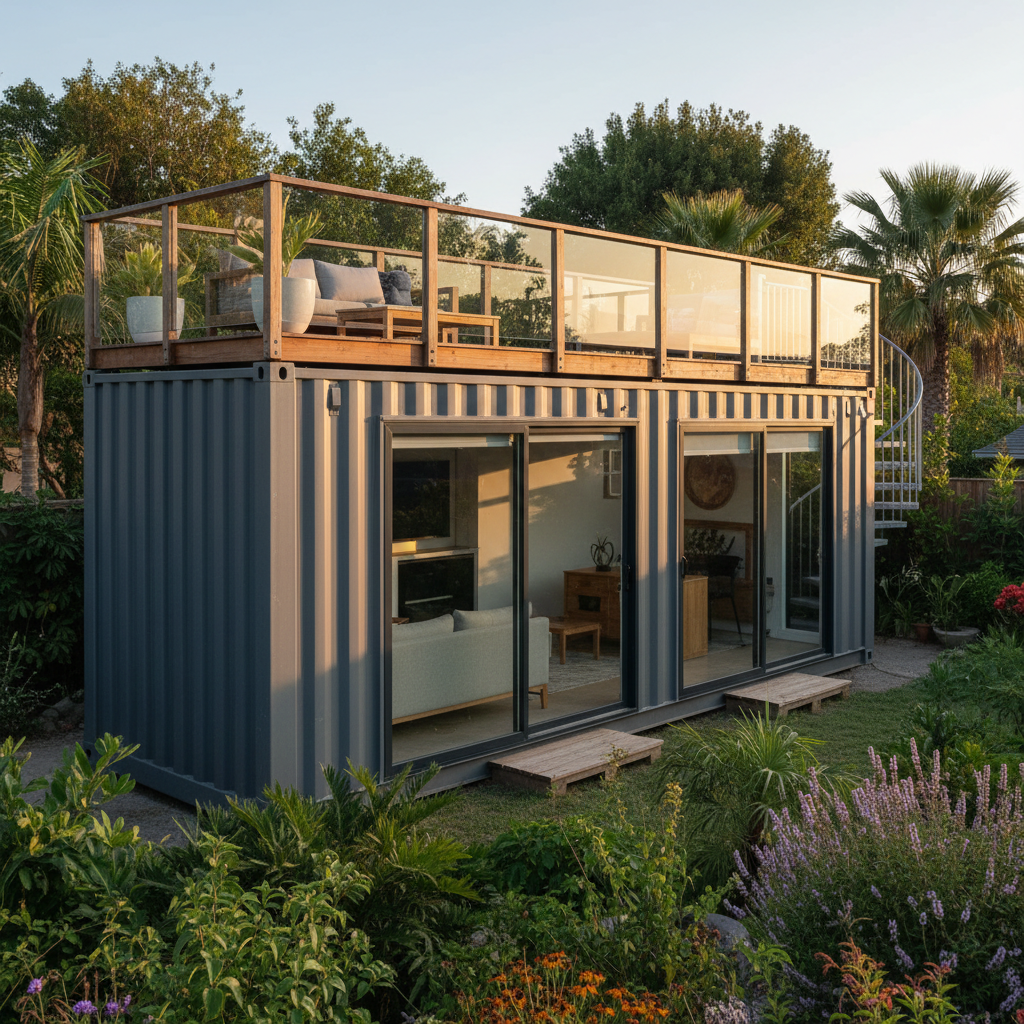
For years, the hurdle for shipping container Accessory Dwelling Units (ADUs) wasn't just zoning—it was the checkbook. As we move through July 2026, the landscape has shifted. While traditional lenders were once wary of 'non-traditional' builds, a surge in state-level housing density mandates and federal green-building incentives has opened doors for shipping container adu financing and grant options 2026. Whether you are eyeing a Custom 20ft Cozy Cabin for a backyard rental or a larger multi-unit family compound, securing capital now requires a blend of specialized construction products and newly released legislative funds.
Table of Contents
- shipping container adu financing and grant options 2026: The State of ADU Construction Loans 2026
- Government Grants for Container Homes and ADUs
- FHA Title 1 and HELOC for Container ADU Construction
- Affordable Housing Grants 2026: The 'Green' Advantage
- Specialized FinTech and Manufacturer-Direct Lending Programs for 2026
- State-Specific ADU Incentives and Soft-Loan Programs
- Maximizing Appraisal Value for Re-Financing in 2026
- Frequently Asked Questions
- Final Steps Toward Funding Your Build
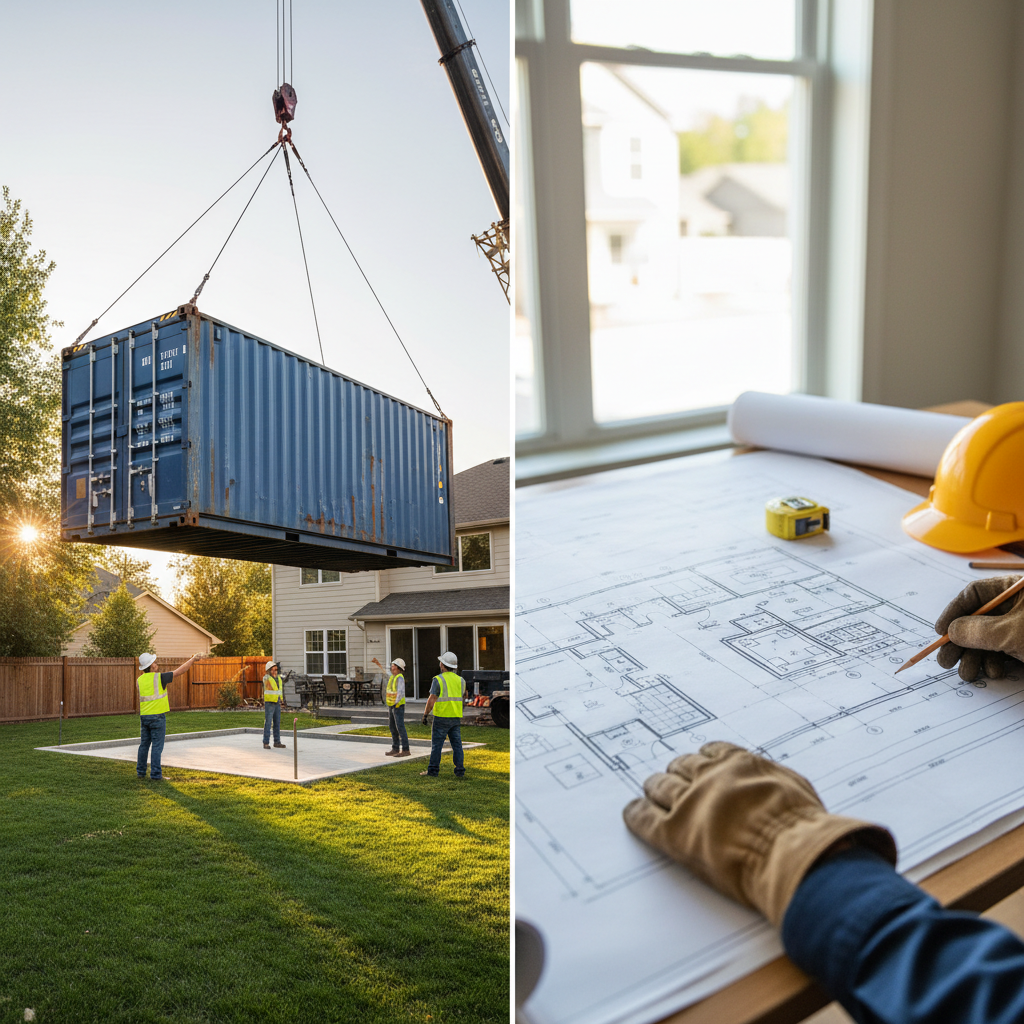
shipping container adu financing and grant options 2026: The State of ADU Construction Loans 2026
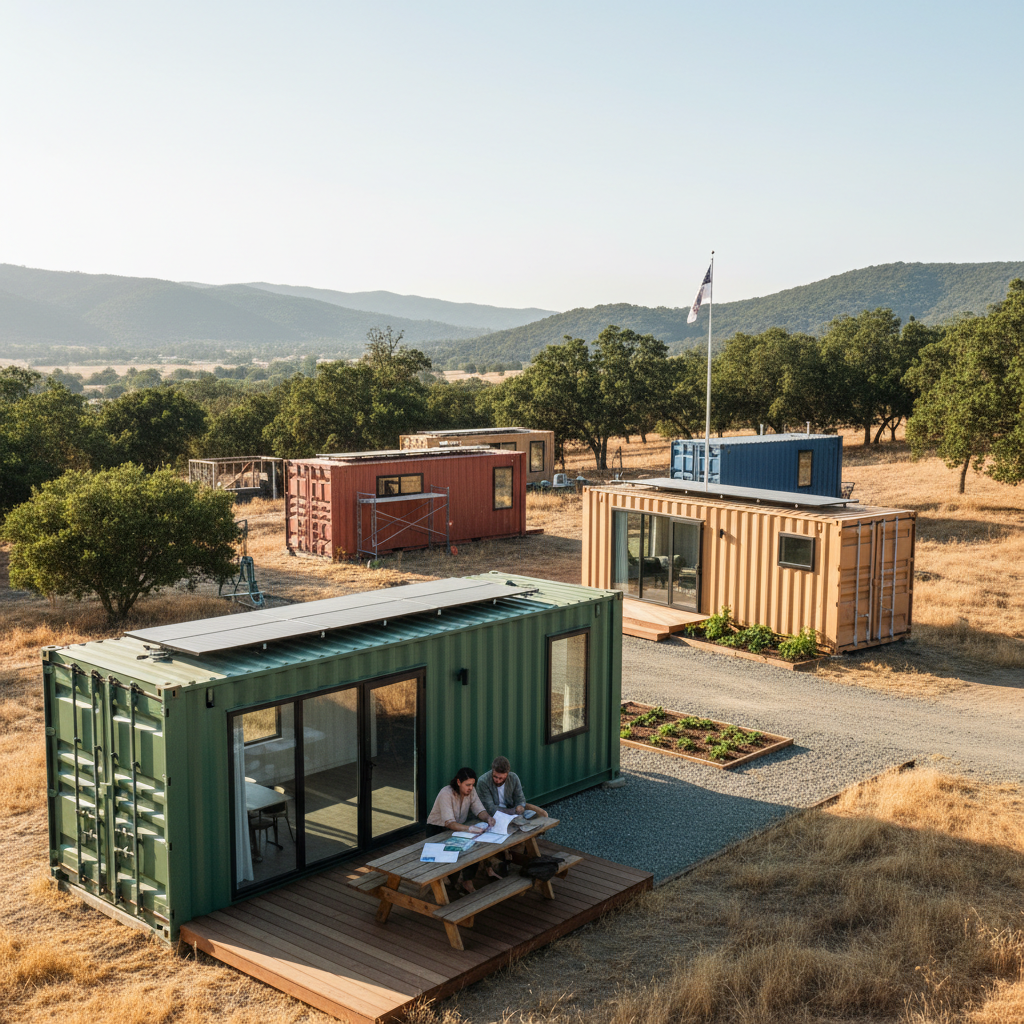
In 2026, 'construction-to-permanent' loans are the gold standard for container projects. Unlike a standard mortgage, these loans pay out in draws as the project hits milestones: foundation, shell delivery, and final utility tie-ins. Lenders now frequently accept units like a 40ft High Cube Shipping Container as a primary structural component, provided the build meets the International Residential Code (IRC).
Key advantages of 2026 construction products include better interest rate locks during the build phase and the ability to roll the container purchase price directly into the loan. However, you must ensure your site prep is verified before the first draw. Banks in states like California and Texas have become particularly aggressive in this space, often offering 'ADU-specific' portfolios to meet high demand.
Government Grants for Container Homes and ADUs
Grant funding has become the biggest disruptor in the 2026 market. These are essentially 'free money' used to offset the cost of permits, design, and infrastructure. Many programs specifically target affordable housing or 'green' modular builds that utilize recycled ISO containers.
- CalHFA ADU Grant Program: Re-upped for 2026, offering up to $40,000 for pre-development costs like permits and engineering.
- Sustainable Housing Incentives: Federal tax credits under updated energy acts that provide rebates for ultra-insulated units like the Insulated COSHH units or custom modifications.
- Local Municipal Grants: Cities from Austin to Seattle now offer forgivable loans if the ADU is rented to low-income tenants for a set period.
| Financing Type | Typical Interest Rate (2026) | Max Loan-to-Value | Best For |
|---|---|---|---|
| HELOC | 6.5% - 8.2% | 85% | Homeowners with existing equity wanting speed. |
| FHA Title 1 | 5.5% - 7.5% | N/A (Fixed Cap) | Small 20ft ADU guest houses up to $25k. |
| Construction-to-Perm | 6.2% - 7.9% | 90% | Turnkey modular homes like the Augustine. |
| State Grants | 0% (Non-repayable) | N/A | Offsetting soft costs and permit fees. |
FHA Title 1 and HELOC for Container ADU Construction
When financing a prefab container home, don't overlook your current residence. A Home Equity Line of Credit (HELOC) remains the most popular path for backyard cottages because it doesn't require the same rigid appraisal of the ADU itself. You are borrowing against your primary home's value to fund the shipping container cost.
Alternatively, FHA Title 1 loans for ADUs are a government-backed option for smaller builds. These are ideal for homeowners who want to convert a 20ft container into a home office or a simple studio. They do not always require home equity, making them accessible to newer homeowners.
Important: Always verify if your lender requires a 'chassis-off' permanent foundation. Financing usually fails if the unit remains on a Bumper Pull Chassis longer than the construction phase.
Affordable Housing Grants 2026: The 'Green' Advantage
The Department of Energy (DOE) and HUD have partnered in 2026 to incentivize the use of recycled steel in housing. Because containers are upcycled materials, builders can often qualify for affordable housing grants 2026 that traditional wood-frame builders cannot. If your plan includes high-efficiency HVAC—found in units like our Refrigerated Conex Models—you may trigger additional energy-efficiency rebates.
Specialized FinTech and Manufacturer-Direct Lending Programs for 2026
As we enter 2026, the traditional banking sector continues to struggle with the 'chattel vs. real property' distinction for containerized units. However, a new wave of FinTech lenders has stepped in to bridge this gap by offering asset-backed financing specifically designed for modular and off-site construction. These lenders evaluate the ISO container as a durable asset from the moment it is sourced, allowing for progress payments that conventional mortgage products typically prohibit. This model solves the 'draw' problem many builders face when fabrication occurs in a factory hundreds of miles from the final site.
Additionally, major container home manufacturers have launched internal financing arms or exclusive partnerships with credit unions. By bundling the shell price, modifications, and delivery into a single loan originated at the point of sale, these programs reduce the complexity of the underwriting process. In 2026, many of these programs are utilizing 'unsecured' personal loans for amounts up to $100,000 for secondary units, which avoids the need for a full appraisal of the primary residence, significantly accelerating the project timeline.
| Financing Source | Typical APR Range | Max Loan Amount | Collateral Requirement |
|---|---|---|---|
| Modular FinTech Lenders | 7.5% - 10.5% | $250,000 | The ADU Unit itself |
| Manufacturer-Direct Credit Lines | 6.9% - 11.2% | $150,000 | Unsecured or UCC-1 Lien |
| Specialized Credit Unions | 5.5% - 8.0% | 80% LTV | Real Estate Lien |
| Peer-to-Peer Green Lending | 8.0% - 12.0% | $50,000 | None (Credit-based) |
Tip: When using manufacturer-direct lending, ensure the loan covers 'soft costs' like local site preparation and utility hookups, which can account for 25% of your total 2026 budget.
State-Specific ADU Incentives and Soft-Loan Programs
Beyond federal grants, individual states have aggressively expanded their 'missing middle' housing incentives for 2026. For example, California's CalHFA ADU Grant program has transitioned into a revolving loan fund that provides low-interest construction capital for homeowners who commit to renting their container ADU to low-income tenants for a five-year period. Similar programs in Oregon and Washington prioritize shipping container builds due to their speed of deployment and lower carbon footprint compared to traditional stick-built construction.
Northeastern states have also introduced 'Winter-Build' incentives. Since container ADUs are primarily modified in climate-controlled warehouses, they are not subject to the seasonal delays of traditional construction. State housing departments are now offering rebates to homeowners who elect to use prefabricated steel units, as these projects contribute to housing inventory goals without straining the local labor market during peak construction seasons. These rebates are often structured as 'forgivable loans' if the homeowner maintains the ADU as a primary residence or long-term rental.
- Pre-development Grants: Coverage for architectural stamps and structural engineering required for container modifications.
- Impact Fee Waivers: Many municipalities now waive 100% of sewer and water hookup fees for ADUs under 750 square feet.
- Local Energy Rebates: Cash back for utilizing spray-foam insulation and heat pump systems in ISO-certified containers.
- Property Tax Abatements: Select counties offer a 3 to 10-year freeze on property tax increases resulting from the addition of an ADU.
Tip: Check your local 'Housing Finance Agency' website for 2026-specific 'Assisted ADU' programs that offer up to $40,000 in forgivable debt for sustainable builds.
Maximizing Appraisal Value for Re-Financing in 2026
The greatest hurdle in container ADU financing is the final appraisal. In 2026, the key to a successful 'Exit Strategy'—refinancing a high-interest construction loan into a 30-year fixed mortgage—is how the unit is permanently affixed to the land. Appraisers now distinguish between 'movable tiny homes' and 'permanent container dwellings.' To secure the highest valuation, the container must be installed on a permanent foundation (crawl space or slab) with local building department 'Certificate of Occupancy' (COO).
By documenting the high-performance aspects of the build, such as the R-value of the insulation and the steel's resistance to seismic or wind events, homeowners can argue for an 'Innovation Premium' in the appraisal. In 2026, many valuation models now include a 'Sustainability Score.' Container homes that feature solar integration or greywater recycling systems are seeing a 12-15% higher valuation than basic stick-built counterparts in urban markets like Austin, Denver, and Seattle.
- Secure a permanent foundation permit before applying for long-term financing.
- Maintain a photographic log of the fabrication process to prove structural integrity to the bank.
- Use a 'Cost-to-Value' analysis from a certified appraiser experienced in modular construction.
- Identify 'Container-Friendly' Comps: Look for recent sales of non-traditional or industrial-style homes in your zip code.
Important: Do not treat your container ADU as a mobile home or RV for financing purposes; doing so will disqualify you from the low-interest 2026 mortgage products designed for real property.
Container delivery near you
We deliver to every state in the lower 48 plus Alaska and Hawaii. These local pages list pricing, metro coverage and typical lead times for the areas we run into most:
- Shipping containers near me — how we source from the depot closest to your ZIP code
- Shipping containers in Georgia — pricing and delivery to Atlanta and Savannah
- Shipping containers in North Carolina — pricing and delivery to Charlotte and Raleigh
- Shipping containers in Arizona — pricing and delivery to Phoenix and Tucson
Frequently Asked Questions
Navigating the intersection of mortgages and modular steel can be complex. Here are the most common queries from 2026 buyers.
Final Steps Toward Funding Your Build
Getting your shipping container home price under control is only half the battle. To lock in the best shipping container adu financing and grant options 2026, you need a detailed line-item quote, a certified manufacturer, and a clear understanding of your local state permit requirements.
If you're ready to compare inventory or need a formal quote for your lender, our team can pull matching units from our nationwide depots. Whether you need a simple 40ft New High Cube or a fully outfitted Kennedy Luxury Home, we provide the documentation necessary to help your financing clear the final hurdle.
Frequently Asked Questions
Can you get a mortgage for a container home?
Yes, but it must be on a permanent foundation and titled as real property. In 2026, many container home mortgage lenders treat these as modular homes. Financing is much easier if the unit is IRC-compliant rather than being classified as a 'tiny home on wheels'.
How to finance a shipping container ADU?
The most common routes are HELOCs, cash-out refinances, or specific ADU construction loans. For smaller projects, personal loans or FHA Title 1 loans can cover the purchase of the container and initial modifications.
Are there grants for building ADUs in 2026?
Absolutely. States like California, New York, and Washington have high-budget grant programs (up to $50,000 in some cases) to encourage backyard cottages. Federal 'Green Housing' tax credits also apply to the energy-efficient components of your container build.
Does FHA cover shipping container houses?
Yes, FHA loans cover container houses provided they meet HUD's Permanent Foundations Guide and local building codes. They are appraised similarly to traditional stick-built homes once they are permanently affixed to the land.
How much down payment for a container home loan?
Typically, expect to put down 20-25% for a construction loan. However, if you already own the land, the equity in your property can often count toward that down payment requirement.
What are the best ADU lenders in California and Texas?
Lenders like Redwood Credit Union and Hometap in California, and specialized credit unions in Texas like University Federal Credit Union, have established ADU-specific loan programs that understand container architecture.
Frequently asked questions
Can you get a mortgage for a container home?
Yes, but it must be on a permanent foundation and titled as real property. In 2026, many container home mortgage lenders treat these as modular homes. Financing is much easier if the unit is IRC-compliant rather than being classified as a 'tiny home on wheels'.
How to finance a shipping container ADU?
The most common routes are HELOCs, cash-out refinances, or specific ADU construction loans. For smaller projects, personal loans or FHA Title 1 loans can cover the purchase of the container and initial modifications.
Are there grants for building ADUs in 2026?
Absolutely. States like California, New York, and Washington have high-budget grant programs (up to $50,000 in some cases) to encourage backyard cottages. Federal 'Green Housing' tax credits also apply to the energy-efficient components of your container build.
Does FHA cover shipping container houses?
Yes, FHA loans cover container houses provided they meet HUD's Permanent Foundations Guide and local building codes. They are appraised similarly to traditional stick-built homes once they are permanently affixed to the land.
How much down payment for a container home loan?
Typically, expect to put down 20-25% for a construction loan. However, if you already own the land, the equity in your property can often count toward that down payment requirement.
What are the best ADU lenders in California and Texas?
Lenders like Redwood Credit Union and Hometap in California, and specialized credit unions in Texas like University Federal Credit Union, have established ADU-specific loan programs that understand container architecture.
About Outback Container Experts
This guide was prepared by the Outback Shipping Containers team, based on the questions our customers ask us most when buying, modifying and taking delivery of shipping containers. Learn more about us.
Ready to find your container?
Browse our in-stock shipping containers, container homes and custom builds, or ask our team for a free quote with delivery to your site.