40ft High Cube Shipping Container Dimensions Guide
The definitive 40ft high cube shipping container dimensions guide. Includes high cube container interior height, cubic capacity, and tare weight. See.
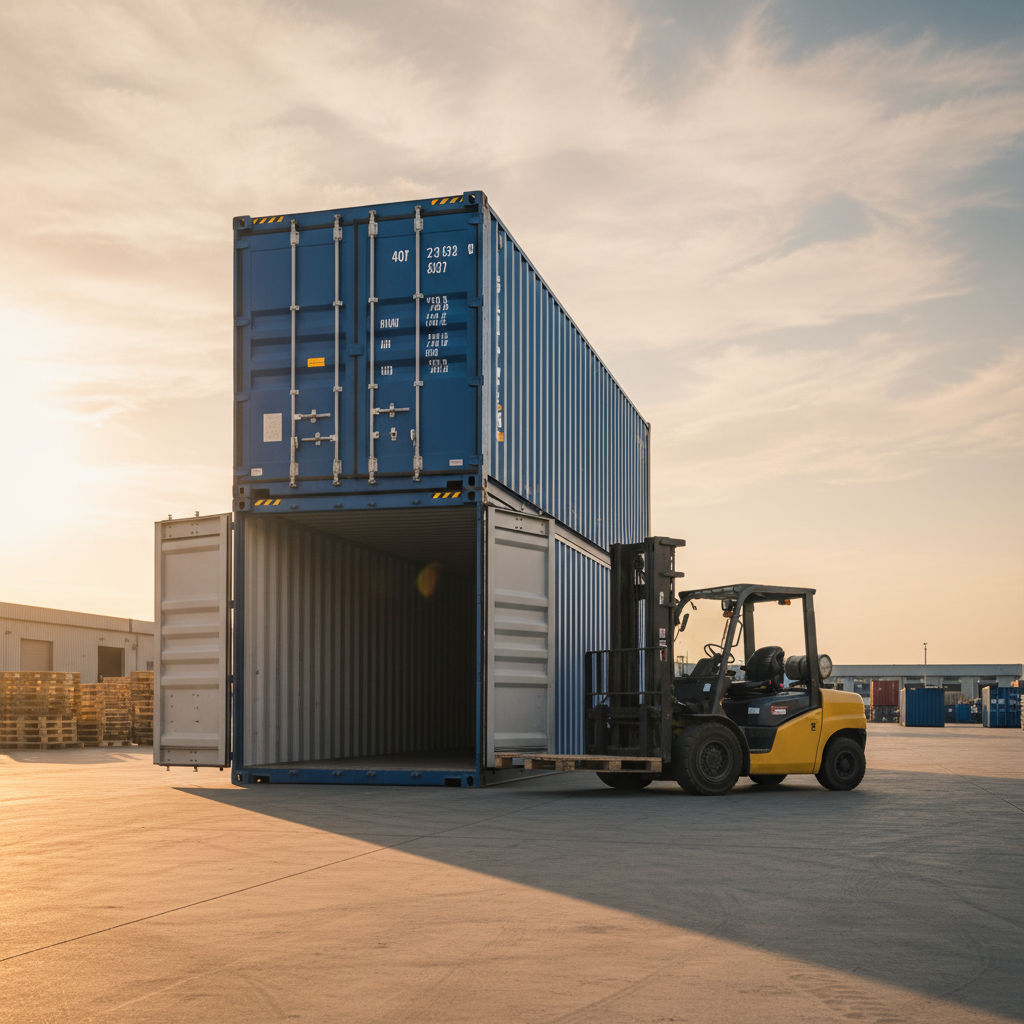
For US businesses preparing for the Q3 and Q4 inventory surge, the 40ft High Cube (HC) has become the gold standard for logistical efficiency. While a standard container offers utility, the 40ft high cube shipping container dimensions guide reveals why that extra foot of vertical clearance is critical for racking, tall machinery, and bulk palletized storage. Whether you are sourcing a 40ft New High Cube for a clean storage solution or a 40ft Used Shipping Container for a construction site, understanding the exact 40 foot hc container specs is the difference between a project that fits and one that requires an expensive late-stage pivot.
Table of Contents
- 40ft high cube shipping container dimensions guide: External and Internal Dimensions of 40ft HC
- Cubic Capacity and Payload Limits
- Door Clearance and Forklift Access
- High Cube vs Standard Shipping Container: Which Do You Need?
- Detailed Structural Specifications and Material Composition
- Optimizing Interior Space for Conversions and Modifications
- Logistics and Site Preparation for High Cube Delivery
- Frequently Asked Questions
- Next Steps for Your Project
- Explore Related Products & Guides
40ft high cube shipping container dimensions guide: External and Internal Dimensions of 40ft HC
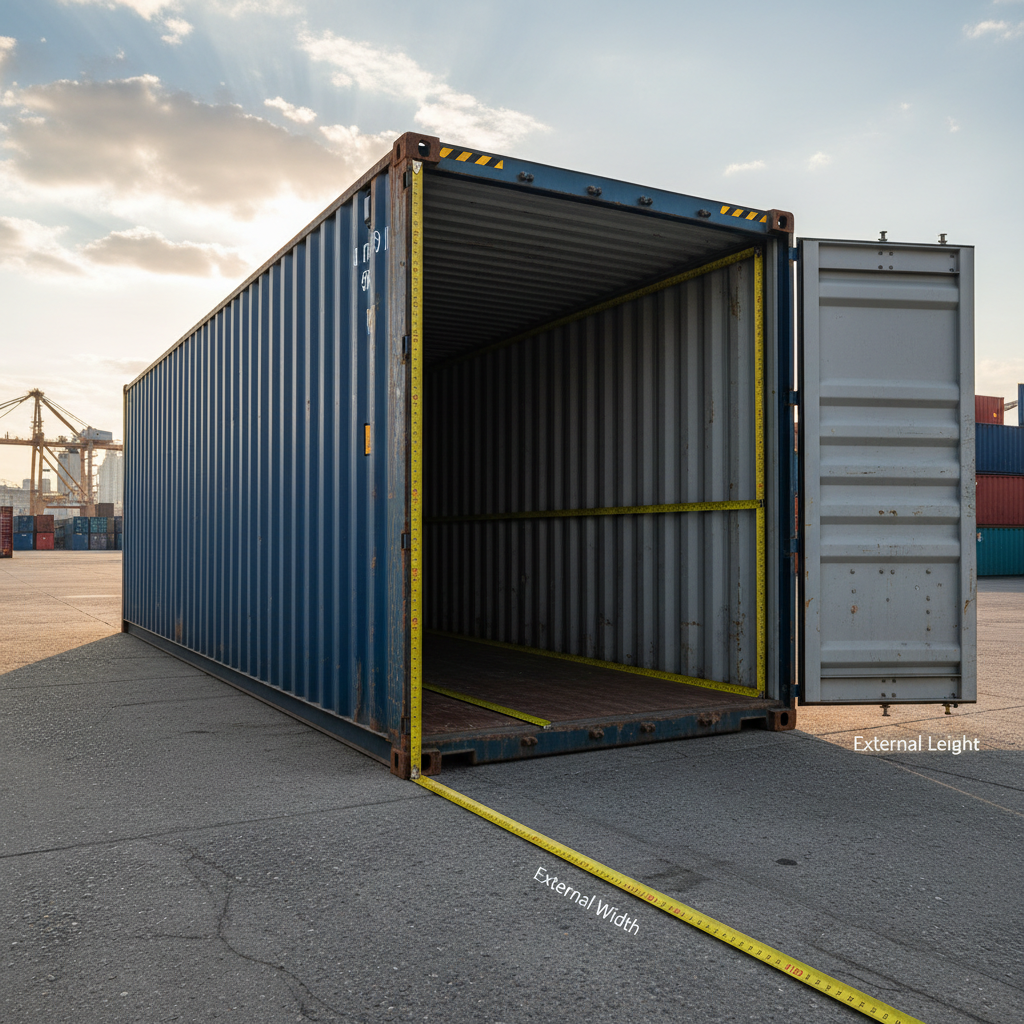
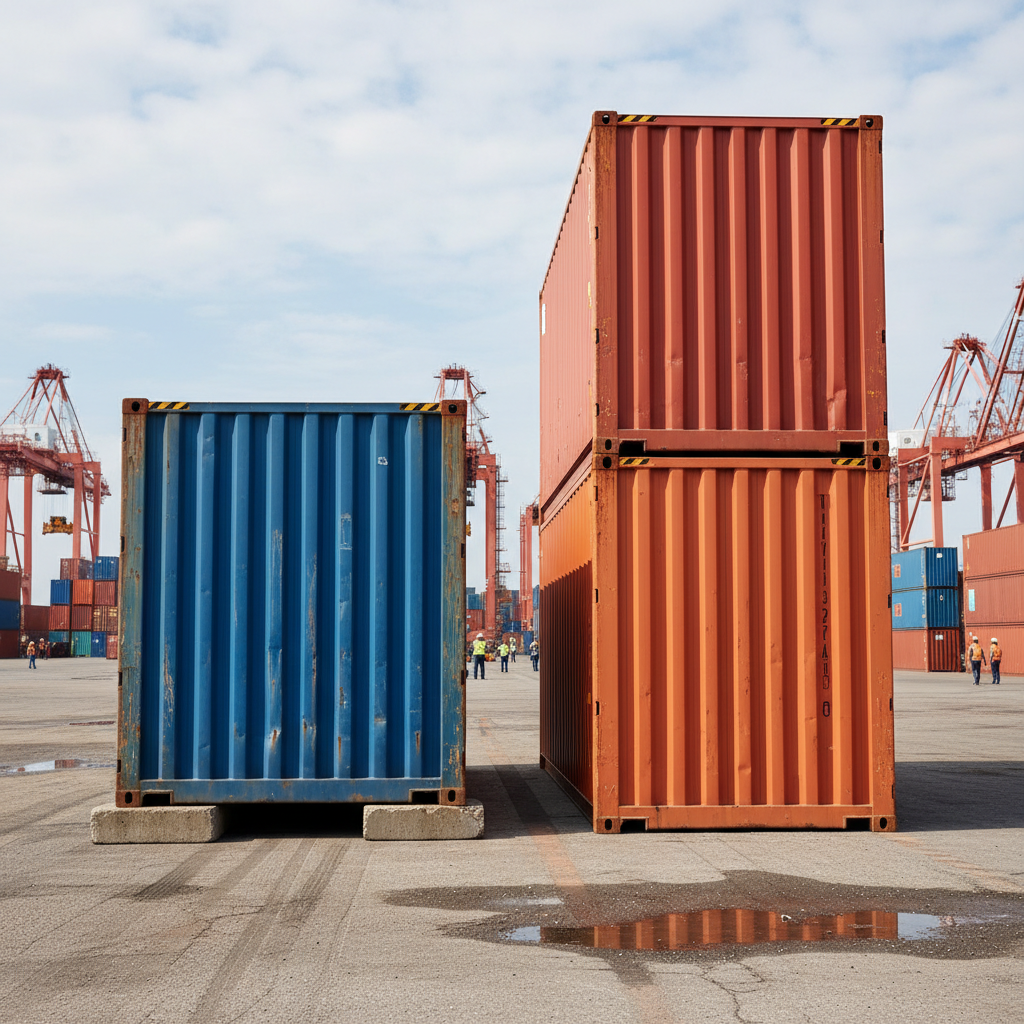
When calculating site footprints, the external dimensions of 40ft HC units follow ISO 668 standards to ensure they fit on standard chassis and trailers. The unit measures 40 feet in length and 8 feet in width. However, the height is the defining factor: a High Cube stands at 9 feet 6 inches tall, exactly 12 inches higher than a General Purpose (GP) unit.
The high cube container interior height is roughly 8 feet 10 inches. This extra space is vital for ventilation systems in container offices or for installing insulation without making the space feel cramped. If you are comparing cargo container sizes for storage, remember that internal usable length is typically 39 feet 5 inches due to the thickness of the rear doors and the front wall corrugation.
| Dimension Type | Length | Width | Height |
|---|---|---|---|
| Exterior | 40' 0" | 8' 0" | 9' 6" |
| Interior | 39' 5" | 7' 8" | 8' 10" |
| Door Opening | N/A | 7' 8" | 8' 5" |
Cubic Capacity and Payload Limits
The primary advantage of the HC format is the shipping container cubic capacity. A standard 40ft unit offers approximately 2,390 cubic feet, whereas a High Cube boosts that to roughly 2,690 cubic feet. This 12% increase in volume allows for three extra tiers of standard boxes or taller pallet stacks. When reviewing 40ft high cube payload capacity, expect a maximum gross weight of around 67,200 lbs, with a shipping container tare weight (empty weight) of roughly 8,500 to 8,900 lbs depending on the manufacturer.
Important: Always check the CSC plate on the door for the specific tare weight of your unit. While ISO standards exist, individual manufacturer steel thickness and floor cross-member spacing can cause the weight to vary by 200–400 lbs.
Door Clearance and Forklift Access
One of the most frequent questions we receive is: 'Can a forklift fit inside a 40ft high cube container?' The answer depends entirely on the mast height. The 40ft HC door opening dimensions are approximately 7' 8" wide by 8' 5" high. Most standard warehouse forklifts with a lowered mast will clear this easily, but specialized high-reach masts may require a 'container mast' configuration to operate inside. For frequent loading, many clients prefer a Double Door configuration to allow access from both ends, which is particularly helpful for first-in, last-out inventory management.
- Door Header Height: 8' 5" (2.58m)
- Door Width: 7' 8" (2.34m)
- Floor to Ceiling (Interior): 8' 10" (2.70m)
- Standard Pallet Capacity: 20-21 standard 40x48 inch pallets (single stack)
High Cube vs Standard Shipping Container: Which Do You Need?
Choosing between a standard 8'6" unit and a 9'6" High Cube usually comes down to three factors: height of your cargo, insulation requirements, and transport height. If you are building a luxury container home, High Cubes are non-negotiable. Standard units don't leave enough room for ceiling fans or recessed lighting once the floor and ceiling are insulated. Conversely, if you have height-restricted bridges on your delivery route, a standard unit on a high-bed trailer might be safer than an HC.
Tip: If you are planning to add a HVAC system for a job site office, the HC allows you to run ductwork above the ceiling line without dropping the head height below the standard 7-foot residential comfort level.
Detailed Structural Specifications and Material Composition
Understanding the 40ft high cube shipping container dimensions guide requires a look beneath the surface at the structural engineering that supports these massive steel units. Every ISO-compliant high cube is constructed from CORTEN steel, a weather-resistant alloy designed to form a protective layer of oxidation that halts deep corrosion. The extra foot of height in a high cube is not just empty air; it involves extended vertical corner posts that must maintain structural integrity under a full stack of up to nine loaded containers. This makes the vertical tolerance of a high cube critical for structural stability during transoceanic shipping.
The floor of a 40ft HC typically consists of 28mm thick marine-grade plywood. This flooring is supported by C-channel steel cross members spaced roughly 12 inches apart. For buyers planning to install heavy machinery or localized weight loads, understanding the span between these cross members is essential to avoid floor deflection. The interior wall panels are corrugated to a depth of 1 inch, which slightly reduces the usable width compared to the external measurement, a factor often overlooked during tight-fit interior builds or insulation installs.
| Component | Material/Spec | Impact on Dimensions |
|---|---|---|
| Wall Corrugation | 14-Gauge Corten Steel | Reduces internal width by ~2 inches total |
| Flooring | 28mm Keruing Plywood | Elevates floor level by ~1.1 inches from base |
| Gooseneck Tunnel | Recessed Steel Channel | Reduces interior floor height at the front end |
| Corner Castings | ISO 1161 Standard | Defines the exact external pick points for cranes |
Important: Always account for the 'Gooseneck Tunnel' when measuring the interior floor. Standard 40ft HC containers feature a recessed area in the floor at the front end to allow the container to sit lower on a specialized chassis. This creates a slight bump in the floor inside the unit.
Optimizing Interior Space for Conversions and Modifications
The additional 12 inches of vertical clearance in a high cube container is the primary reason it is preferred for residential and commercial conversions. When you add subflooring, electrical conduits, and ceiling insulation, a standard 8ft 6in container often feels claustrophobic with a finished ceiling height of barely 7 feet. By starting with the 9ft 6in external height of a high cube, you can comfortably install HVAC ductwork and recessed lighting while still maintaining a standard residential 8-foot ceiling height.
Modification planning must also consider the 'Lashing Bar' placement and how they intersect with interior framing. If you are building a workshop, the extra height allows for vertical tool storage and overhead gantries that are physically impossible in standard units. For storage applications, the high cube allows for the stacking of three standard Euro-pallets vertically, provided the weight remains within the 63,000 to 67,000-pound payload limit. This verticality significantly reduces the cost per cubic foot of storage space.
- Insulation Thickness: Closed-cell spray foam typically takes 2-3 inches per wall, reducing internal width to ~7'3".
- HVAC Clearance: The extra foot allows for mini-split head units to be mounted high enough to avoid interfering with furniture.
- Electrical Routing: Deep high cubes provide space for a dropped ceiling to hide wiring without sacrificing head space.
- Plumbing: The gooseneck tunnel area can sometimes be utilized to hide gray water piping depending on the layout.
Tip: If using a 40ft HC for a tiny home, utilize the top 12 inches of space for a mezzanine storage loft above the bathroom or kitchen area. This maximizes the 'volume-to-footprint' ratio unique to the high cube format.
Logistics and Site Preparation for High Cube Delivery
The physical dimensions of a 40ft high cube present unique logistical challenges that differ from standard units. Because a high cube sits higher on a tilt-bed trailer, the total height during transport can exceed 14 feet. This is a critical threshold for many secondary roads, low-hanging tree branches, and residential power lines. Before ordering, you must ensure a clear path that accounts for the 'apex' height when the truck tilts the container to slide it off onto your pad.
Site leveling is even more vital for a 40ft unit than a 20ft unit. A deviation of just 1% across the 40-foot length can lead to 'door racking,' where the heavy steel doors become misaligned and impossible to close. For high cubes, which have a higher center of gravity when loaded, a reinforced concrete pad or level gravel piers at the four corner castings are the minimum requirement for a long-term installation.
- Measure vertical clearance: Ensure 15+ feet of clearance from the entrance of your property to the drop site.
- Ground Compaction: Ensure the soil can handle the 8,500lb tare weight plus your intended cargo load.
- Turning Radius: A truck carrying a 40ft HC requires approximately 100 feet of straight-line clearance for a 'straight-off' drop.
- Door Orientation: Confirm if you want the doors facing the truck cab or the rear, as this cannot be easily changed once the truck arrives.
Tip: Check local zoning laws specifically for 'High Cube' heights. Some municipalities have a 9-foot height limit for accessory structures, meaning a standard container may be permitted while a high cube requires a special variance.
Container delivery near you
We deliver to every state in the lower 48 plus Alaska and Hawaii. These local pages list pricing, metro coverage and typical lead times for the areas we run into most:
- Shipping containers near me — how we source from the depot closest to your ZIP code
- Shipping containers in Georgia — pricing and delivery to Atlanta and Savannah
- Shipping containers in North Carolina — pricing and delivery to Charlotte and Raleigh
- Shipping containers in Arizona — pricing and delivery to Phoenix and Tucson
- Shipping containers in Washington — pricing and delivery to Seattle and Spokane
- Shipping containers in Colorado — pricing and delivery to Denver and Colorado Springs
- Shipping containers Houston — local yard stock and lead times
Frequently Asked Questions
Navigating technical specs can be complex. Here are the most common questions regarding 40ft HC dimensions and usage.
Next Steps for Your Project
If you are ready to compare inventory for your project, our team can pull matching units from our nationwide depots to ensure you get the exact height and door configuration required. Whether you need a Used 40ft Cargo Container or a specialized 40ft HC Working Refrigerated Container, we provide detailed photos and door-to-door delivery quotes. Contact Outback Shipping Containers today to finalize your 2026 storage or construction plans.
Explore Related Products & Guides
Frequently Asked Questions
How much taller is a high cube container than standard?
A High Cube (HC) container is exactly 1 foot taller than a standard container. The HC stands at 9' 6" externally, whereas a standard container is 8' 6".
What are the internal dimensions of a 40ft high cube?
The interior dimensions are approximately 39' 5" long, 7' 8" wide, and 8' 10" high. Note that these may vary slightly by manufacturer and based on whether the unit is new or used.
Can a forklift fit inside a 40ft high cube container?
Yes, most standard forklifts fit inside. The door opening height is 8' 5", which accommodates standard forklift masts. However, always check your forklift's 'collapsed height' before attempting entry.
How many pallets fit in a 40ft high cube?
A 40ft High Cube typically fits 20 to 21 standard North American pallets (40" x 48") on the floor level. Because of the extra height, you can often double-stack pallets if the weight limits allow.
What is the door clearance for a 40ft high cube container?
The door opening clearance is approximately 7' 8" wide by 8' 5" high. This is about 12 inches taller than the door clearance of a standard 40ft unit.
Does a 40ft High Cube cost more to deliver than a standard container?
Generally, no. Most tilt-bed and roll-off trailers handle both 8'6" and 9'6" units. However, you must ensure your site has a 14-foot vertical clearance for the truck to safely offload the high cube unit.