How to Choose Conex Containers From a Trusted Local Seller
By Outback Shipping Containers · Published August 31, 2026 · Last updated October 18, 2026
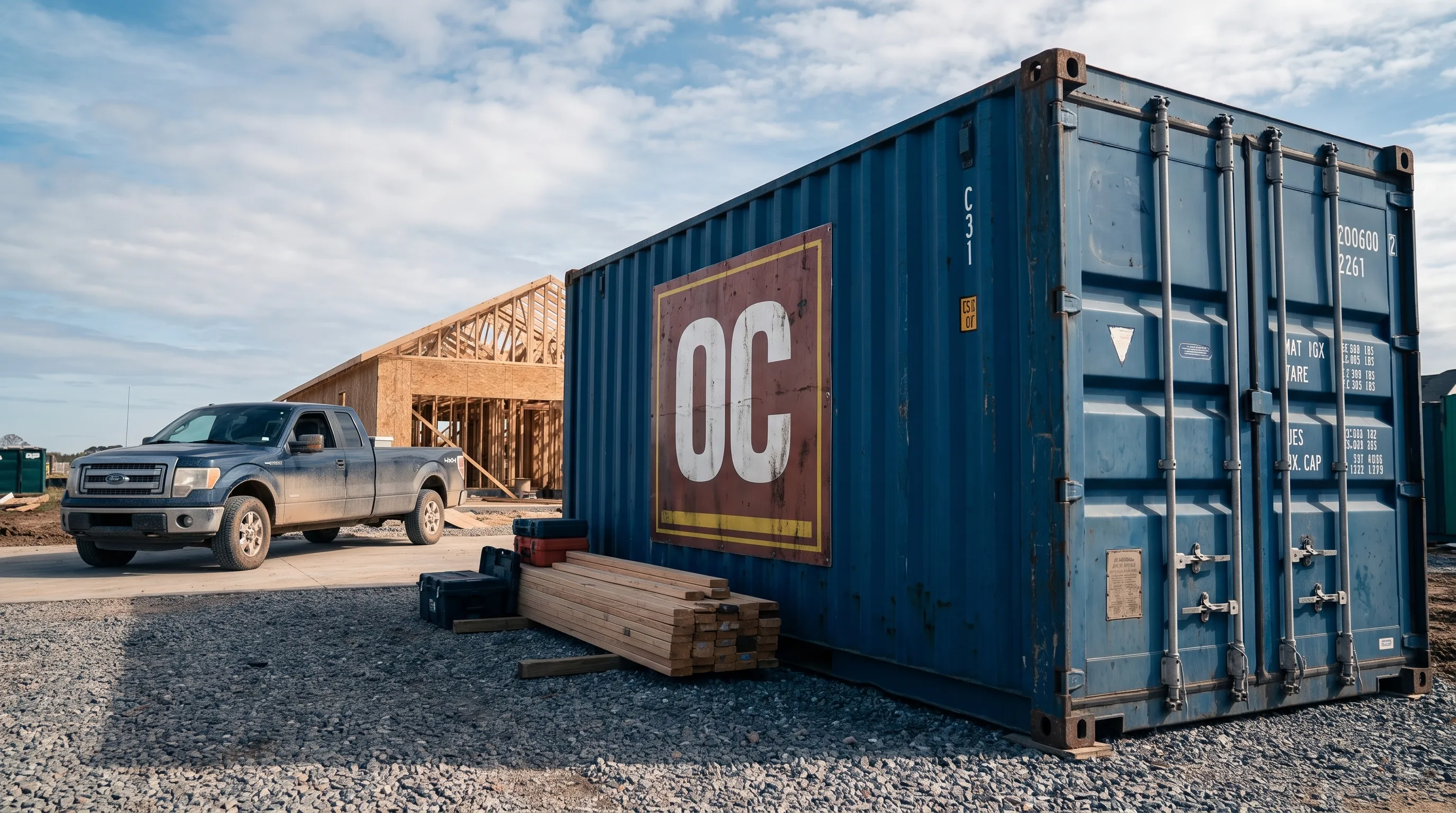
Conex Containers for Sale Near Me: Choose a Trusted Local Seller
If you searched for conex containers for sale near me, you are probably trying to buy a solid cargo container without getting burned by a fake listing, hidden delivery fee or leaky unit. Start by confirming three things before you pay: real inventory, written wind and watertight or cargo-worthy condition, and a delivery plan that fits your site.
Quick Answer: A trusted local conex seller should show clear unit photos, explain condition grades, provide a written delivered quote, confirm site access and stand behind the container after delivery. The lowest listed price is not always the lowest total cost.
Key Takeaways
- A trusted seller explains the difference between WWT, CWO, one-trip and refurbished containers in plain language.
- Local does not always mean better. A nationwide supplier with nearby depot access can offer stronger delivery support than a random local reseller.
- The right size depends on use, site space and future needs. A 20ft container fits many homes, farms and job sites.
- Delivery access matters as much as container condition. Measure driveways, turns, slopes and overhead clearance before ordering.
- Never pay for a conex box without written terms, delivery details and proof that the seller is a real business.
How to Compare Conex Containers for Sale Near Me
A local seller can mean several things. It may be a storage yard down the road, a regional broker, a national supplier with inventory near your state or a private owner selling one used box. Your job is to find out who controls the container and who is responsible if something goes wrong.
The word local should not be the only reason you trust a listing. Many online scams use city-specific pages and stock photos to look nearby. A real seller can tell you where the container is staged, what condition grade it carries and how it will be delivered to your property.
If you are new to the terms, start with this guide to conex containers explained for first-time buyers. It covers the basics of size, condition and inspection language before you compare quotes.
A serious seller should answer these questions without dodging:
- Is this exact container available or is the photo only a sample?
- Is it new one-trip, used WWT, cargo-worthy or refurbished?
- What is included in the delivered price?
- What truck type will deliver it?
- Who handles problems if the unit leaks or cannot be placed?
A trusted seller will not rush those answers. They know container buying is part product choice and part logistics project.
Match the Container to the Job Before You Shop
Do not start with the cheapest listing. Start with the job the container must do. A farm feed storage unit, job-site tool box, backyard workshop and shipping container home shell all need different levels of condition, access and planning.
Conex containers are usually ISO containers, also called intermodal containers or cargo containers. ISO container standards help define common dimensions, ratings and handling features. The official ISO 668 standard covers classification, external dimensions and ratings for Series 1 freight containers.
For everyday buyers, that means a 20ft or 40ft dry container from a reputable seller should have predictable outside dimensions. Interior dimensions can vary by manufacturer and age, so always confirm the exact unit if tight measurements matter.
Common conex sizes and best uses
| Container type | Typical outside size | Approximate interior volume | Common uses | Main buyer concern |
|---|---|---|---|---|
| 10ft standard | 10 ft x 8 ft x 8 ft 6 in | Around 560 cu ft | Small yard storage, tools, tight urban sites | Limited availability and higher cost per foot |
| 20ft standard | 20 ft x 8 ft x 8 ft 6 in | Around 1,170 cu ft | Home storage, farms, job sites, small workshops | Choosing new vs used condition |
| 40ft standard | 40 ft x 8 ft x 8 ft 6 in | Around 2,390 cu ft | Large storage, construction, inventory, build shells | Delivery space and site access |
| 40ft high cube | 40 ft x 8 ft x 9 ft 6 in | Around 2,690 cu ft | Container conversions, offices, taller equipment | Overhead clearance and zoning limits |
| 45ft high cube | 45 ft x 8 ft x 9 ft 6 in | Varies by unit | Large commercial storage, modular builds | Site size and transport planning |
A 20ft container is often the best first purchase. It gives enough room for tools, furniture, equipment or seasonal inventory without the delivery challenges of a 40ft unit. It also works well on rural properties where a longer trailer may have trouble turning.
A 40ft container gives more storage for the money in many markets, but only if your site can accept it. The container itself is longer and the delivery truck also needs room to enter, straighten, tilt or offload.
New, one-trip, used and refurbished condition grades
Condition language can be confusing because sellers use it differently. Ask the seller to define each term in writing. Do not assume a used container is cargo-worthy, and do not assume wind and watertight means pretty.
| Grade | What it usually means | Best fit | What to confirm |
|---|---|---|---|
| New one-trip | Used once for cargo, usually cleaner with less wear | Homes, offices, visible sites, long-term storage | Actual photos, door operation, floor condition |
| WWT | Wind and watertight, no active leaks under normal conditions | Static storage, tools, equipment, farm use | Leak guarantee, rust level, door gaskets |
| CWO | Cargo-worthy, structurally fit for cargo transport when inspected | Export shipping, heavy cargo, higher-grade storage | Inspection status and CSC plate if shipping internationally |
| Refurbished | Used unit repaired and often repainted | Customer-facing storage, retail, workshops | What repairs were done and what paint was used |
| As-is | No meaningful condition guarantee | Parts, low-risk projects, buyers who can inspect in person | Avoid unless you accept all risk |
For storage and most job-site use, WWT is often enough. For international freight, ask about CWO status and the CSC plate. For a container conversion, a new one-trip or clean used unit can reduce repair work before framing, insulation and finish work.
If you are comparing broader container types, this overview of types of shipping containers and when to use each can help you decide whether a standard dry van, high cube or refrigerated unit fits the project.
Verify the Seller Before You Pay
The container industry has real sellers and fake listings. Scams often appear when buyers search for cheap local inventory and make a fast deposit without checking the business. A trusted seller makes verification easy.
Start with the business name, website, phone number and physical operating details. Look for clear product pages, transparent quote flow and people who can discuss delivery access like they have done it before. If every answer sounds copied from a script, slow down.
Ask for unit-specific photos when possible. Sample photos are common when inventory turns fast, but the seller should say they are samples. For used containers, photos should show doors, roof, side walls, interior, floor and corner posts.
Seller credibility checklist
Use this checklist before you send a deposit or pay in full:
- Confirm the seller has a real website and reachable support.
- Ask whether the quote includes delivery to your ZIP code.
- Request the condition grade in writing, such as WWT or CWO.
- Ask what happens if the container arrives with a leak or major damage not disclosed.
- Check payment options and avoid wire-only pressure from unknown sellers.
- Get lead time, delivery method and site requirements before scheduling.
A trusted seller also explains what they cannot promise. For example, used cargo containers have dents, surface rust and patches. Those marks do not always affect storage performance, but they should not be hidden.
Outback Shipping Containers supplies new and used containers nationwide, including remote and rural delivery areas. That national reach can matter if you are far from a port city or need help coordinating trucking to a farm, ranch, job site or residential property.
Inspect Condition Before You Accept Delivery
Condition is where many buyers lose money. A used conex box can look fine from one side and still have roof dents, stiff doors or floor damage. You do not need to be a marine surveyor, but you should know where problems hide.
Look at the roof first if photos are available. Roof dents can hold water, and standing water speeds up corrosion. Surface rust is normal on older containers, but deep rust, holes and heavy roof patching need closer review.
Check the doors next. Container doors should open and close without extreme force. The locking bars should move, the cam keepers should engage and the rubber gaskets should be intact enough to keep out rain.
Inside the container, look for daylight. Stand inside with the doors closed during daytime if you inspect in person. Pinholes of light can mean leaks. Also look for soft spots in the floor, strong chemical odors and signs of previous cargo spills.
What WWT and CWO really tell you
WWT means the unit is intended to keep wind and rain out during normal static storage. It does not mean dent-free, rust-free or ready for ocean freight. A WWT used container can be a smart buy if the seller inspected it and stands behind the condition.
CWO means cargo-worthy. That generally points to stronger structural condition for cargo movement, but you should still confirm the inspection status. If you plan to ship loaded cargo internationally, ask about CSC plate requirements and current acceptance rules before buying.
Tare weight and payload capacity also matter for transport and use. Tare weight is the empty container weight. Payload capacity is how much cargo the container is rated to carry. For static storage, floor condition and site support may matter more than the full rated payload, but you should still avoid overloading the unit.
Plan Delivery, Site Prep, and Total Delivered Cost
Delivery is where the quote becomes real. A container can be fairly priced and still be a bad fit if the truck cannot reach the placement area. This is why a trusted seller asks about access before delivery day.
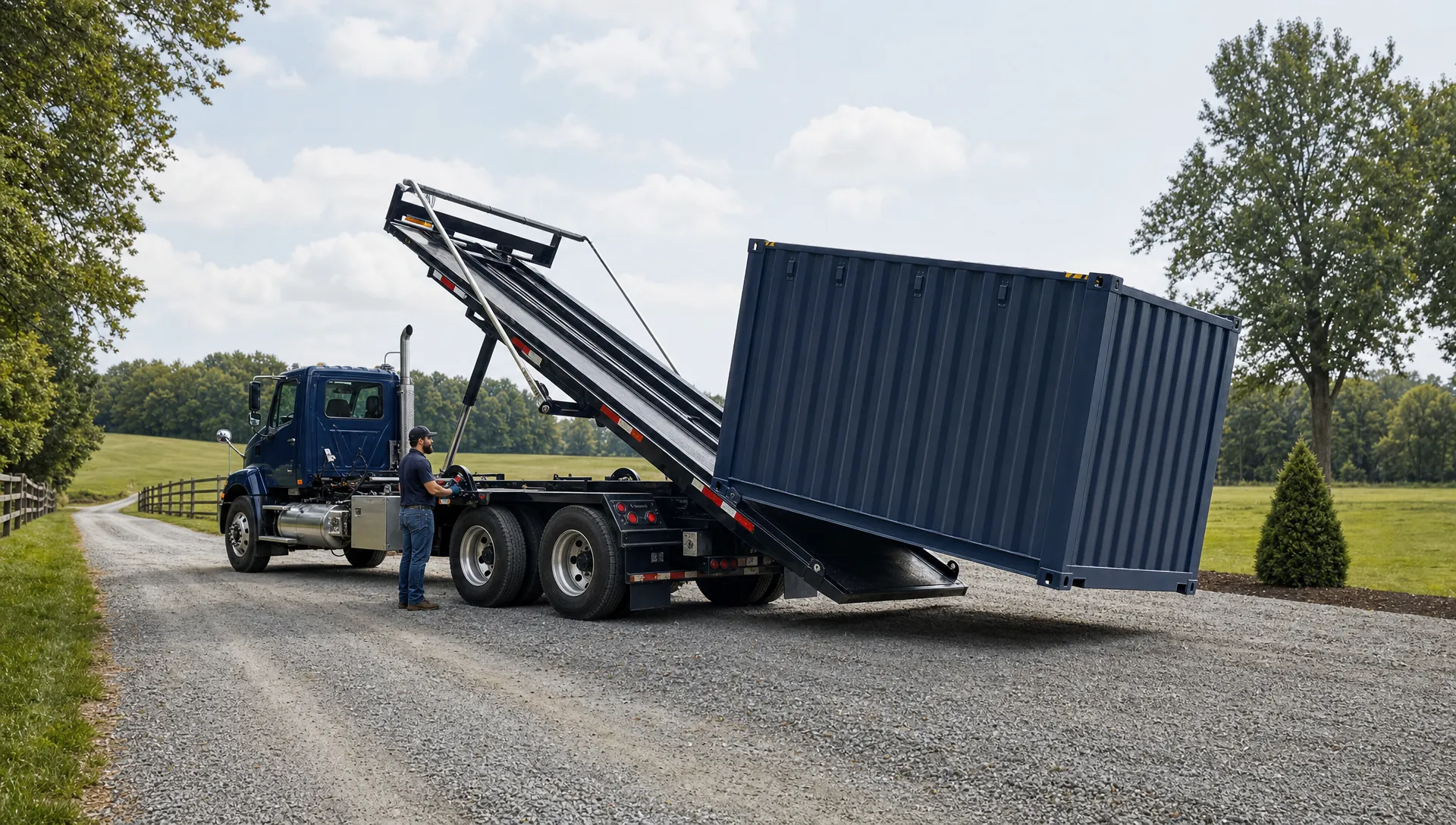
Most residential and small business deliveries use a tilt-bed or roll-off style truck, depending on the carrier and location. Larger or tighter placements may require a crane, side-loader or separate equipment. Ask the seller what method they plan to use for your address.
Before delivery, measure more than the container footprint. Measure the driveway, gate width, turning room, overhead wires, tree limbs and slope. A 20ft container still arrives on a large truck, and the driver needs room to unload safely.
A basic site prep plan includes level ground, drainage and support points. Gravel pads, concrete strips and compacted road base are common choices. Avoid low spots where water pools against the floor and lower rails.
Federal and state rules can affect truck routing, weight limits and oversize movement. The Federal Highway Administration truck size and weight information is a useful starting point, but your delivery carrier will also follow state and local rules for the route.
If you want a practical delivery-focused checklist, this guide on how to choose shipping containers for local delivery goes deeper into access, placement and site prep.
At this stage, it also makes sense to compare actual inventory. For buyers who want a cleaner unit for long-term storage or a future conversion, a 20ft New Shipping Container - Wind & Watertight - Gray is a strong baseline to review. If budget storage is the main goal, compare that against a 20ft Used Shipping Container - Wind & Watertight - Blue so you can weigh appearance, wear and cost before ordering.
What should be in a delivered quote
A low container price can become expensive if delivery is vague. Ask for the total delivered cost, not just the box price. A clear quote should separate the container, delivery, optional upgrades and any taxes or fees that apply.
| Quote item | Why it matters | Question to ask |
|---|---|---|
| Container price | Shows the cost of the unit itself | Is this price for this exact unit or a comparable unit? |
| Delivery charge | Can vary by mileage, truck type and route | Is delivery included to my ZIP code and final placement area? |
| Offload method | Affects site access and equipment needs | Will the truck tilt, roll off, crane or side-load the container? |
| Wait time or failed delivery | Protects you from surprise fees | What happens if the site is blocked or not ready? |
| Condition guarantee | Defines seller responsibility | Is WWT or CWO stated in writing? |
| Financing or lease option | Helps cash flow for some buyers | Are financing options available for this purchase? |
Outback Shipping Containers offers transparent online shopping with instant quotes and in-house lender financing (only for container homes priced above $72,000, subject to lender approval). LeaseLink Containers is the leasing arm, which may fit buyers who want container access without the same upfront structure as a cash purchase. Terms and availability can vary, so ask for current details before deciding.
Businesses should also think about tax treatment, asset tracking and future moves. If you are buying for a contractor yard, warehouse or field operation, this guide on how to purchase storage containers for business use can help you build a more complete buying plan.
Red Flags That a Local Container Seller Is Not Trustworthy
A bad seller often looks fine at first glance. The warning signs appear when you ask simple questions. If the listing has a cheap price but no delivery details, no condition grade and no real support, treat it as a risk.
One common red flag is a seller who will not provide a written invoice or only accepts high-risk payment methods. Another is a listing that uses the same perfect container photo across many cities. Real used containers have unique wear, paint, markings and dents.
Be careful with prices that are far below every other quote in your area. Containers are heavy steel assets with real trucking costs. If the price ignores freight, fuel, driver time and equipment, something is missing.
Other warning signs include:
- The seller cannot explain WWT, CWO or one-trip condition.
- The business name on the invoice does not match the website or payment account.
- The seller refuses to discuss delivery access before payment.
- The listing promises instant delivery but gives no carrier plan.
- The seller cannot answer what happens if the unit leaks.
A good seller is not just selling steel. They are solving a delivery and placement problem. That is especially true for rural buyers, construction firms, farms and property owners with tight drives or uneven land.
Why a Nationwide Seller Can Still Be the Right Local Choice
Many buyers search local because they want faster delivery and lower freight cost. That makes sense. But the best choice is not always the closest person with a listing. It is the seller who can source the right unit, give a real delivered quote and coordinate delivery to your site.
A nationwide supplier can often work from multiple inventory points instead of one small yard. That matters when you need a specific size, condition grade or delivery window. It also matters if you are in a rural area where small local sellers may not deliver at all.
Outback Shipping Containers serves all 50 states with new, used and custom options, including shipping container homes, modular offices, workshops, container pools and custom modular builds. The key is to choose the right product for the job and confirm local delivery logistics before you buy.
Permits and zoning are a separate issue. A storage container, office container, pool or shipping container home may trigger different rules depending on your city, county, HOA and state. Always check local authorities before placing a container for long-term use or starting a container conversion.
Frequently Asked Questions
What should I check before buying a conex container near me?
Check the seller, container condition and delivery plan. Ask for WWT or CWO status in writing, clear photos, total delivered cost, payment terms and site access requirements. A trusted seller should explain where the unit is coming from and what happens if delivery or condition does not match the quote.
Is a used conex box good enough for storage?
Yes, a used WWT conex box is often enough for tools, equipment, household goods and farm storage. Expect dents, surface rust and old markings. Focus on leaks, door function, floor strength and odors. If appearance matters or you plan a conversion, compare used options against a new one-trip unit.
How much space do I need to deliver a shipping container?
Space depends on container length, truck type, driveway layout and unloading method. A tilt-bed truck often needs far more straight clearance than the container length itself. Measure gates, turns, slopes, trees and wires before ordering. Ask the seller for truck-specific access requirements for your address.
Do I need a permit to put a conex container on my property?
Maybe. Rules vary by state, county, city and HOA. Some areas allow temporary storage containers with few limits, while others regulate placement, screening, foundations, setbacks or occupancy. For offices, homes, pools or long-term structures, contact your local building and zoning department before buying.
Should I buy a 20ft or 40ft conex container?
Choose a 20ft container if you need easier delivery, smaller site impact or storage for tools, furniture or equipment. Choose a 40ft container if you need maximum storage volume and have enough access for delivery. If you are building a home or office, consider high cube height.
What does wind and watertight mean on a used container?
Wind and watertight means the container should keep out wind and rain under normal static storage conditions. It does not mean the unit is new, rust-free or cargo-worthy. Ask whether the seller inspects the roof, doors, gaskets, walls and floor before marking a used container WWT.
Get a Clear Delivered Quote Before You Buy
The best conex container is the one that fits your use, site and budget with no surprises on delivery day. If you want help comparing new and used options, start with current inventory and request a delivered quote through Outback Shipping Containers.
About Outback Shipping Containers
This guide was prepared by the Outback Shipping Containers team, based on the questions our customers ask us most when buying, modifying and taking delivery of shipping containers. Learn more about us.
Ready to find your container?
Browse our in-stock shipping containers, container homes and custom builds, or ask our team for a free quote with delivery to your site.