Conex Containers Explained for First-Time Buyers
By Outback Shipping Containers · Published July 26, 2026 · Last updated October 18, 2026
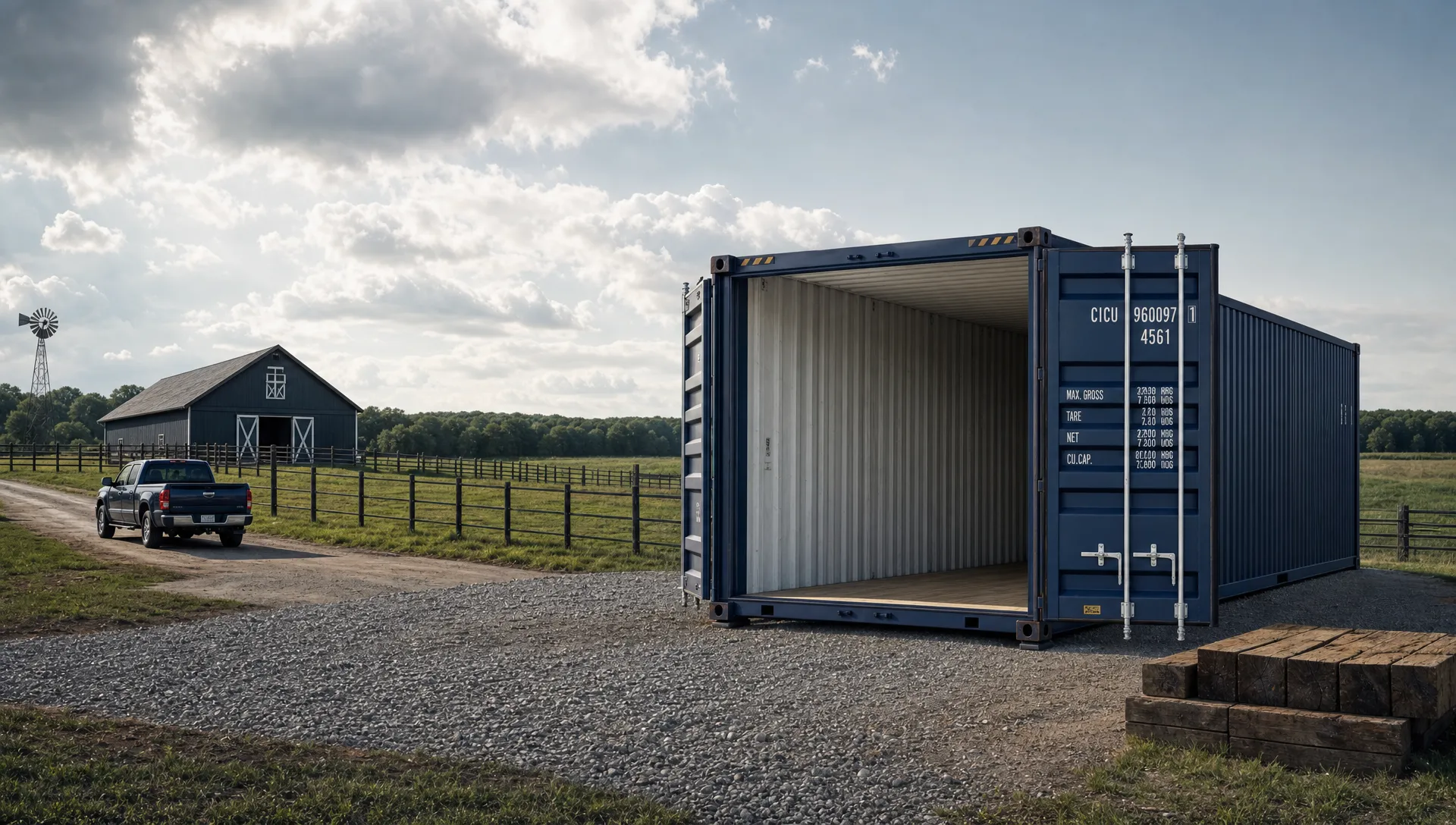
Conex Containers Explained for First-Time Buyers
Conex containers are steel ISO cargo containers used for storage, shipping, job-site offices, workshops, and container conversions. If you are buying for the first time, focus on five things first: size, condition grade, delivery access, total delivered cost, and whether the unit is certified wind and watertight for your use.
Quick Answer: A Conex container, also called a conex box, cargo container, ISO container, or intermodal container, is a standardized steel container built to move freight by ship, rail, and truck. For most buyers, a 20 ft or 40 ft unit is the best starting point.
Key Takeaways
- Conex containers and shipping containers are usually the same thing. The term Conex comes from military logistics, but most sellers use it for standard steel cargo containers.
- The most common sizes are 20 ft, 40 ft, and 40 ft high cube. A high cube gives you 1 extra foot of exterior height.
- Condition matters as much as size. One-trip, cargo-worthy, wind and watertight, refurbished, and as-is units are not the same.
- Delivery can change the whole buying decision. A 40 ft container needs 120 ft of straight clearance for tilt-bed placement.
- Permits vary by city, county, HOA, and use case. Storage, offices, and shipping container homes may be treated very differently by local authorities.
What Are Conex Containers?
A Conex container is a heavy-duty steel box designed to protect cargo during long-distance transport. Most are made with corrugated steel walls, steel roof panels, cargo doors, corner castings, forklift pockets on some models, and marine-grade plywood or bamboo flooring.
The word Conex is often written as CONEX and is commonly understood to mean Container Express. The term became popular through U.S. military freight use, but today buyers use it in the same way they use shipping container, cargo container, storage container, or conex box.
In practical terms, a Conex container is valuable because it is standardized. It can move by truck, rail, and ship. It can also sit on a farm, construction site, backyard, commercial lot, or rural property as secure storage.
Most full-size containers follow ISO freight container standards. The ISO 668 standard covers classification, dimensions, and ratings for Series 1 freight containers. That standardization is why a 20 ft container from one manufacturer is usually close in size to a 20 ft container from another manufacturer.
For first-time buyers, the key point is simple. You are not just buying a steel box. You are buying a specific size, condition grade, certification level, and delivery plan.
Conex Containers Sizes, Dimensions, and Capacity
Most buyers start with 20 ft and 40 ft Conex containers. A 20 ft unit is easier to place in tight areas. A 40 ft unit gives you about twice the length for a lower cost per square foot in many markets. A 40 ft high cube gives extra height, which helps for shelving, workshops, offices, and container homes.
Exact dimensions, tare weight, and payload capacity vary by manufacturer and data plate. Always check the container plate or written specs before buying, especially if you plan to move heavy equipment, build a conversion, or ship cargo overseas.
| Common unit | Exterior dimensions | Typical interior dimensions | Typical tare weight | Common payload capacity | Best first use |
|---|---|---|---|---|---|
| 10 ft standard | 10 ft x 8 ft x 8 ft 6 in | About 9 ft 4 in x 7 ft 8 in x 7 ft 10 in | Varies by build | Varies by build | Small-site storage, tools, tight yards |
| 20 ft standard | 20 ft x 8 ft x 8 ft 6 in | About 19 ft 4 in x 7 ft 8 in x 7 ft 10 in | About 4,800 to 5,000 lb | About 62,000 lb | Home storage, equipment, job sites |
| 40 ft standard | 40 ft x 8 ft x 8 ft 6 in | About 39 ft 5 in x 7 ft 8 in x 7 ft 10 in | About 8,000 to 8,400 lb | About 59,000 lb | Bulk storage, farm use, inventory |
| 40 ft high cube | 40 ft x 8 ft x 9 ft 6 in | About 39 ft 5 in x 7 ft 8 in x 8 ft 10 in | About 8,600 to 8,900 lb | About 58,000 lb | Workshops, offices, container homes |
| 45 ft high cube | 45 ft x 8 ft x 9 ft 6 in | About 44 ft 5 in x 7 ft 8 in x 8 ft 10 in | Often near 10,000 lb | Varies by unit | High-volume storage, custom builds |
The tare weight is the empty weight of the container. Payload capacity is the weight the container can carry. Gross weight is tare weight plus payload. These numbers matter if you plan to transport loaded containers, store heavy machinery, or place the unit on a slab or piers.
If you want a deeper breakdown of door openings, interior square footage, and high cube clearance, Outback Shipping Containers has a full shipping container dimensions guide that explains the measurements buyers should compare.
20 ft vs 40 ft for first-time buyers
A 20 ft container is easier to deliver, easier to fit on smaller properties, and often better for first-time buyers who only need storage for tools, furniture, motorcycles, farm supplies, or seasonal inventory.
A 40 ft container is better when you need more floor space and have enough room for delivery. It is common for contractors, ranch owners, small businesses, and DIY builders who want to divide the unit into zones.
A 40 ft high cube is often the best option for container conversions. That extra foot of height gives you more room for insulation, lighting, ceiling finish, and HVAC runs.
New vs Used Conex Boxes: What Condition Grades Mean
Condition grade is where many first-time buyers get confused. Two containers may both be 40 ft long, but they can be very different in age, appearance, floor condition, door function, and water resistance.
Here is the plain-English version of the most common grades.
| Grade | What it usually means | Good for | Buyer caution |
|---|---|---|---|
| One-trip | Newer container used for one cargo trip from manufacturer to destination | Clean storage, retail sites, homes, offices, premium builds | Costs more than used units |
| Cargo-worthy, CWO | Suitable for cargo transport when properly certified and inspected | Shipping, export, heavy-duty storage | Confirm CSC status if shipping overseas |
| Wind and watertight, WWT | Keeps wind and water out under normal storage use | General storage, job sites, farms, home use | May not be approved for ocean freight |
| Refurbished | Used unit repaired and often repainted | Cleaner-looking storage, commercial sites | Ask what repairs were done |
| As-is | Sold in current condition with no strong guarantee | Low-budget noncritical use | Higher risk of leaks, rust, bad doors, or floor damage |
For most homeowners and small businesses, WWT is the minimum condition to consider for secure storage. If the unit will hold furniture, tools, documents, retail inventory, or building materials, water intrusion is not a small issue.
One-trip containers cost more, but they usually have cleaner floors, better paint, fewer dents, and less wear. They are popular for container homes, tiny homes, offices, pools, cabins, retail units, and design-focused projects.
Used cargo-worthy and WWT containers are often the value choice. They may have dents, faded paint, patches, and surface rust, but they should still do their job if properly inspected and honestly represented.
For a closer cost and condition comparison, read Outback Shipping Containers' guide to new vs used shipping containers before you decide.
How to Choose the Right Conex Container for Your Use
Start with the job the container must do. Do not start with the cheapest listing. A cheap unit that leaks, will not fit on your site, or needs expensive repairs is not cheap for long.
For home storage
A 20 ft WWT container is a strong fit for most homeowners. It gives about 160 square feet of floor space, fits in many driveways or side yards, and can hold furniture, holiday items, lawn equipment, motorcycles, tools, and renovation materials.
If you need room for full-house storage or large equipment, a 40 ft unit may make sense. Just confirm delivery access first.
For construction and job sites
Contractors often choose 20 ft or 40 ft WWT containers. A 20 ft unit works well for tools and smaller equipment. A 40 ft unit can store materials, ladders, scaffolding parts, generators, and job-site supplies.
Security matters here. Ask about lock boxes, door condition, and whether the doors seal tight. A container is only as useful as its weakest door, hinge, gasket, or locking point.
For farms and ranches
Farm and ranch buyers often need simple, strong storage in remote places. A used WWT 40 ft container is common for feed, fencing supplies, seasonal gear, irrigation parts, and equipment.
For rural delivery, road access matters as much as container size. Soft ground, narrow cattle gates, low branches, steep grades, and tight turns can all affect placement.
For offices, workshops, and living spaces
A high cube is usually worth considering for any container conversion. Insulation and interior finishes reduce usable space. In a standard container, the interior height is already limited. A 40 ft high cube gives you more breathing room.
For a shipping container home, office, cabin, or workshop, condition is also more important. One-trip or carefully refurbished units often make more sense because they reduce repair work and improve the final appearance.
If you are still comparing container types, Outback's guide to the types of shipping containers and when to use each is a useful next step.
What to Inspect Before You Buy
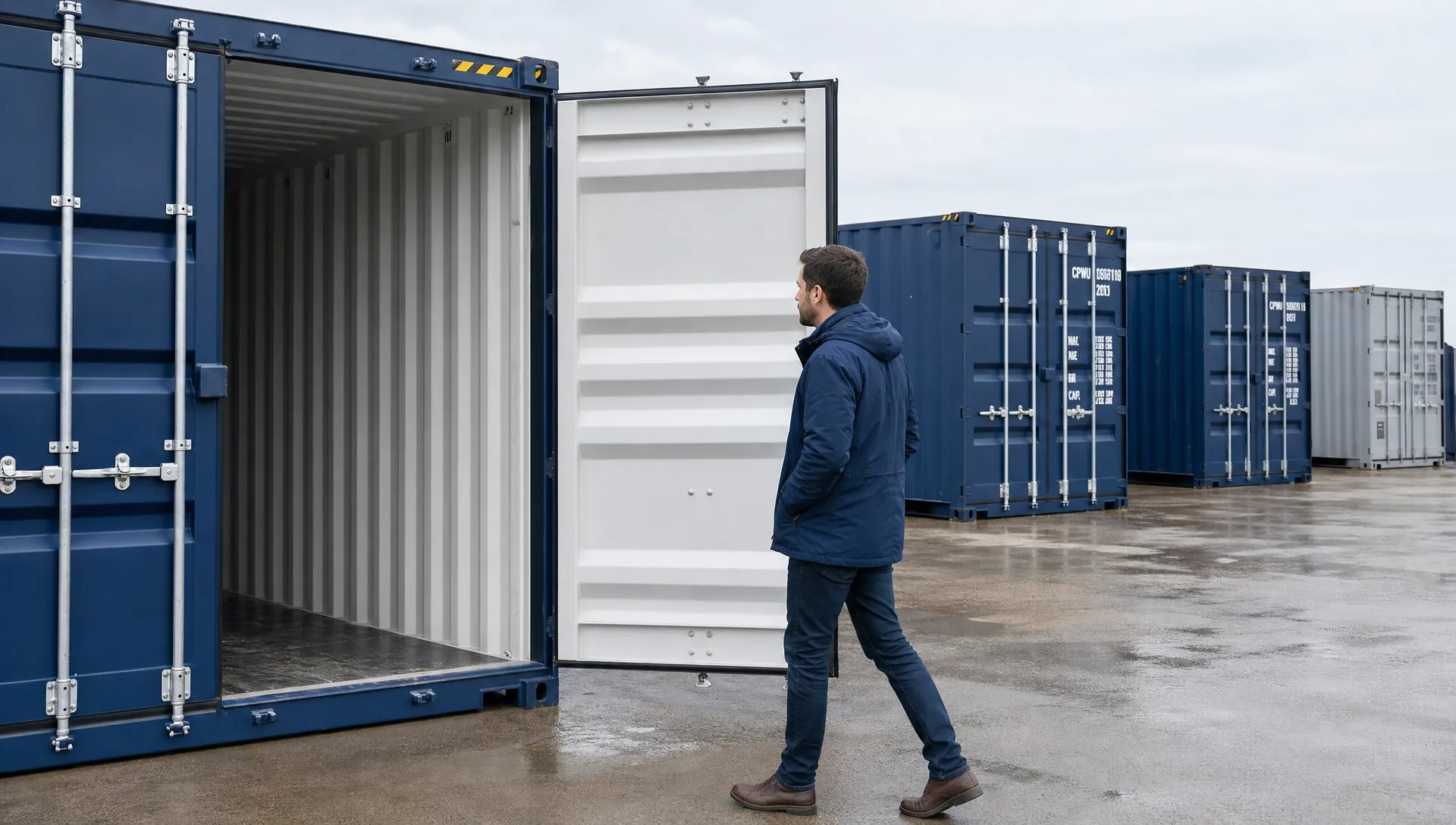
A good seller should be clear about the size, condition, certification, delivery method, and total delivered price. If possible, inspect the exact unit or ask for current photos of the exact unit you will receive.
Stock photos are helpful for showing a container type. They are not enough for a used container purchase.
Check these areas before paying:
- Doors and seals: Doors should open, close, latch, and lock without extreme force. Gaskets should be present and in usable condition.
- Roof panels: Look for heavy dents, standing water areas, rust holes, patches, or daylight coming through.
- Floor condition: Walk the floor. Watch for soft spots, chemical odors, deep gouges, rot, or major delamination.
- Wall rust and dents: Surface rust is common on used containers. Deep corrosion, cracks, or holes are different.
- Undercarriage: If accessible, check crossmembers and bottom rails for serious rust or impact damage.
- CSC plate or manufacturer plate: For cargo use, verify the plate and inspection status. For storage only, the plate still helps confirm specs.
- Locking hardware: Lock rods, cams, keepers, and handles should be usable and not badly bent.
Red flags to avoid
Be careful with listings that show prices far below normal local market levels, sellers who refuse to provide basic details, or requests for rushed wire payments. Scams are common in the container market because buyers often shop from photos.
A trustworthy seller should be able to explain the grade, delivery process, payment terms, and what happens if the delivered container does not match the agreed condition.
Delivery, Site Prep, Permits, and Total Cost
Delivery is where first-time buyers often get surprised. A container is not dropped off like a small shed. It arrives on a truck, and the driver needs enough room to turn, back up, tilt, unload, and exit safely.
Delivery access numbers to plan around
Tilt-bed delivery is common for 20 ft and 40 ft containers. The truck tilts the trailer, lets the rear of the container touch the ground, then pulls forward as the container slides into place.
Plan for these general clearances, then confirm with your delivery team:
- 20 ft container: often 100 ft of straight clearance for placement
- 40 ft container: often 120 ft of straight clearance for placement
- Width clearance: often 12 ft minimum, more is better
- Overhead clearance: plan for 14 ft, depending on truck and site
- Ground condition: firm, level, and accessible by a heavy truck
These are planning numbers, not universal rules. A rural driveway, soft field, tight alley, low tree limb, or overhead power line can change the delivery method.
Site prep basics
Set the container on level, well-drained ground. Do not place it directly in mud or standing water. A gravel pad, concrete strip footings, concrete piers, railroad ties, or heavy-duty blocks can help keep the steel frame off wet soil.
Support the container at its structural points, especially the corners. For long-term use, ask your supplier or contractor how to support the unit based on soil, load, local frost depth, and intended use.
If you plan to store items that are sensitive to humidity, consider ventilation, desiccants, shelving, and air gaps around stored goods. A WWT container keeps rain out, but it does not eliminate condensation in every climate.
Permits and zoning
Permit rules vary by state, county, city, and HOA. A storage container on a farm may be treated differently from a container office in a commercial lot or a shipping container home on a residential parcel.
Ask your local building or planning department about:
- Temporary vs permanent placement
- Setback rules from property lines
- Foundation requirements
- Utility connections
- Electrical and plumbing permits
- Fire access and egress
- Wind, snow, seismic, and flood requirements
- HOA or deed restrictions
For homes and offices, expect a higher level of review. A container conversion may need engineered drawings, insulation plans, energy code compliance, foundation details, window and door specs, and inspections. Always check local rules before buying or modifying the unit.
What affects the total price?
The honest answer is that there is no single national price for Conex containers. Container costs change with inventory, port location, steel markets, grade, size, color, modifications, and delivery distance.
A real quote should show more than the base container price. Ask for the full delivered cost so you can compare sellers fairly.
| Cost factor | Why it changes the quote |
|---|---|
| Size | 10 ft, 20 ft, 40 ft, 40 ft high cube, and 45 ft high cube units use different inventory and equipment |
| Condition | One-trip units cost more than used WWT or as-is units |
| Certification | CWO and WWT guarantees can affect price and risk |
| Delivery distance | Remote and rural deliveries often cost more than metro deliveries |
| Placement needs | Crane, forklift, or special equipment may add cost |
| Modifications | Doors, windows, vents, insulation, electrical, paint, and framing add labor and materials |
| Local requirements | Taxes, permit needs, and site work vary by location |
If you want a real number instead of a rough national guess, compare available new and used shipping containers from Outback Shipping Containers with transparent online pricing, lender financing (only for container homes priced above $72,000, subject to lender approval), and nationwide delivery support.
First-Time Buyer Checklist
Use this checklist before you send payment or schedule delivery. It can save you from wrong-size orders, surprise fees, and poor-quality units.
- Confirm the exact size, including standard height or high cube height.
- Confirm the condition grade in writing, such as one-trip, CWO, WWT, refurbished, or as-is.
- Ask whether photos show the exact unit or a representative unit.
- Verify what certification or guarantee comes with the sale.
- Ask for the total delivered price, not just the container price.
- Confirm the delivery truck type and required clearance.
- Prepare a firm, level, accessible placement area.
- Check local permit, zoning, and HOA rules before delivery.
- Avoid sellers who pressure you to pay before answering basic questions.
- Keep invoices, warranty language, and delivery notes in writing.
A good buying process should feel clear. You should know what is being delivered, when it will arrive, how it will be placed, and who to call if something does not match the order.
Frequently Asked Questions
What is the difference between a Conex container and a shipping container? A Conex container and a shipping container usually refer to the same steel cargo box. Conex is an older logistics term, while shipping container, cargo container, ISO container, and intermodal container are broader industry terms. Buyers use all of them when shopping for storage or conversion units.
Is a 20 ft or 40 ft Conex container better? A 20 ft container is better for tight sites, home storage, and smaller job sites. A 40 ft container is better for bulk storage, farm use, and larger projects. If you have room for delivery and placement, a 40 ft unit often gives more usable space per foot.
Do I need a permit for a Conex container on my property? Maybe. Permit rules depend on your city, county, zoning district, HOA, and intended use. Temporary storage may be treated differently from permanent storage, offices, workshops, or homes. Call your local building or planning department before delivery to avoid fines or removal orders.
How long will a Conex container last? Lifespan depends on age, condition, climate, drainage, paint, roof condition, and maintenance. A well-placed container kept off wet ground can last many years as storage. Salt air, standing water, roof damage, and untreated rust can shorten its life.
Can you live in a Conex box? Yes, but not without proper design, permits, and construction. A shipping container home needs insulation, ventilation, egress windows or doors, electrical work, plumbing if included, foundation support, and local code approval. Do not assume a storage container is automatically legal or safe to live in.
How do I know if a used Conex container is watertight? Inspect the roof, doors, gaskets, walls, and floor. Step inside during daylight and look for pinholes of light. Ask for a WWT guarantee in writing. If the unit will hold valuable goods, buy from a seller that clearly states the condition grade and delivery terms.
Buying your first container is easier when the seller explains the unit, the grade, and the delivery plan in plain language. Outback Shipping Containers supplies new, used, and custom containers with nationwide delivery across all 50 states.
When you are ready to compare options, you can review available shipping containers and request an instant quote for your site, budget, and use case.
About Outback Shipping Containers
This guide was prepared by the Outback Shipping Containers team, based on the questions our customers ask us most when buying, modifying and taking delivery of shipping containers. Learn more about us.
Ready to find your container?
Browse our in-stock shipping containers, container homes and custom builds, or ask our team for a free quote with delivery to your site.