Shipping Containers for Storage Units: Is It Worth It?
By Outback Shipping Containers · Published September 3, 2026 · Last updated October 11, 2026
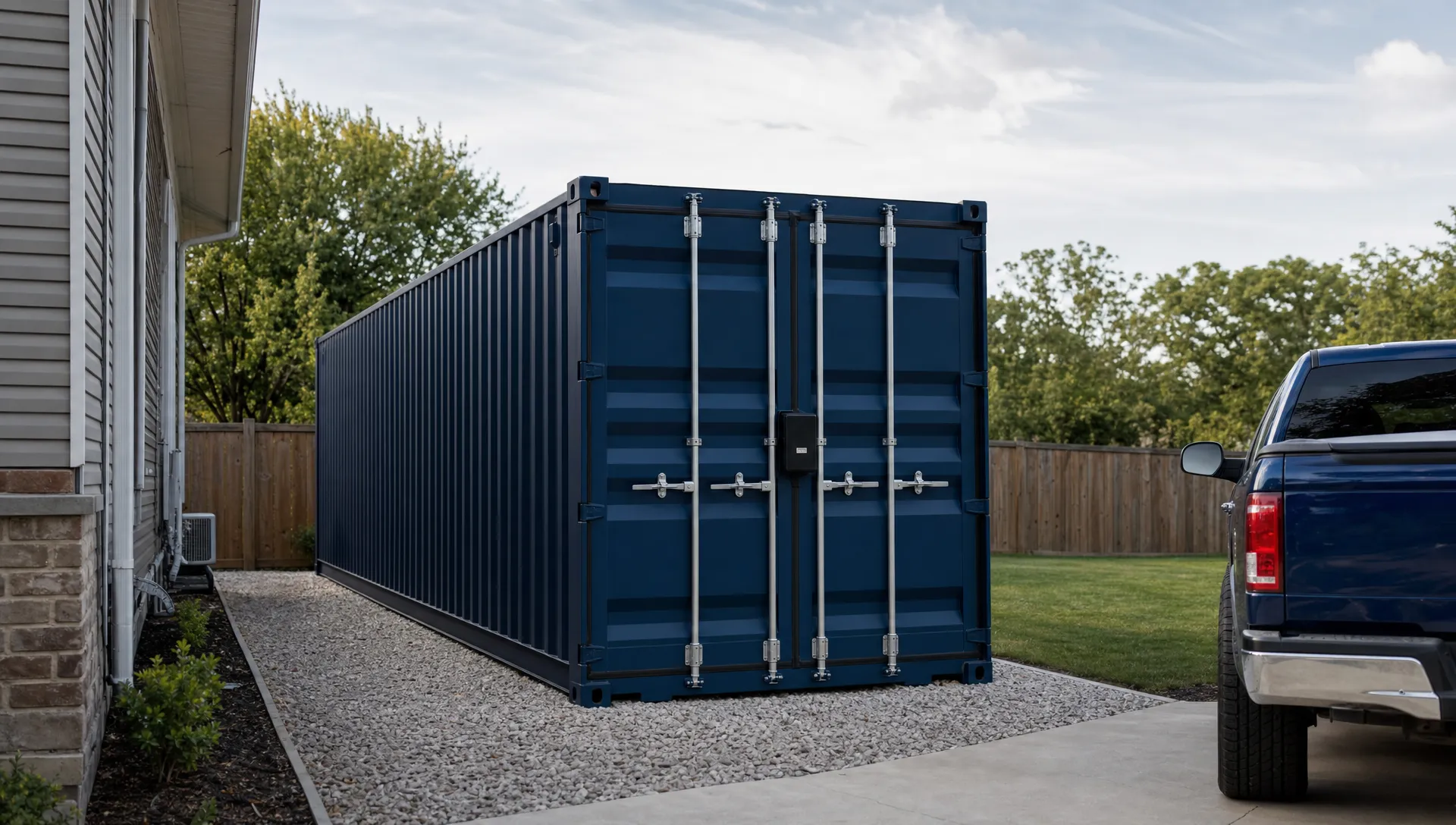
Shipping Containers for Storage Units: Is It Worth It?
Shipping containers for storage units are worth it when you need secure, weather-resistant storage on your own property for several months or longer. They make the most sense for homeowners with space, contractors with job-site equipment, farms, small businesses and anyone tired of paying off-site storage rent. They are not ideal for every situation, especially if you need climate control, live in a strict HOA or only need storage for a few weeks.
Quick Answer: A shipping container is usually worth it as a storage unit if you have a legal place to set it, can handle delivery access and need durable storage for tools, inventory, furniture, equipment or farm supplies. For short-term use, renting may be easier. For long-term use, buying often gives better control and resale value.
Key Takeaways
- Best fit: Long-term on-site storage for homes, farms, job sites, workshops, inventory and equipment.
- Most common sizes: 20ft containers offer 160 square feet, while 40ft containers offer 320 square feet.
- Best condition for storage: Wind and watertight (WWT), cargo-worthy (CWO), refurbished or one-trip units.
- Hidden cost to plan for: Delivery, site prep, permits, locks, vents and moisture control.
- Main deal-breakers: No legal placement, poor truck access, climate-sensitive items or very short-term storage needs.
Shipping Containers for Storage Units: When They Are Worth It
A shipping container storage unit is worth it when the container solves a real access problem. If your tools, materials or seasonal items need to be where you work or live, an off-site storage facility can waste time. A container puts that storage at ground level, on your schedule and behind your own lock.
This is why cargo containers are common on construction sites, farms, ranches and commercial yards. They are built for intermodal transport, which means they are designed to move by ship, rail and truck. That design also makes them strong stationary storage units.
For a homeowner, a 20ft conex box can replace a packed garage during a remodel. For a contractor, a 40ft container can hold tools, ladders, job materials and temporary shelving. For a farm, it can protect feed, fencing supplies and parts from rain and theft.
A container may not be worth it if you only need storage for one month. It also may not work if your site has no level area, no truck access or local rules that restrict containers. Before you shop, confirm that you can place the unit legally and safely.
| Situation | Is a container worth it? | Why |
|---|---|---|
| Home remodel lasting 6 to 18 months | Often yes | Keeps furniture and materials on-site |
| Contractor job site | Yes | Secure tool and material storage near the work |
| Farm or ranch storage | Yes | Durable ground-level storage in rural areas |
| Business inventory overflow | Often yes | Adds space without building a warehouse |
| Apartment move for a few weeks | Usually no | Delivery and placement may be harder than portable storage |
| Climate-sensitive antiques or documents | Maybe | Needs insulation, ventilation or climate control |
| Strict HOA neighborhood | Maybe not | Rules may limit visible storage containers |
What You Actually Get With a Shipping Container Storage Unit
A shipping container is not the same as a backyard shed. It is a steel ISO container built around a rigid frame, corner castings and heavy-duty doors. The core design is standardized so containers can stack and move through global freight networks.
The ISO 668 freight container standard covers classification, dimensions and ratings for Series 1 freight containers. For storage buyers, that standardization matters because common sizes are predictable. A 20ft ISO container from one depot will fit the same basic footprint as another 20ft unit.
That said, interior dimensions and weights can vary slightly by manufacturer, age and door style. Always check the data plate or seller specifications before planning shelving, vehicle storage or heavy loading.
Common storage container sizes
Most storage buyers choose 20ft or 40ft units. A 10ft container is useful for tight sites, but many 10ft units are cut down from larger containers rather than built as standard international shipping units. A 40ft high cube gives the same floor area as a standard 40ft unit but adds about one extra foot of height.
| Size | Exterior dimensions | Approx. floor area | Approx. interior volume | Common storage use |
|---|---|---|---|---|
| 10ft | 10ft x 8ft x 8ft 6in | 80 sq. ft. | Varies | Tight yards, small tools, household overflow |
| 20ft standard | 20ft x 8ft x 8ft 6in | 160 sq. ft. | About 1,170 cu. ft. | Remodel storage, tools, small business inventory |
| 40ft standard | 40ft x 8ft x 8ft 6in | 320 sq. ft. | About 2,390 cu. ft. | Job sites, farm storage, bulk inventory |
| 40ft high cube | 40ft x 8ft x 9ft 6in | 320 sq. ft. | About 2,690 cu. ft. | Tall equipment, shelving, container conversion projects |
| 45ft high cube | 45ft x 8ft x 9ft 6in | 360 sq. ft. | Varies | Large commercial storage, bulky materials |
For weight planning, a 20ft container often has a tare weight near 4,800 to 5,000 pounds. A 40ft container often weighs around 8,000 to 8,800 pounds empty. Payload capacity is listed on the CSC plate and can exceed 50,000 pounds on many units, but stationary storage still depends on floor condition, load distribution and foundation support.
Do not treat payload capacity as permission to pile all weight in one corner. If you store engines, pallets, stone, feed or dense equipment, spread the load and ask the seller about floor condition.
New, used, WWT and CWO conditions
Condition matters more than paint color. For storage, the goal is simple: no leaks, solid doors, sound floors and enough structural life for your use.
A one-trip container is usually the cleanest option. It has made one cargo trip and often has fewer dents, newer door gaskets and better appearance. It costs more than most used units but is a strong fit for home storage, retail inventory, furniture or future container conversion work.
A WWT container means wind and watertight. This is often the practical choice for outdoor storage. The unit may show dents, faded paint and surface rust, but it should keep out normal rain and wind-driven moisture when doors and seals are in working order.
A CWO container means cargo-worthy. It is fit for cargo transport and may have a valid CSC plate, depending on the unit and inspection status. A CWO unit is usually more than enough for stationary storage and may be preferred if you want stronger documentation.
Refurbished containers sit between used and new in appearance. They may have repaired sections, new paint or improved seals. As-is containers are riskier for storage because leaks, doors and floors may need work.
If you are deciding between grades, Outback has a more detailed guide to new vs used shipping containers for different budgets. It is a good next read before you request quotes.
Cost Factors: Purchase, Delivery, Prep and Break-Even Math
The value of a shipping container depends on the total delivered cost, not just the container price. Local inventory, size, condition, trucking distance, fuel, taxes and site access all affect what you pay. That is why a real quote should include the container, delivery and any requested modifications.
Avoid sellers who only advertise a low container price and hide delivery until the last step. Delivery can change the final number, especially for rural land, tight residential streets or sites that need a crane.
Your cost stack usually includes these items:
- Container purchase or rental cost
- Delivery and pickup fees, if renting
- Site prep, such as gravel, blocks or a concrete pad
- Locks, lockbox, vents, shelving or ramps
- Permit fees, if required locally
- Maintenance, repainting or door gasket replacement over time
The break-even math is simple. Compare the net cost of owning to the cost of renting storage over the same period.
| Cost question | How to calculate it |
|---|---|
| Ownership cost | Delivered purchase price + prep + modifications + maintenance |
| Net ownership cost | Ownership cost - expected resale value |
| Rental alternative | Monthly rental rate x number of months + delivery or admin fees |
| Break-even point | Net ownership cost divided by monthly rental alternative |
Here is a sample calculation using round numbers only. If your net ownership cost after resale is $2,400 and the storage option you would otherwise use costs $200 per month, your break-even point is 12 months. If the same storage need lasts three years, owning looks much better. If it lasts six weeks, renting probably wins.
For a deeper cost comparison, read Outback's guide to renting vs buying shipping containers in 2026. It explains when monthly rental, rent-to-own and outright purchase make the most sense.
Security, Weather Resistance and Moisture Control
Shipping containers are strong, but they are not magic boxes. A good storage unit still needs the right condition grade, placement and airflow.
A WWT container should keep out rain when the roof, walls, doors and gaskets are sound. Before buying, check for daylight through the roof or walls from inside the empty unit. Look at door seals, bottom rails, floor soft spots and heavy rust around corners.
Security starts with the doors. Standard cargo doors use locking rods and hasps, but a lockbox adds protection by shielding the padlock from bolt cutters. Use a high-quality puck lock or shrouded padlock. For job sites or remote land, add lighting, cameras or fencing where practical.
Moisture is the issue many first-time buyers miss. Containers can sweat when warm humid air hits cool steel. This condensation can drip onto boxes, tools or furniture.
Good moisture control usually includes ventilation, smart loading and a dry foundation. Do not push cardboard tight against steel walls. Leave air gaps and store items on pallets or shelving. For furniture, fabric and paper goods, consider desiccant packs, insulation or a climate-controlled alternative.
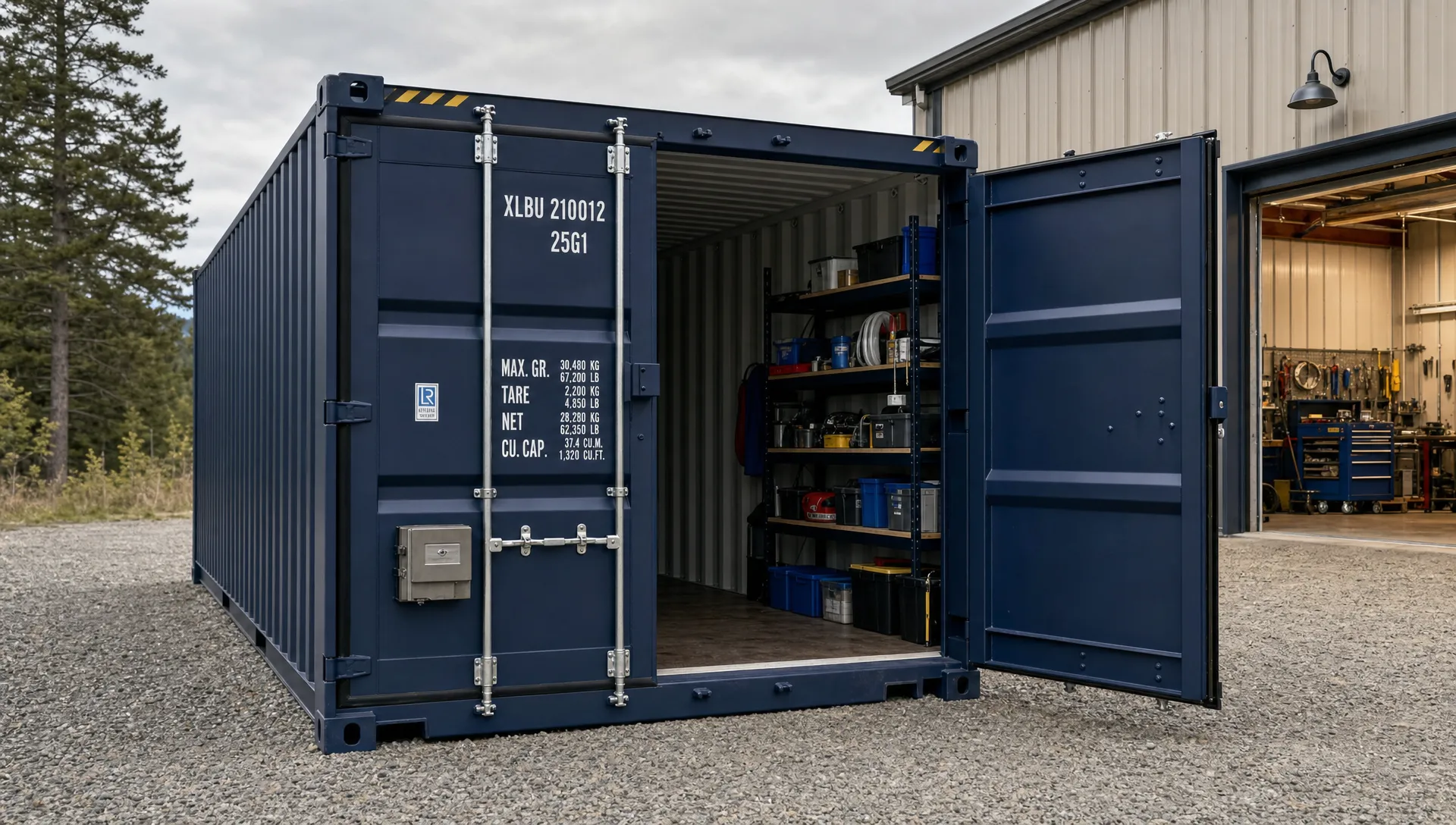
Site Prep, Delivery and Local Rules
A container is only as useful as the site it sits on. The best storage container can become a headache if it is placed on soft soil, low ground or a slope that twists the frame.
Start with drainage. A level gravel pad is common because it drains well and can be installed faster than concrete. Concrete pads are cleaner and more permanent, but they cost more and may trigger local rules. Railroad ties, concrete blocks or piers can also work when placed correctly, but the container should be supported so the doors stay square.
Door operation is a good test. If the doors bind after delivery, the unit may not be level. Small adjustments under the corners can make a big difference.
Delivery access matters before the truck arrives. Most residential and farm deliveries use a tilt-bed or roll-off style truck. The driver needs room to back in, tilt the bed and slide the container into place. A tight turn, low branch, soft driveway or overhead power line can stop a delivery.
Professional carriers also have to secure cargo correctly on public roads. The Federal Motor Carrier Safety Administration publishes cargo securement rules that apply to commercial transport. For buyers, the practical lesson is simple: use qualified delivery providers and be honest about site conditions.
Before ordering, confirm these details:
- Where the doors should face
- Whether the truck can enter and exit safely
- Whether the ground is firm enough for a loaded delivery truck
- If there are gates, trees, wires or tight corners
- If the site needs a crane, forklift or alternate delivery plan
- Whether local zoning, permits or HOA rules apply
Permit rules vary by city, county and state. Some areas treat a container as temporary storage. Others treat it as an accessory structure. If you add electrical, plumbing, windows or use it as a shipping container home, office or workshop, more rules may apply. Always check with your local building department before delivery.
If you already know you need secure on-site storage, you can review available options and request an instant quote through Outback Shipping Containers. Outback supplies new, used and custom containers nationwide, including rural and remote delivery where site access allows.
Best Uses for Container Storage
Shipping containers work best when durability and access matter more than finished appearance. A conex box is practical, square, stackable and movable. It can sit on a job site this year and move to another property later.
For homeowners, containers are useful during renovations, estate cleanouts, storm prep and garage overflow. A 20ft unit is often easier to place than a 40ft unit in a residential driveway or side yard. If appearance matters, choose a one-trip or refurbished unit, then confirm local rules before delivery.
For contractors, a 40ft container is often the better value per square foot. It can hold ladders, compressors, generators, pipe, lumber and boxed materials. Add a lockbox, vents, shelving and lighting for a better daily workflow.
For farms and ranches, a storage container can protect tools, irrigation parts, seed, fence materials and seasonal equipment. In rural areas, delivery planning is key. Long gravel roads, cattle guards, narrow gates and soft pasture ground should be discussed before the truck is dispatched.
For small businesses, containers can handle inventory overflow, records, fixtures and equipment. If customers or employees will access the unit often, plan for safe lighting, flooring, steps, ramps and a clear path around the doors.
| Use case | Best container type | Recommended add-ons |
|---|---|---|
| Home renovation storage | 20ft one-trip or WWT | Lockbox, vents, shelving |
| Contractor job site | 20ft or 40ft WWT/CWO | Lockbox, shelving, lighting |
| Farm and ranch storage | 20ft, 40ft or 40ft high cube | Vents, ramps, equipment racks |
| Business inventory | One-trip, refurbished or WWT | Shelving, insulation, security lighting |
| Workshop conversion | 20ft or 40ft high cube | Man door, windows, electrical, insulation |
| Tiny home or cabin shell | One-trip or carefully inspected used unit | Structural design, insulation, permits |
When a Shipping Container Is Not the Best Storage Unit
A container is not always the cheapest or easiest answer. If you live in a dense neighborhood with no driveway space, a self-storage facility may be simpler. If you need a clean indoor climate, a standard steel container may need too much modification.
Climate-sensitive items require caution. Wood furniture, artwork, electronics, paper files, fabric, leather and musical instruments can suffer from temperature swings and condensation. A vented container helps, but it is not the same as climate-controlled storage.
You should also think about access. Cargo doors are wide and strong, but they need room to swing open. If you need daily walk-in access, a man door or roll-up door may be worth the added cost.
A container may be a poor fit when:
- Your storage need is less than two or three months
- You cannot legally place it on your property
- Delivery access is unsafe or impossible
- You need climate control but do not want modifications
- Appearance rules are strict in your neighborhood
- You need frequent access by customers or the public
The smartest purchase is not always the largest unit. A 40ft container has a lower cost per square foot in many cases, but it also needs more space and delivery room. A 20ft unit is easier to place and relocate.
Modifications That Make Storage Containers More Useful
Small modifications can turn a basic cargo container into a better storage unit. The best upgrades reduce theft risk, improve airflow and make the space easier to use.
A lockbox is one of the first upgrades to consider. It protects the lock body and makes forced entry harder. Vents are another smart storage upgrade because they help reduce stale air and condensation.
Shelving can be added without major structural changes. Freestanding racks work well for renters or buyers who want flexibility. Wall-mounted systems may require welding or fasteners, so ask how the work affects the container walls.
For frequent access, consider a roll-up door or man door. A roll-up door helps when loading pallets or tools from one side. A man door is easier for daily walk-in use. Windows, insulation and electrical are helpful for workshops, offices and container conversion projects, but they add cost and may trigger permits.
The main rule is simple: avoid cutting major structural components without a qualified fabricator. Corner posts, top rails, bottom rails and crossmembers carry load. Poor cuts can weaken the unit and create leaks.
Outback covers practical upgrades in more detail in its guide to shipping container modifications that pay off. For storage buyers, lockboxes, vents, shelving and doors usually come before cosmetic upgrades.
Decision Checklist: Should You Buy a Container for Storage?
Use this checklist before you commit. It will help you avoid the most common first-time buyer mistakes.
- Choose a 20ft container if you need manageable home storage, easier delivery or a smaller footprint.
- Choose a 40ft container if you need maximum storage space and have room for delivery.
- Choose a high cube if you need taller shelving, bulky equipment or future conversion potential.
- Choose one-trip for cleaner appearance, fewer dents and higher resale appeal.
- Choose WWT or CWO used containers for practical outdoor storage at a lower upfront cost.
- Avoid as-is containers unless you can inspect them and accept repair risk.
- Confirm zoning, permits and HOA rules before delivery.
- Prepare a level, well-drained site before the truck arrives.
- Budget for security, ventilation and any access upgrades.
- Get a written quote that includes delivery and condition details.
The best answer is rarely just “buy” or “rent.” It depends on the length of use, site conditions and how valuable the stored items are. If you need storage for years, buying a good container can make sense. If you need storage for one season and do not want resale responsibility, renting or rent-to-own may fit better.
Frequently Asked Questions
Are shipping containers good for storage units?
Yes. Shipping containers make strong storage units because they are built from steel, designed for cargo transport and available in standard sizes. A WWT or CWO unit can protect tools, equipment, furniture and inventory from normal weather. Moisture control, locks and a level foundation still matter.
What size shipping container is best for storage?
A 20ft container is best for most homeowners because it offers 160 square feet and fits more sites. A 40ft container offers 320 square feet and is better for contractors, farms and bulk inventory. A 40ft high cube adds height for shelving, equipment or future conversion work.
Do shipping containers need a foundation?
They do not always need a full concrete foundation, but they do need solid, level support. Gravel pads, concrete pads, blocks or piers can work depending on soil and use. Good drainage is critical. If the container twists or settles, the cargo doors may become hard to open.
Will my belongings get wet in a shipping container?
A properly inspected WWT container should keep rain out, but condensation can still form inside. Store items off the floor, leave air gaps near walls and add vents if needed. For furniture, paper, electronics or fabrics, consider desiccants, insulation or a climate-controlled storage option.
Do I need a permit for a shipping container on my property?
Permit rules vary by city, county, state and HOA. Some areas allow temporary storage containers with few limits, while others regulate them as accessory structures. If you add utilities or convert the unit into an office, workshop or living space, expect more code requirements. Check locally before ordering.
Is it cheaper to buy or rent a shipping container for storage?
Renting is often better for short projects because it lowers upfront cost and avoids resale. Buying can be cheaper for long-term storage if the container retains value and you have a place to keep it. Compare delivered purchase cost, site prep, modifications, rental fees and expected resale value.
Bottom Line
Shipping containers are worth it as storage units when you need durable, secure and accessible space on land you control. They are especially useful for long-term storage, job sites, farms, small businesses and home projects. The right choice comes down to size, condition, delivery access, site prep and local rules.
If you want a certified wind and watertight unit, a one-trip container or help planning delivery, Outback Shipping Containers can help you compare options and request a quote for nationwide delivery.
About Outback Shipping Containers
This guide was prepared by the Outback Shipping Containers team, based on the questions our customers ask us most when buying, modifying and taking delivery of shipping containers. Learn more about us.
Ready to find your container?
Browse our in-stock shipping containers, container homes and custom builds, or ask our team for a free quote with delivery to your site.