Shipping Container Modifications That Pay Off
By Outback Shipping Containers · Published September 1, 2026 · Last updated October 18, 2026
Shipping Container Modifications That Pay Off
Shipping container modifications that pay off are the upgrades that make a container safer, drier, easier to use and easier to permit or resell. Start with the basics: a sound WWT or CWO shell, secure access, ventilation, insulation where comfort matters, electrical planning and structural reinforcement around major cutouts. Cosmetic upgrades can help, but only after the container does its job.
Quick Answer: The best-paying modifications are lockboxes, proper doors, vents, insulation, electrical rough-in, reinforced openings, durable flooring and layouts that preserve usable space. The right mix depends on whether the container will store tools, serve as an office, become a workshop or support a container home.
Key Takeaways
- Function pays before finishes. Weatherproofing, access, security and ventilation usually add more value than cosmetic upgrades.
- The container shell matters. A clean one-trip, CWO or WWT unit is a better starting point than a cheap box with rust, leaks or floor damage.
- Major cutouts need reinforcement. Windows, roll-up doors and wall removals can weaken the corrugated steel if they are not framed correctly.
- High cube containers often pay off for occupied space. The extra 12 inches of height helps with insulation, ceiling finishes and HVAC clearance.
- Permits vary by location. Always check local zoning, building, fire and utility rules before ordering a modified container.
What Makes a Container Modification Pay Off?
A modification pays off when it lowers risk, extends service life or makes the container useful for a higher-value purpose. A conex box used for farm storage does not need the same upgrades as a shipping container home or a customer-facing retail unit. The goal is to match the modification to the job.
There are three kinds of payoff.
First, some upgrades protect the container and its contents. Vents, lockboxes, door seals, roof coating, drainage planning and floor repairs can prevent damage that costs more than the upgrade.
Second, some upgrades save labor. A roll-up door, forklift pockets, ramps, interior lighting or a smart shelving layout can make daily work faster. That matters for contractors, ranch crews, warehouses and job-site teams.
Third, some upgrades increase approval odds, comfort or resale value. Structural reinforcement, proper electrical work, insulation, egress windows and code-aware layouts matter for offices, homes, cabins and commercial spaces.
A good container conversion starts with the boring items. Keep water out. Keep people safe. Keep the structure sound. Then spend on finishes.
Shipping Container Modifications That Pay Off Most
The highest-value modifications are not always the most expensive. Many owners get the best result by combining a few practical upgrades that fit the container’s daily use.
| Modification | Best fit | Why it pays off | Watch for |
|---|---|---|---|
| Lockbox over cargo doors | Storage, tools, job sites, farms | Protects the padlock from bolt cutters and casual tampering | Still use a quality lock and secure site lighting |
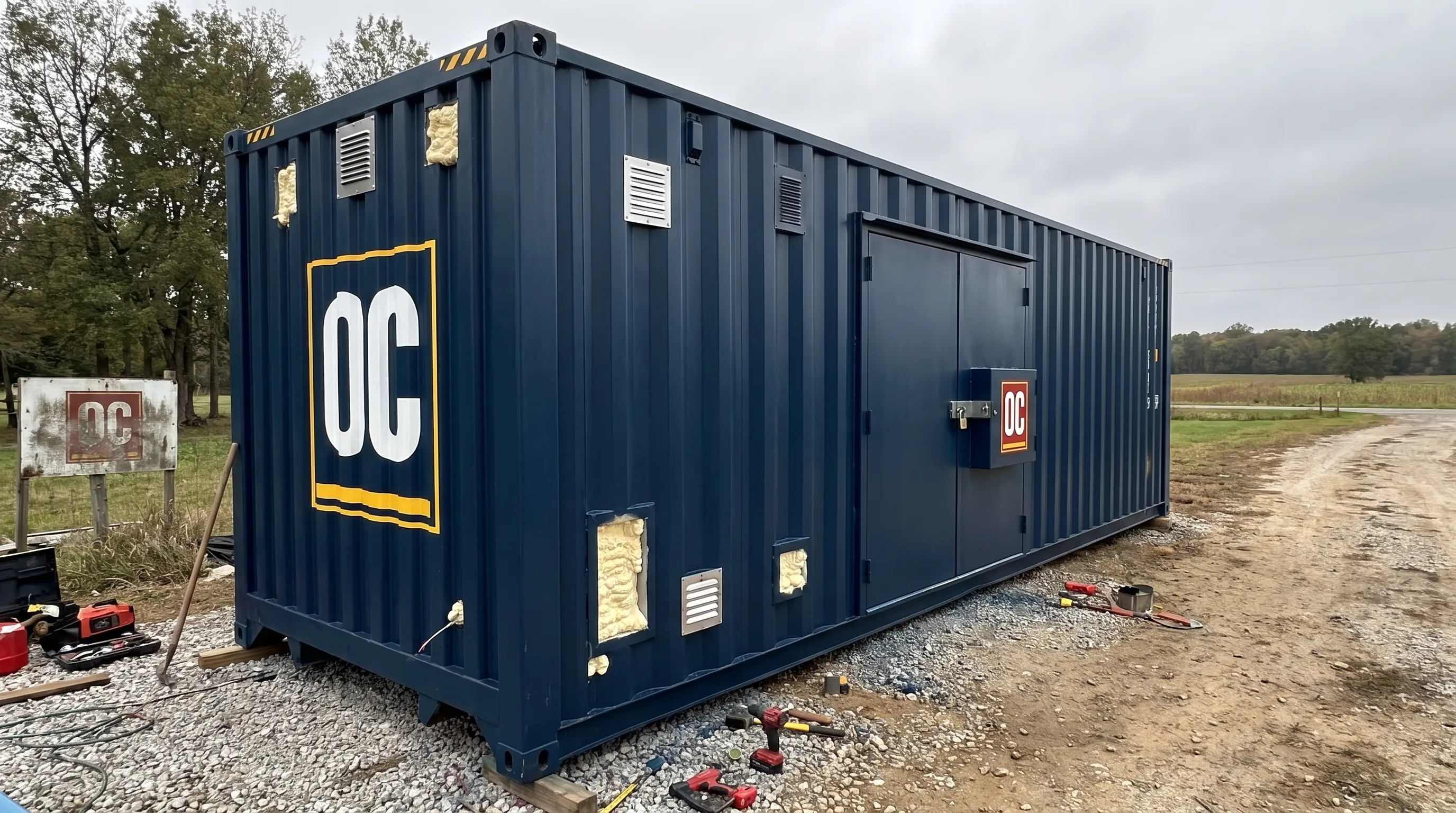
| Passive vents or turbine vents | Storage, workshops, rural sites | Reduces trapped humidity and heat buildup | Vent placement matters in hot, wet or dusty areas |
| Man door | Offices, workshops, homes, retail | Easier daily access than cargo doors | Needs proper frame, flashing and threshold sealing |
| Roll-up door | Equipment storage, landscaping, trades | Fast access for mowers, pallets, tools and machines | Large cutouts need steel reinforcement |
| Insulation | Offices, homes, studios, climate-sensitive storage | Improves comfort and reduces condensation risk | Must match climate, HVAC plan and vapor control |
| Electrical rough-in and lighting | Offices, shops, events, homes | Makes the space safer and more usable | Use licensed trades where required by local code |
| Windows | Offices, cabins, rentals, retail | Adds light, ventilation and comfort | Too many openings can weaken walls and hurt security |
| Interior wall framing | Homes, offices, restrooms, retail | Creates finished space and hides utilities | Reduces interior width, especially in standard-height units |
| Structural reinforcement | Any major cutout or multi-unit build | Maintains strength after steel is removed | Should be designed before cutting starts |
| Durable floor coating or replacement | Storage, food-adjacent use, workshops | Easier cleaning and longer floor life | Inspect the original marine plywood before coating |
Security upgrades are almost always worth it
For basic storage, security is the first place to spend. A lockbox is simple, but it protects the most common attack point. Pair it with good lighting, a level site and a container positioned where the doors are visible from the road, shop or house.
If the container stores expensive tools, fuel, tack, parts or inventory, consider fewer windows and stronger doors. A beautiful container that is easy to break into is not a good investment.
Ventilation pays for itself by preventing moisture problems
Steel containers heat up and cool down fast. That temperature swing can create condensation on ceilings and walls, especially when the container holds tools, cardboard, textiles or furniture.
Passive vents are a low-complexity answer for many storage units. For workshops, offices and occupied spaces, ventilation should be planned with insulation and HVAC. Do not add insulation without thinking through moisture. Trapped vapor can cause hidden corrosion and mold.
Doors and access upgrades change how useful the box feels
Cargo doors are strong, but they are not always convenient. A man door can make a container feel like a real room. A roll-up door can make it work like a shop bay.
For contractors, landscapers and ranch owners, better access can save time every day. For homes, offices and retail units, door placement shapes the whole floor plan. Decide how people and equipment will move before cutting steel.
Insulation has the biggest payoff in occupied containers
If people will spend time inside the container, insulation is not optional in most climates. A bare steel wall can be uncomfortable in summer, cold in winter and prone to condensation.
Spray foam is common because it can seal gaps and reduce thermal bridging, but it is not the only option. Rigid board, mineral wool and framed wall systems may work depending on the design, budget and local code. High cube containers are useful here because the extra height leaves more room for ceiling insulation, lighting and finished flooring.
Electrical planning beats after-the-fact wiring
Lighting, outlets, exterior power, HVAC circuits, data runs and future appliances should be planned together. Retrofitting electrical after interior walls are finished can mean opening walls again.
For storage, basic LED lighting and a few outlets may be enough. For offices, homes and workshops, electrical work should be designed around the actual load. Welders, mini-splits, pumps, refrigerators and water heaters are not small loads.
Choose the Right Container Before You Modify
The container you start with controls the quality of the finished build. A cheaper shell can become expensive if it needs door repairs, floor replacement, leak patching or rust remediation before modifications even begin.
Most buyers compare one-trip, CWO and WWT containers.
A one-trip container is usually newer and has made one cargo trip. It often has cleaner paint, better floors and fewer dents. It is a strong choice for container homes, offices, retail units and high-visibility builds.
A CWO container, short for cargo-worthy, is used but inspected for safe cargo transport. It can be a smart fit for storage, job sites and some modified builds where cosmetics are less important.
A WWT container, short for wind and watertight, is used for storage and ground-based applications. It should keep out normal rain and wind when doors and seals are in good condition. It is not the same thing as a container certified for ocean transport.
Common container dimensions are based on standard ISO container sizing. The ISO 668 freight container standard covers classification, dimensions and ratings for Series 1 freight containers. Always confirm actual interior dimensions, tare weight and payload capacity on the container data plate because manufacturers and modifications can vary.
| Container type | Typical exterior dimensions | Common use | Modification note |
|---|---|---|---|
| 10 ft standard | 10 ft x 8 ft x 8 ft 6 in | Small storage, kiosks, compact utility rooms | Easy to place, but limited floor plan options |
| 20 ft standard | 20 ft x 8 ft x 8 ft 6 in | Storage, workshops, small offices, pool equipment rooms | Easier delivery and placement than a 40 ft unit |
| 40 ft standard | 40 ft x 8 ft x 8 ft 6 in | Large storage, offices, cabins, multi-room layouts | Good floor area, but height can feel tight after insulation |
| 40 ft high cube | 40 ft x 8 ft x 9 ft 6 in | Homes, offices, studios, retail, rentals | Extra height is valuable for finished interiors |
| 45 ft high cube | 45 ft x 8 ft x 9 ft 6 in | Larger custom builds and commercial layouts | More space, but site access and delivery planning matter more |
Typical empty weights also vary. A 20 ft dry container is often around 4,800 pounds empty. A 40 ft dry container is often around 8,200 pounds empty. A 40 ft high cube is often closer to 8,800 pounds empty. Check the plate before loading heavy materials because interior buildouts reduce usable payload.
If you are considering a larger finished build, Outback’s guide to 40 ft high cube shipping container modification costs is a useful next step because it focuses on the cost drivers that show up once you add height, systems and interior finishes.
Match the Modification to the Use Case
A storage container, office container, container home and rental cabin can all start with the same steel shell. They should not end with the same modification list.
Storage and job-site containers
For construction companies, logistics teams, farms and ranches, the best upgrades usually improve access, weather resistance and security. Lockboxes, vents, shelving, ramps, partition walls and exterior lighting are practical choices.
A 20 ft container works well when the site is tight or the contents change often. A 40 ft container gives better cost per square foot when there is room for delivery and placement. For job sites, think about how trucks, forklifts and crews will move around the doors.
Workshops and service bays
A workshop needs light, power, ventilation and enough clear floor space to move. Roll-up doors can help if you store mowers, ATVs, compact equipment or palletized materials. Man doors help with daily access.
Plan wall storage before installing windows. Every window adds light, but it also removes wall space and can reduce security. For welding, woodworking, painting or mechanical work, ventilation and fire safety need more attention than appearance.
Offices and modular workspaces
Office containers pay off when they are comfortable, quiet and easy to relocate if the business changes. Insulation, finished walls, electrical, HVAC, windows and a restroom rough-in can make sense depending on the site.
If you are planning a workplace, the article on shipping container office design ideas that add value goes deeper into layout, comfort and flexibility without overbuilding the space.
Shipping container homes and cabins
For homes, ADUs, cabins and tiny rentals, the payoff comes from livability and code-aware planning. High cube containers often make sense because insulation, ducts, lighting and finished floors take up space.
The key upgrades are structural reinforcement, insulation, HVAC, plumbing, electrical, windows, doors, waterproofing and a foundation that fits the site. A good floor plan reduces expensive wall cuts and keeps wet areas close together. Bathrooms, kitchens and mechanical rooms are cheaper to build when utility runs are short.
Permits and zoning rules vary by state, county and city. Some areas treat a container home like any other dwelling. Others add rules for exterior appearance, anchoring, energy code, setbacks, septic, utilities or fire access. Confirm requirements before ordering the container.
Retail, hospitality and rental builds
For Airbnb hosts, developers and entrepreneurs, modifications need to support both guest experience and maintenance. Big windows, clean finishes and exterior cladding can add appeal, but service access matters too.
Think about turnover. Floors should be easy to clean. HVAC filters should be reachable. Plumbing access panels should not be hidden behind permanent trim. A beautiful rental that is hard to maintain can lose money during repairs.
Structural, Code and Delivery Details Buyers Miss
A shipping container is not just a metal box. The corner posts, top rails, bottom rails and corrugated steel walls work together. When you cut a large hole in the side for a window, roll-up door or double-wide opening, you remove part of that system.
Small openings can still need proper framing. Large openings almost always need reinforcement. Multi-container homes, stacked units, double-wide layouts and roof decks need more engineering than a simple storage conversion.
Do not assume every welder or handyman understands container structure. Container steel is different from wood framing, and bad cuts can cause racking, leaks, door misalignment and inspection problems.
Local building departments may ask for drawings, engineering letters, foundation details, energy calculations, utility plans or fire safety items. Commercial projects may also involve ADA access, restroom rules, occupancy limits and fire marshal review.
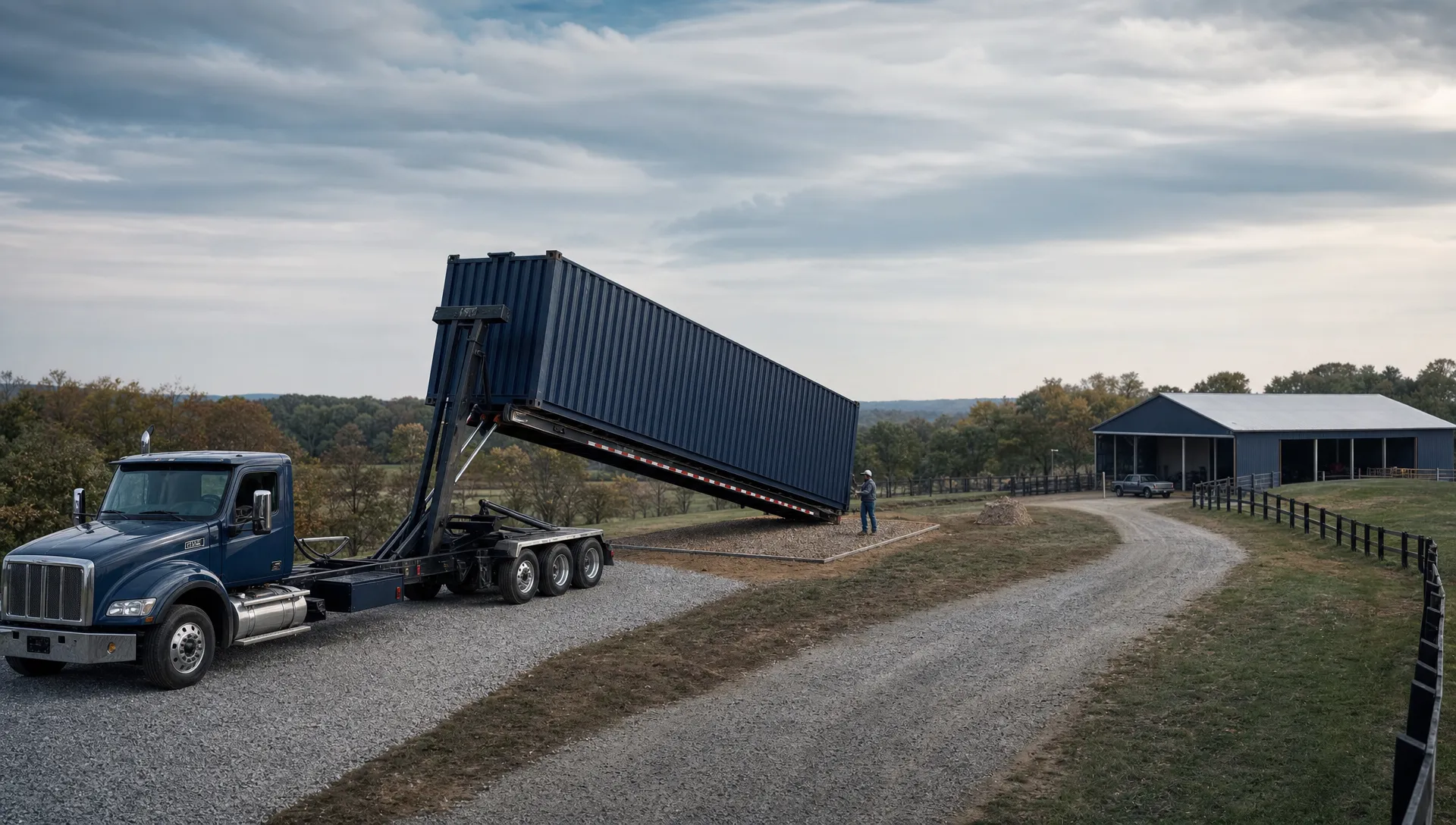
Delivery is another area where modifications change the plan. Extra weight from framing, insulation, finishes, pools, mechanical systems or heavy equipment can affect trucking and lifting. If the container will travel by road, cargo must be secured under applicable rules, such as the FMCSA cargo securement regulations.
Site access matters before the truck arrives. Confirm road width, overhead branches, power lines, turning radius, slope, soil conditions and space for the delivery truck. A 40 ft container needs more room than many first-time buyers expect, especially in rural or wooded areas.
How to Prioritize Your Modification Budget
Start by deciding what failure would cost you the most. For a storage unit, theft and moisture may be the biggest risks. For an office, comfort and power may matter more. For a home or rental, code approval and long-term durability should lead the list.
A practical budget order looks like this:
- Container condition: Start with a clean, inspected shell that fits the use.
- Site and foundation: Place the container level, dry and accessible.
- Structure and weatherproofing: Reinforce cutouts, seal openings and manage drainage.
- Security and access: Add the right doors, locks, ramps and lighting.
- Comfort systems: Plan insulation, HVAC, ventilation, electrical and plumbing together.
- Interior buildout: Add framing, floors, finishes, fixtures and built-ins after the systems are clear.
- Exterior appearance: Paint, cladding, decks, awnings and landscaping can come after the core work is right.
If you are still shaping the scope, Outback’s guide to planning a custom shipping container build step by step can help you define the use case, site needs and approval path before you spend money on the wrong upgrades.
For a compact workshop, retail kiosk, office or storage conversion, a 20 ft modified one-trip container custom build can be a smart starting point because the shell is manageable, durable and easier to place on tight sites.
Modifications that often do not pay off
Some upgrades look good on paper but add little value in real use. Others create new problems.
Avoid large openings unless the layout truly needs them. Every major cutout adds reinforcement, waterproofing and finish work. Too many windows can reduce wall storage, privacy and security.
Do not spend on premium finishes before solving heat, moisture and air movement. A high-end interior installed over poor insulation or hidden leaks will not age well.
Be careful with permanent built-ins if your use may change. Contractors, farms and small businesses often need flexible storage more than fixed cabinets. A container that can adapt will usually hold value better.
Cheap doors, windows and vents can also cost more later. If the hardware leaks, binds or rusts quickly, the container will feel like a problem instead of an asset.
Buyer checklist before approving a modification plan
Use this checklist before you sign off on the build.
- Confirm the container grade, size, exterior dimensions and interior clearance.
- Inspect door operation, roof condition, corner posts, floors and visible rust.
- Ask whether the unit is WWT, CWO or one-trip.
- Review where every door, window, vent and utility penetration will go.
- Confirm how large cutouts will be reinforced.
- Plan electrical, HVAC, plumbing and insulation as one system.
- Check local zoning, permits, setbacks, foundation rules and utility requirements.
- Confirm truck access, unloading method and final placement.
- Ask how added weight affects lifting, transport and payload capacity.
- Get an itemized quote so you can compare shell cost, delivery, labor and options.
Frequently Asked Questions
What is the best shipping container to modify?
A one-trip container is often the best shell for homes, offices, retail units and clean finished builds because it usually has less wear. CWO and WWT containers can be good for storage, workshops and job sites if the roof, doors, floors and corner posts inspect well.
How much does it cost to modify a shipping container?
The cost depends on container size, condition, delivery distance, openings, reinforcement, insulation, electrical, plumbing, HVAC, finishes and permits. A simple storage modification costs far less than a finished office or home. Ask for an itemized quote so you can compare the shell, labor, delivery and options.
Do you need a permit to modify a shipping container?
You may need a permit if the container will be used as a home, office, commercial space, accessory structure or permanent installation. Rules vary by city, county and state. Check with local zoning, building and fire officials before ordering modifications, especially if utilities or occupancy are involved.
Can you cut windows and doors into a shipping container?
Yes, but the openings must be planned and reinforced correctly. The corrugated walls help the container resist racking and bending. Cutting steel without proper framing can cause leaks, weak walls, door alignment issues and inspection problems. Large openings should be reviewed before fabrication starts.
Is a 20 ft or 40 ft container better for modifications?
A 20 ft container is easier to deliver, place and use on tight sites. A 40 ft container gives more floor area and better layout options for offices, cabins and storage. For occupied space, a 40 ft high cube often offers the best balance of length and interior height.
Do shipping container modifications hurt resale value?
Good modifications can improve resale value when they are practical, clean and easy to understand. Poor cuts, leaks, odd layouts and unpermitted work can hurt value. The safest upgrades are usually security, ventilation, quality doors, reinforced openings and flexible layouts that suit more than one future use.
Planning a storage unit, workshop, office or custom container conversion? Start with a solid shell and a clear use case. Outback Shipping Containers supplies new, used and custom containers nationwide, with inspected units, transparent online pricing, lender financing (only for container homes priced above $72,000, subject to lender approval) and delivery support from purchase through placement.
About Outback Shipping Containers
This guide was prepared by the Outback Shipping Containers team, based on the questions our customers ask us most when buying, modifying and taking delivery of shipping containers. Learn more about us.
Ready to find your container?
Browse our in-stock shipping containers, container homes and custom builds, or ask our team for a free quote with delivery to your site.