Custom Shipping Containers for Business and Home Projects
By Outback Shipping Containers · Published August 31, 2026 · Last updated October 18, 2026
Custom Shipping Containers for Business and Home Projects
Custom shipping containers are standard cargo containers modified for real use on a property, job site, farm, rental lot or business location. They can become secure storage, workshops, field offices, cabins, pools, tiny homes or retail units. The right build starts with the container shell, then adds openings, insulation, utilities, finishes and site planning based on how you will use it.
Quick Answer: Custom shipping containers work best when you match the shell to the job first. Use 20ft containers for compact storage, studios and small offices. Use 40ft or high cube containers for larger workshops, homes and commercial builds. Confirm local permits before modifying a unit for occupancy.
Key Takeaways
- Custom shipping containers can serve business, home and investment projects, but the best design depends on use, site access and code requirements.
- New one-trip containers are usually cleaner and easier to convert, while used WWT and CWO containers can be practical for storage and rugged job-site use.
- Standard containers are 8 ft wide, with most units either 8 ft 6 in or 9 ft 6 in tall. High cube containers give more room for insulation, lighting and HVAC.
- Large openings, rooftop loads and stacked layouts may need reinforcement from a qualified fabricator or engineer.
- Delivery planning matters. A great container build can still fail if the truck cannot access the pad, turn around or set the unit safely.
What Custom Shipping Containers Can Do for Business and Home Projects
A shipping container starts as an intermodal container, often called a conex box, cargo container or ISO container. Its original job is to move freight by ship, rail and truck. That makes it strong, portable and weather resistant before any customization begins.
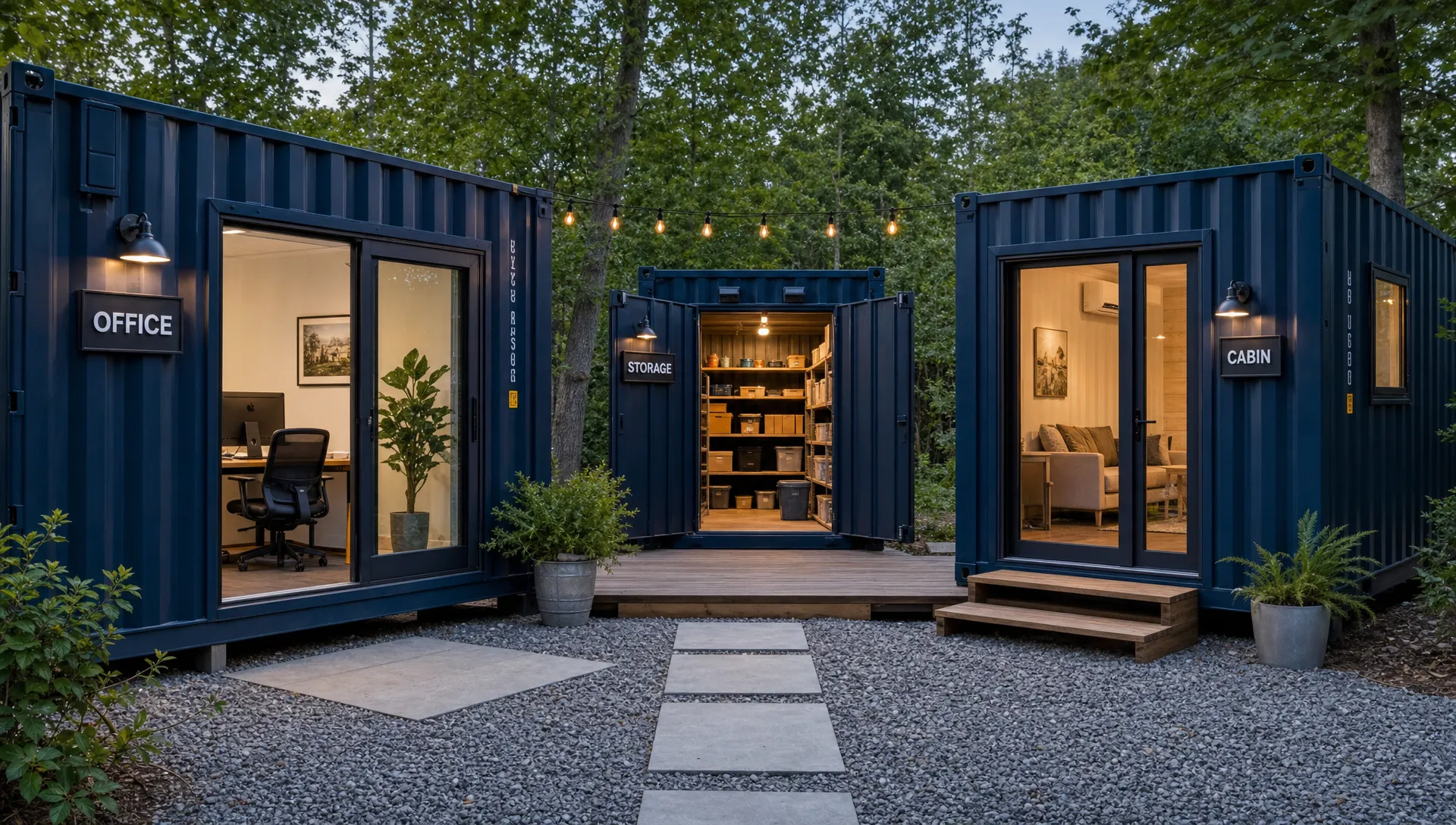
For home projects, container conversions are popular because the shell already provides a steel structure. A 20ft shipping container home can work for a backyard office, hunting cabin, guest unit or tiny home layout. A 40ft shell gives enough length for a more complete floor plan with sleeping, living, kitchen and bath zones.
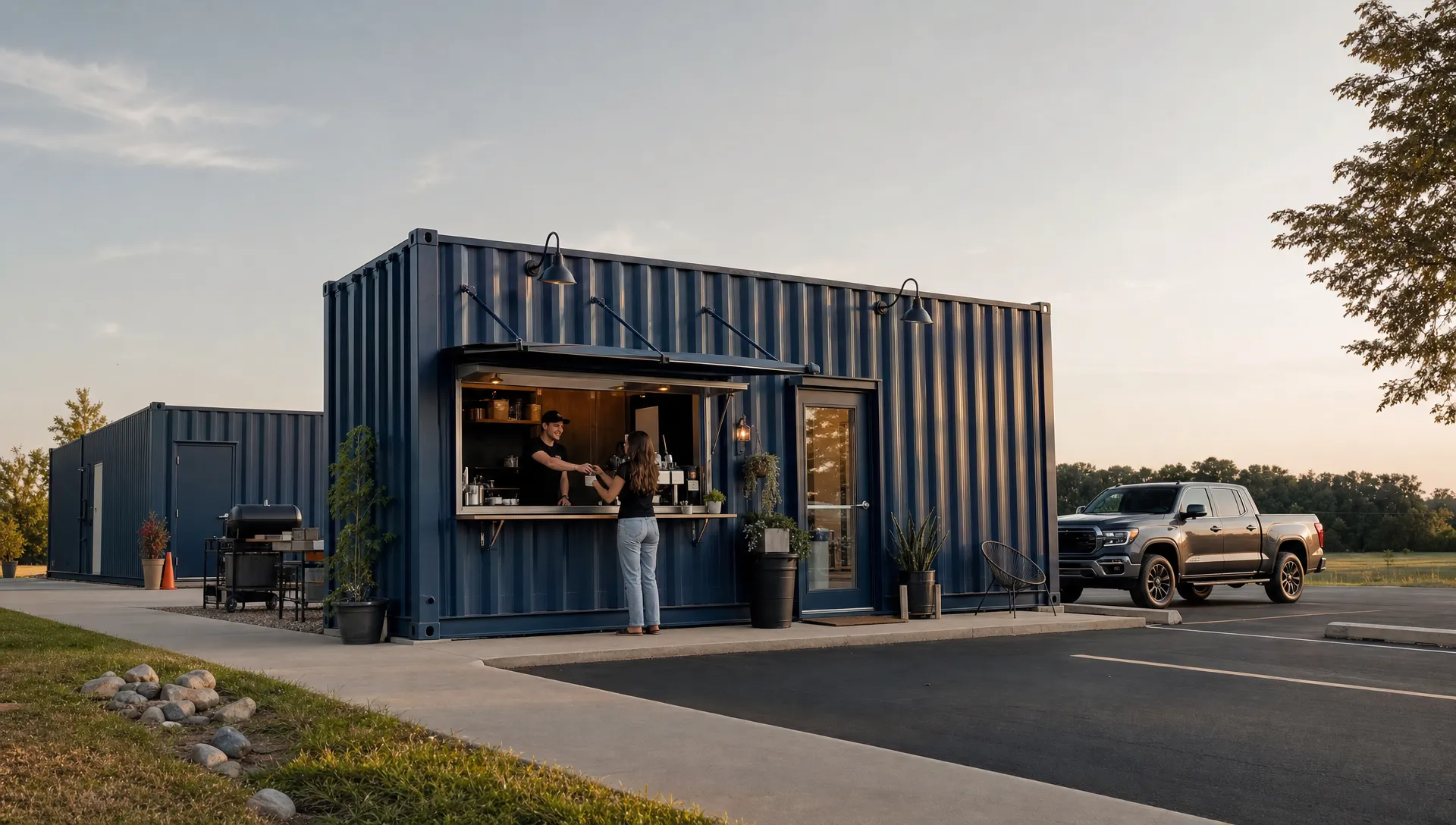
For business projects, the appeal is speed and durability. Contractors use containers for tool storage, mobile workshops and job-site offices. Farms and ranches use them for feed, parts, fencing supplies, ATVs and seasonal equipment. Small businesses use modified units for pop-up retail, secure inventory storage and mobile service bays.
The main benefit is control. You can keep the project simple with vents, a lockbox and shelving, or build a finished interior with insulation, electrical service, plumbing and climate control. The container gives you a repeatable base, but the project still needs careful planning.
If you are still comparing broad use cases, Outback Shipping Containers has a related guide to smart container solutions for storage, work and living that covers common layouts and buying decisions.
Choosing the Right Container Shell: Size, Grade and Height
Most custom builds fail or get expensive when buyers start with the wrong shell. A low-cost container can become expensive fast if it needs major repairs, heavy cleaning or structural work before customization.
The International Organization for Standardization defines many freight container dimensions under ISO 668. In plain terms, standard containers are designed around repeatable outside dimensions, corner castings and load paths. For a custom build, those details matter because the strongest parts are the corner posts, rails and frame.
Interior dimensions vary by manufacturer and floor type, so always confirm the actual unit before ordering cabinets, doors, windows or built-ins. The numbers below are useful planning estimates.
| Container type | Common exterior dimensions | Approx. interior volume | Typical best use | Planning note |
|---|---|---|---|---|
| 10ft standard | 10 ft x 8 ft x 8 ft 6 in | About 560 cu ft | Small storage, kiosks, tool rooms | Easy to place, limited floor plan space |
| 20ft standard | 20 ft x 8 ft x 8 ft 6 in | About 1,170 cu ft | Workshops, offices, tiny cabins, secure storage | Good balance of cost, size and access |
| 40ft standard | 40 ft x 8 ft x 8 ft 6 in | About 2,390 cu ft | Larger storage, cabins, retail, long offices | Needs more delivery room and a longer pad |
| 40ft high cube | 40 ft x 8 ft x 9 ft 6 in | About 2,690 cu ft | Homes, offices, finished interiors | Extra height helps with insulation and HVAC |
| 45ft high cube | 45 ft x 8 ft x 9 ft 6 in | About 3,040 cu ft | Larger commercial or living layouts | Best for sites with strong access and room |
A standard 20ft container often has a tare weight near 4,800 lb. A standard 40ft container often has a tare weight near 8,000 to 8,800 lb. Payload capacity can be far higher than most property projects need, but the exact number is printed on the container plate. If you plan to move loaded containers, check tare weight, payload capacity and road transport limits before you load.
New one-trip vs used WWT and CWO
A new one-trip container has usually made one cargo trip before sale. It costs more than a used unit, but it often has cleaner floors, better paint, fewer dents and less corrosion. For container homes, offices, studios and customer-facing builds, one-trip is often the better starting point.
WWT means wind and watertight. A WWT container should keep out rain and wind when used for storage, but it may have dents, surface rust or patches. This grade is common for farms, job sites and general storage.
CWO means cargo-worthy. A cargo-worthy container is inspected for freight use and is generally a higher transport grade than basic storage grade. If you need a container that may be shipped loaded, ask for the correct certification and plate information before buying.
Standard height vs high cube
High cube containers are 9 ft 6 in tall on the outside, one foot taller than standard units. That extra foot is useful for finished builds because insulation, ceiling panels, lighting and ducting reduce headroom.
For a storage-only container, standard height usually works well. For a shipping container home, office, gym, studio or retail unit, high cube is often worth pricing out. The added height makes the space feel less cramped and gives your builder more room for mechanical systems.
Structure and reinforcement
Containers are strong, but they are not strong in every direction after modification. Corner posts and rails carry much of the load. Corrugated side panels add stiffness. When you cut large window openings, add roll-up doors or remove wall sections, you may reduce the shell strength.
That does not mean you should avoid openings. It means the design should include steel framing, header reinforcement and proper welding where needed. If the container will be stacked, craned after modification or used as an occupied structure, get qualified guidance before cutting.
Popular Business and Home Uses
Custom containers work because they can be simple or highly finished. The right use depends on budget, utilities and how permanent the project will be.
Secure storage and equipment rooms
This is the most common use for a shipping container. Businesses need dry, lockable space for tools, inventory, parts and supplies. Homeowners use containers during remodels, moves and long-term property storage.
Common upgrades include lockboxes, vents, shelving, lighting, roll-up doors and ramps. For high-value inventory, consider a newer shell, better locks, motion lighting and a visible placement area.
Workshops and trade units
A 20ft or 40ft container can become a welding bay, carpentry shop, maintenance room or mobile trade setup. Workbench layout matters more than people expect. A narrow 8 ft shell can feel tight if both walls are covered with storage.
Plan tool zones, outlets, ventilation and door swing before you buy. If you need to move long materials inside, a 40ft container may be better even if a 20ft unit seems cheaper.
Job-site offices and field offices
Construction companies use office containers for plan review, meetings, timekeeping and weather-protected admin space. A good office conversion needs insulation, windows, electrical service, HVAC and secure entry.
If the unit will sit on an active construction site, durability matters. Floors, door hardware and exterior paint take abuse. Choose finishes that can handle mud, boots and daily use.
For buyers focused on commercial storage, Outback also explains the process in how to purchase storage containers for business use, including size, condition and delivery decisions.
Container homes, cabins and guest units
A shipping container home is more than a steel box with windows. It needs code planning, insulation, ventilation, moisture control, electrical, plumbing and safe egress. A well-planned 20ft unit can work as a compact cabin or guest space. A 40ft unit gives more layout flexibility.
The width is the main design limit. Containers are about 8 ft wide outside, with less inside once insulation and walls are installed. That narrow shape works best with linear layouts, built-in storage and careful window placement.
Pools, retail spaces and hospitality units
Container pools, kiosks, coffee stands, ticket booths and short-term rental cabins can all be strong uses for custom containers. These projects often need more design attention because customers or guests will notice every detail.
For rental or hospitality use, confirm zoning, septic, utilities, fire access, parking and short-term rental rules before you build. A good rental concept still needs local approval and safe site infrastructure.
Planning Codes, Utilities and Site Prep
Permits and zoning rules vary by state, county and city. A container used as temporary storage may have different rules than a container used as an office or dwelling. A container used for human occupancy usually faces more code review.
Start by asking your local building department or authority having jurisdiction what they require. Give them the basic facts: size, location, foundation type, utilities, intended use and whether people will occupy the structure.
Zoning and land use
Zoning controls what you can put on the property. Some areas allow accessory structures but restrict dwellings. Some rural counties are flexible with agricultural storage but strict with commercial operations. Some cities limit visible containers in residential zones.
Do not assume that a container is exempt because it is portable. If it sits on blocks for years, has utilities or is used as a business location, local officials may treat it as a structure.
Building code basics
For occupied builds, plan for safe exits, electrical work, insulation, ventilation, smoke alarms and structural support. A container home may also need plumbing, energy code compliance and foundation details.
This is where many first-time buyers underestimate the project. The steel shell is only the start. A safe finished build still needs trade work that meets local requirements.
For a deeper project sequence, use Outback's guide to planning a custom shipping container build step by step before you finalize your layout.
Insulation and moisture control
Steel moves heat quickly. In hot climates, an uninsulated container can become uncomfortable fast. In cold climates, condensation can form when warm indoor air hits cold steel.
Closed-cell spray foam, rigid foam and framed insulation systems are common approaches. The best choice depends on climate, budget and whether the interior needs to meet a finished living or office standard.
Ventilation matters even for storage. Vents help reduce trapped heat and moisture. For occupied spaces, mechanical ventilation and HVAC should be part of the plan rather than an afterthought.
Foundations and pads
Containers need level support. They can sit on compacted gravel, concrete piers, a slab or engineered foundations, depending on use and local requirements. The corners carry heavy loads, but long units may need added support to reduce floor bounce and frame stress.
Drainage is just as important as strength. Keep water from pooling under the unit. Raise the container enough to allow airflow and inspection below the floor.
Cost Factors, Quotes and Buying Checklist
The cost of a custom container depends on four main items: the shell, the modifications, delivery and site work. A cheap shell does not always mean a cheap project. If the unit needs rust repair, floor replacement or extra fabrication, the final cost can climb.
Outback Shipping Containers provides transparent online shopping with instant quotes and lender financing (only for container homes priced above $72,000, subject to lender approval). That helps buyers compare real delivered options instead of guessing from vague listings. For leasing needs, ask about LeaseLink Containers, the leasing arm associated with the brand family.
The biggest cost drivers are usually:
- Container size and grade, including new one-trip, CWO or WWT condition
- Interior finish level, from basic storage to finished living space
- Steel work, including window cuts, doors, roll-up doors and reinforcement
- Electrical, plumbing, HVAC, insulation and interior walls
- Delivery distance, truck type, crane needs and site access
- Permits, engineering, foundation work and utility hookups
A simple storage conversion may only need vents, a lockbox and shelving. A finished office needs a higher budget because it adds insulation, power, lighting, climate control and interior surfaces. A container home is closer to a small building project than a storage purchase.
If you already know you want a compact shell for a serious conversion, Outback lists a 20ft Modified One-Trip Containers - Custom Build option that can help you compare a new 20ft base unit against your project goals.
A practical buying checklist
Use this checklist before requesting a quote. It will save time and reduce change orders later.
- Define the use: Decide if the container is for storage, work, retail, rental, living or mixed use.
- Choose the size: Confirm whether 20ft, 40ft or high cube dimensions fit the layout and site.
- Pick the condition: Choose one-trip for clean finished builds, or WWT/CWO for rugged storage and freight-related needs.
- List required openings: Mark doors, windows, vents, roll-up doors and utility penetrations.
- Confirm utilities: Decide if you need electrical, HVAC, plumbing, water tanks or septic connections.
- Check permits: Contact local authorities before ordering modifications for occupancy or commercial use.
- Plan delivery: Measure access roads, gates, overhead wires, trees, slopes and turn-around space.
- Prepare the pad: Build a level, drained base before the truck arrives.
The more detailed your plan, the better your quote will be. A sketch with measurements, door locations and utility notes can prevent expensive assumptions.
Delivery, Placement and Long-Term Care
Delivery is not just transportation. It is the final step that determines whether your container lands safely, squarely and exactly where you need it.
Most container deliveries use tilt-bed trucks, roll-off trailers, flatbeds or cranes. A tilt-bed truck needs room in front of the final placement area because the container slides off the bed. A crane can place a container over obstacles, but it adds cost and needs safe setup space.
Truck routes also matter. The Federal Motor Carrier Safety Administration publishes cargo securement rules for commercial transport. Your supplier and carrier should understand load securement, route access and safe unloading limits.
Site access questions to answer early
Before delivery, measure the route from the public road to the final pad. Guessing is risky. A 40ft container on a delivery truck needs far more room than the container alone.
Confirm these details with your supplier:
- Gate width and driveway width
- Low branches, power lines and roof overhangs
- Soft ground, steep grades and tight turns
- Space for the truck to pull forward during unloading
- Final door direction and container orientation
- Whether the site needs a crane, forklift or other equipment
Take photos and videos of the access route if the site is remote. Good photos help the delivery team catch problems before the truck is already on the way.
Maintenance after placement
Steel containers last longer with basic care. Keep the roof clear of standing water, leaves and heavy debris. Touch up scratches before rust spreads. Check door gaskets, hinges and locking gear once or twice a year.
For WWT storage containers, inspect after major storms. For finished offices or homes, also check caulking around windows, HVAC penetrations and roof openings. Small leaks can cause big interior problems if they go unnoticed.
Ventilation is part of maintenance. Even a sealed container can trap heat and moisture. If you store tools, documents, feed or furniture, vents or dehumidification may be worth the added cost.
Frequently Asked Questions
What are custom shipping containers used for?
Custom shipping containers are used for storage, job-site offices, workshops, tiny homes, cabins, pools, retail kiosks and farm buildings. The same steel shell can support many projects, but the design changes based on occupancy, utilities, climate, security needs and local code requirements.
How much does it cost to customize a shipping container?
The cost depends on container size, condition, modifications, delivery and site work. Basic storage upgrades cost far less than a finished office or container home. Get a written quote that separates the shell, fabrication, insulation, utilities, delivery, permits and foundation work.
Is a 20ft or 40ft container better for a home project?
A 20ft container works for compact cabins, offices and guest rooms where space is limited. A 40ft or 40ft high cube container is better for full living layouts because it provides more floor area and height for insulation, lighting and mechanical systems.
Do I need a permit for a shipping container on my property?
Permit rules vary by city, county and state. Temporary storage may face fewer requirements than an occupied office or dwelling. Contact your local building department before buying, especially if the container will have utilities, a foundation or people living or working inside.
What is the difference between WWT and cargo-worthy containers?
WWT means wind and watertight, which is usually suitable for stationary storage. Cargo-worthy means the container has been inspected for freight use and may be fit for transport when properly certified. If you plan to ship loaded cargo, ask for the correct documents and plate information.
Can shipping containers be insulated for year-round use?
Yes. Containers can be insulated for offices, homes, studios and workshops. Common options include closed-cell spray foam, rigid foam and framed wall systems. The right choice depends on climate, interior finish, moisture control and available headroom, especially in standard-height containers.
Custom builds work best when the container, design and delivery plan match from the start. If you are ready to compare new, used or modified containers for a home or business project, start with Outback Shipping Containers and request a quote that reflects your site, timeline and build goals.
About Outback Shipping Containers
This guide was prepared by the Outback Shipping Containers team, based on the questions our customers ask us most when buying, modifying and taking delivery of shipping containers. Learn more about us.
Ready to find your container?
Browse our in-stock shipping containers, container homes and custom builds, or ask our team for a free quote with delivery to your site.