How to Buy a Container for Storage or Conversion
By Outback Shipping Containers · Published September 1, 2026 · Last updated October 18, 2026
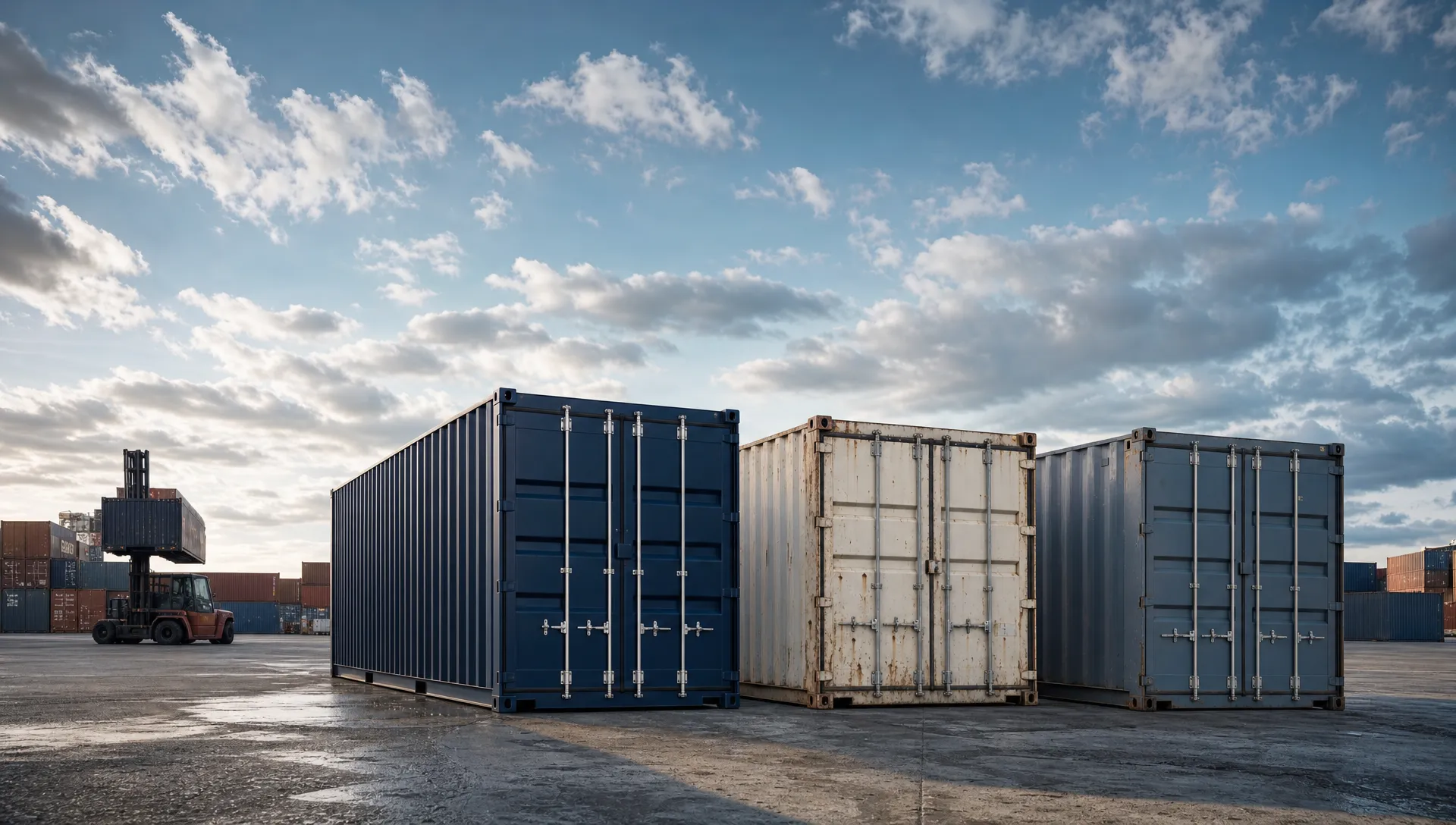
How to Buy a Container for Storage or Conversion
If you want to buy a container for storage or conversion, start by choosing the job it must do, then match size, condition grade, delivery method and site access. A 20ft container fits most household storage and smaller conversions. A 40ft or 40ft high cube works better for job sites, equipment storage and shipping container home builds. Before you pay, confirm WWT or CWO condition, delivered price, door swing clearance and local rules.
Quick Answer: The safest way to buy a container is to choose the size first, verify the condition grade in writing, price the delivery to your exact address and inspect photos or the unit before payment. For conversions, plan doors, windows, insulation, ventilation, utilities and permits before fabrication starts.
Key Takeaways
- Buy based on use case first: storage, workshop, office, tiny home, pool or retail space.
- Confirm the grade: one-trip, refurbished, cargo-worthy (CWO) or wind and watertight (WWT).
- Ask for a full delivered quote, not just the container price.
- Check access for a tilt-bed truck, including straight-line space, overhead clearance and ground conditions.
- For conversions, choose the container around the final layout, not just the lowest price.
How to Buy a Container: Start With the Use Case
A shipping container is not just a steel box. It is an intermodal container built for stacking, lifting and transport. That strength makes it useful for storage, job-site offices, workshops, farms, cabins and container homes.
The right choice depends on what happens after it lands on your property. A farmer storing feed and tools does not need the same unit as a builder cutting window openings for a container conversion.
For basic storage
For storage, your top priorities are weather protection, security and easy access. A standard dry cargo container with good door seals is usually enough. Look for WWT condition at minimum if the container will sit outside.
A lock box is often worth adding. It shields the padlock from bolt cutters and gives better security for tools, equipment, inventory and seasonal items.
For business or job-site use
Contractors, logistics teams and small businesses usually care about fast delivery, condition consistency and repeatable buying. If you need several conex boxes, ask for matching sizes and grades so loading, stacking and placement are easier.
Businesses should also compare ownership against leasing. If you only need temporary storage, LeaseLink Containers, the leasing arm of Outback Shipping Containers, may be a fit. If the container will stay on-site for years, buying often gives more control.
For conversion projects
For a shipping container home, office, cabin, pool or retail unit, start with the floor plan. Cutting steel, framing walls and adding insulation all affect the structure and usable space.
High cube containers are popular for conversions because they add 1 foot of height. That extra height matters after you add floor systems, ceiling finishes, insulation and utilities.
If you are still comparing container formats, Outback's guide to the main container types and use cases is a useful next step before you request quotes.
Choose the Right Size and Type
Most buyers choose between 10ft, 20ft, 40ft and 40ft high cube containers. The dimensions below are common for standard dry containers, but always verify the data plate and supplier specs because tare weight and interior measurements can vary by manufacturer.
Standard ISO containers follow international dimension and rating conventions. The ISO Series 1 freight container standard is the basis for common intermodal container dimensions used across global shipping.
| Container size | Outside dimensions | Interior dimensions (approx.) | Common tare weight (approx.) | Best fit |
|---|---|---|---|---|
| 10ft standard | 10ft x 8ft x 8ft 6in | 9ft 3in x 7ft 8in x 7ft 10in | 2,800 lb | Tight sites, small tools, residential storage |
| 20ft standard | 20ft x 8ft x 8ft 6in | 19ft 4in x 7ft 8in x 7ft 10in | 4,800 lb | Home storage, small workshops, compact offices |
| 40ft standard | 40ft x 8ft x 8ft 6in | 39ft 5in x 7ft 8in x 7ft 10in | 8,300 lb | Bulk storage, equipment, larger job sites |
| 40ft high cube | 40ft x 8ft x 9ft 6in | 39ft 5in x 7ft 8in x 8ft 10in | 8,775 lb | Container homes, offices, taller equipment |
| 45ft high cube | 45ft x 8ft x 9ft 6in | Varies by build | 10,000 lb or more | Large modular builds and commercial layouts |
A 20ft container is easier to place in a driveway, ranch yard or small job site. It also works well when you need dense storage, since heavy items are easier to reach without walking 40 feet into the unit.
A 40ft container gives about twice the floor area, but it is not always twice the delivered cost. Delivery equipment, route distance and site access can narrow or widen the price gap.
A 40ft high cube is often the best starting point for container homes and offices. Standard 8ft 6in units can feel low once you add insulation and ceiling finishes.
New vs Used Containers: Choose the Right Grade
Container condition affects price, appearance, lifespan and conversion cost. The cheapest container is not always the lowest-cost container once you factor in repairs, repainting and water intrusion.
A new one-trip container has usually made one cargo trip from the manufacturing region to the destination market. It may have small dents or scuffs from handling, but it is normally the cleanest and most uniform option.
Used containers vary more. Some are excellent for storage. Others are better suited for farm use, scrap handling or projects where appearance does not matter.
| Grade | What it usually means | Best use | What to verify |
|---|---|---|---|
| One-trip | Newer unit with one cargo trip | Homes, offices, clean storage, retail builds | Photos, door function, color, minor handling marks |
| Cargo-worthy (CWO) | Structurally sound for cargo use | Export, heavy storage, higher-grade used projects | Valid CSC plate if shipping internationally |
| Wind and watertight (WWT) | Keeps out weather under normal conditions | On-site storage, farms, construction sites | Roof, seals, floor, rust, written WWT guarantee |
| Refurbished | Used unit repaired and often repainted | Customer-facing storage, offices, workshops | Repair scope, paint quality, remaining corrosion |
| As-is | No strong condition guarantee | Low-value storage or noncritical use | Holes, severe rust, door operation, floor rot |
WWT means the container should keep out rain and wind under normal conditions. It does not mean the container is suitable for ocean freight.
CWO means cargo-worthy, sometimes written as CW or CWO by sellers. If you plan to ship goods internationally, ask about the CSC plate, inspection status and whether the unit meets your carrier's requirements.
If you are focused on the 20ft size, the Outback comparison on whether to buy a 20ft container new or used goes deeper into budget, appearance and condition tradeoffs.
Plan Delivery, Site Prep and Permits
Delivery is where many first-time buyers get surprised. A container that looks affordable online can become expensive if the truck cannot access the site or if the quote excludes offloading.
Most residential and job-site deliveries use a tilt-bed truck or tilt-bed trailer. The driver backs into place, raises the bed and slides the container off. This is simple when the site is level and open.
Access measurements to check
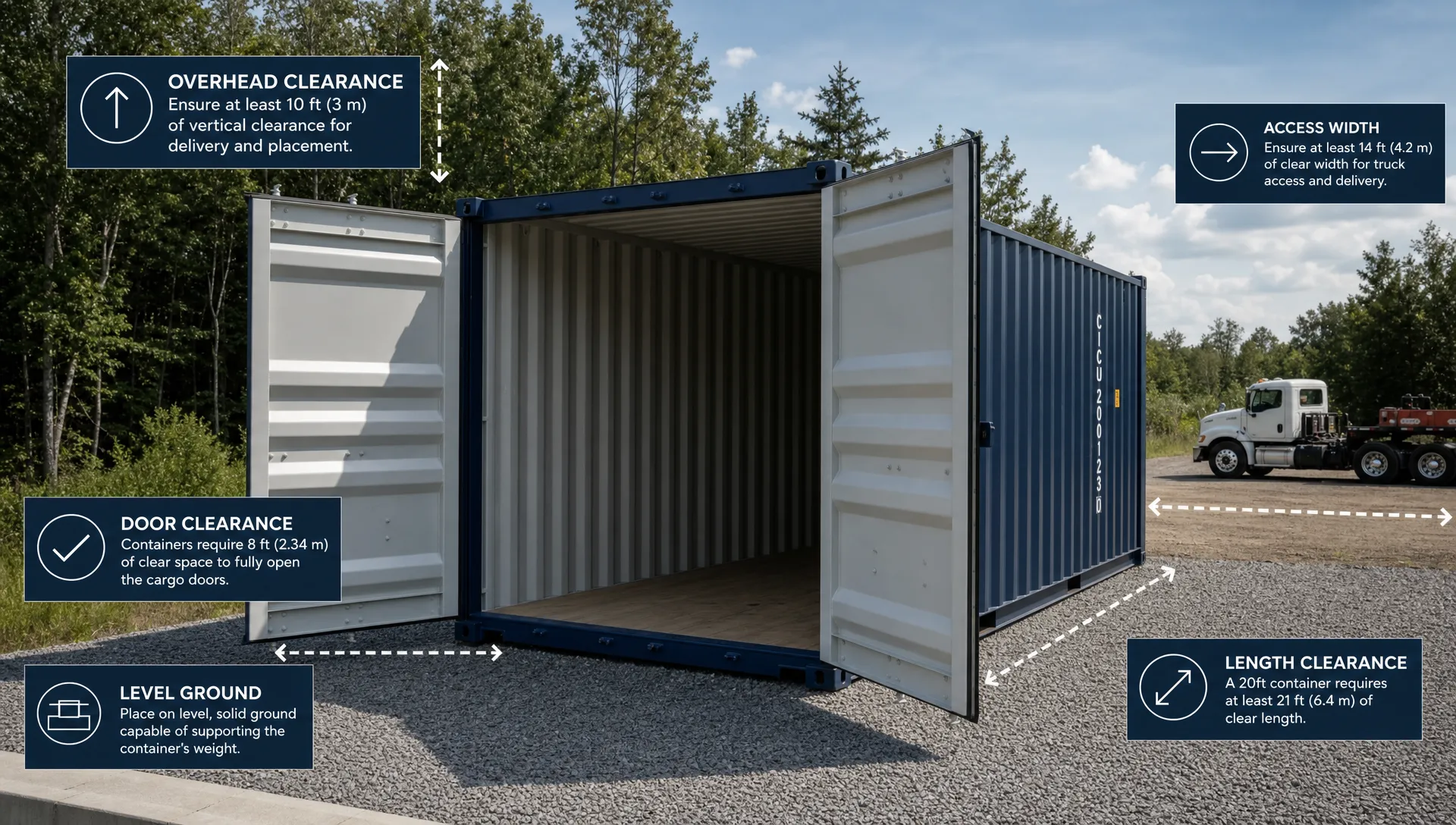
Ask the delivery team what their truck requires before you order. Equipment varies, but many container deliveries need these clearances:
- 20ft container delivery: roughly 60 feet of straight-line space for truck and trailer.
- 40ft container delivery: 120 feet of straight-line space.
- Width clearance: 12 feet for safe truck access.
- Overhead clearance: 14 feet, with no low wires, branches or roof overhangs.
- Door clearance: about 8 feet in front of the cargo doors so they can swing open.
Soft soil, steep grades and tight turns can stop a delivery. If the site is remote, rural or undeveloped, send photos or video before dispatch. Outback Shipping Containers serves all 50 states, including rural delivery areas, but the site still has to be safe for the carrier.
If you arrange your own freight, use a qualified carrier that follows federal cargo securement rules. The Federal Motor Carrier Safety Administration publishes cargo securement guidance for commercial transport.
Site prep basics
A container should sit level. If it twists, the cargo doors can bind and become hard to close.
Common support options include compacted gravel, concrete pads, railroad ties or concrete blocks under the corner castings. The goal is to keep the container off standing water and support the load at the structural corners.
Do not set a container directly in mud if you want long service life. Water against the underside can speed corrosion and damage the plywood floor.
Permits and zoning
Permit rules vary by city, county and state. Some areas treat a storage container as temporary equipment. Others treat it as an accessory structure. A container home, office, pool or retail unit will usually face more review than a simple storage unit.
Before buying for a conversion, call the local building department and ask about zoning, setbacks, foundation requirements, utility connections and inspections. If the unit will be used as housing or public commercial space, involve a qualified local professional early.
Budget for the Real Delivered Cost
The number that matters is the delivered cost, not the teaser price. A proper quote should include the container, condition grade, delivery address, offloading method, taxes, requested modifications and any financing terms you are considering.
Container prices change with steel markets, port inventory, condition, size, location and transportation costs. That is why a generic price found online may not match your delivered quote in another state.
True delivered price should answer these questions:
- What size and grade is the exact container?
- Is it one-trip, WWT, CWO, refurbished or as-is?
- Is delivery included to your full address or only to a local depot?
- Is offloading included, and what equipment will be used?
- Are taxes, permits, crane service or site work excluded?
- Are lock boxes, vents, roll-up doors, paint or shelving included?
Be careful with listings that show a very low price but no company address, no written condition grade, no delivered quote and no secure checkout process. Wire-transfer-only sellers with poor documentation are a common risk in the container market.
Outback Shipping Containers offers transparent online shopping, instant quotes, lender financing (only for container homes priced above $72,000, subject to lender approval) and expert delivery logistics. That matters because your budget should include the whole purchase, not just the steel box.
Storage or Conversion: Specifications That Matter
A container bought for storage can often be simple. A container bought for conversion needs planning before fabrication starts.
Cutting large openings into the side walls changes how loads move through the structure. Doors, windows and roll-up shutters may need reinforcement. Roof penetrations for vents, HVAC or plumbing should be sealed correctly so the unit does not leak later.
Storage specifications
For storage, focus on protection and usability. Ask about door gaskets, floor condition, roof rust, ventilation and lock security.
Useful storage upgrades include lock boxes, vents, shelving, lighting, personnel doors and ramps. For frequent forklift access, confirm floor load needs and door height before ordering.
Workshop and office specifications
For workshops and offices, comfort matters. Plan insulation, wall finish, power, lighting, HVAC, windows and personnel doors.
A high cube container is usually better if people will spend time inside. The extra height improves comfort and leaves more room for finished ceilings.
Home, cabin and rental specifications
For a container home or short-term rental unit, design around code and comfort from the start. Insulation, condensation control, egress, plumbing, electrical work and foundation design all need attention.
Moisture is one of the most common mistakes in DIY container homes. Steel moves heat quickly, so poor insulation can lead to condensation inside walls and ceilings.
For residential projects, review Outback's guide on how to buy a shipping container house the right way before you commit to a floor plan or land purchase.
Roll-up doors and access conversions
If you need wide side access for tools, retail stock or a workshop, a roll-up door can be more practical than standard cargo doors. It can also help when the container is placed where end-door access is limited.
For buyers comparing ready-made conversion options, this 20ft roller shutter conversion container shows the kind of access-focused build that can work for storage, service businesses or job-site use.
Inspection Checklist Before You Pay
A good seller should be willing to describe the container clearly and provide photos when needed. If the unit is local, inspect it in person. If it is delivered from a depot, ask what inspection process is used before dispatch.
Check the exterior first. Surface rust is normal on used containers, but deep corrosion, holes and badly patched roof sections are warning signs.
Open and close the doors. They should move without extreme force. Hard-to-close doors may mean the container is twisted, the hinges are damaged or the frame is out of square.
Walk the floor. Marine-grade plywood floors are tough, but they can rot, delaminate or absorb spills over time. Look for soft spots, strong odors and chemical staining.
Look up at the roof from inside during daylight. Pinholes often show as small dots of light. A few repairs may be acceptable if they are sealed well, but active leaks are not acceptable for WWT storage.
Ask for these details before payment:
- Container size, height and grade in writing.
- Photos of all sides, roof, doors, floor and interior.
- Confirmation of WWT or CWO status if advertised.
- Delivery method and access requirements.
- Total delivered price with taxes and modifications.
- Payment process, warranty language and cancellation terms.
For a conversion project, also confirm whether the container has dents or patches where you plan to cut openings. A dented wall may be fine for storage but costly for a clean office or home build.
Frequently Asked Questions
What is the best size shipping container to buy?
A 20ft container is the best size for many homeowners, small businesses and first-time buyers because it is easier to place and still offers useful storage space. A 40ft or 40ft high cube container is better for bulk storage, construction sites, equipment, workshops and container home conversions.
Is it better to buy a new or used shipping container?
Buy new one-trip if appearance, cleanliness and long service life matter. Buy used WWT if you need secure outdoor storage at a lower cost. Choose cargo-worthy if the container may be used for freight. For homes, offices and customer-facing builds, new or refurbished units often save repair time.
How much does it cost to buy a container?
The cost to buy a container depends on size, condition, location, delivery distance, market supply and modifications. Always compare full delivered quotes, not base prices. A quote should separate the container grade, delivery, offloading, taxes, lock boxes, vents, doors, paint and any conversion work.
Do I need a permit to put a shipping container on my property?
Maybe. Permit and zoning rules vary by city, county and state. Some areas allow temporary storage containers with few steps, while others require permits, setbacks or screening. Container homes, offices and pools usually need more review. Call your local building or zoning office before ordering.
Can I turn a shipping container into a home or office?
Yes, but plan the conversion before buying the unit. Choose the right size, often a high cube, then confirm insulation, ventilation, windows, doors, utilities, structural reinforcement and foundation needs. Local building codes control what is allowed, so speak with local officials before fabrication starts.
How do I avoid shipping container scams?
Avoid sellers that offer unusually low prices, refuse written quotes, hide delivery fees or demand unsafe payment methods. Ask for company details, photos, condition grade, delivery terms and a secure checkout process. A legitimate supplier should explain WWT, CWO, one-trip condition and total delivered cost clearly.
Ready to compare inspected containers for your property, job site or conversion project? Start with current container options from Outback Shipping Containers, then ask the team about delivery access and modifications before you place your order. Lender financing is available only for container homes priced above $72,000, subject to lender approval.
About Outback Shipping Containers
This guide was prepared by the Outback Shipping Containers team, based on the questions our customers ask us most when buying, modifying and taking delivery of shipping containers. Learn more about us.
Ready to find your container?
Browse our in-stock shipping containers, container homes and custom builds, or ask our team for a free quote with delivery to your site.