How to Buy a Shipping Container House the Right Way
By Outback Shipping Containers · Published July 24, 2026 · Last updated October 18, 2026
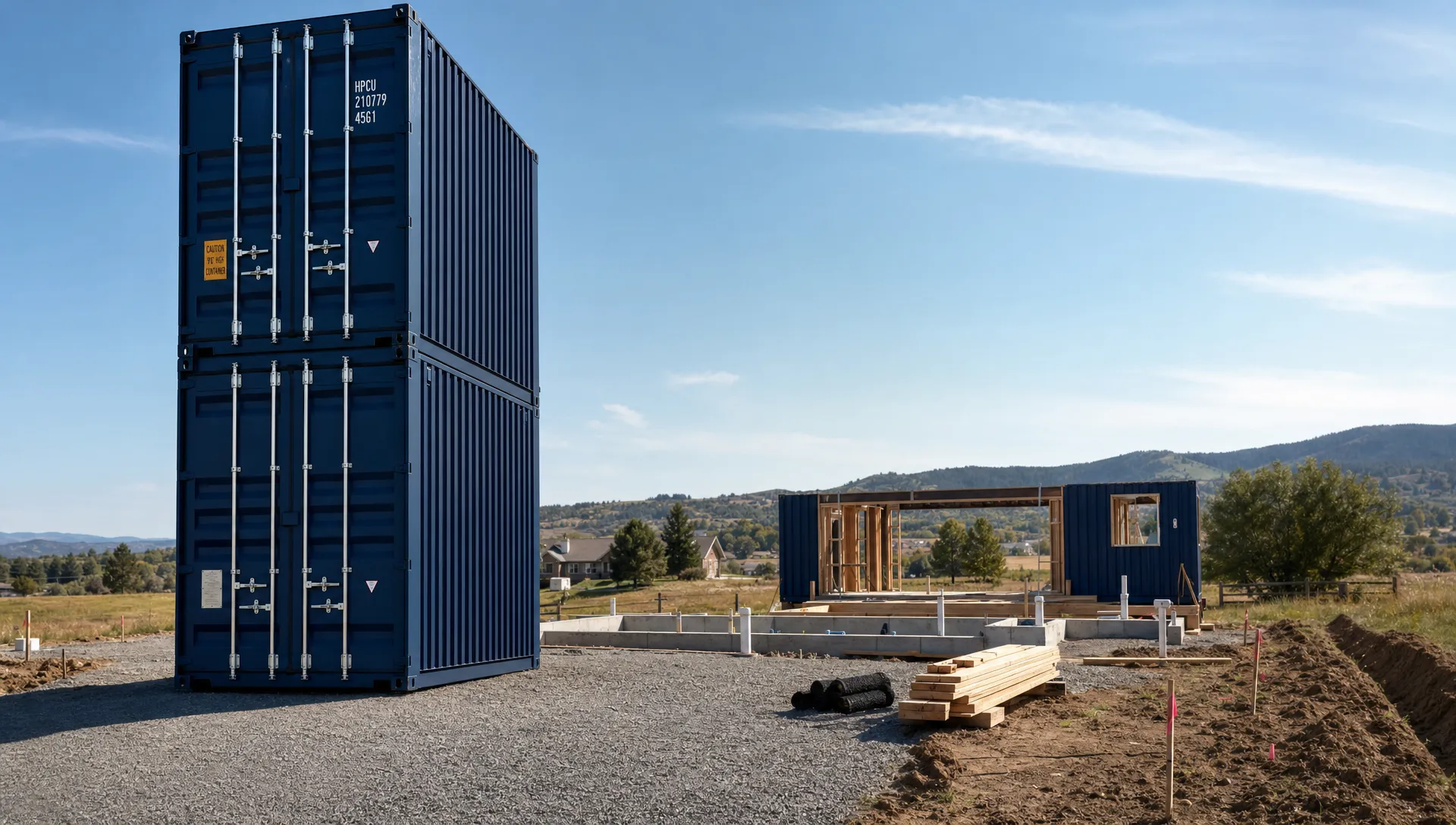
How to Buy a Shipping Container House the Right Way
To buy a shipping container house the right way, start with approval, not steel. Confirm zoning, choose a floor plan, verify the container’s condition, price the full project, and use a supplier that can document the unit and deliver it safely. The container itself is only one part of the purchase. The site, foundation, insulation, utilities, permits, and delivery plan decide whether your project stays on budget.
Quick Answer: To buy a shipping container house with fewer surprises, check local rules first, match the container to your floor plan, verify WWT or CWO condition, include site costs in your budget, and get every spec in writing before you pay.
Key Takeaways
- Confirm zoning, building code, setbacks, and utility rules before you buy the container.
- Choose the floor plan first, then decide whether you need a 20-foot, 40-foot, high cube, or multi-container layout.
- For living space, high cube containers often make insulation, HVAC, and ceiling height easier.
- Price the whole project, including delivery, foundation, permits, windows, plumbing, electrical, and interior finishes.
- Buy from a supplier that provides real specs, condition details, delivery support, and a written sales agreement.
Start With Zoning, Land, and Use
A shipping container house is not just a cargo container placed on land. Once people live in it, most local governments treat it as a dwelling, accessory dwelling unit, cabin, tiny home, or modular structure. The exact category matters because each one can trigger different permits.
Rules vary by state, county, city, and even neighborhood. Before you choose a container, call your local building department and ask how they classify shipping container homes. If the site is in an HOA, rural subdivision, coastal zone, wildfire zone, or floodplain, check those rules too.
Confirm the Legal Use First
Start with a plain question: “Can I place a shipping container home on this parcel for this use?” Be clear about your plan. A backyard ADU, short-term rental cabin, farm worker housing unit, full-time residence, and hunting cabin may all be treated differently.
Ask about these items early:
- Zoning district and allowed residential uses
- Minimum dwelling size
- Setback rules from property lines
- Foundation requirements
- Utility connection rules
- Septic or sewer approval
- Driveway and fire access
- Energy code requirements
- Short-term rental limits, if applicable
Do not rely on social media posts or a seller’s general statement that container homes are “allowed.” A container home that passes in one county may fail in the next one.
Check Flood, Soil, and Site Limits
The land can cost more to solve than the container. A steep driveway, soft soil, floodplain, or remote site can affect foundation design, delivery equipment, and utility costs.
For flood risk, the FEMA Flood Map Service Center is a good place to start. It does not replace a survey or local review, but it can help you spot floodplain concerns before you spend money on design.
You should also ask whether the building official wants engineered drawings. Many container home projects need plans that show the foundation, anchoring, wall cuts, framing, electrical, plumbing, insulation, and structural reinforcement. This is especially true when you cut large openings for windows, doors, or combined multi-container rooms.
Buy a Shipping Container House Only After You Choose a Build Path
Many first-time buyers shop for the container first. That is backward. The better move is to choose the build path, then buy the container house or shell that fits it.
A single 20-foot conex box can work for a tiny guest room, office, or compact cabin. A 40-foot high cube may fit a studio or one-bedroom layout. A family home usually needs multiple containers or a wider modular design.
| Build path | What you buy | Best for | Main risk to check |
|---|---|---|---|
| Finished container house | A completed or near-completed unit | Buyers who want fewer DIY steps | Confirm code compliance, transport details, and what is included |
| Modified shell | Container with framing, openings, doors, windows, or rough-ins | DIY buyers who want a head start | Scope gaps can cause budget creep |
| DIY conversion | Raw or lightly modified ISO container | Skilled builders with time and tools | Structural cuts, insulation, and permits are often harder than expected |
| Multi-container build | Two or more joined containers | Larger homes and rentals | Engineering, crane work, and weatherproof joins must be planned well |
If you are still comparing layouts, it helps to study real floor plan constraints before you buy. For larger homes, Outback’s guide to 3 bedroom shipping container home floor plans shows how room count, container width, and multi-box layouts affect the design.
Think in Finished Space, Not Container Length
A standard shipping container is 8 feet wide on the outside. After framing, insulation, interior wall panels, and utilities, finished interior width can feel narrow. This is why many container homes use open plans, sliding doors, built-ins, or multiple containers joined side by side.
A 40-foot container may sound large, but a single-unit layout still works best as a studio, one-bedroom, guest house, or rental cabin. If you want a normal living room, full kitchen, laundry, and two or three bedrooms, plan for a larger footprint.
Do Not Buy Steel Before the Design Is Clear
Wall cutouts change the structure. Shipping containers are strong because the corner posts, frame rails, roof, and corrugated walls work together. When you cut big openings into side walls, you may need added steel reinforcement.
That does not mean container homes are a bad idea. It means the design needs to respect how an intermodal container carries load. A good plan prevents expensive rework after the box arrives.
Choose the Right Container Size, Height, and Condition
Most shipping container houses start with ISO containers, also called cargo containers, conex boxes, or intermodal containers. These units follow standardized dimensions for transport and stacking. The international reference for common container dimensions is ISO 668, which covers classification, dimensions, and ratings for Series 1 freight containers.
For home use, the most common choices are 20-foot, 40-foot, and 40-foot high cube containers. A high cube is 9 feet 6 inches tall on the outside, which gives about one extra foot of height compared with a standard 8-foot 6-inch container.
| Container type | Typical exterior size | Approx. interior floor area | Typical tare weight | Typical payload capacity | Common home use |
|---|---|---|---|---|---|
| 20-foot standard | 20 ft x 8 ft x 8 ft 6 in | About 148 sq ft | About 4,800 lb | About 62,000 lb | Tiny cabin, office, guest room, bathroom pod |
| 40-foot standard | 40 ft x 8 ft x 8 ft 6 in | About 305 sq ft | About 8,000 lb | About 59,000 lb | Studio, one-bedroom shell, rental unit |
| 40-foot high cube | 40 ft x 8 ft x 9 ft 6 in | About 305 sq ft | About 8,600 lb | About 58,000 lb | Better ceiling height, thicker insulation, HVAC runs |
| 45-foot high cube | 45 ft x 8 ft x 9 ft 6 in | About 344 sq ft | Often 10,000 lb or more | Varies by unit | Larger single-box plans, premium layouts |
These numbers are typical, not guaranteed. Always verify the CSC plate, manufacturer details, and actual measurements for the exact unit you are buying. Tare weight and payload capacity matter for transport planning, lifting, and engineering, even when the container will become a stationary home.
New One-Trip vs Used WWT or CWO
A one-trip container is usually the cleanest starting point. It has made one cargo trip and has less wear, fewer dents, and a lower chance of hidden corrosion. It often costs more, but it can save labor if you want a cleaner container conversion.
Used containers can also work well, especially if they are inspected and certified as wind and watertight. WWT means the container should keep out wind and rain under normal conditions. CWO, or cargo-worthy, means the container is suitable for cargo service when properly certified.
For living space, condition matters more than paint. Look for floor odor, deep rust, roof patches, door seal damage, water stains, and previous cargo residue. If you plan to keep the original plywood floor, ask about its condition and whether sealing or replacement is needed for your use.
Why High Cube Often Makes Sense
A standard container can work, but a high cube gives more room for insulation, ceiling finishes, lighting, and ducting. That extra foot can make the finished space feel more like a home and less like a corridor.
This is most important in hot, cold, or humid climates where you need stronger insulation. Spray foam, rigid foam, furring strips, interior panels, and HVAC all take space. If comfort matters, do not judge the container by exterior height alone.
Inspect the Seller and the Container Before You Pay
A cheap container house can become expensive if the unit is misrepresented, the delivery fee is vague, or the seller cannot prove what you are buying. The safest purchase is documented, specific, and tied to a real unit or a clear build scope.
Ask for photos of the exact container or a clear explanation if the unit will be pulled from available inventory. Stock photos are not enough for used containers. For modified or finished builds, ask what is included and what is not.
Before you send a deposit, confirm these details:
- Exact container size and height
- New, one-trip, used WWT, refurbished, or CWO condition
- Door type and door swing
- Roof, floor, and frame condition
- Window and door locations, if modified
- Insulation type and R-value target, if included
- Electrical, plumbing, and HVAC scope
- Foundation connection points or anchor details
- Delivery method and site access needs
- Payment schedule and cancellation terms
- Written warranty or wind and watertight guarantee, if offered
Be careful with prices that are far below the market, sellers who will not provide a business address, and anyone who pushes for instant payment through unsafe methods. A real supplier should be willing to explain condition grades, delivery limits, and what happens if the site is not ready.
Price the Whole Project, Not Just the Box
The container is only one line in the budget. A livable shipping container home also needs design, permitting, site prep, foundation, insulation, utilities, finishes, and delivery. If you compare only container prices, you may choose the wrong option.
For a deeper cost breakdown, use Outback’s 2026 shipping container home prices guide alongside your local quotes. National averages can help, but your county, climate, access road, and finish level will drive the real number.
| Cost item | Why it matters | Question to ask before buying |
|---|---|---|
| Container or shell | Sets the base size, condition, and structure | Is it one-trip, WWT, CWO, modified, or finished? |
| Delivery | Remote sites, cranes, and difficult access raise costs | Is delivery included, estimated, or quoted separately? |
| Permits and plans | Needed for legal occupancy in many areas | Does the building department require engineered drawings? |
| Foundation | Supports the unit and handles anchoring | Pier, slab, crawlspace, or engineered footing? |
| Insulation and HVAC | Controls comfort and condensation | What climate zone and R-value target apply? |
| Utilities | Often a major cost on rural land | Are water, septic, sewer, electric, and internet available? |
| Openings and reinforcement | Large cuts may need steel support | Who designs and verifies the reinforcement? |
| Interior finishes | Can exceed the raw container cost | What level of kitchen, bath, flooring, and fixtures do you expect? |
If you want a small-format starting point, compare a real listing such as Outback’s Custom 20ft Shipping Container House. The listing includes specs, delivery and financing information, and a published price of $4,049, though you should always confirm the live quote before budgeting.
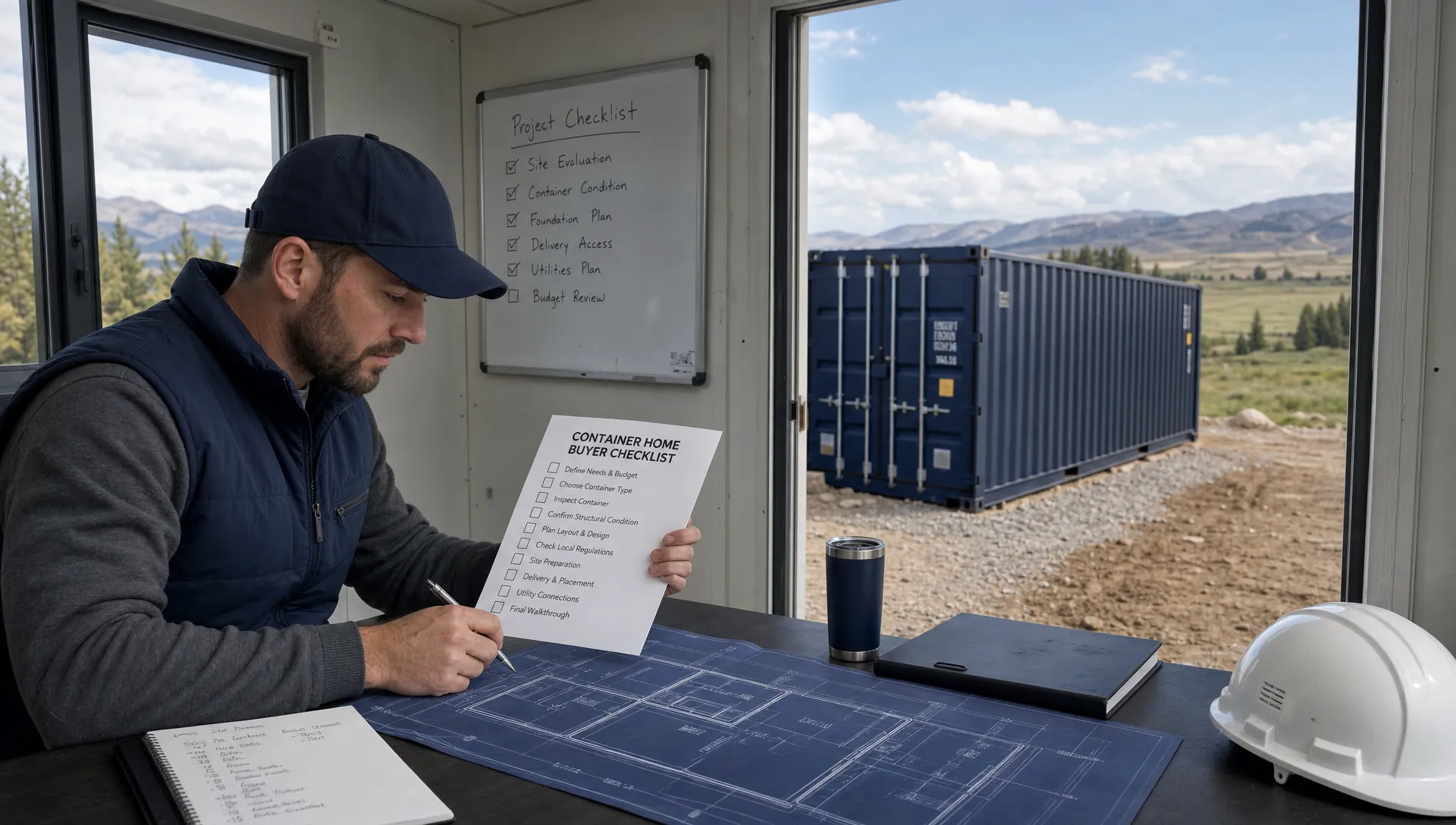
Plan Delivery, Foundation, and Utilities Before Fabrication
Delivery should be part of the design conversation, not an afterthought. A container home may require a tilt-bed truck, flatbed, forklift, crane, or other equipment depending on the site and the build. A finished unit can be heavier and more delicate than a plain steel box.
Outback Shipping Containers serves all 50 states, including rural and remote areas, but every delivery still depends on access. A narrow gate, low tree limb, soft driveway, overhead wire, or tight turn can change the plan.
Delivery Access Can Make or Break the Schedule
Ask the supplier what clearances the delivery truck needs. Many tilt-bed deliveries require a long, straight approach. A 20-foot container is easier to place than a 40-foot container, but both need firm ground and room to maneuver.
Before delivery day, confirm:
- Road width and turning radius
- Gate width
- Overhead wire and tree clearance
- Ground firmness after rain
- Slope and drainage
- Final orientation of the doors and windows
- Whether a crane or forklift is required
Mark the corners of the foundation before the truck arrives. Also mark which end should face the driveway, view, deck, or utility trench. Rotating a container after placement can be costly.
Foundation and Anchoring Should Match the Site
Common foundation choices include concrete piers, helical piers, strip footings, slabs, and crawlspace foundations. The right choice depends on soil, frost depth, drainage, local code, and whether the unit is temporary or permanent.
Containers are strong at the corner posts, but a home may need support at other points after wall cuts and interior loads. Do not assume four blocks under the corners are enough for a permitted dwelling. Ask for local engineering guidance where required.
Anchoring also matters. Wind, seismic, flood, and frost conditions vary widely across the United States. A container home in coastal Florida faces different forces than one in inland Arizona, rural Montana, or upstate New York.
Utilities Need Space Inside the Plan
Plumbing, electrical, HVAC, and ventilation all need routes. In a narrow container, poor planning steals living space fast. Decide early where the bathroom, kitchen, mechanical closet, electrical panel, water heater, mini-split head, and washer hookups will go.
Condensation is another major issue. Steel moves heat quickly. If warm indoor air hits cold steel, moisture can form inside walls. Proper insulation, air sealing, ventilation, and thermal breaks are not optional in a full-time home.
Read the Contract Like a Builder
A good container house purchase agreement should be specific. Vague words create disputes. If the seller says “finished,” the contract should define finished. If the unit is WWT, the document should say what that guarantee covers and for how long.
Look for these items in writing:
- Seller name, address, and contact details
- Exact container size, height, and condition grade
- Build scope with included and excluded items
- Drawings or layout references
- Finish materials, if included
- Delivery address and delivery assumptions
- Site responsibilities before delivery
- Payment schedule and refund terms
- Estimated production and delivery timeline
- Warranty, inspection, and damage claim process
Financing also needs early attention. Some lenders view a container home as real property only after it is permanently attached to land and permitted. Others may treat the container or shell as personal property. Requirements vary, so talk to your lender, local officials, and insurance provider before you commit.
Outback Shipping Containers offers transparent online shopping, instant quotes, lender financing (only for container homes priced above $72,000, subject to lender approval), and expert delivery support. If your project is temporary storage, office, or job-site space rather than a home, LeaseLink Containers, the leasing arm, may also be worth asking about.
Frequently Asked Questions
How much does it cost to buy a shipping container house?
The cost depends on size, condition, modifications, finishes, delivery, permits, foundation, and utilities. A small shell and a finished permitted home are very different purchases. Get itemized quotes for the container, delivery, site work, and interior buildout before you compare options.
Is it cheaper to build a shipping container home than a regular house?
It can be cheaper, but it is not automatic. Savings are most likely with simple layouts, modest finishes, easy delivery, and land that already has utilities. Complex multi-container designs, heavy structural cuts, remote sites, and high-end interiors can reduce or erase the savings.
Do you need a permit for a shipping container home?
Usually, yes, if people will live in it. Permit rules vary by city and county. You may need zoning approval, building permits, engineered plans, septic or sewer approval, electrical permits, and inspections. Always confirm requirements with local authorities before buying the container.
What size shipping container is best for a house?
A 40-foot high cube is often the best single-container starting point because it provides more length and ceiling height. A 20-foot unit can work for a compact cabin, office, or guest suite. Larger homes usually need multiple containers or a custom modular layout.
Can you finance a shipping container house?
Financing may be available, but it depends on what you are buying and how it will be used. A container shell, finished home, land-home package, or permitted dwelling may each be treated differently. Ask the supplier, lender, and local officials what documents they need.
How long does a shipping container home last?
A well-built container home can last for decades when it has good drainage, proper paint, rust control, roof maintenance, and quality insulation. Lifespan depends on climate, corrosion exposure, build quality, and maintenance. Coastal salt air and trapped moisture require extra attention.
Buying the right container house comes down to planning before payment. Confirm the land, choose the layout, price the full project, and get the specs in writing. When you are ready to compare inspected units, custom homes, and nationwide delivery options, start with Outback Shipping Containers and request a quote that matches your site and build plan.
About Outback Shipping Containers
This guide was prepared by the Outback Shipping Containers team, based on the questions our customers ask us most when buying, modifying and taking delivery of shipping containers. Learn more about us.
Ready to find your container?
Browse our in-stock shipping containers, container homes and custom builds, or ask our team for a free quote with delivery to your site.