Custom Containers That Work for Business and Home
By Outback Shipping Containers · Published September 7, 2026 · Last updated October 18, 2026
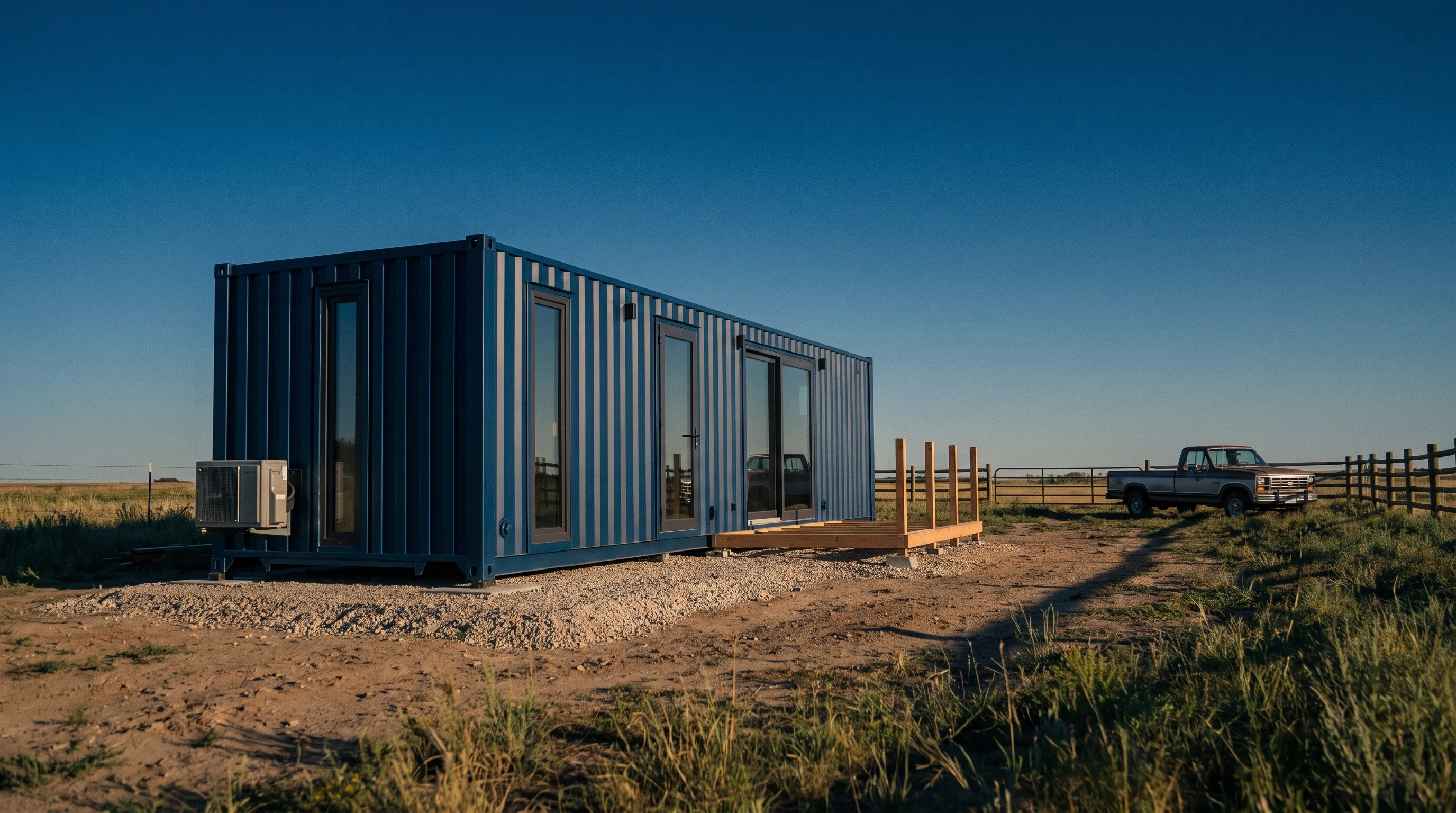
Custom Containers That Work for Business and Home
Custom containers are standard steel shipping containers modified for a specific job, such as secure storage, a job-site office, a backyard guest suite or a small retail unit. The right build starts with three choices: container size, condition and modification scope. Get those right first, then plan delivery, permits, utilities and site prep before you buy.
Quick Answer: Custom containers work best when the layout matches the use. A storage unit may only need doors, vents and a lockbox. A shipping container home needs insulation, windows, electrical, plumbing, code review and a solid foundation.
Key Takeaways
- Start with the use case, not the container size. Storage, office, workshop and living spaces need different layouts.
- Most business buyers choose 20ft or 40ft units. Home and cabin projects often need a 40ft or 40ft high cube for better interior space.
- New one-trip containers are cleaner and easier to modify. Used CWO and WWT units can work well when inspected.
- Permits, zoning and building codes vary by city, county and state. Always check before delivery.
- Delivery access matters. A great container can become expensive fast if the truck cannot safely reach the site.
Why Custom Containers Work for Business and Home
A shipping container is a strong steel shell built for freight. Once it is retired from cargo use or sold as a one-trip unit, it can become practical space on land. That is why you see containers used as farm storage, mobile offices, pop-up shops, workshops, cabins, pool houses and tiny homes.
The main appeal is simple. The shell is already built. A standard ISO container has corner castings, steel wall panels, a rigid frame and cargo doors. Compared with building a small structure from scratch, a container conversion can reduce the amount of framing work needed at the start.
That does not mean every container project is easy. Cutting large openings, adding utilities and making the unit comfortable takes skill. A conex box is strong as a closed box, but doors, windows and wall cuts change how loads move through the frame. Good planning protects the structure and keeps the finished space useful.
For a broader look at real-world container uses, Outback Shipping Containers also covers custom shipping containers for business and home projects in a related guide.
The three levels of container customization
Not every project needs a full buildout. Most buyers fall into one of three groups.
- Basic modified container: Adds practical features like a lockbox, vents, shelving, roll-up door or personnel door.
- Working space container: Adds insulation, electrical, HVAC, windows, finished walls and sometimes plumbing.
- Full residential or commercial build: Adds a complete layout, utility systems, finished interiors, code review and more site work.
A contractor storing tools on a job site may need a basic modified cargo container. A rural landowner building a guest house needs a more detailed plan. A small business opening a coffee stand or retail unit needs customer access, signage, electrical loads, ventilation and local approvals.
Choose the Right Container Size and Condition
Most custom containers start as 10ft, 20ft, 40ft, 40ft high cube or 45ft high cube units. The common exterior width is 8 feet. Standard height is 8 feet 6 inches, while high cube units are 9 feet 6 inches tall.
Series 1 freight containers are standardized under ISO 668, but real-world interior measurements can vary by manufacturer, flooring and age. Always confirm measurements before you design cabinets, bathrooms, equipment racks or built-in furniture.
| Container type | Common exterior size | Typical interior floor area | Best fit | Key note |
|---|---|---|---|---|
| 10ft standard | 10ft x 8ft x 8ft 6in | About 70 sq ft | Small storage, kiosks, tool rooms | Less common than 20ft and 40ft units |
| 20ft standard | 20ft x 8ft x 8ft 6in | About 148 sq ft | Job-site storage, small offices, workshops | Easier to place on tight lots |
| 40ft standard | 40ft x 8ft x 8ft 6in | About 305 sq ft | Larger storage, cabins, retail, workspaces | More floor area per delivery |
| 40ft high cube | 40ft x 8ft x 9ft 6in | About 305 sq ft | Homes, offices, studios, equipment builds | Extra ceiling height helps after insulation |
| 45ft high cube | 45ft x 8ft x 9ft 6in | About 340 sq ft | Larger commercial or residential layouts | Site access needs more planning |
A 20ft container is often the easiest choice for tight driveways, city lots and small job sites. It is still heavy, but it is easier to maneuver than a 40ft unit. It can work well for a site office, hunting cabin, feed storage room or backyard workshop.
A 40ft container gives you more room for less delivery complexity than buying two separate 20ft units. For living space, office layouts or a workshop with benches and storage, the longer floor plan gives you more options. A 40ft high cube is often better when you plan to add ceiling insulation, ducting or finished interior panels.
New, used, CWO and WWT explained
Container condition affects price, appearance and how much prep work you need. The cheapest shell is not always the lowest-cost project after repair, cleaning and modification.
| Condition term | What it usually means | Best for | Watch for |
|---|---|---|---|
| New one-trip | Used for one cargo trip, usually cleaner with less wear | Homes, offices, retail, high-visibility sites | Higher upfront cost than used |
| CWO, cargo worthy | Structurally suitable for cargo use when inspected | Storage, workshops, some modified builds | Cosmetic dents and surface rust may be present |
| WWT, wind and watertight | Keeps out weather, often no longer certified for cargo transport | Static storage, farm use, budget builds | Inspect floors, doors, roof and seals |
| Refurbished | Used unit repaired or repainted by seller | Business sites, customer-facing storage | Ask what was repaired and what warranty applies |
CWO stands for cargo worthy. WWT stands for wind and watertight. A CSC plate may matter if the container will return to international shipping, but many land-based builds focus more on structural condition, roof integrity, door operation and floor quality.
Every container has a tare weight and payload capacity listed on its data plate. Tare weight is the empty container weight. Payload capacity is the maximum cargo load the container was designed to carry. These numbers matter for transport and heavy storage, but they do not replace engineering review for stacked, cut or occupied builds.
If your main need is business storage, this guide on how to purchase storage containers for business use can help you compare size, condition and delivery factors before ordering.
Business Uses: Storage, Offices, Workshops and Retail
Business buyers usually care about speed, durability and security. A modified intermodal container can solve a space problem without waiting months for traditional construction. It can also move with the business when the site changes, depending on the build and local rules.
Secure storage and equipment control
For contractors, landscapers, logistics teams and farm operators, storage is the most common use. A container can keep tools, parts, seed, tack, feed, seasonal inventory or job-site materials in one place. Add a lockbox, vents, shelving and lighting, and the unit becomes easier to use each day.
Roll-up doors can help when crews load pallets or equipment from the side. Personnel doors help when staff enter often and do not want to open the heavy cargo doors. For higher-value contents, buyers often add lockboxes, security bars, cameras, motion lights and interior partitions.
Container offices for crews and small teams
A container office needs more than a desk and a door. Staff need a comfortable temperature, safe wiring, proper lighting, insulation and enough outlets for equipment. If the office will serve customers, you may also need ADA review, finished walls, restrooms and parking compliance.
Common office modifications include windows, mini-split HVAC, electrical panels, LED lighting, vinyl flooring, restroom space and plan tables. For a deeper office-focused breakdown, see Outback Shipping Containers’ guide to custom container office features worth paying for.
Workshops, farm rooms and service units
Workshops need ventilation, power and durable floors. A welding shop, mobile repair space or farm maintenance room may need dedicated circuits, fire-rated materials, exhaust fans and workbench anchoring. Heavy tools also affect placement. A container sitting on soft soil can shift, making doors hard to open.
For farms and ranches, a modified cargo container can become a tack room, feed room, pump house or parts room. The best builds separate clean storage from dirty work areas. They also include ventilation to control heat and moisture.
Retail and customer-facing spaces
Retail units need more finish work than storage units. Customers notice door placement, windows, lighting, flooring, paint and signage. A container coffee stand, ticket booth, farm store or rental check-in office should feel intentional, not improvised.
Plan customer flow first. Decide where people enter, where staff work, where utilities land and where inventory sits. That layout affects window cuts, service counters, electrical outlets and HVAC location.
Home Uses: Guest Space, Tiny Homes and Backyard Projects
Homeowners often look at custom containers because traditional construction costs feel out of reach. A container can work for a guest suite, backyard office, hunting cabin, pool house, Airbnb rental or off-grid base camp. It can also disappoint buyers who skip code review, insulation planning or site prep.
A shipping container home is not just a box with furniture. Living spaces need insulation, moisture control, safe electrical wiring, plumbing, egress, ventilation and a foundation. In many areas, a residential container conversion must meet the same local building code goals as any other dwelling.
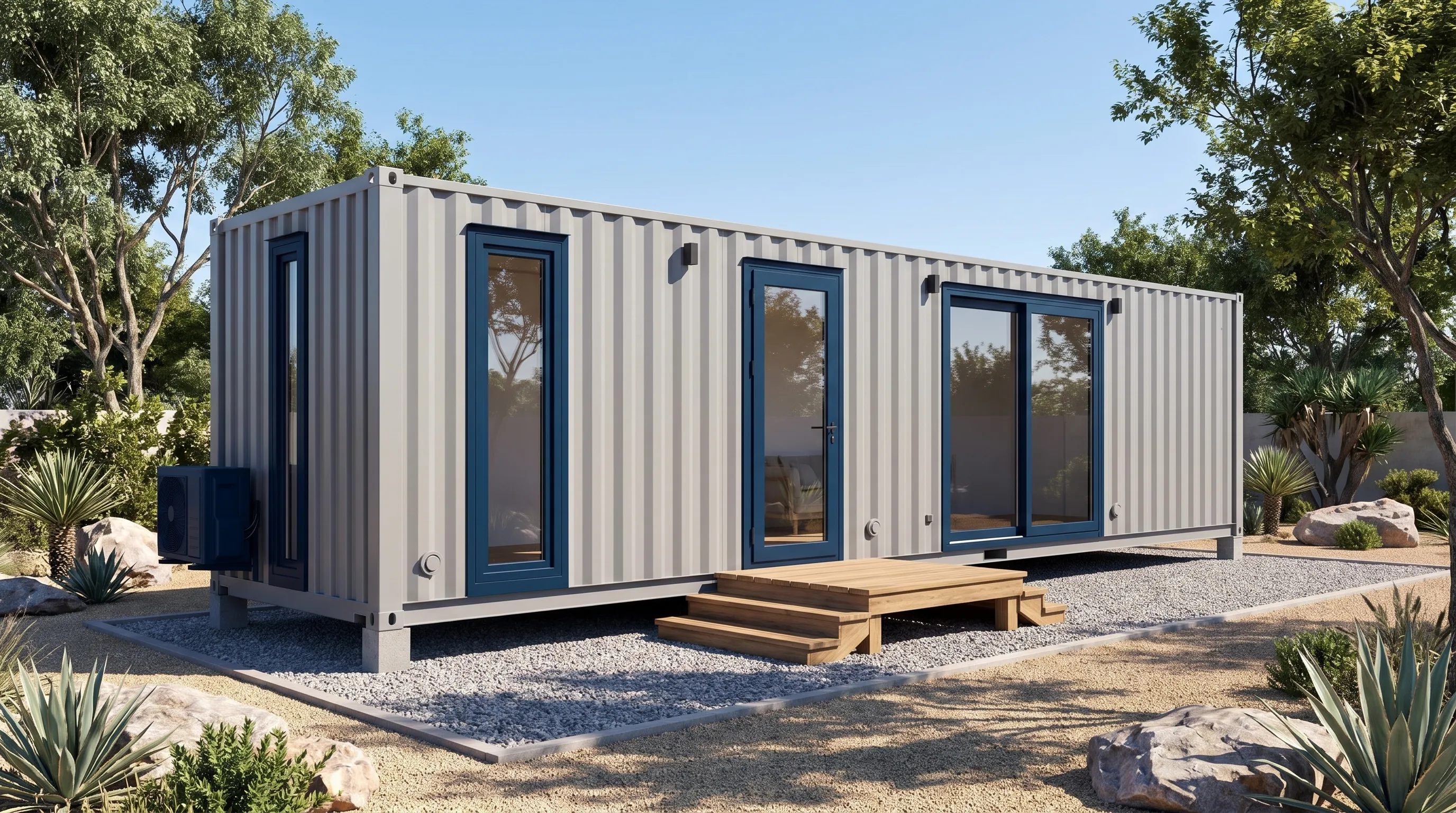
For buyers who want to study a complete residential-style option, the Custom 40ft Shipping Container House is a useful benchmark. It is built from a durable 40ft steel shipping container and can include a modern layout with kitchen, bathroom, plumbing, electrical wiring and living space.
That kind of product helps first-time buyers understand what goes into a livable unit. It also shows why a home build needs more planning than a storage box. Kitchens, bathrooms and sleeping areas all affect utility runs, ventilation, window placement and permitting.
Backyard offices and studios
A backyard office can be simpler than a full dwelling because it may not need a kitchen or bathroom. Still, comfort matters. A metal box heats up fast in summer and loses heat in winter. Insulation and HVAC should be part of the plan from the start.
High cube containers work well for studios because they leave more headroom after ceiling insulation. Windows help natural light, but too much glass can increase heat gain. A balanced layout gives you daylight without making the HVAC system work harder.
Guest houses, ADUs and rentals
Accessory dwelling unit rules vary widely. Some cities welcome ADUs. Others limit size, occupancy, placement, setbacks or utility connections. Rural counties may focus more on septic, well, driveway and fire access rules.
Before buying a container for a rental or guest house, ask the local building department about zoning, occupancy, foundation requirements and inspections. Also talk with your insurance provider. Coverage can differ for storage, offices, short-term rentals and full-time housing.
What Modifications Are Worth Paying For?
The best modifications solve a real problem. A cheaper build with poor ventilation, weak lighting or awkward doors may cost more in lost time than it saved upfront. Focus first on safety, access, comfort and weather control.
| Modification | Business value | Home value | When to prioritize |
|---|---|---|---|
| Personnel door | Faster daily access for staff | Normal entry for living spaces | Any unit used often |
| Roll-up door | Easier loading for pallets and tools | Good for garages or hobby space | Storage and workshops |
| Windows | Light and visibility | Comfort, egress and livability | Offices, studios and homes |
| Insulation | Protects people and some inventory | Required for comfort in most climates | Any occupied unit |
| HVAC | Staff comfort and equipment protection | Heating and cooling for living areas | Offices, homes and climate-sensitive storage |
| Electrical | Lights, outlets, tools, chargers | Appliances, lighting and daily use | Most work and living builds |
| Plumbing | Restrooms, sinks, wash stations | Kitchen, bath and laundry options | Offices, homes and food service |
| Security upgrades | Protects tools and inventory | Protects personal property | Remote sites and high-value contents |
Insulation and condensation control
Steel conducts heat and cold. Without insulation, a container can become uncomfortable and collect condensation. Condensation can damage stored goods, tools, furniture and interior finishes.
Spray foam, rigid foam and framed wall systems are common choices. Each has trade-offs in cost, interior space, installation method and moisture control. In hot climates, roof coatings, shade structures and ventilation can also help.
Doors, windows and structural reinforcement
Small openings are easier than large wall cuts. When you add wide doors, many windows or glass storefronts, the container may need reinforcement. Removing too much corrugated steel without a plan can weaken the side wall.
This is where custom work should be handled carefully. Ask how openings will be framed, welded and sealed. Also ask how the finished unit will be lifted, loaded and delivered after modifications.
Electrical and plumbing
Electrical work should match the intended load. A light-duty storage unit may only need LED lights and a few outlets. A workshop with compressors, welders or HVAC needs a different setup. Residential builds need a more complete plan.
Plumbing adds another layer. You need water supply, drainage, freeze protection in cold areas and a legal wastewater solution. For rural sites, septic approval may control where the container can sit.
Mid-project tip: If you are planning a livable 40ft unit, compare your sketch against the Custom 40ft Shipping Container House before finalizing the layout. It can help you think through kitchen, bathroom, plumbing and electrical needs early.
Site Prep, Delivery, Permits and Codes
Many first-time buyers focus on the container and forget the site. Delivery can be simple on a level gravel pad with clear truck access. It can be difficult on narrow roads, steep driveways, soft ground, low branches or tight turns.
A delivery truck needs room to enter, unload and leave safely. A tilt-bed truck also needs straight clearance in front of the final placement area. If the site cannot handle that, you may need a crane, forklift or different placement plan.
Basic site prep checklist
- Confirm the delivery address and access route before ordering.
- Measure gate width, driveway width, turn radius and overhead clearance.
- Prepare a level pad with gravel, concrete piers, slab or engineered foundation.
- Keep the container off standing water and soft soil.
- Plan utility trenches before the container arrives, when possible.
- Check whether anchors, tie-downs or engineered footings are required.
Foundation needs depend on use, soil, climate and code. A storage box may sit on railroad ties, concrete blocks or a gravel pad in some areas. A home, office or public-facing unit may need engineered piers, a slab or another approved foundation system.
Permits and code review
Permits vary by state, county and city. A temporary storage container may need a zoning permit in one town and no permit in another. A container home, office, retail unit or rental space often faces more review because people occupy it.
Ask your local building department about zoning, setbacks, occupancy, foundation, utilities, fire access, energy code, wind loads and snow loads. FEMA’s Building Codes Toolkit is a helpful public resource for understanding why local code adoption matters, especially in hazard-prone areas.
Do not assume rural land means no rules. Septic, floodplain, driveway access, wildfire access and utility permits can still apply. If the unit will be used by employees or customers, also review workplace safety and accessibility requirements with qualified local professionals.
Delivery across long distances
Nationwide delivery is possible, including rural sites, but the final mile matters most. Outback Shipping Containers serves all 50 states and helps buyers think through delivery logistics. That support is valuable when the destination is a farm, ranch, mountain lot, construction site or remote property.
Be honest about site limits. Photos and measurements help the delivery team plan. If you know the driveway is steep, the road is unpaved or the property has a tight gate, say so early.
Budget Planning: What Drives the Final Cost?
Custom container pricing depends on the container, modifications, delivery and site work. It is not useful to quote a single national price because steel markets, location, container condition, labor, finish level and freight all change the total.
The better way to budget is to split the project into cost buckets. This keeps you from comparing a basic WWT storage unit with a finished office or home as if they were the same product.
Main cost drivers
- Container size and condition: A one-trip high cube usually costs more than a used WWT standard-height unit.
- Modification scope: Doors and vents cost less than full insulation, HVAC, plumbing and interior finishes.
- Structural work: Large openings, stacking and major wall cuts may require reinforcement and engineering.
- Utility systems: Electrical, plumbing, sewer, septic, well and HVAC plans can add real cost.
- Interior finish level: Basic plywood walls cost less than finished drywall, cabinetry, tile and built-ins.
- Delivery distance and placement: Remote sites, cranes, permits and difficult access can raise the delivered cost.
- Permits and professional fees: Engineering, plan review and inspections may apply for occupied structures.
For business storage, compare buying against renting over the expected use period. If you need the unit for several years, buying can make sense. If the need is short term, ask whether LeaseLink Containers, the leasing arm, is a better fit.
For home projects, leave room in the budget for the less exciting items. Foundations, utility connections, permits, insulation and delivery are not optional details. They decide whether the finished space works year-round.
Outback Shipping Containers offers transparent online shopping, instant quote options, inspected units, lender financing (only for container homes priced above $72,000, subject to lender approval) and delivery support. Use those tools to compare real delivered costs instead of guessing from a national average that may not match your site.
Frequently Asked Questions
Are shipping containers good for homes?
Shipping containers can work for homes, guest suites and cabins when they are properly insulated, reinforced, ventilated and permitted. They are not a shortcut around building codes. A comfortable shipping container home needs a sound shell, safe utilities, moisture control, egress, foundation planning and local approval.
How much does it cost to customize a shipping container?
The cost depends on size, condition, delivery distance and modification scope. A storage build with vents and a lockbox is far different from a finished office or home with HVAC, plumbing and electrical. Ask for a written quote that separates the container, modifications, delivery and site-related costs.
Do you need a permit to put a shipping container on your property?
Often, yes, but rules vary by location and use. Some areas allow temporary storage with limited review. Offices, retail spaces and homes usually face more permitting. Check zoning, setbacks, foundation rules, utility permits and occupancy requirements with your city or county before delivery.
What is the difference between WWT and cargo worthy containers?
WWT means wind and watertight, so the container should keep out normal weather when inspected. Cargo worthy, or CWO, means the unit is suitable for cargo use based on inspection. For static storage, WWT may be enough. For transport or heavier modification, CWO or one-trip may be better.
Can you cut windows and doors into a shipping container?
Yes, windows and doors can be cut into a container, but large openings may need steel reinforcement. The corrugated walls help carry load. Removing sections without proper framing can weaken the structure. Plan openings with the final use, weather sealing, security and delivery method in mind.
Is a 20ft or 40ft container better for a custom build?
A 20ft container is easier to place and works well for storage, small offices and compact workshops. A 40ft container gives more layout flexibility for offices, retail and living space. If you need insulation and headroom, a 40ft high cube is often the better starting point.
Build the Container Around the Job It Must Do
The best custom containers are practical first. They fit the site, meet the code requirements, support the daily workflow and leave enough room for future needs. A good-looking build that is hard to access, poorly insulated or underpowered will frustrate you fast.
If you are planning a storage unit, office, workshop, home or rental build, start with the use case and the site. Then choose the shell, condition grade and modification plan. Outback Shipping Containers can help you compare options, plan nationwide delivery and request a real quote through Outback Shipping Containers.
About Outback Shipping Containers
This guide was prepared by the Outback Shipping Containers team, based on the questions our customers ask us most when buying, modifying and taking delivery of shipping containers. Learn more about us.
Ready to find your container?
Browse our in-stock shipping containers, container homes and custom builds, or ask our team for a free quote with delivery to your site.