Shipping Container Sizes and Prices Explained
By Outback Shipping Containers · Published September 8, 2026 · Last updated October 18, 2026
Shipping Container Sizes and Prices Explained
Shipping container sizes and prices usually come down to length, height, condition, certification, modifications and delivery distance. In 2026, many US buyers should budget roughly $2,500 to $5,000 for a 10ft container, $1,800 to $5,000 for a 20ft dry storage container, $2,400 to $7,500 for a 40ft container and more for high cube, reefer, office or home conversions. Delivery, site access and local permitting can change the final number fast, so use these ranges as a planning baseline rather than a final quote.
Quick Answer: A 20ft container is the best all-purpose size for home storage, small workshops and tighter sites. A 40ft container is usually the lowest cost per square foot for job sites, farms and build projects. New one-trip units cost more upfront, while WWT and CWO used units often offer the best value for dry storage.
Key Takeaways
- Most buyers choose 20ft or 40ft containers because they are widely available, easy to transport and useful for storage, job sites, farms and conversions.
- Used WWT containers are usually the value pick for ground storage, while CWO units are better when cargo-worthy status matters.
- High cube containers add 1 foot of height and are often worth the premium for workshops, container homes, equipment storage and HVAC clearance.
- Delivery can change the real cost because distance, road access, crane needs and site prep are not always included in the container price.
- Permits vary by city and county for storage units, offices, pools and shipping container homes, so confirm local rules before ordering.
Shipping Container Sizes and Prices at a Glance
The container industry uses standard exterior dimensions so cargo containers can move by ship, rail and truck. The most common ISO container sizes are 20ft and 40ft dry vans. High cube models keep the same 8ft width but increase outside height from 8ft 6in to 9ft 6in.
ISO 668 defines classification, dimensions and ratings for Series 1 freight containers. Actual interior dimensions vary by manufacturer, floor thickness, wall design and prior repairs, but the numbers below are close enough for early planning.
| Container type | Exterior size | Approx. interior space | Common uses | Typical 2026 purchase range before delivery |
|---|---|---|---|---|
| 10ft dry container | 10ft x 8ft x 8ft 6in | About 560 cu ft | Home storage, tools, tight urban sites | $2,500 to $5,000 |
| 20ft used WWT or CWO | 20ft x 8ft x 8ft 6in | About 1,170 cu ft | Storage, farms, contractors, small shops | $1,800 to $3,500 |
| 20ft one-trip dry container | 20ft x 8ft x 8ft 6in | About 1,170 cu ft | Clean storage, retail, conversion shells | $3,000 to $5,000 |
| 40ft used WWT or CWO | 40ft x 8ft x 8ft 6in | About 2,390 cu ft | Bulk storage, job sites, equipment | $2,400 to $4,500 |
| 40ft one-trip dry container | 40ft x 8ft x 8ft 6in | About 2,390 cu ft | Long-term storage, builds, business use | $4,500 to $7,500 |
| 40ft high cube | 40ft x 8ft x 9ft 6in | About 2,690 cu ft | Container homes, offices, tall equipment | $3,500 to $8,500 |
| 45ft high cube | 45ft x 8ft x 9ft 6in | About 3,040 cu ft | Large storage, commercial builds | $5,500 to $9,500 |
| Refrigerated reefer container | Usually 20ft or 40ft | Less interior space due to machinery | Cold storage, food, farm products | $7,000 to $30,000 plus power setup |
These are broad retail market ranges, not a fixed quote from Outback Shipping Containers. Regional supply, port distance, steel markets, condition grade, color, inspection status and delivery method all affect the live price.
If you want a deeper measurement breakdown with door openings, interior lengths and usable floor area, Outback has a separate shipping container dimensions guide that focuses on fit and layout.
10ft containers
A 10ft conex box is compact and easy to place, but it is not always cheaper than a 20ft unit. That surprises first-time buyers. Short containers are less common, so they can cost more per square foot.
A 10ft container works well when access is limited or you only need to store lawn gear, tools, seasonal inventory or household overflow. For serious construction storage, the smaller footprint fills up fast.
20ft containers
A 20ft ISO container is the safest starting point for many homeowners, small businesses and contractors. It gives you about 160 square feet of floor area while staying manageable for delivery.
A standard 20ft dry container often weighs about 5,000 pounds empty. This is called tare weight. Payload capacity depends on the unit, but many 20ft containers are rated for more than 50,000 pounds of cargo. Always check the data plate if you plan to load heavy materials.
40ft containers
A 40ft container gives you double the length of a 20ft unit and usually better value per square foot. It is a strong fit for farm storage, construction supplies, palletized inventory, vehicles, lumber and furniture.
The tradeoff is delivery space. A 40ft unit needs 120 ft of straight-line clearance for a tilt-bed truck and more room to turn. If your site has a narrow driveway, trees, overhead wires or soft ground, plan the delivery before you buy.
40ft and 45ft high cube containers
High cube containers are 9ft 6in tall outside and about 8ft 10in tall inside. That extra interior height matters for insulation, ceiling finishes, lighting, HVAC ducting and tall equipment.
For a shipping container home, office or workshop, high cube is often worth pricing first. The added height can make the interior feel less cramped and can reduce layout compromises later.
How Container Condition Changes the Price
Size is only one part of shipping container sizes and prices. Condition grade can change the price as much as length does. Two 40ft containers can look similar from the road but carry very different value if one is a one-trip unit and the other is an as-is box with roof rust.
Here is how the common grades compare.
| Condition grade | What it means | Best for | Price impact |
|---|---|---|---|
| One-trip or new | Used once for cargo, usually from the factory to the US | Clean storage, homes, retail, premium conversions | Highest dry container price |
| CWO, cargo worthy | Structurally fit for cargo use when properly certified | Export shipping, heavy storage, equipment | Mid to high used price |
| WWT, wind and watertight | Keeps out weather under normal ground storage use | On-site storage, farms, tools, furniture | Strong value for most buyers |
| Refurbished | Used container repaired, cleaned or repainted | Business sites, cleaner appearance needs | Varies by repair scope |
| As-is | No strong condition guarantee | Low-risk storage, scrap use, short-term projects | Lowest price, highest risk |
A WWT container is often the right answer for storage. It should not have holes or major leaks, but it may show dents, surface rust, patches, faded paint and floor wear. That is normal for a used intermodal container.
A CWO container is a step up when the structure and certification matter. Buyers often ask for CWO when they want a cargo-worthy container for shipping or a stronger candidate for modifications. If export shipping is the goal, confirm the CSC plate, inspection status and carrier requirements before purchase.
A one-trip container costs more because it has less wear. It is a good fit when appearance matters, when you want cleaner floors and walls or when the container will become an office, shop, cabin or retail unit.
For example, buyers who want a clean 20ft one-trip shell for long-term storage or a small conversion can review the 20ft New Shipping Container – Wind & Watertight – Gray, which is listed as a wind and watertight, cargo-worthy unit.
For a deeper price breakdown by grade, size and delivery factor, compare this guide with Outback's shipping container cost guide for 2026.
How to Choose the Right Size
A container that is too small becomes expensive fast because you may need a second unit. A container that is too large can create delivery headaches or permit issues. Start with use case, then check site access.
| Buyer type | Better starting size | Why it usually fits |
|---|---|---|
| Homeowner storing furniture or tools | 20ft | Enough space for most household storage without taking over the property |
| DIY builder planning a tiny home shell | 40ft high cube | Better ceiling height and layout flexibility |
| Contractor needing job-site storage | 20ft or 40ft | 20ft for tight sites, 40ft for bulk materials |
| Farm or ranch operator | 40ft | Better value for equipment, feed, fencing and seasonal supplies |
| Small business with inventory | 20ft or 40ft | Depends on pallet count, access and how often inventory moves |
| Airbnb host or developer | 40ft high cube or custom build | More livable height and better design potential |
A 20ft unit can hold motorcycles, tools, compact equipment, boxed inventory or the contents of many small apartments. It is also easier to place near a garage, barn, driveway or shop.
A 40ft unit is better when you need rows of shelving, pallet space or room to walk around stored items. If you are comparing cost per square foot, the 40ft container often wins.
High cube is the better choice when people will spend time inside. That includes a container office, workshop, cabin, retail unit or shipping container home. Standard-height containers can work, but once you add insulation, ceiling material and lights, headroom gets tight.
Delivery, Site Prep and Hidden Costs
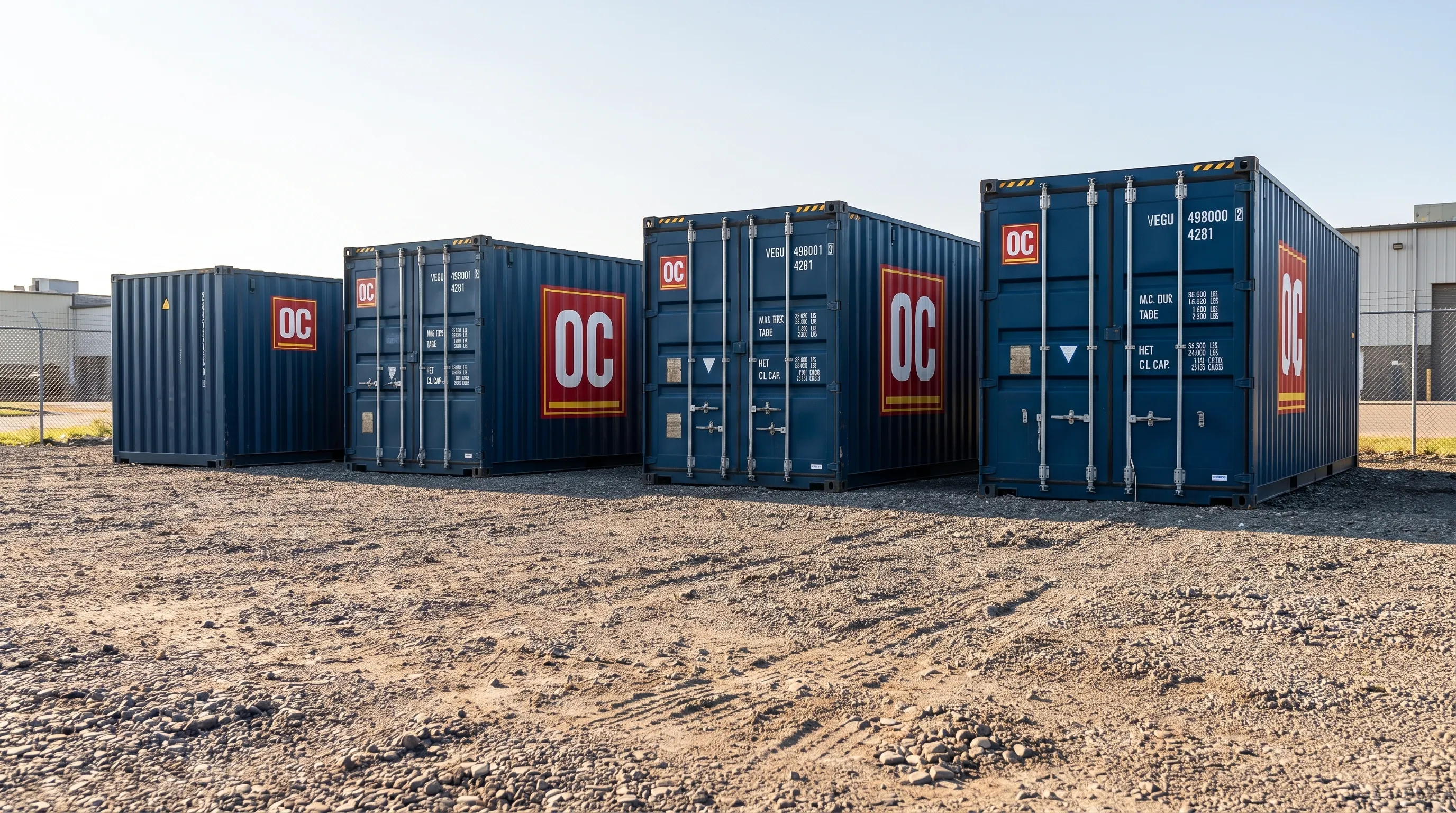
The listed container price is not always the final landed cost. Delivery can be simple on an open gravel lot near a city. It can be more complex on a ranch road, wooded property, hillside, island, downtown site or tight construction zone.
Most ground deliveries use a tilt-bed truck, landoll trailer, crane truck or local equipment at the site. A 20ft unit often needs less straight clearance than a 40ft unit, but every carrier has its own truck setup. Ask for placement requirements before the truck arrives.
Common delivery and site cost factors include:
- Distance from depot, rail yard or port
- Fuel, tolls and regional freight demand
- Driveway width, gate width and turn radius
- Overhead wires, tree limbs and roof overhangs
- Ground firmness, slope and drainage
- Crane, forklift or rigging needs
- Local sales tax and permitting fees
- Foundation work, gravel pads or concrete piers
A short local delivery may add a few hundred dollars. Long-distance or remote delivery can add $1,500 to $3,000 or more, especially when special equipment is needed. Outback Shipping Containers serves all 50 states, including rural areas, but the right delivery plan still depends on the site.
The Federal Highway Administration Freight Management and Operations program is a useful starting point for understanding freight movement in the US. For actual oversize, overweight or local road restrictions, your carrier and local agency should confirm the rules for the route.
Site prep does not need to be fancy, but it must be solid. A level gravel pad, concrete piers or properly set blocks can help keep the container square and reduce water problems. Avoid placing steel directly on wet soil if you want the floor and underside to last.
If you are comparing shipping container sizes and prices for a real project, get the delivery quote before you commit. A cheaper container far away may cost more after trucking than a better unit closer to your site.
Mid-project tip: If you are working with a tight driveway, small job site or backyard placement, a 20ft unit is usually easier to deliver than a 40ft box. Reviewing a specific unit like the 20ft New Shipping Container – Wind & Watertight – Gray can help you compare size, condition and use case before requesting a quote.
Container Homes, Offices and Custom Builds
Raw container prices are only the starting point for a container conversion. A shipping container home, office, pool, cabin or retail unit includes design, structural cuts, framing, insulation, doors, windows, electrical work, plumbing, HVAC, interior finishes, permits and site work.
That is why a $4,000 to $8,000 container does not become a finished home for $8,000. Cutting large openings can weaken the steel frame if the work is not engineered correctly. Insulation also matters because steel moves heat fast and can sweat when warm indoor air hits cold metal.
For homeowners and Airbnb hosts, a 40ft high cube is usually easier to design than a standard 20ft unit. The extra length supports a clearer floor plan. The extra height gives room for ceiling insulation and lights.
Buyers who want a ready-to-install living unit can compare raw-container pricing with prefab options such as the 40ft Luxury Good Quality Prefab Modern Container Home, which is described as a spacious and customizable 40ft prefab container home with a modern design.
For commercial buyers, the same logic applies to modular offices and workshops. The container may be the shell, but the real budget includes doors, windows, ventilation, power, interior walls, flooring, desks, shelving and code requirements.
Permits and zoning rules vary by state, county and city. A container used for temporary storage may face different rules than a permanent office or dwelling. Before you order, call your local building department and ask about zoning, setbacks, foundation requirements, utility hookups, wind loads and inspections.
If you are still comparing dry vans, reefers, open-side units and specialty containers, Outback's guide to container types in shipping can help narrow the field before you price a custom build.
Smart Buyer Checklist Before You Request a Quote
A good quote should remove guesswork. It should tell you what you are buying, where it is coming from and what delivery will require. That protects you from hidden fees and low-quality units advertised with vague photos.
Before you buy, confirm these details:
- Exact container size, height and door configuration
- Condition grade, such as one-trip, CWO, WWT, refurbished or as-is
- Whether the unit is wind and watertight
- Photos of the actual unit or representative inventory policy
- Floor condition, roof condition and visible rust level
- Tare weight, payload capacity and data plate if relevant
- Delivery price, delivery method and placement limits
- Permit or HOA concerns at the destination
- Payment terms, financing options and timing
Be careful with listings that are far below normal market price. Shipping container scams often use stolen photos, fake depots, pressure tactics or payment methods that are hard to reverse. A real seller should be able to explain condition, delivery and total cost clearly.
Outback Shipping Containers offers new, used and custom modular units with nationwide delivery, transparent online pricing, lender financing (only for container homes priced above $72,000, subject to lender approval) and support through delivery logistics. If you need a purchase alternative for a short project, ask whether leasing through LeaseLink Containers makes more sense than buying.
Frequently Asked Questions
What is the standard shipping container size?
The two standard sizes most buyers compare are 20ft and 40ft containers. Both are usually 8ft wide and 8ft 6in tall outside. High cube containers are typically 9ft 6in tall, which adds useful interior height for offices, workshops, storage racks and home conversions.
How much does a 20ft shipping container cost?
A used 20ft WWT or CWO container often falls around $1,800 to $3,500 before delivery. A 20ft one-trip container often runs about $3,000 to $5,000 before delivery. Prices change by region, condition, color, supply, certification and trucking distance.
Is it cheaper to buy a 20ft or 40ft shipping container?
A 20ft container usually has the lower total purchase price. A 40ft container often has the lower cost per square foot. If you have enough room for delivery and placement, the 40ft size can be the better value for bulk storage, farms and job sites.
What is the difference between WWT and cargo worthy?
WWT means wind and watertight for ground storage under normal conditions. Cargo worthy means the container is structurally fit for cargo use when properly inspected and certified. WWT is common for on-site storage. CWO is better when shipping, heavy loading or stronger certification matters.
Do I need a permit for a shipping container on my property?
Maybe. Permit rules depend on your city, county, zoning district, HOA and planned use. Temporary storage, permanent storage, offices, pools and container homes may be treated differently. Always check with local authorities before delivery, especially for foundations, utilities or habitable space.
How much does shipping container delivery cost?
Local delivery may add a few hundred dollars, while rural, long-distance or complex delivery can add $1,500 to $3,000 or more. The final cost depends on distance, truck type, site access, unloading method, fuel costs, permits and whether a crane or forklift is needed.
Get a Clear Quote Before You Buy
Use these shipping container sizes and prices as a planning guide, then confirm the exact unit, condition and delivery cost for your address. The best value is not always the lowest sticker price. It is the container that fits your use, arrives safely and does not create surprise costs later.
If you are ready to compare current inventory, request delivery details or discuss a custom build, start with Outback Shipping Containers for nationwide container options, transparent pricing and expert support from purchase through placement.
About Outback Shipping Containers
This guide was prepared by the Outback Shipping Containers team, based on the questions our customers ask us most when buying, modifying and taking delivery of shipping containers. Learn more about us.
Ready to find your container?
Browse our in-stock shipping containers, container homes and custom builds, or ask our team for a free quote with delivery to your site.