Modified Shipping Containers: Best Uses for 2026
By Outback Shipping Containers · Published September 2, 2026 · Last updated October 18, 2026
Modified Shipping Containers: Best Uses for 2026
Modified shipping containers are best used for secure storage, job-site offices, workshops, backyard studios, tiny homes, cabins, retail spaces, equipment rooms and container pools. The right use depends on the container size, condition grade, site access, permits and the level of modification needed.
Quick Answer: A modified shipping container works best when you need a durable shell that can be delivered fast, secured easily and customized before or after delivery. For 2026, the strongest uses are storage, mobile offices, farm and ranch buildings, small homes, rental cabins, workshops and modular business spaces.
Key Takeaways
- Best all-around size: A 20ft container is easier to place and modify. A 40ft or 40ft high cube is better for homes, offices and larger workshops.
- Best condition for conversions: One-trip containers work well for homes, offices and design-heavy builds. WWT or CWO used containers are better for storage and utility use.
- Most useful modifications: Doors, windows, insulation, electrical rough-ins, ventilation, HVAC, lockboxes and structural reinforcement add the most day-to-day value.
- Permits vary: Storage containers, offices, ADUs and homes may face different zoning and building code rules in each city or county.
- Plan delivery early: Site access, ground prep, crane needs and utility routes can affect the real cost as much as the container itself.
Best Uses for Modified Shipping Containers in 2026
A shipping container starts as a steel cargo container, often called a conex box, ISO container or intermodal container. It was built to move freight by ship, rail and truck. That makes it strong, stackable and weather resistant, but not ready for people without smart modifications.
The best modified shipping containers in 2026 are not just “boxes with windows.” They are planned around a clear use. A farm storage unit needs airflow and security. A job-site office needs insulation, power and climate control. A shipping container home needs engineering, permits, moisture control, plumbing and safe exits.
1. Secure storage for homes, farms and job sites
Storage is still the simplest and most common use. A wind and watertight unit can protect tools, feed, equipment, inventory, furniture and building materials. For many buyers, a modified container costs less over time than renting off-site storage or building a shed from scratch.
Good storage modifications include:
- Lockbox over the cargo door handle
- Side personnel door for daily access
- Turbine vents or louver vents for airflow
- Shelving, pipe racks or tool walls
- Interior LED lights
- Ramp or roll-up door for equipment access
For storage, you usually do not need a one-trip container unless appearance matters. A WWT used container often makes more sense if the frame, roof, doors and floor are solid.
2. Job-site offices and construction field rooms
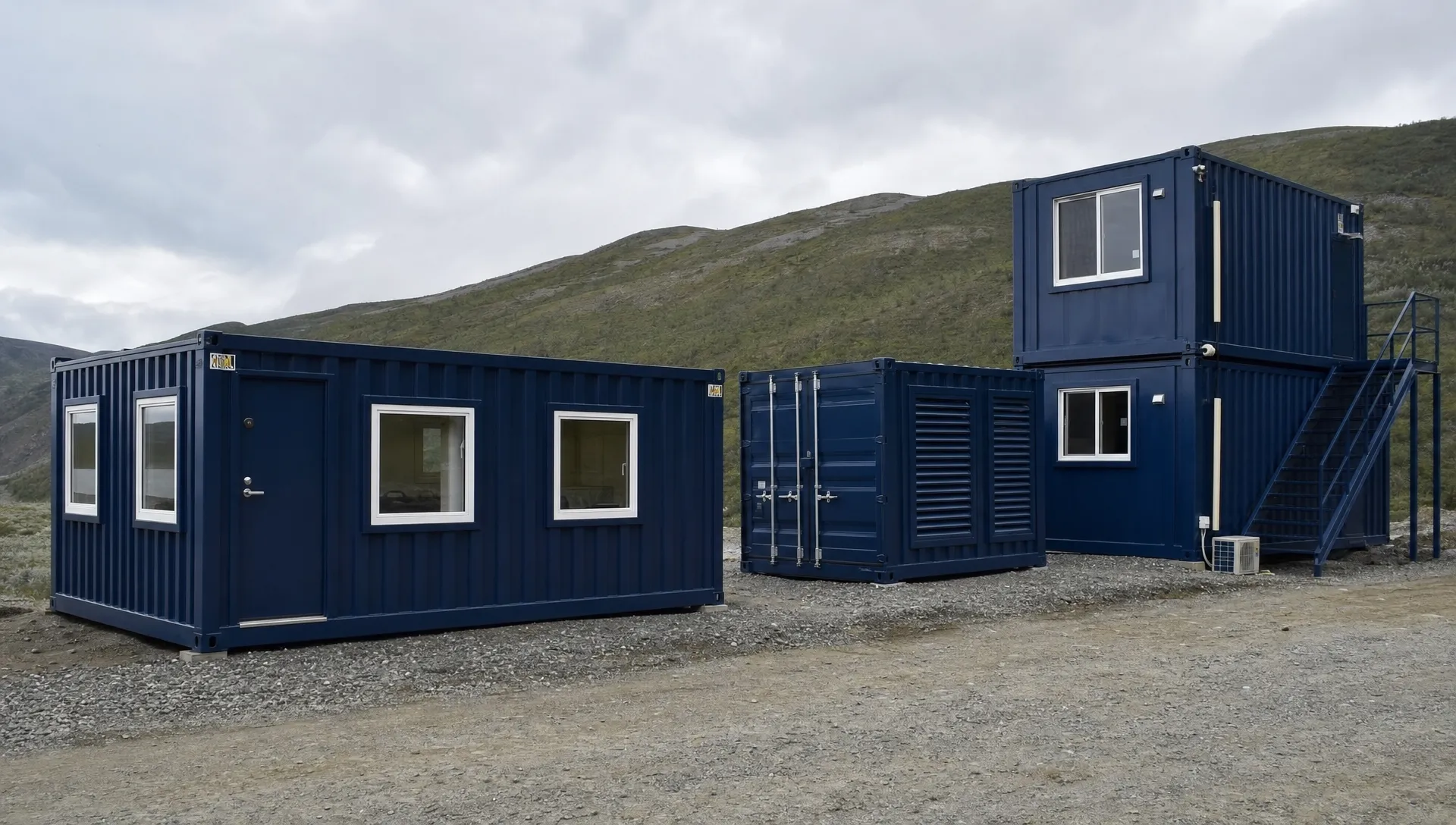
Contractors use modified containers because they are fast to deploy and hard to break into. A 20ft office can hold a desk, plan table, file storage and small meeting area. A 40ft office can support several workstations or split space into office and storage.
The best job-site offices include insulation, finished walls, HVAC, electrical outlets, lights, windows, a personnel door and a lockable storage area. Some builds also add a restroom, but that raises the permit and utility planning requirements.
For construction firms, container offices work best when they can move between projects. Keep the interior layout simple if you plan to relocate the unit often.
3. Workshops, garages and maker spaces
A modified container can become a compact workshop for woodworking, welding, motorcycle repair, ranch maintenance or small manufacturing. A 20ft unit is good for a single-person shop. A 40ft high cube gives more room for benches, tool chests and overhead storage.
Ventilation matters here. Welding, painting, fuel storage and battery charging all need safer airflow and fire planning. Heavy tools may also require dedicated electrical circuits and a stable foundation.
A workshop is one of the best uses for a CWO or one-trip container because door alignment, floor strength and roof condition affect daily work.
4. Backyard offices, gyms and studios
More homeowners are using container conversions for extra space without adding onto the main house. Common builds include backyard offices, music rooms, gyms, guest rooms, craft studios and teen spaces.
These projects are smaller than full homes, but they still need comfort planning. Insulation, air sealing, vapor control, windows and HVAC make the space usable through hot summers and cold winters. A high cube container helps because the extra foot of exterior height gives more room for insulation and finished ceilings.
Local rules matter. Some cities treat a backyard studio as an accessory structure. Others treat it as habitable space if it has sleeping, plumbing or permanent utility connections.
5. Tiny homes, cabins and ADUs
Shipping container homes draw attention because the steel shell is already built. That can save time on the structural shell, but it does not remove the need for design, engineering or permits. A home must still meet local code for structure, energy use, fire safety, egress, plumbing and electrical work.
For homes, 40ft high cube containers are usually more comfortable than standard-height containers. A standard container is 8 feet 6 inches tall outside. A high cube is 9 feet 6 inches tall outside, which helps once insulation, flooring and ceilings are installed.
A single 40ft high cube can work for a tiny home, studio cabin or guest suite. Larger homes often use two or more containers with engineered openings between them.
6. Airbnb cabins and rental units
Property owners and rural hosts use modified containers for short-term rental cabins because the shell can be delivered to remote land faster than many traditional builds. A clean design, good windows, strong insulation and a smart floor plan matter more than the novelty of the container.
The best rental projects start with local zoning research. Some counties welcome small cabins and ADUs. Others limit short-term rentals or require septic, driveway, fire access and utility approvals before occupancy.
Durability is a major benefit. Steel siding, lockable doors and compact layouts help with turnover, maintenance and seasonal shutdowns.
7. Retail spaces, kiosks and food service shells
Small businesses use modified containers for coffee shops, farm stands, ticket booths, pop-up retail, event bars and mobile showrooms. The steel shell gives the business a strong branded structure that can be placed on a lot, at a venue or near a job site.
Retail and food service builds need more planning than storage. Service windows, customer access, ADA requirements, electrical load, water, wastewater, grease management and local health department rules may apply. The container can be the shell, but the business still has to meet the same safety rules as other commercial spaces.
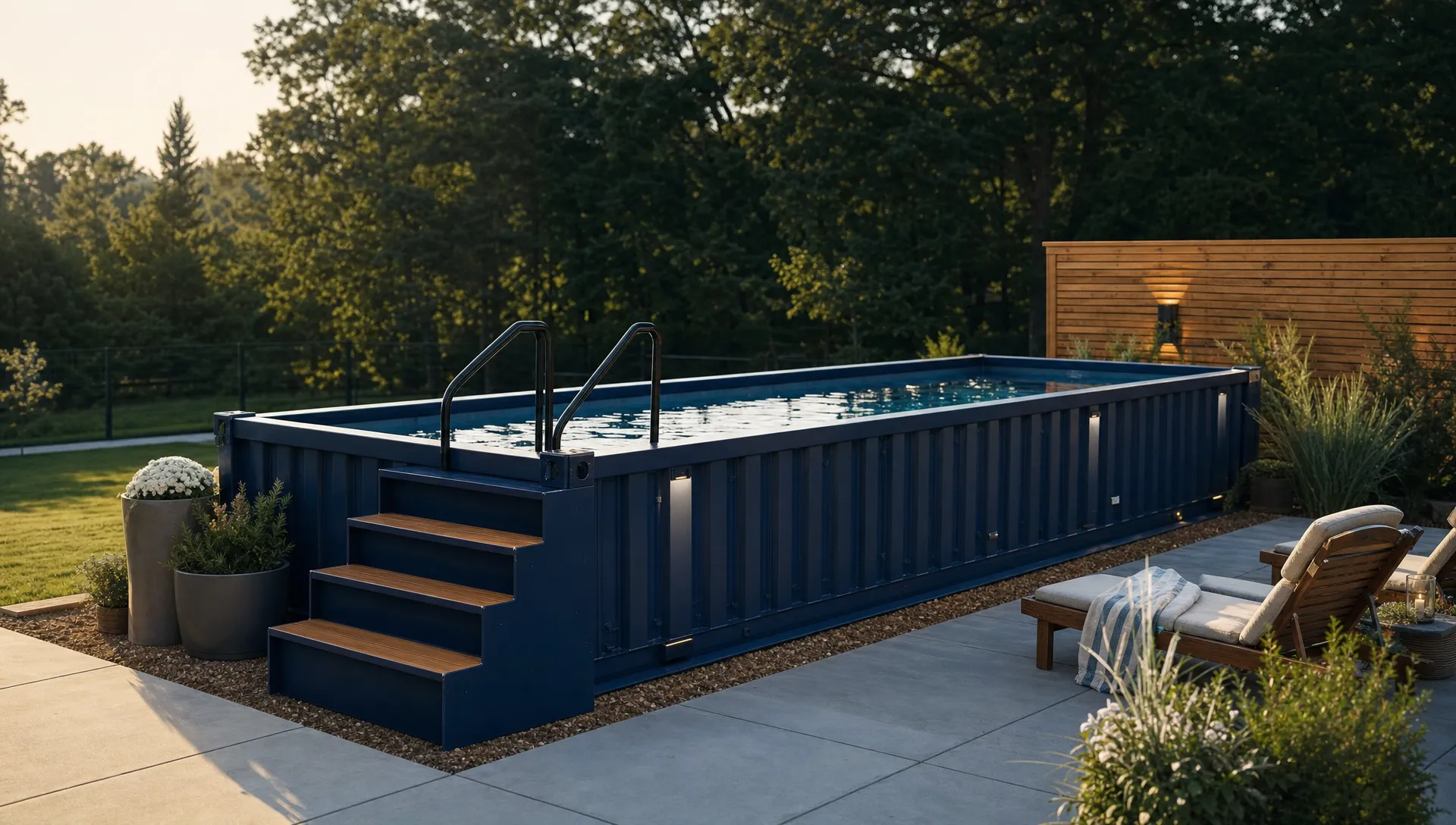
8. Container pools and outdoor living spaces
A container pool is a more specialized conversion. It uses the steel container form as part of the pool structure, then adds waterproofing, filtration, stairs or entry features, decking and safety barriers.
This use is design-heavy. It needs the right builder, site prep and local approval. It also needs good access for delivery because a finished pool unit can be harder to move than an empty container.
How to Match Size, Grade and Use
Container size affects cost, delivery, layout and the type of modifications that make sense. Do not pick a size only because it is common. Pick it because it fits the space, the use and the delivery route.
Standard dry containers follow common dimensions under the ISO container system. ISO 668 defines classification, dimensions and ratings for Series 1 freight containers. Actual interior dimensions, tare weight and payload capacity can vary by manufacturer and container plate.
| Container type | Typical exterior size | Common best uses | Key advantage | Planning note |
|---|---|---|---|---|
| 10ft standard | 10 ft x 8 ft x 8 ft 6 in | Small storage, guard booth, tool room | Fits tight sites | Less common than 20ft units |
| 20ft standard | 20 ft x 8 ft x 8 ft 6 in | Storage, office, workshop, studio | Easy to deliver and place | Limited width for living space |
| 40ft standard | 40 ft x 8 ft x 8 ft 6 in | Large storage, office, retail, cabins | More floor area per delivery | Needs more site clearance |
| 40ft high cube | 40 ft x 8 ft x 9 ft 6 in | Homes, offices, studios, rental cabins | Better ceiling height | Often preferred for finished interiors |
| 45ft high cube | 45 ft x 8 ft x 9 ft 6 in | Larger modular builds, commercial use | Extra length | Site access can be harder |
A 20ft standard container often has a tare weight around 4,800 pounds. A 40ft standard container often has a tare weight around 8,000 pounds. Maximum gross ratings commonly reach about 67,200 pounds, but always check the CSC plate and manufacturer data on the specific unit.
Condition grade matters too.
| Condition grade | Best for | Why it works | Watch for |
|---|---|---|---|
| One-trip | Homes, offices, retail, design-heavy builds | Cleaner appearance, fewer dents, newer floor and doors | Higher upfront cost than used |
| CWO | Workshops, storage, export-capable cargo use | Cargo-worthy structure and doors | Appearance can vary |
| WWT | Static storage, farm use, site storage | Keeps out wind and water when properly inspected | Not always suitable for shipping cargo |
| Refurbished | Customer-facing storage, offices, resale-focused builds | Improved appearance and coating | Confirm what “refurbished” includes |
| As-is | Low-budget noncritical use | Lowest upfront cost | Higher risk of leaks, rust or door issues |
If you are still weighing the base shell, start with the use case. Homes, offices and retail units usually justify a cleaner one-trip unit. Long-term storage often works well with inspected WWT or CWO units.
Modifications That Matter Most
The best modifications solve a real problem. They improve access, comfort, security, durability or code compliance. Decorative upgrades come later.
Access and security
Cargo doors are strong, but they are not always convenient for daily use. A personnel door makes frequent access easier. A roll-up door helps with mowers, ATVs, pallets and shop equipment.
A lockbox is one of the simplest upgrades for storage. It shields the padlock from bolt cutters and weather. For job sites, pair it with good lighting and a clear placement plan so doors are visible from the work area.
Ventilation and moisture control
Containers can sweat when warm moist air hits cooler steel. That is why ventilation matters, even for storage. Vents, dehumidifiers, raised shelving and air gaps help reduce condensation risk.
Homes, offices and studios need a full insulation and air-sealing plan. Spray foam, mineral wool and rigid foam can all work when designed correctly. The right choice depends on climate, wall assembly, budget and whether the unit will be inspected as habitable space.
Structural reinforcement
Cutting steel changes the container. Large windows, wide doors and wall removals can weaken the corrugated side panels if they are not reinforced. This is where many DIY builds go wrong.
Use steel tube framing or engineered reinforcement around major openings. If the unit will be stacked, lifted or permitted as a building, involve a qualified engineer before cutting.
Electrical, plumbing and HVAC
Electrical rough-ins are easier before interior walls go up. Plan outlet height, panel location, lighting, exterior power entry and dedicated circuits for HVAC or tools.
Plumbing adds more steps. You need supply, drain, venting, freeze protection and a legal connection to septic or sewer. For homes, cabins and food service, plumbing is often what moves the project from a simple conversion to a permitted building project.
For a deeper look at upgrades that tend to hold value, review Outback Shipping Containers' guide to shipping container modifications that pay off.
Permits, Codes and Site Planning
A modified container is not automatically legal to place or occupy. Rules depend on your city, county, HOA, zoning district and intended use. A farm storage container may face fewer rules than a backyard guest suite with plumbing.
The International Code Council publishes model codes that many jurisdictions adopt or amend. Your local building department decides what applies on your site.
Common permit triggers include:
- Permanent foundation or anchoring
- Electrical, plumbing or HVAC work
- Sleeping space or regular occupancy
- Commercial customer access
- Large structural cuts
- Placement near property lines, easements or flood zones
Zoning can be just as important as building code. Some areas limit accessory structures by size, height, appearance or setback. Rural land may still have rules for floodplain placement, fire access, septic systems and driveway permits.
Before you order a modified container, confirm these items:
- Legal use of the land
- Required setbacks from property lines
- Foundation or anchoring requirements
- Whether stamped drawings are needed
- Utility connection rules
- Delivery access for truck, trailer, crane or forklift
Outback Shipping Containers has a separate 2026 guide to shipping container permit requirements by state, which is a useful starting point before you call your local office.
Mid-project tip: If you want a compact base for a backyard office, workshop or small commercial shell, compare Outback's 20ft modified one-trip containers before you finalize your layout.
Buying Checklist for First-Time Container Buyers
First-time buyers often focus on the container price and miss the total project cost. Delivery, site work, permits, foundation, modifications and utilities can change the budget. A cheap shell is not a deal if it arrives with bad doors, roof leaks or heavy rust.
Use this checklist before you buy.
Confirm the use before the container grade
Start with one sentence: “This container will be used for ___.” That answer drives every later decision.
A storage unit can be simple. A shop needs power and airflow. A home needs code planning from the start. A retail unit needs customer access and commercial approvals.
Inspect the steel, doors and floor
Ask about roof condition, corner posts, door seals, crossmembers and floor condition. Surface rust is common on used containers. Deep corrosion, holes, bent frames and doors that do not close well are bigger concerns.
For cargo use, ask about cargo-worthy status and the CSC plate. For static storage, a certified wind and watertight unit may be enough.
Plan delivery before checkout
Delivery is not just a shipping line on an invoice. It is part of the project plan. A 40ft container often needs a 120 ft straight approach for tilt-bed delivery, and tight rural roads may require extra equipment.
Check for:
- Overhead wires and tree limbs
- Soft ground or steep grades
- Gate width and driveway turns
- Space to unload and pull away
- Crane or forklift needs
- Final door direction
If the site is remote, send photos and measurements before delivery. Good logistics planning prevents expensive rescheduling.
Avoid vague quotes
A clear quote should state the size, condition, modification scope, delivery assumptions and any known exclusions. Be careful with listings that show a low base price but hide delivery or inspection details until the end.
Outback Shipping Containers focuses on inspected units, transparent online pricing, lender financing (only for container homes priced above $72,000, subject to lender approval) and nationwide delivery. That helps buyers compare the real project cost before committing.
Keep future resale in mind
Even if you plan to keep the unit, resale value matters. Clean door cuts, quality welding, practical windows, standard electrical layouts and durable coatings make the container easier to reuse later.
Very unusual layouts can be harder to sell. If you are building for a business, rental or job site, choose practical modifications over trendy details.
When a Modified Container Is Not the Best Choice
A modified container is useful, but it is not right for every project. If your local zoning blocks containers outright, do not assume you can solve it after delivery. Get written guidance first.
A container may also be a poor fit if the site has no truck access, if the build needs very wide open rooms or if the labor to modify the steel costs more than a conventional structure. Some projects need standard wood framing or a factory-built modular unit instead.
Also think about long-term comfort. Steel moves heat quickly. Without the right insulation, ventilation and thermal breaks, a container office or home can feel hot, cold or damp. Good design fixes this, but it should be in the budget from the start.
FAQ
What can modified shipping containers be used for?
Modified shipping containers can be used for storage, job-site offices, workshops, backyard studios, tiny homes, cabins, retail kiosks, equipment rooms and container pools. The best use depends on the base container size, condition grade, insulation needs, delivery access and local permit rules.
Do you need a permit to modify a shipping container?
You may need a permit if the container is placed permanently, connected to utilities, used for occupancy or changed structurally. Rules vary by state, county and city. Always check zoning, building code, HOA rules and utility requirements before ordering or cutting the container.
Is a 20ft or 40ft container better for conversion?
A 20ft container is easier to deliver, place and use on tight sites. It works well for storage, small offices and workshops. A 40ft or 40ft high cube is better for homes, cabins, larger offices and layouts that need more floor area.
Are used shipping containers good for modifications?
Used containers can work well for storage, workshops and utility builds if they are inspected, wind and watertight and structurally sound. For homes, offices or customer-facing spaces, many buyers prefer one-trip containers because they have fewer dents, newer floors and cleaner exterior panels.
How long do modified shipping containers last?
A well-maintained modified container can last for many years, especially if it has a sound roof, good paint, proper drainage and controlled moisture. Lifespan depends on climate, salt exposure, rust prevention, foundation support and whether cuts were reinforced correctly during conversion.
Can a modified shipping container be moved after conversion?
Many modified containers can be moved, but heavy interiors, plumbing, decks, foundations and large wall openings can make relocation harder. If you plan to move the unit later, tell the builder early so they can protect lift points, weight balance and structural strength.
Plan Your 2026 Container Project
Modified containers work best when the container, site and use all match. Start with the purpose, then choose the size, grade, modifications and delivery plan. That order saves money and prevents rework.
If you are ready to compare options for storage, offices, homes, workshops or custom modular builds, start with Outback Shipping Containers for inspected units, nationwide delivery, transparent online pricing and lender financing (only for container homes priced above $72,000, subject to lender approval).
About Outback Shipping Containers
This guide was prepared by the Outback Shipping Containers team, based on the questions our customers ask us most when buying, modifying and taking delivery of shipping containers. Learn more about us.
Ready to find your container?
Browse our in-stock shipping containers, container homes and custom builds, or ask our team for a free quote with delivery to your site.