Can You Really Buy a Shipping Container Under $1,000?
By Outback Shipping Containers · Published September 5, 2026 · Last updated October 18, 2026
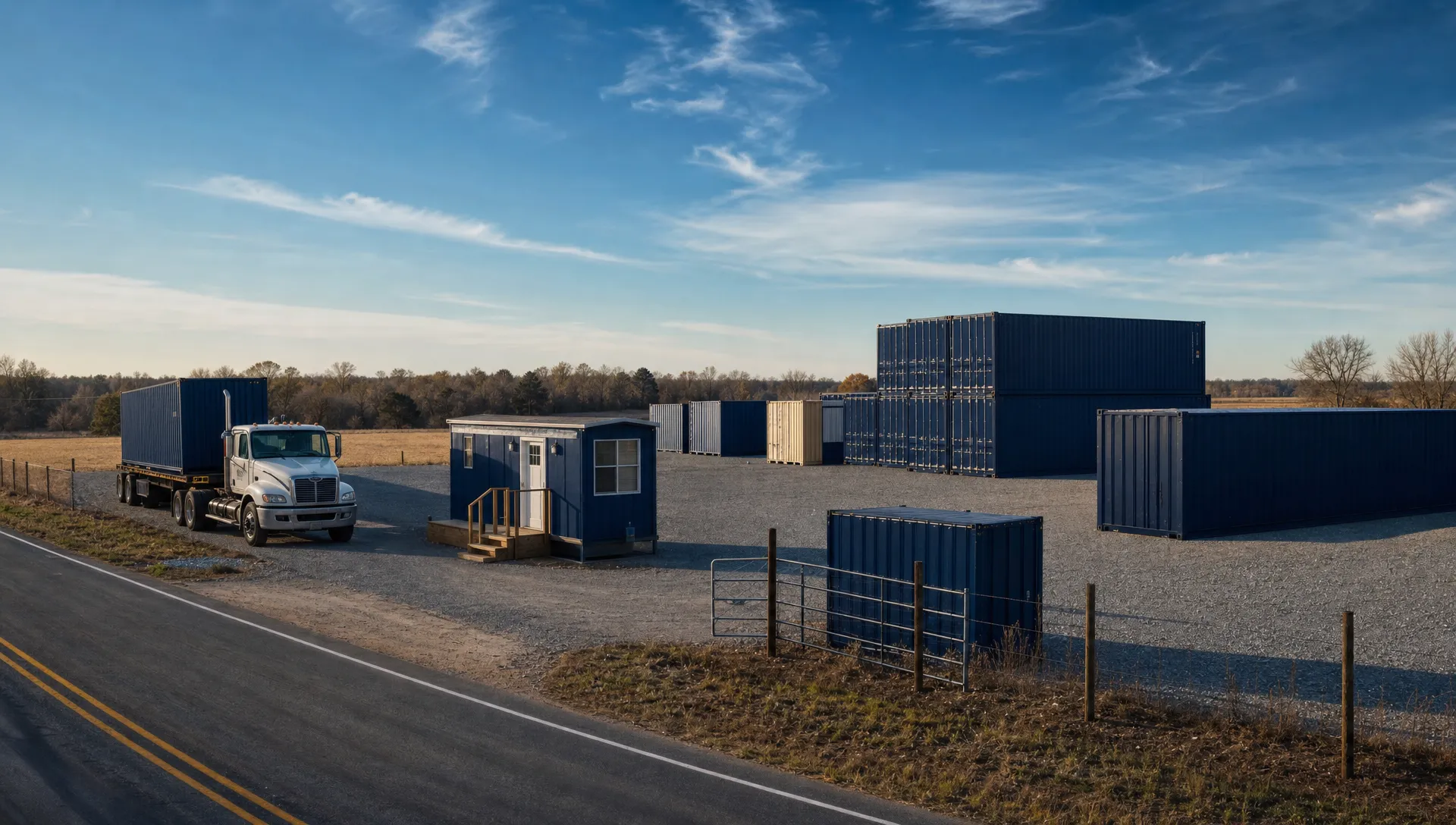
Can You Really Buy Shipping Containers Under $1,000?
Yes, you can sometimes buy shipping containers under $1,000, but usually not a certified WWT or CWO 20ft or 40ft container delivered to your site. At that price, expect as-is condition, local pickup, dents, rust, holes, an odd size or a listing that is really a deposit. For secure storage or a container conversion, the smarter question is not purchase price. It is landed cost: container, inspection, delivery, taxes and site prep.
Quick Answer: A real sub-$1,000 deal is usually an as-is cargo container sold locally before delivery. If the listing promises a clean one-trip ISO container with free nationwide delivery for under $1,000, treat it as a red flag.
Key Takeaways
- Shipping containers under $1,000 can exist, but they are usually damaged, as-is, remote, auctioned or sold without delivery.
- A serviceable 20ft or 40ft wind and watertight container normally costs more once delivery and site access are included.
- Under $1,000 is rarely realistic for one-trip, high cube, reefer, office, pool or container home projects.
- Always inspect the roof, floor, doors, corner posts, seals and ID plate before paying.
- If cash is tight, financing or rent-to-own may be safer than buying the cheapest container you can find.
Where Shipping Containers Under $1,000 Usually Come From
Most cheap listings fall into one of two groups: real but limited or fake and risky. The real ones are usually not pretty. They may be retired jobsite conex boxes, damaged cargo containers, auction units or storage containers that a local owner wants gone fast.
That does not make every cheap container a bad buy. A rough container can still work for farm storage, construction scrap, equipment parts or a welding project. The key is knowing what problem you are accepting before the truck arrives.
Many first-time buyers get caught by a simple wording trick. A listing may show a container price under $1,000 but exclude delivery. Once trucking, unloading and site prep are added, the total can move far above the ad price.
| Listing type | Can it be under $1,000? | What it usually means | Main risk |
|---|---|---|---|
| As-is 20ft or 40ft container | Sometimes | Sold with damage, rust, bad seals or unknown history | Leaks, weak floor or hard-to-open doors |
| Local owner sale | Sometimes | Someone needs a container removed from a property | Buyer must arrange safe pickup and hauling |
| Auction or surplus unit | Sometimes | Price may be low before buyer fees and transport | Limited inspection and no guarantee |
| Small or odd-size unit | Occasionally | May be cut down, modified or non-standard | Harder to move, stack or resell |
| Deposit or financing ad | Yes, but not full price | The $1,000 is only money down | Total cost is much higher |
| Scam listing | Often appears under $1,000 | Stock photos, pressure tactics and no real inventory | Lost payment and no container |
A real seller should be able to explain condition, delivery limits and what grade the container is. If the ad only says cheap shipping container with no size, grade, photos or pickup location, slow down.
What $1,000 Usually Buys, and What It Does Not
Most intermodal containers follow common ISO sizes. ISO 668 covers the classification, dimensions and ratings for Series 1 freight containers. In plain terms, a standard 20ft container is about 20 feet long, 8 feet wide and 8 feet, 6 inches tall. A standard 40ft container is about 40 feet long, 8 feet wide and 8 feet, 6 inches tall. A high cube container adds one foot of height.
That matters because a true ISO container has corner castings, structural rails and data plates designed for transport. A cheap cut-down box may still be useful, but it may not carry the same resale value or handling options.
A $1,000 budget usually does not buy a clean one-trip container, a 40ft high cube, a working reefer, a modular office or a container home shell. It also usually does not include repainting, lock boxes, vents, roll-up doors, insulation or electrical work.
| Condition grade | What it means | Sub-$1,000 chance | Best use | Caution |
|---|---|---|---|---|
| As-is | No promise of watertight condition or structural quality | Higher | Non-sensitive storage, parts or repair projects | Inspect carefully before paying |
| WWT | Wind and watertight for storage | Low | Tools, equipment, household goods and jobsite storage | Not the same as cargo-worthy |
| CWO | Cargo-worthy, suitable for cargo use based on inspection | Very low | Transport, business storage and higher-value goods | Ask for documentation |
| One-trip | Newer container used for one overseas trip | Extremely low | Long-term storage, modifications and resale value | Sub-$1,000 claims are suspect |
| Refurbished | Used unit repaired and often repainted | Very low | Visible sites, businesses and cleaner storage | Confirm what was repaired |
Do not assume 10ft containers are cheaper
A 10ft container sounds like it should cost half as much as a 20ft container. In many markets, it does not work that way. Some 10ft containers are cut-down units, and cutting, welding, repainting and repositioning add cost.
If you only have room for a 10ft unit, it may still be the right choice. Just do not use length alone to judge value. A rough 20ft local box may sell cheap because the owner wants it gone, while a clean 10ft container can cost more per foot.
Check tare weight and payload capacity
A 20ft empty container often weighs around 5,000 pounds. A 40ft unit often weighs more than 8,000 pounds. Exact tare weight, max gross weight and payload capacity should be listed on the container data plate or CSC plate when present.
For backyard storage, payload capacity may not matter much. For hauling, stacking or heavy commercial use, it matters a lot. Never rely on a social media photo for structural information.
How to Inspect a Cheap Cargo Container Before You Pay
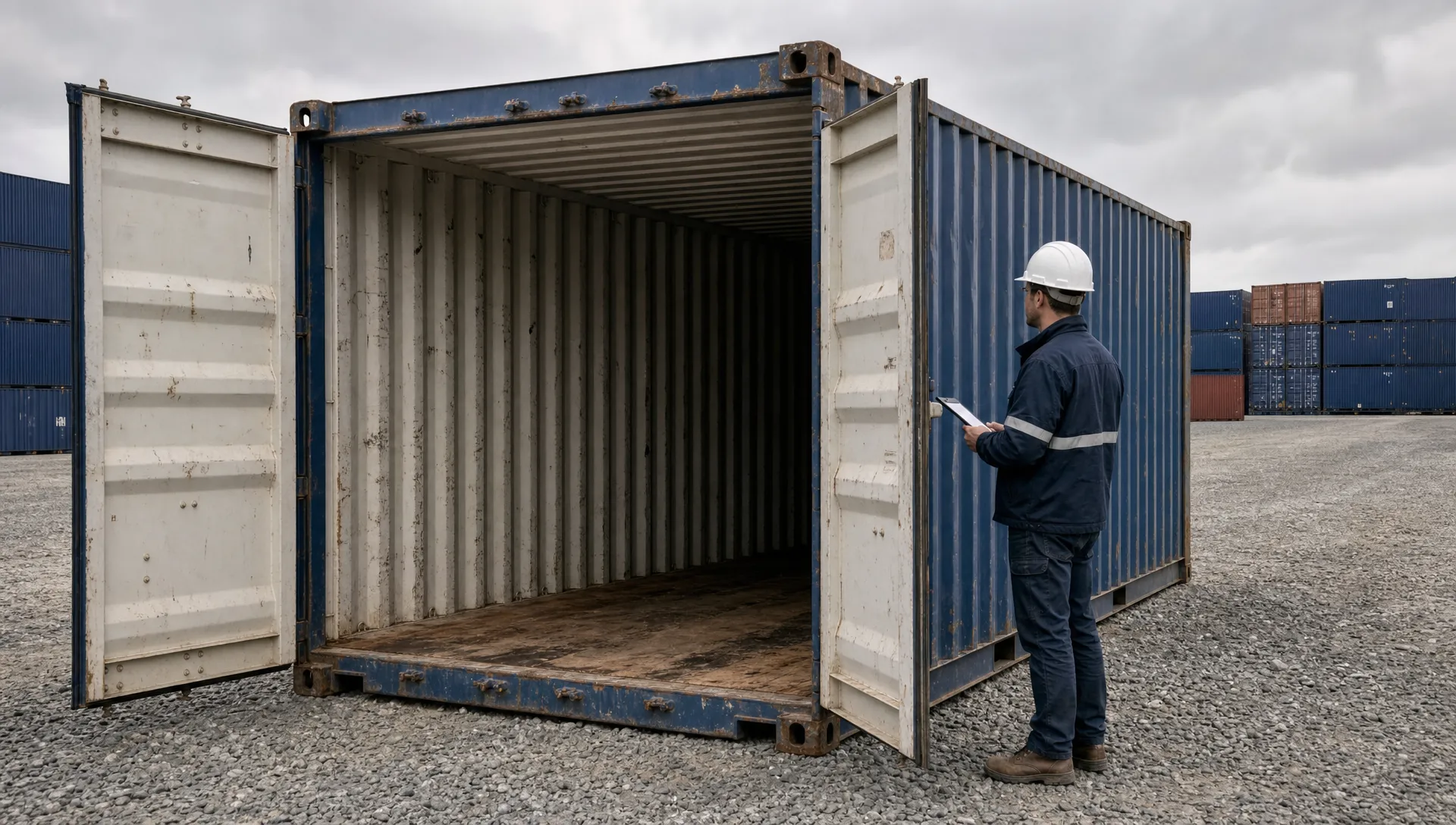
Cheap containers need a harder inspection, not a faster one. If you cannot see the unit in person, ask for current photos and video. The seller should show the exact container, not a sample from a yard.
Look at the container during daylight. Step inside, close the doors and look for pinholes in the roof or walls. If sunlight gets through, water can get through.
Use this checklist before buying an as-is or low-priced container:
- Roof: Look for dents that hold water, holes, patches and deep rust around seams.
- Doors: Open and close both doors fully. Binding doors can mean frame twist or settled ground.
- Door gaskets: Check rubber seals for cracks, missing sections and daylight around the edges.
- Floor: Look for soft spots, rot, oil stains, chemical odors and lifted plywood.
- Bottom rails: Inspect the lower side rails and crossmembers for rust-through.
- Corner posts and castings: Heavy damage here can affect lifting, stacking and resale.
- Walls: Dents are common, but sharp creases and holes can become leak points.
- ID markings: Match the container number in photos, invoice and bill of sale.
- Seller terms: Confirm whether the sale is as-is, WWT, CWO or refurbished.
For container homes, offices, cabins or retail units, be even more selective. A cheap shell can become expensive once you repair floors, straighten doors, patch leaks and prep the steel for insulation.
The Real Cost Is the Landed Cost, Not the Listing Price
A container sitting in a yard is not useful until it is placed where you need it. That is why landed cost matters more than the ad price. Landed cost includes the container, delivery, unloading, site prep and any repairs needed before use.
For a broader view of current price drivers, compare the low-end listing against this guide to shipping container cost by size and condition in 2026. If you are focused on the most common storage size, this guide to buying a 20ft shipping container without overpaying breaks down the same cost traps in more detail.
| Cost item | Why it matters | How it affects a sub-$1,000 deal |
|---|---|---|
| Container price | The amount shown in the ad | May be low because the box is damaged or far away |
| Delivery | Trucking from yard to site | Can cost as much as the container in remote areas |
| Unloading | Tilt-bed delivery, forklift or crane | Buyer may need to provide equipment for local pickup |
| Site prep | Gravel pad, blocks, drainage and access | Poor prep can cause doors to bind and floors to stay damp |
| Repairs | Patches, seals, floor work and paint | Can erase the savings from a cheap box |
| Permits and taxes | Local rules vary by city, county and state | Some sites require approval, especially for long-term use |
Delivery is where many cheap deals fail. A tilt-bed truck needs room to back in, raise the bed and slide the container into place. Soft ground, low branches, tight turns, fences and overhead wires can turn a simple drop into a problem.
If the seller expects you to pick up the container, make sure you have legal transport and proper equipment. A cargo container is not a backyard shed you can move with a pickup truck. It takes a suitable truck, trailer and often a forklift, crane or tilt-bed.
If you are comparing a cheap local listing against an inspected unit, start with the total number. Outback Shipping Containers lists new and used shipping containers for sale nationwide with delivery support, transparent pricing and lender financing (only for container homes priced above $72,000, subject to lender approval).
When a Sub-$1,000 Container Makes Sense
A cheap as-is container can make sense when the contents are low-risk and the site is flexible. The buyer also needs to accept cosmetic damage, possible repairs and limited resale value.
Good uses may include farm and ranch storage, scrap material storage, spare parts, non-sensitive construction supplies or a private workshop project. It may also work as a practice shell for welding, cutting and learning basic container conversion skills.
A sub-$1,000 container is less appealing when you need dry, secure storage right away. Furniture, tools, documents, inventory, feed, electronics and finished materials need a tighter box. Paying less upfront does not help if water damage ruins the contents.
Local rules also matter. Some counties treat a storage container as temporary equipment. Others may require zoning approval, anchoring, setbacks or a building permit. Requirements vary by state, county and city, so ask your local building or planning department before placing a container for long-term use.
When to Spend More or Walk Away
Spend more when the container is part of a business operation, rental property or long-term build. For job sites, farms, shops and small businesses, the container is often protecting equipment that costs far more than the box itself. WWT or CWO condition is usually the safer starting point.
For container homes, tiny homes, cabins and offices, the cheapest container can slow the whole project. Structural repairs, floor replacement, rust remediation and leak repair can cost more than starting with a better shell. A clean used WWT unit or one-trip container often gives builders fewer surprises.
If you plan to ship cargo, condition claims matter. The International Convention for Safe Containers is the global safety framework for containers used in international transport. For storage use, you may not need active cargo certification, but the CSC plate can still help verify basic container data.
Walk away from a sub-$1,000 listing if the seller shows these warning signs:
- Claims the unit is one-trip, high cube and delivered nationwide for under $1,000.
- Refuses to provide current photos of the exact container number.
- Pushes payment by gift card, crypto or wire with no formal invoice.
- Uses only stock images or photos from another container yard.
- Cannot explain whether the unit is as-is, WWT, CWO or refurbished.
- Says delivery is included but will not confirm your address, site access or trucking method.
If upfront cash is the real issue, do not assume the worst as-is unit is your only option. Rent-to-own or financing may spread out the cost while giving you a better container. This guide to shipping container rent-to-own monthly cost can help you compare lower upfront payments against total cost over time.
Frequently Asked Questions
Can I buy a 20ft shipping container for under $1,000?
Sometimes, but it is usually an as-is unit sold locally without delivery. A serviceable 20ft WWT or CWO container will usually exceed $1,000 once transport, taxes and placement are included. If the ad shows a clean delivered container under that number, verify the seller carefully.
Why are some shipping containers listed for $800 or $900?
Some are damaged containers, local removals, auction units or down payment ads. Others are scams that use low prices to collect deposits fast. Ask whether the amount is the full purchase price, whether delivery is included and whether the container is as-is, WWT or CWO.
Does under $1,000 include delivery?
Usually no. Delivery is often listed separately, and it depends on distance, truck type, site access and unloading method. For remote or rural sites, trucking can exceed the low container price. Always ask for a written landed cost before comparing one seller to another.
Are cheap shipping containers watertight?
Some cheap containers may still be watertight, but you should not assume it. As-is means the seller is not promising leak-free performance. Close the doors during daylight, look for roof pinholes, inspect door gaskets and check the floor before storing anything that cannot get wet.
Can I use a $1,000 container for a container home?
It is usually a poor starting point for a home unless you have repair skills, tools and a realistic budget. Home conversions need sound steel, clean floors, square doors, insulation, code compliance and permits. Local building rules vary, so check with your authority before buying.
What does cargo-worthy mean on a shipping container?
Cargo-worthy, often shortened to CWO, means the container has been inspected and found suitable for cargo use. It is a stronger condition claim than simple storage grade, but documentation matters. For international transport, ask about the CSC plate and current inspection requirements.
Ready to compare the real cost before chasing a cheap listing? Outback Shipping Containers supplies new, used and custom containers across all 50 states, including rural and remote deliveries. Start with a clear quote for shipping containers for sale nationwide so you know the container condition, delivery plan and total cost before you buy.
About Outback Shipping Containers
This guide was prepared by the Outback Shipping Containers team, based on the questions our customers ask us most when buying, modifying and taking delivery of shipping containers. Learn more about us.
Ready to find your container?
Browse our in-stock shipping containers, container homes and custom builds, or ask our team for a free quote with delivery to your site.