Shipping Container Delivery Cost Per Mile: 2026 Price Guide
By Outback Container Experts · Published July 12, 2026 · Last updated October 20, 2026
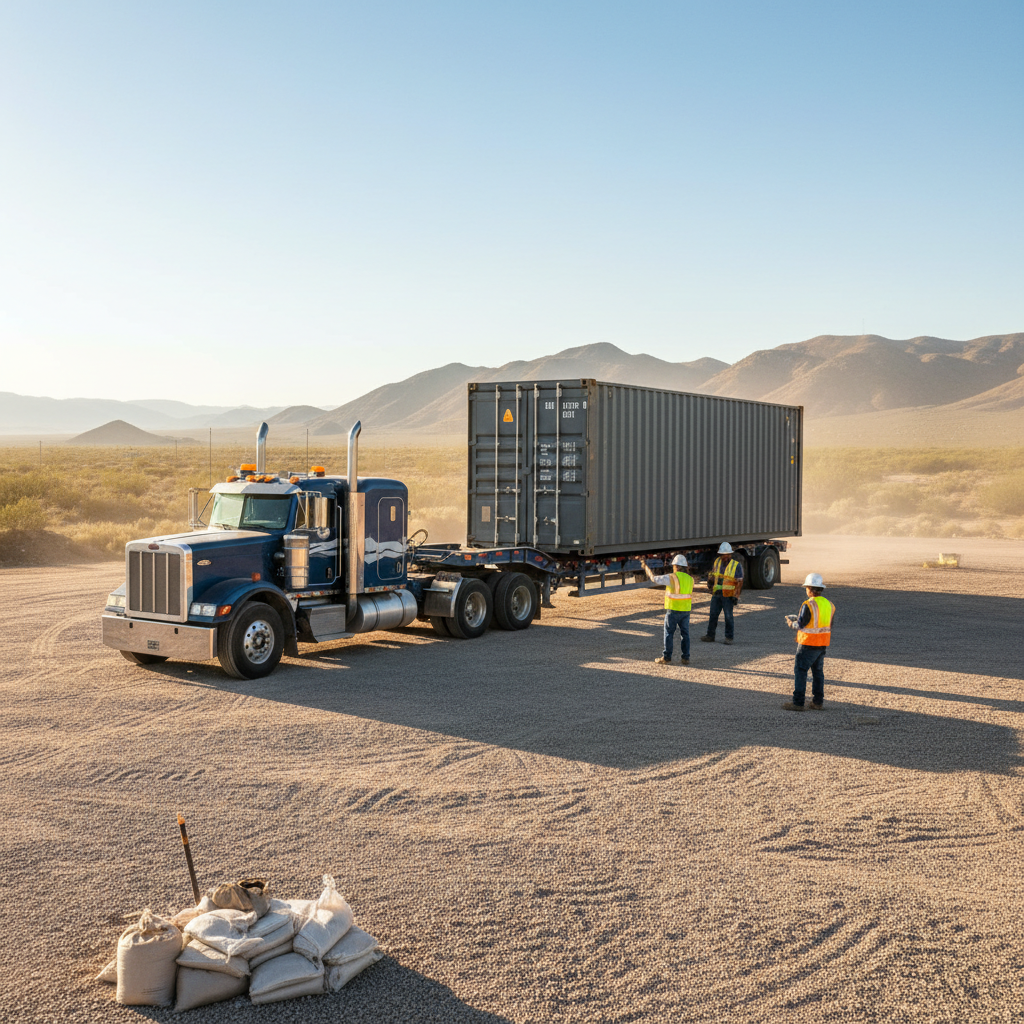
Navigating the logistics of specialized heavy equipment transport is often the difference between a successful project and a budget overrun. As of July 2026, the industry is seeing a shift in how freight is calculated. Understanding the shipping container delivery cost per mile 2026 is critical for anyone purchasing a 20ft container or a larger high-cube unit. Whether you are setting up a temporary job site office or launching a custom home build, delivery fees are influenced by fuel volatility, specialized equipment availability, and regional driver shortages.
Average Shipping Container Delivery Cost Per Mile 2026
For 2026, the standard shipping container delivery cost per mile ranges significantly based on the distance from the terminal. Local deliveries (under 50 miles) usually command a flat fee, whereas long-distance container transport is billed on a per-mile basis plus fuel surcharges. According to our latest logistics data, businesses should budget between $3.50 and $6.00 per mile for standard hauls.
| Distance Range | Estimate Per Mile (20ft) | Estimate Per Mile (40ft) | Base Loading Fee |
|---|---|---|---|
| 0 - 50 Miles | Flat $250 - $450 | Flat $350 - $600 | Included |
| 51 - 200 Miles | $4.00 - $5.25 | $4.50 - $5.75 | $100 - $150 |
| 201+ Miles | $3.50 - $4.50 | $4.00 - $5.00 | $150+ |
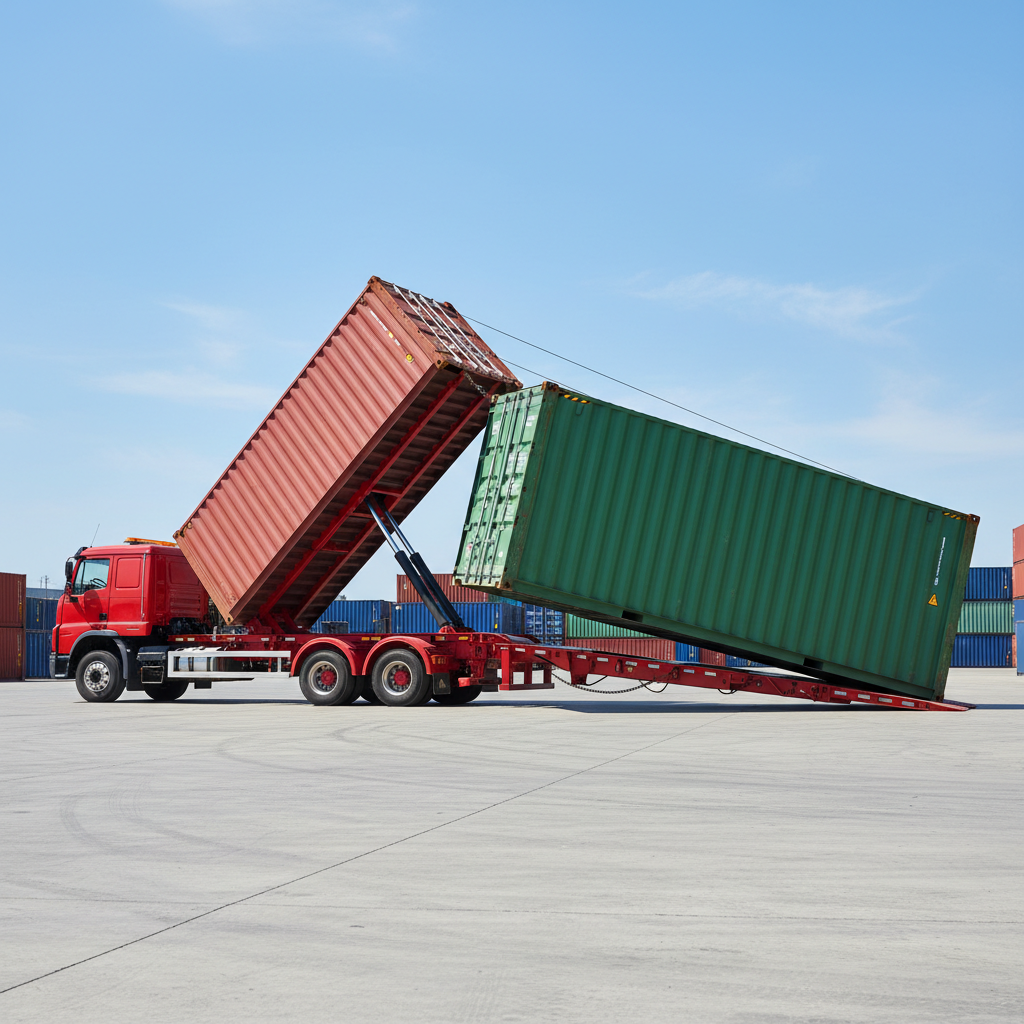
It is important to note that these figures represent the 'hauling fees for shipping containers' and do not include specialized site requirements. If you are purchasing a 20ft New Shipping Container – Wind & Watertight – Green, your delivery will likely involve a tilt-bed trailer, which allows for ground-level container delivery by sliding the unit off the rear of the truck.
Flatbed vs Tilt-Bed Delivery Cost: Which One Do You Need?
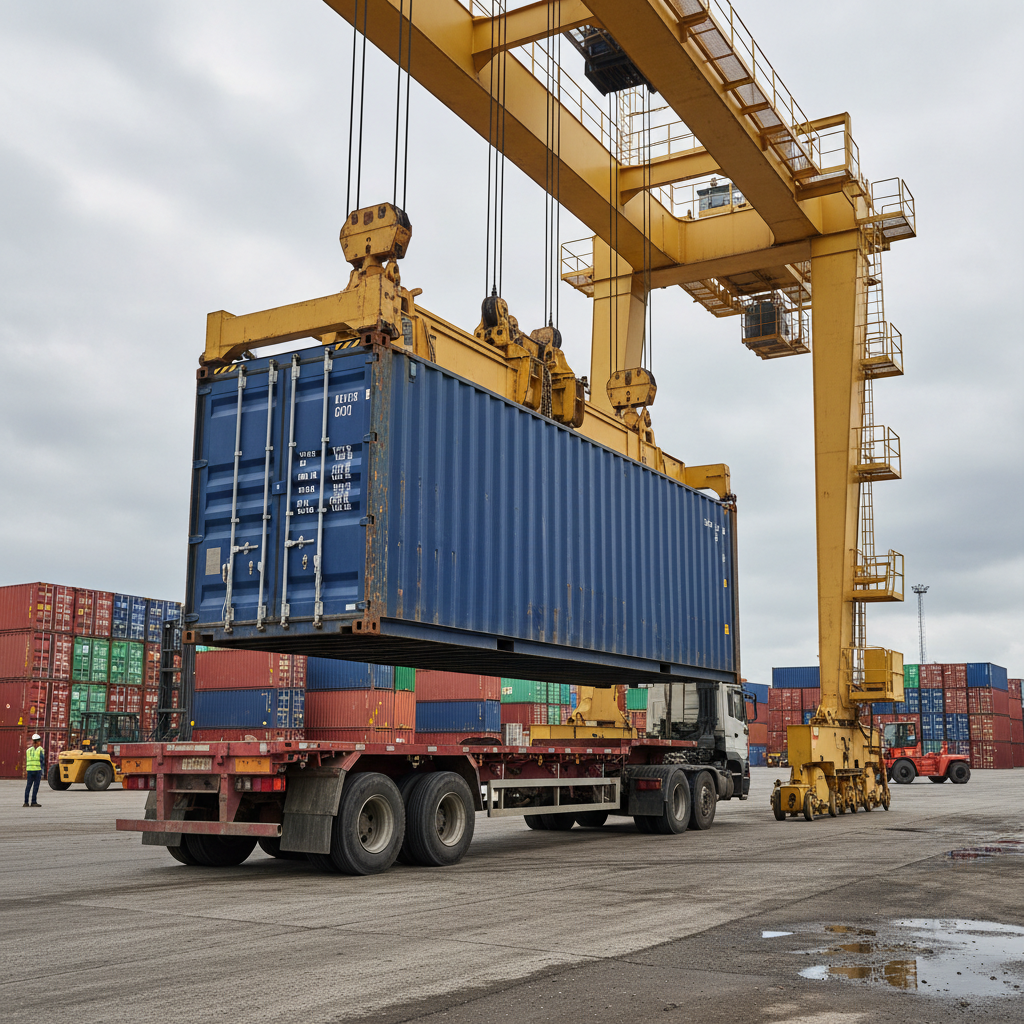
One of the most common questions we receive is why tilt-bed trailer delivery costs are higher than standard flatbed freight. The answer lies in the equipment's specialized nature. A flatbed trailer is essentially a platform; it requires a crane or a heavy-duty forklift at the destination to offload the container. This is a common requirement for bulk orders or high-volume shipyard transfers.
- Tilt-Bed Trailer: Higher per-mile cost but eliminates the need for expensive secondary equipment. Ideal for residential sites and small businesses.
- Flatbed Trailer: Lower transport rate, but you must factor in shipping container forklift requirements or crane rentals, which can exceed $500 per hour.
- Step-Deck: Often used for 40ft High Cube units to maintain legal height clearances.
Tip: For a deeper dive into the total expenditure of container ownership, including procurement and permitting, visit our Shipping Container Cost Guide: 2026 Pricing & Factors.
20ft vs 40ft Container Freight Logistics
The 40ft container freight logistics are more complex than 20ft units due to weight and turn-radius requirements. For instance, a 40ft New High Cube Shipping Container – Gray requires 120 feet of straight-line clearance to drop the unit effectively. If the site is tight, you may face additional 'dry run' fees if the driver cannot safely offload.
Regional Factors and Oversized Load Permits for Containers
Logistics are not uniform across the US. Delivering to urban areas like New York or mountainous regions in Colorado involves different price brackets. Furthermore, High Cube containers (9'6" tall) on standard trailers can sometimes exceed height limits, necessitating oversized load permits for containers in specific states. These permits generally add $100 to $300 to the total delivery invoice.
Tip: Drivers typically allow 30 to 60 minutes for offloading. If your site isn't ready and the driver is detained, expect to pay 'detention fees' ranging from $75 to $150 per hour. Ensure your ground is level and compacted before the truck arrives.
Logistics for Luxury: Delivering Container Homes
If you are investing in a high-end unit like the 40ft Kennedy Luxury Container Home, the delivery protocol is even more stringent. Because these units contain finished interiors, plumbing, and electrical systems, the 'ride quality' of the transport matters. We often recommend air-ride suspension trailers for these modular builds to prevent structural stress during long-distance transport. For more on the costs associated with these builds, view our Shipping Container Home Prices in 2026: The Complete Guide.
Hidden Fees to Watch For in 2026
When comparing quotes for shipping container delivery cost per mile 2026, ensure you ask about the following potential add-ons:
- Fuel Surcharge: Often a percentage of the total mileage rate, adjusted weekly.
- Toll Road Fees: Significant in the Northeast and California.
- Chassis Split: If the container must be picked up from a port terminal and moved to a separate location for loading.
- After-Hours Delivery: Surcharges for weekend or night-time drop-offs.
Transparency in logistics is the foundation of container ROI. If a quote seems too low, they likely haven't accounted for the final-mile site complexity.
For those looking for specialized shipping solutions, such as open-top or collapsible units, our Flat Rack Shipping Container Guide provides specific details on how those unique footprints affect hauling rates.
Container delivery near you
We deliver to every state in the lower 48 plus Alaska and Hawaii. These local pages list pricing, metro coverage and typical lead times for the areas we run into most:
- Shipping containers near me — how we source from the depot closest to your ZIP code
- Shipping containers in North Carolina — pricing and delivery to Charlotte and Raleigh
- Shipping containers in Arizona — pricing and delivery to Phoenix and Tucson
- Shipping containers in Washington — pricing and delivery to Seattle and Spokane
- Shipping containers in Tennessee — pricing and delivery to Nashville and Memphis
Frequently Asked Questions
Understanding the nuances of container delivery helps you avoid unexpected bills. Here are the most common questions regarding shipping container delivery cost per mile 2026.
Choosing the right delivery method depends entirely on your site's infrastructure. While tilt-bed delivery is the 'gold standard' for convenience, long-haul projects may find significant savings using flatbeds if a forklift is already on-site for other construction needs. Always confirm the loading direction (doors facing cab or doors facing rear) before the truck leaves the depot.
Ready to get an exact quote for your next project? Browse our extensive inventory of 40ft Containers and let our logistics team handle the heavy lifting. From site inspection tips to final placement, Lease Lane Containers ensures your delivery is seamless and cost-effective.
Frequently Asked Questions
How much is shipping container delivery per mile?
In 2026, expect to pay between $3.50 and $6.00 per mile. Prices vary based on fuel costs, the type of trailer used (tilt-bed vs. flatbed), and the size of the container.
What is the average cost to move a 40ft container?
For local moves (under 50 miles), flat rates typically range from $350 to $600. For longer distances, you can expect a base fee plus a per-mile charge of approximately $4.50 to $5.50.
Will a delivery driver level my shipping container?
Most drivers will drop the container on your prepared site, but they are not responsible for leveling it. You must ensure the ground is flat and firm (gravel, concrete, or asphalt) prior to arrival.
Do I need a crane to deliver a shipping container?
Only if you are using a standard flatbed trailer. If you choose tilt-bed delivery, the truck can slide the container directly onto the ground without a crane.
Are there hidden fees for container drop-offs?
Potential hidden fees include detention charges (for long offload times), fuel surcharges, toll fees, and 'dry run' fees if the site is inaccessible upon the driver's arrival.
How to prepare a site for container delivery?
The site must be level, clear of overhead obstructions (like power lines), and have enough 'runway' for the truck to pull out (at least 100ft for a 20ft container and 120ft for a 40ft).
What is the cheapest way to transport a container?
The most cost-effective method is usually a flatbed trailer if you already have offloading equipment on-site, as flatbed freight rates are generally lower than specialized tilt-bed rates.
Frequently asked questions
How much is shipping container delivery per mile?
In 2026, expect to pay between $3.50 and $6.00 per mile. Prices vary based on fuel costs, the type of trailer used (tilt-bed vs. flatbed), and the size of the container.
What is the average cost to move a 40ft container?
For local moves (under 50 miles), flat rates typically range from $350 to $600. For longer distances, you can expect a base fee plus a per-mile charge of approximately $4.50 to $5.50.
Will a delivery driver level my shipping container?
Most drivers will drop the container on your prepared site, but they are not responsible for leveling it. You must ensure the ground is flat and firm (gravel, concrete, or asphalt) prior to arrival.
Do I need a crane to deliver a shipping container?
Only if you are using a standard flatbed trailer. If you choose tilt-bed delivery, the truck can slide the container directly onto the ground without a crane.
Are there hidden fees for container drop-offs?
Potential hidden fees include detention charges (for long offload times), fuel surcharges, toll fees, and 'dry run' fees if the site is inaccessible upon the driver's arrival.
How to prepare a site for container delivery?
The site must be level, clear of overhead obstructions (like power lines), and have enough 'runway' for the truck to pull out (at least 100ft for a 20ft container and 120ft for a 40ft).
What is the cheapest way to transport a container?
The most cost-effective method is usually a flatbed trailer if you already have offloading equipment on-site, as flatbed freight rates are generally lower than specialized tilt-bed rates.
About Outback Container Experts
This guide was prepared by the Outback Shipping Containers team, based on the questions our customers ask us most when buying, modifying and taking delivery of shipping containers. Learn more about us.
Ready to find your container?
Browse our in-stock shipping containers, container homes and custom builds, or ask our team for a free quote with delivery to your site.