Shipping Container Homes for Sale: What to Compare
By Outback Shipping Containers · Published July 26, 2026 · Last updated October 18, 2026
Shipping Container Homes for Sale: What to Compare
If you are comparing shipping container homes for sale, compare the finished living structure, not just the cargo container. The right choice depends on container condition, size, insulation, code compliance, delivery access, and total installed cost. A low sticker price can become expensive if it excludes engineering, utilities, foundation work, permits, or site prep.
Quick Answer: The best shipping container home is the one with documented container condition, engineered wall openings, climate-appropriate insulation, a clear delivered price, and realistic permit support for your city or county.
Key Takeaways
- Compare the full scope: container, conversion work, delivery, foundation, utilities, permits, and interior finishes.
- A 20ft container home is easier to place and move, while a 40ft or 40ft high cube gives more livable space.
- One-trip containers are cleaner and easier to convert, but inspected used CWO or WWT units can work for budget builds.
- Permits and zoning rules vary by location, so check local requirements before buying.
- Ask for exact specifications, photos, condition grade, delivery plan, and what is excluded from the quote.
How to Compare Shipping Container Homes for Sale
Most buyers start by looking at price and floor plan. That is normal, but it is not enough. A shipping container home is part structure, part modular build, part real estate project. Each piece affects your final cost and risk.
Start with five core questions:
- What container size and condition grade is being used?
- Is the home a shell, partially finished unit, or turnkey build?
- Are structural cuts engineered and reinforced?
- Does the design fit your local climate and building code path?
- What does the delivered, set-in-place price include?
A conex box can be a strong base for a small home because it was designed as an intermodal container. But once you cut large openings for doors, windows, or sliding glass, you change how the steel shell carries load. Good sellers understand this and can explain how they reinforce the unit.
For a first-time buyer, the safest comparison is not “which home looks best online?” It is “which seller gives me the clearest path from purchase to a permitted, usable structure on my land?”
Compare Container Size, Layout, and Livable Space
Shipping containers are standardized, but they are not all the same once you build inside them. Framing, insulation, wall panels, plumbing, electrical, and HVAC reduce usable space. A floor plan that looks roomy in a drawing may feel tight after buildout.
Standard ISO container dimensions come from international freight standards such as ISO 668, which covers Series 1 freight container classification, dimensions, and ratings. Exact interior dimensions vary by manufacturer, so always check the unit specs.
| Starting container | Common exterior size | Approx. interior floor area before buildout | Best fit | Watchouts |
|---|---|---|---|---|
| 20ft standard | 20 ft x 8 ft x 8 ft 6 in | About 145 to 150 sq ft | Studio, office, guest suite, cabin, rental add-on | Limited room for separate bedroom and full kitchen |
| 40ft standard | 40 ft x 8 ft x 8 ft 6 in | About 300 to 305 sq ft | Tiny home, one-bedroom layout, rental cabin | Needs more delivery space and a longer foundation |
| 40ft high cube | 40 ft x 8 ft x 9 ft 6 in | About 300 to 305 sq ft | Better ceiling height, loft feel, stronger comfort after insulation | Usually costs more than a standard-height unit |
| Two-container layout | Varies by plan | About 600 sq ft before buildout with two 40ft units | Wider living area, bedroom separation, family use | More engineering, foundation, roof, and utility planning |
A high cube container is often worth comparing for living space. The extra foot of exterior height helps after ceiling insulation, lighting, and finished flooring are installed. That added headroom can make a small home feel less like a corridor.
20ft vs. 40ft container homes
A 20ft shipping container home is easier to deliver to tight sites. It can work well for a backyard office, hunting cabin, guest room, or simple studio. It also limits your design choices. A bathroom, kitchenette, bed, and storage can fit, but every inch matters.
A 40ft container home gives you more flexibility. You can separate sleeping and living zones, add a larger bathroom, or create a more comfortable rental unit. The tradeoff is site access. A 40ft container needs more room for the truck, trailer, and unloading equipment.
If you are still learning container sizes, door openings, and interior measurements, Outback’s guide to shipping container dimensions for buyers is a useful reference before you compare floor plans.
Compare New, One-Trip, Used, CWO, and WWT Containers
The container’s condition matters more for a home than it does for basic storage. Surface dents may not matter much for a farm storage unit, but corrosion, floor contamination, roof damage, or heavy repairs can create problems in a living space.
Common condition terms include:
- One-trip: A newer container that has usually made one cargo trip from the manufacturer. It tends to have fewer dents, cleaner floors, and better paint.
- Cargo-worthy, or CWO: A used container that can still carry cargo under inspection standards. It may have cosmetic wear but should remain structurally sound.
- Wind and watertight, or WWT: A used container that should keep out normal wind and rain but may not be suitable for international cargo movement.
- Refurbished: A used container that has been repaired and repainted. Confirm what repairs were done.
- As-is: A container sold without strong condition guarantees. This is risky for a home conversion.
For a home, one-trip units are often easier to work with. They reduce unknowns. They also look better if parts of the steel exterior will remain visible.
Used containers can still make sense. Many budget-minded buyers choose inspected CWO or WWT containers for cabins, workshops, and small homes. The key is documentation. Ask for current photos, condition grade, and notes on rust, floor condition, roof patches, door seals, and previous modifications.
If you are deciding whether the savings are worth it, compare the details in Outback’s guide to new vs. used shipping containers for every budget before choosing a base unit.
What to inspect before buying
You do not need to be a structural engineer to spot obvious problems. You do need to slow down and ask for specifics.
Look for these issues:
- Deep rust at bottom rails, corner posts, and roof seams
- Soft or damaged flooring
- Door gaskets that are cracked, loose, or missing
- Large dents near structural members
- Signs of roof ponding or interior leaks
- Poorly cut openings without visible reinforcement
- Unknown chemical spills or strong odors
Also ask about the CSC plate if the container still has one. It can show manufacturer data, gross weight rating, tare weight, and payload capacity. A typical 20ft dry container may have a tare weight around 4,800 pounds, while a typical 40ft unit may be around 8,000 to 8,800 pounds. Exact numbers vary, so verify the plate and specs for the unit you are buying.
Compare Build Quality, Insulation, and Mechanical Systems
A container home lives or dies by its build details. Steel is strong, but it also conducts heat and cold. Without the right insulation and moisture control, a container conversion can feel hot in summer, cold in winter, or damp in humid climates.
Structural reinforcement
Every major cut should have a plan. Doors, windows, pass-throughs, and wall removals weaken the corrugated steel shell. Reinforcement may include steel tube framing, header systems, welded supports, or engineered connection details.
Ask the seller:
- Which openings are structural?
- How are openings reinforced?
- Are welds, frames, and fasteners protected from corrosion?
- Can the design be reviewed by a local engineer if required?
This is especially important for multi-container homes. When containers are joined side by side, the wide interior opening often needs stronger support than buyers expect.
Insulation and vapor control
Insulation should match your climate. A container home in Arizona has different needs than one in Minnesota, Florida, or the Colorado mountains. Spray foam, rigid foam board, mineral wool, and framed cavity systems can all work, but each has tradeoffs.
The main goal is to control temperature and condensation. Warm interior air can hit cold steel and create moisture. Over time, that can damage finishes and create mold risk.
A good quote should explain:
- Insulation type and approximate R-value
- Whether walls, ceiling, and floor are insulated
- How condensation is controlled
- Whether thermal breaks are used
- What interior wall finish is included
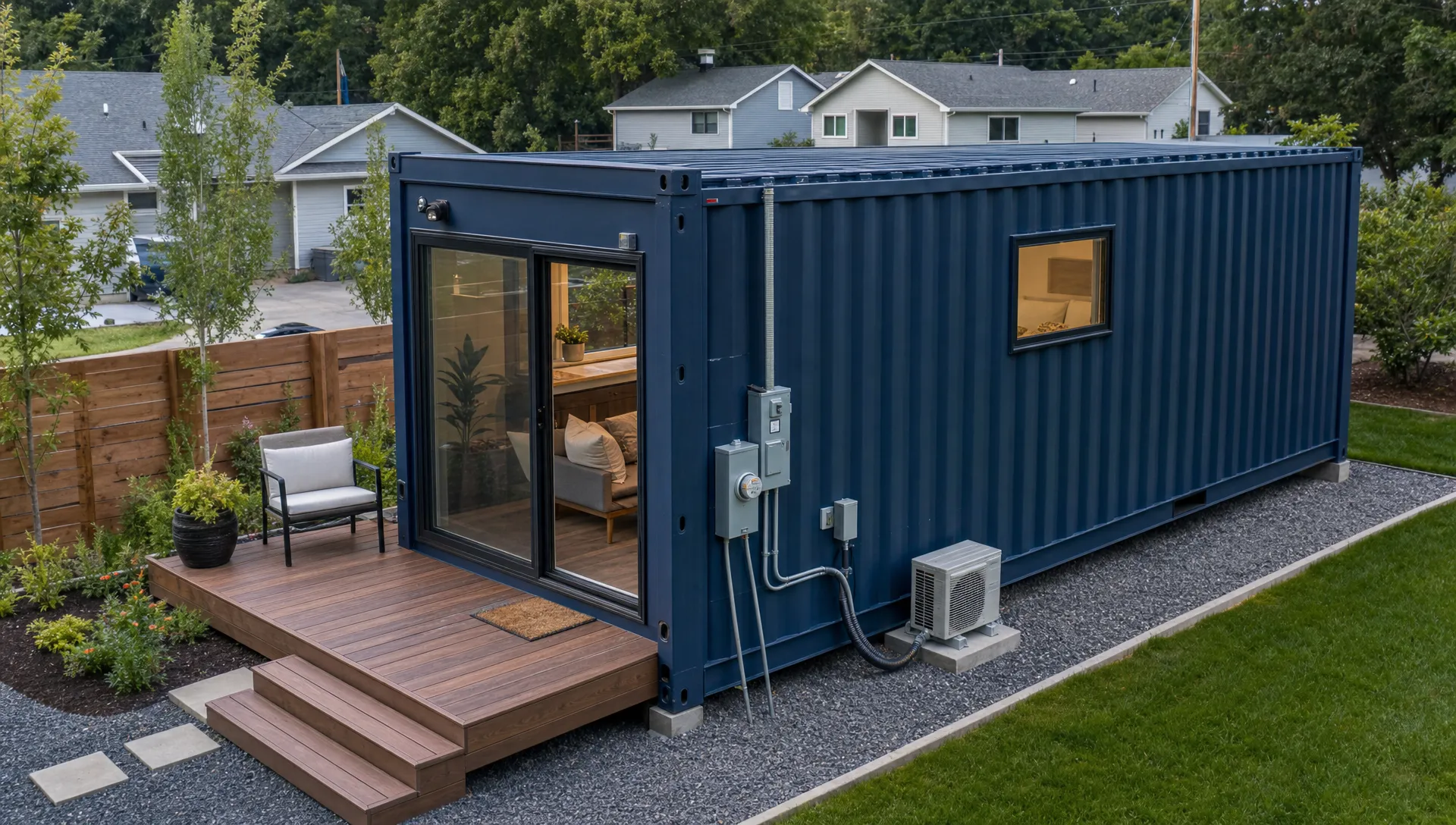
Electrical, plumbing, HVAC, and ventilation
Do not assume a container home includes complete utilities. Some units are shells. Others include rough-ins only. A turnkey unit may include finished electrical, plumbing fixtures, water heater, HVAC, cabinetry, and appliances.
For electrical work, ask whether the panel, outlets, lighting, smoke alarms, and exterior connections are included. For plumbing, ask where supply, drain, and vent connections exit the unit. For HVAC, ask what system is sized for the insulated space.
Ventilation matters too. A small steel home can trap humidity from showers, cooking, and breathing. Bathroom fans, range ventilation, and fresh air planning are not extras. They are part of comfort and durability.
Compare Permits, Zoning, and Code Readiness
Permits are local. A container home that works in one county may not be allowed in another. Before you pay a deposit, call your local building department and zoning office. Ask whether shipping container homes, modular homes, accessory dwelling units, cabins, or tiny homes are allowed on your parcel.
The International Code Council includes provisions for intermodal shipping containers in the building code, but adoption and enforcement vary by state and local jurisdiction. Your local authority has the final say.
Important questions include:
- Is residential use allowed on the parcel?
- Is the unit treated as a modular home, site-built home, ADU, or accessory structure?
- Are stamped plans required?
- What foundation is acceptable?
- Are wind, snow, seismic, flood, or wildfire rules involved?
- Is utility hookup allowed at the site?
For rural land, do not assume fewer rules means no rules. Septic, well, driveway access, floodplain maps, fire setbacks, and electrical service can all affect your project.
Foundation and anchoring
A shipping container home still needs a foundation. Common options include concrete piers, slab foundations, strip footings, helical piles, and engineered steel supports. The right choice depends on soil, slope, frost depth, local code, and home layout.
Anchoring is also important. Containers are heavy, but wind uplift and lateral movement still matter, especially in hurricane, tornado, and high-wind regions. If a seller claims “no foundation needed,” ask what code path supports that statement.
Compare Total Cost, Financing, and What Is Included
The lowest advertised price is rarely the true project cost. A fair quote should show the container home cost plus the costs that happen before and after delivery.
Outback Shipping Containers offers transparent online shopping, instant quotes, lender financing (only for container homes priced above $72,000, subject to lender approval), and nationwide delivery for shipping containers and modular builds. Still, every buyer should compare scope carefully because container home projects vary by finish level, site conditions, and local requirements.
| Cost category | What to compare | Why it matters |
|---|---|---|
| Base container | Size, grade, one-trip vs. used, high cube vs. standard | Sets the starting structure and condition risk |
| Conversion work | Framing, cutouts, reinforcement, insulation, windows, doors | Drives quality, comfort, and code readiness |
| Interior finish | Flooring, wall panels, cabinetry, bath, kitchen, fixtures | Changes the home from a shell to a livable unit |
| Utilities | Electrical panel, plumbing rough-ins, HVAC, water heater | Often excluded from low base prices |
| Delivery | Freight distance, offload method, site access, permits | Remote and tight sites can add cost |
| Site work | Foundation, grading, driveway, trenching, septic, well, power | Usually handled outside the container purchase |
| Permits and design | Plans, engineering, inspections, local fees | Required in many residential projects |
For current cost planning, use Outback’s 2026 shipping container home prices guide to compare line items instead of relying on a single advertised number.
Shell vs. finished vs. turnkey
A shell is the least finished option. It may include the container, openings, windows, doors, and basic framing. It is best for skilled DIY buyers who can manage trades and permits.
A partially finished home may include insulation, interior walls, electrical rough-in, or plumbing rough-in. This can save time, but you need a clear scope so you know what remains.
A turnkey container home is the most complete option. It may be closer to move-in ready, but the word “turnkey” is not universal. Always ask exactly what is included. Appliances, utility connections, foundation, decks, septic, and local inspections may still be outside the quote.
Compare Delivery, Offloading, and Site Access
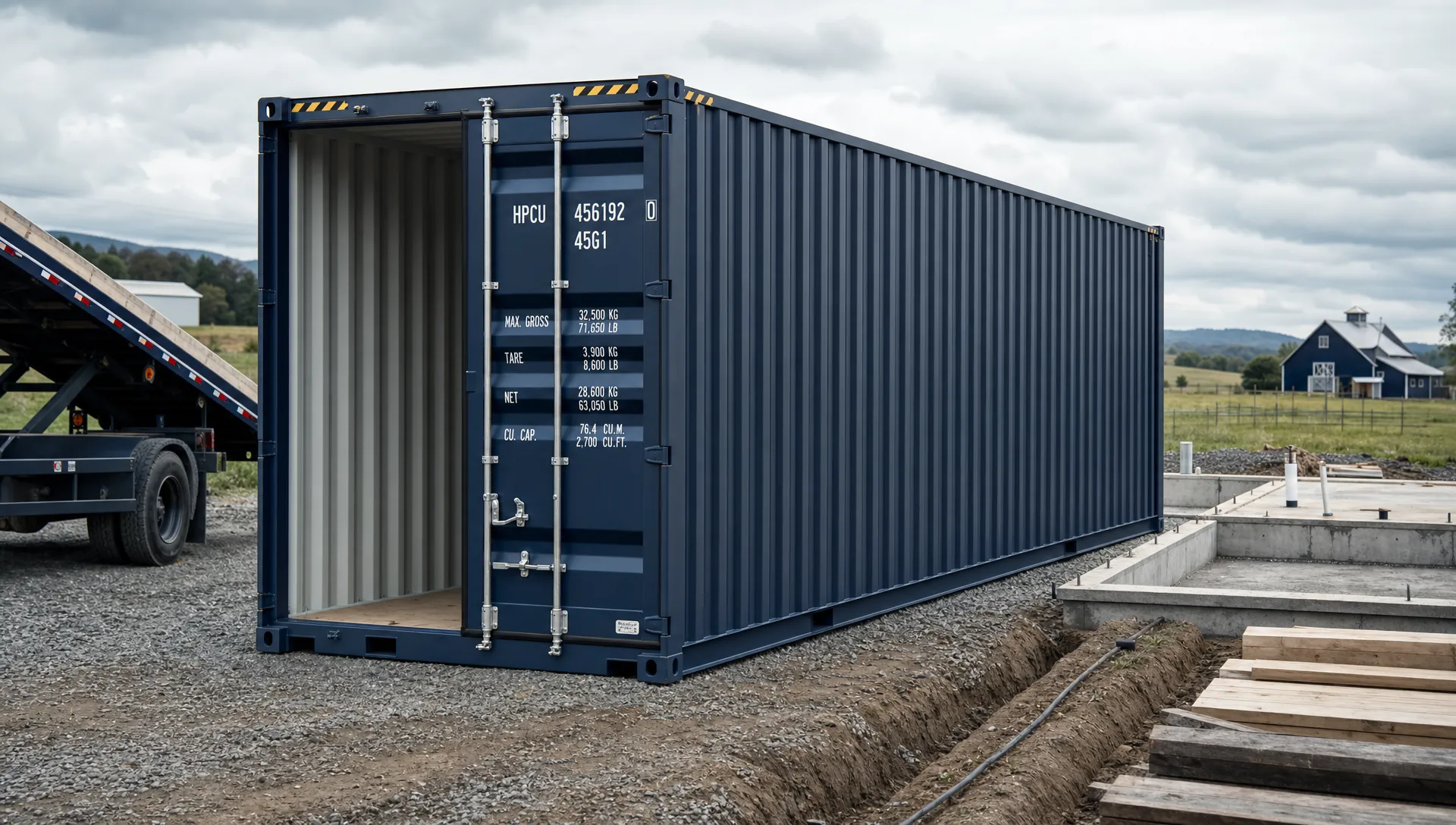
Delivery can make or break a container home purchase. A 40ft container home is large, heavy, and difficult to place without the right equipment. The truck needs space to turn, back up, and unload. Rural roads, low branches, overhead wires, soft ground, steep grades, and narrow gates can all cause problems.
Before you buy, confirm:
- Road width and driveway access
- Gate openings and turn radius
- Overhead clearance from trees and power lines
- Ground firmness for truck and equipment
- Whether a tilt-bed, crane, forklift, or other offload method is needed
- Final orientation of doors, windows, and utility connections
A tilt-bed truck can slide a container off the trailer, but it needs a long, straight area. Crane delivery costs more, but it can place a unit over obstacles or onto a prepared foundation. Some sites require local escorts, temporary road work, or separate equipment.
This is where an experienced nationwide supplier helps. Outback Shipping Containers serves all 50 states, including remote and rural delivery, and supports buyers through delivery logistics. That matters if your site is a ranch, mountain lot, construction property, or undeveloped parcel.
If you are comparing a compact starter layout, review the Custom 20ft Shipping Container House as a real example of the kind of specifications, dimensions and delivery notes buyers should review before choosing a unit.
Red Flags When Comparing Sellers
Most container home problems start with vague information. A seller may show attractive photos but leave out the container grade, structural details, delivery terms, or exclusions. That puts the risk on you.
Be cautious if you see these red flags:
- No clear condition grade for the base container
- No current photos of the actual unit or build stage
- No explanation of insulation or condensation control
- No detail on structural reinforcement around cutouts
- “Permit ready” claims without local context
- Delivery price not included or not estimated
- Pressure to pay by unusual methods
- No written warranty or condition guarantee
- Refusal to explain exclusions
A reliable seller should welcome detailed questions. They should explain what is included, what is not included, and what you must verify locally.
Questions to ask before paying a deposit
Use these questions when comparing shipping container homes for sale:
- What is the exact container size, condition grade, and age if known?
- Is the unit one-trip, CWO, WWT, refurbished, or as-is?
- What structural reinforcement is added around windows and doors?
- What insulation type and R-value are used in walls, roof, and floor?
- What electrical, plumbing, HVAC, and ventilation work is included?
- Are drawings, engineering, or stamped plans available if my county asks for them?
- What delivery method is included in the quote?
- What foundation type is assumed?
- What items are excluded from the advertised price?
- What financing options are available?
Keep the answers in writing. A clear written scope helps you compare sellers fairly and reduces surprises after delivery.
Match the Home Type to Your Use Case
Not every buyer needs the same level of finish. A backyard office, Airbnb cabin, guest house, hunting camp, and full-time residence each have different requirements.
For a backyard office, focus on insulation, electrical, HVAC, windows, and local accessory structure rules. Plumbing may not be needed. A 20ft unit may be enough.
For a short-term rental, focus on guest comfort, durable finishes, code compliance, privacy, storage, and photos that match the real experience. A 40ft high cube often feels better for rental use because of the extra ceiling height.
For full-time living, compare a wider scope. You need proper kitchen and bath planning, laundry options, mechanical space, storage, utilities, foundation, emergency egress, and long-term maintenance access.
For remote land, delivery and utilities may matter more than the container itself. A cheap home can become expensive if the driveway, power, septic, or well plan is not ready.
Frequently Asked Questions
Are shipping container homes cheaper than regular homes?
They can be cheaper for small, simple layouts, especially when site work is controlled. But the container is only one part of the cost. Foundation, permits, insulation, HVAC, plumbing, electrical, delivery, and finishes can raise the total. Compare total installed cost, not just the container price.
What should I look for when buying a shipping container home?
Look for container condition, structural reinforcement, insulation details, utility scope, delivery terms, and permit readiness. Ask whether the unit is one-trip, CWO, WWT, or refurbished. Also confirm what is excluded, such as foundation, utility hookups, appliances, decks, inspections, and local permit fees.
Do you need a permit for a shipping container home?
Usually, yes, if it will be used as a residence or occupied structure. Requirements vary by city, county, and state. Some areas treat container homes like modular homes, site-built homes, ADUs, or accessory structures. Always check zoning and building rules before buying.
Is a 20ft or 40ft container better for a home?
A 20ft container works well for a studio, office, cabin, or guest room. A 40ft container gives more space for a bathroom, kitchen, storage, and separate sleeping area. A 40ft high cube is often more comfortable because the extra height helps after insulation and ceiling finishes.
Can shipping container homes be financed?
Financing depends on the seller, project type, location, and whether the home is treated as personal property, modular construction, or real estate. Outback Shipping Containers offers lender financing only for container homes priced above $72,000, subject to lender approval.
How long do shipping container homes last?
A well-built container home can last for many years when it is properly insulated, ventilated, painted, flashed, and maintained. The biggest threats are trapped moisture, untreated rust, poor roof drainage, and bad cutout reinforcement. Condition at purchase and quality of conversion work matter most.
Ready to Compare Real Container Home Options?
A good container home purchase starts with clear specs and honest logistics. Compare size, condition, build quality, permits, delivery, and total cost before you choose a seller.
Outback Shipping Containers supplies new, used, and custom container solutions nationwide, including container homes, modular offices, workshops, pools, and custom builds. If you are ready to compare options for your land or project, start with Outback Shipping Containers and review current availability, quotes and delivery options. Lender financing is available only for container homes priced above $72,000, subject to lender approval.
About Outback Shipping Containers
This guide was prepared by the Outback Shipping Containers team, based on the questions our customers ask us most when buying, modifying and taking delivery of shipping containers. Learn more about us.
Ready to find your container?
Browse our in-stock shipping containers, container homes and custom builds, or ask our team for a free quote with delivery to your site.