Shipping Container Home Prices in 2026: The Complete Guide
By Outback Shipping Containers · Published July 10, 2026 · Last updated October 20, 2026
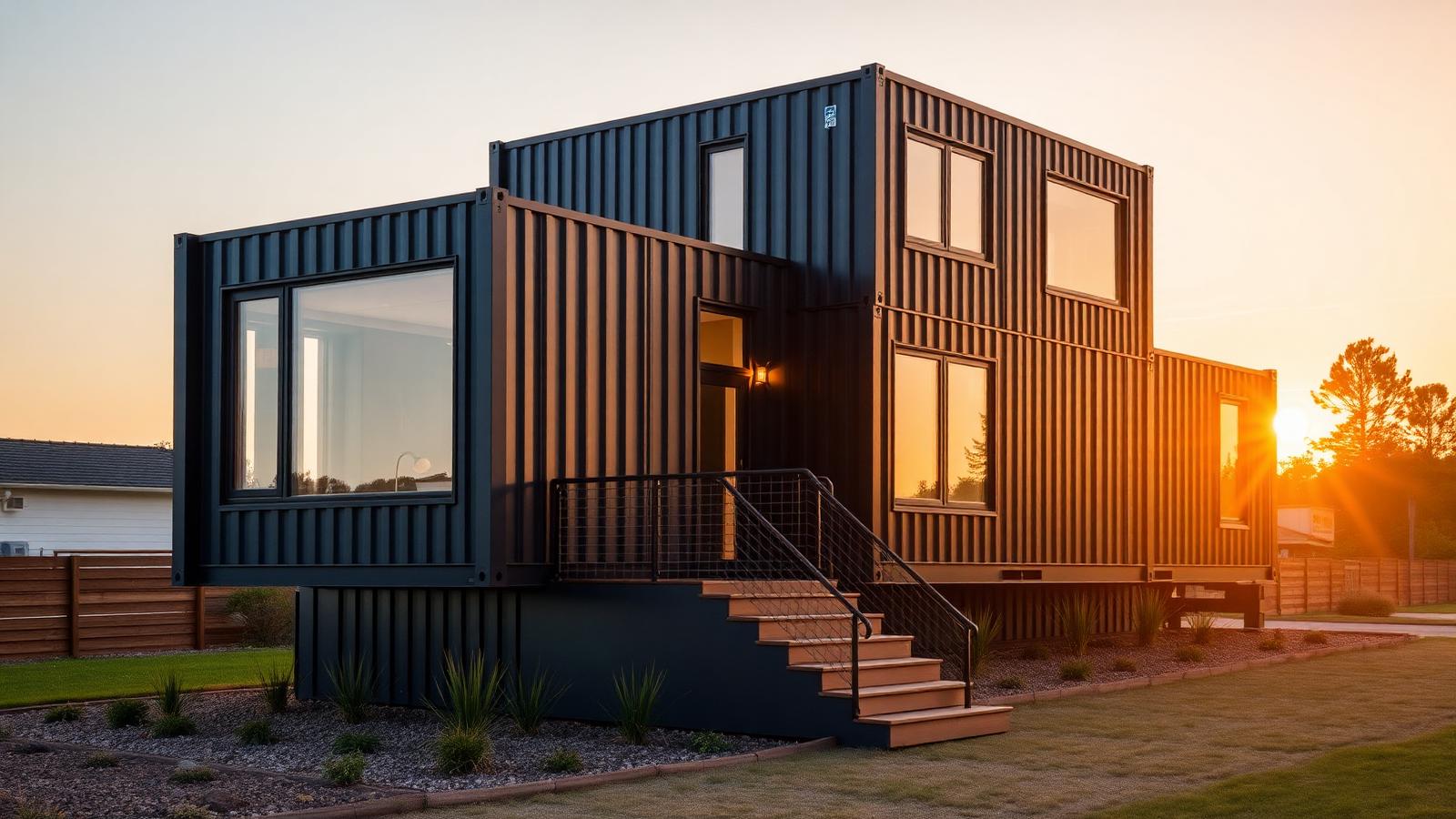
As we move further into 2026, the appeal of shipping container homes continues to grow beyond a niche architectural curiosity into a mainstream housing solution. The promise of faster construction, modern aesthetics, and potential cost savings is compelling. However, understanding the true shipping container home prices 2026 requires a look beyond the initial cost of the steel box. A realistic budget accounts for the container itself, extensive modifications, site preparation, utility connections, and interior finishing.
This comprehensive guide is designed to provide clarity on the total investment required to build a shipping container home in the current US market. We will break down every cost component, from the raw container to the final coat of paint, and compare turnkey prefabricated models with custom DIY projects. Whether you're dreaming of a minimalist tiny home like the [20ft Ezra turnkey tiny house](/product/20ft-ezra-container-home) or a sprawling multi-container family residence, this article will equip you with the knowledge to budget effectively and avoid costly surprises.
The Core Component: Shipping Container Costs in 2026
The first line item in your budget is the container itself. Prices fluctuate based on global shipping demand, steel prices, and local availability. By 2026, the market has stabilized, but variations remain. You have a primary choice between new ('one-trip') and used containers. One-trip containers have made a single journey from Asia carrying cargo and are in near-perfect condition, making them ideal for homes where structural integrity and minimal cosmetic repair are priorities.
Used containers, which have been in service for 10-15 years, are a more budget-friendly option. However, they will have dents, rust, and possible remnants of their former cargo. A thorough inspection is crucial to ensure the unit is wind and watertight and hasn't carried hazardous materials. Expect to spend more time and money on sandblasting, rust treatment, and structural reinforcement. For residential builds, we often recommend one-trip containers to ensure a clean, solid foundation for your home.
- Used 20ft Container: $2,500 - $4,500. A good starting point for a tiny home project, but will require significant prep work.
- New (One-Trip) 20ft Container: $4,500 - $6,500. Our most popular
[20ft shipping containers](/shop?category=20ft+Containers)for small builds, offering a pristine shell. - Used 40ft Container: $4,000 - $6,500. Offers more space (320 sq. ft.) but can have more wear and tear.
- New (One-Trip) 40ft Container: $7,000 - $9,500. The gold standard for residential builds, providing a clean, spacious canvas. Check out our
[40ft shipping containers](/shop?category=40ft+Containers).
These prices are for the container only and do not include delivery. Location is a major factor; costs are generally lower near major port cities (e.g., Los Angeles, Houston, Newark) and higher in landlocked states due to inland transportation costs. You can explore options by browsing our current inventory to see what's available.
Turnkey vs. Shell Homes: A Major Cost Driver
Once you have the container, the next major decision impacting your budget is whether to buy a prefabricated, turnkey home or a basic shell to finish yourself (or with a general contractor). This choice represents the classic build-vs-buy dilemma and has significant financial implications.
A turnkey container home arrives on-site virtually complete. It includes framing, insulation, electrical, plumbing, windows, doors, flooring, fixtures, and often even appliances. These are built in a controlled factory environment, reducing weather delays and improving quality control. The price is higher upfront but offers predictability and speed. Our [container homes collection](/shop?category=Container+Homes) features a range of turnkey options, from studios to multi-bedroom layouts.
A shell is a modified container with the basic structural cutouts for doors and windows, and sometimes includes framing and insulation. This is the starting point for a DIY or custom build. While the initial cost is much lower, you are responsible for managing and funding all subsequent construction phases, including hiring subcontractors for plumbing, electrical, and HVAC. This path offers maximum customization but requires significant time, project management skills, and a firm grip on your budget.
| Feature | Shell Home | Turnkey Home |
|---|---|---|
| Initial Cost | Low ($15,000 - $40,000) | High ($65,000 - $250,000+) |
| What's Included | Container, structural cuts, sometimes framing/windows | Everything: insulation, plumbing, electrical, finishes, fixtures |
| Customization | Very High | Limited to builder options |
| Project Timeline | Long (6-12+ months) | Short (2-4 months production + delivery) |
| Effort Required | High (act as general contractor) | Low (make design selections) |
Analyzing the Full Picture: All-In Shipping Container Home Prices 2026
To truly understand the cost, you must look at the 'all-in' price, which includes the land, site prep, foundation, utilities, delivery, and the home itself. While land prices vary too dramatically to include, the table below gives a realistic estimate for the total project cost, assuming you already own the land. These prices reflect the 2026 market for a complete, move-in-ready home.
| Build Size | Typical Configuration | Average All-In Cost Range (DIY / Custom) | Average All-In Cost Range (Turnkey Prefab) |
|---|---|---|---|
| Tiny Home | 1 x 20ft or 1 x 40ft (160-320 sq. ft.) | $85,000 - $160,000 | $110,000 - $190,000 |
| Mid-Size Home | 2-3 x 40ft (640-960 sq. ft.) | $190,000 - $350,000 | $220,000 - $400,000 |
| Large Home | 4+ Containers (1280+ sq. ft.) | $300,000 - $600,000+ | $380,000 - $750,000+ |
As you can see, a turnkey solution like the [40ft Kennedy 1BR container home](/product/40ft-kennedy-luxury-container-home) might have a higher purchase price than a shell, but the all-in costs begin to converge when you factor in the labor, materials, and management needed for a custom build. The ranges account for differences in finish quality, site complexity, and regional labor costs.
'Hidden' Costs: Site Prep, Foundation & Utilities
The most common reason for budget overruns is underestimating site-specific costs. These expenses are incurred before your container even arrives. Site preparation can include clearing trees, grading the land for proper drainage, and building an access road for heavy machinery. This can range from a few thousand dollars for a clear, flat lot to $20,000 or more for a challenging, sloped, or wooded site.
Your home needs a solid foundation. The type you choose will depend on your soil conditions, climate, and budget.
- Concrete Slab: A full concrete base. Offers great stability but is more expensive. Cost: $8,000 - $20,000.
- Pier Foundation: A series of concrete piers elevate the container off the ground. This is a cost-effective and popular option, ideal for sloped lots. Cost: $5,000 - $12,000.
- Basement/Crawl Space: The most expensive option but provides additional storage or living space. Cost: $25,000 - $70,000+.
Important: Utility hookups are a major variable. If your land is on raw, undeveloped land ('off-grid'), bringing in electricity, water (well), and a septic system can easily cost $25,000 - $75,000+. For a suburban lot with existing utilities at the street, the connection fees will be much lower, typically $5,000 - $15,000.
Permits, Zoning, and Professional Fees
Navigating bureaucracy is a non-negotiable part of the building process. Before you even [browse our full shipping container catalog](/shop), you must research your local zoning ordinances. Some municipalities have specific restrictions against container homes or fall into a gray area. Others are very welcoming, especially those with updated codes for modular and alternative dwellings. Start by talking to your local planning department.
Once you confirm you can build, you'll need a building permit. This requires submitting detailed plans. You will likely need to hire professionals to create these documents. An architect or designer can craft the layout and aesthetic ($5,000 - $15,000), and a structural engineer will need to review and stamp the plans to certify that the modifications (like cutting out large wall sections) maintain structural integrity ($1,000 - $4,000). The permit fees themselves can range from $500 to $5,000 depending on the project's scope. Building codes are critical here; make sure your plans adhere to standards set by bodies like the International Code Council (ICC).
Interior Systems: Insulation and HVAC
A steel box is an excellent conductor of heat, meaning it gets extremely hot in the summer and freezing cold in the winter without proper insulation. This is not an area to cut corners. The goal is to create a 'thermal break' to stop outside temperatures from transferring through the metal walls. Closed-cell spray foam is the most effective but also the most expensive option ($6 - $10 per square foot of wall). It acts as an air and vapor barrier and provides excellent R-value per inch. Rigid foam panels are a more DIY-friendly and affordable alternative ($3 - $5 per sq. ft.).
Tip: For a healthy living environment, pair high-quality insulation with good ventilation. This prevents moisture buildup and ensures good indoor air quality. Check out resources from the EPA on indoor air quality for best practices. If you're unsure about the best approach for your climate,
[contact our team for a quote](/contact)and we can advise on options within our custom builds.
Heating, Ventilation, and Air Conditioning (HVAC) is equally vital. For the compact, well-insulated spaces of container homes, ductless mini-split systems are a perfect fit. They are highly efficient and allow for zone control. A single-zone system for a tiny home might cost $3,500 - $6,000 installed, while a multi-zone system for a larger home could be $8,000 - $18,000. In-floor radiant heating is a luxurious but costly upgrade.
Delivery and Placement Costs
Getting the container to your property involves specialized equipment. Delivery is typically charged per mile from the container depot. Expect to pay between $4 and $8 per mile for a tilt-bed truck, which can slide the container onto the ground. For a 150-mile trip, this could be $600 - $1,200 per container.
If the container needs to be lifted over obstacles or placed precisely onto a foundation, you will need to hire a crane. Crane rental is expensive, often running $300 - $800 per hour with a minimum of 4-6 hours, including travel time for the crane to and from your site. For a multi-container build, a crane is almost always necessary and can add $2,000 - $5,000 to your budget for a single day of work. Our [delivery & setup guide](/delivery) provides a more detailed breakdown of this complex process.
Financing a Container Home in 2026
Securing financing for a container home has become easier, but it can still be more complex than for a traditional stick-built house. Traditional mortgages are often tied to the land and the home as a single piece of real estate, which can be difficult when the home is built off-site and considered 'personalty' until it's permanently installed.
Many buyers use alternative financing methods. A construction loan that converts to a traditional mortgage upon completion is a common route for larger custom projects. For smaller, turnkey homes, personal loans or loans specifically for manufactured homes may be available. If you already own your land or another property, a home equity line of credit (HELOC) can provide the necessary capital. Working with a builder like Outback Shipping Containers, who has relationships with lenders familiar with prefabricated and modular homes, can significantly smooth this process. For more details, our [FAQ page](/faq) has an entire section on financing.
ROI: How Do Container Homes Compare to Traditional Builds?
When considering long-term value, shipping container homes present a compelling case. While the all-in cost may not always be dramatically cheaper than a budget-conscious traditional home, the value proposition is different. The speed of construction means you can be living in your home and stop paying rent or other accommodation costs months earlier. The durability of the Corten steel structure also means it is highly resistant to pests, fire, and extreme weather, potentially lowering long-term maintenance and insurance costs.
The conversation around container homes has shifted from 'Is it cheaper?' to 'Is it better value?'. When built correctly, the energy efficiency, durability, and unique design create a high-performance home that offers a fantastic return on lifestyle and, increasingly, on investment.
Resale value, once a concern, has strengthened significantly. As more high-end projects like our [4-bedroom 2-story modular villa](/product/luxury-4-bedroom-modular-container-home) come to market and appraisers become more familiar with them, container homes are holding their value, particularly in areas where modern design and sustainability are prized. An exceptionally well-insulated and sealed container home can also have significantly lower monthly utility bills than a comparable traditional home, boosting its overall financial appeal over the life of the home.
Tip: The total cost of a container home in 2026 ranges from as low as $85,000 for a small, DIY project to over $750,000 for a large, luxurious turnkey residence. The key is to budget for the entire project, not just the home unit itself. Site prep, foundations, utilities, and delivery are significant costs that cannot be overlooked. By planning meticulously and working with experienced professionals, you can build a unique, durable, and cost-effective home. Ready to get started? Try our
[custom container builder](/customization)to visualize your project.
Container delivery near you
We deliver to every state in the lower 48 plus Alaska and Hawaii. These local pages list pricing, metro coverage and typical lead times for the areas we run into most:
- Shipping containers near me — how we source from the depot closest to your ZIP code
- Shipping containers in North Carolina — pricing and delivery to Charlotte and Raleigh
- Shipping containers in Arizona — pricing and delivery to Phoenix and Tucson
- Shipping containers in Washington — pricing and delivery to Seattle and Spokane
- Shipping containers in Colorado — pricing and delivery to Denver and Colorado Springs
- Shipping containers in Tennessee — pricing and delivery to Nashville and Memphis
Frequently Asked Questions
Is it cheaper to build a container home than a regular house in 2026?
Not always. A highly custom, large container home can cost as much as a traditional house. The primary savings come from faster construction times and the potential for a smaller footprint. To see significant savings, you would typically need to undertake a smaller build or manage much of the project yourself.
What is the biggest 'hidden' cost when building a container home?
The biggest and most variable costs are related to site preparation and utility connections. If you are building on raw, undeveloped land, the cost of grading, building an access road, drilling a well, and installing a septic system can easily exceed $50,000, often surprising first-time builders.
How much does a 2-bedroom container home cost in 2026?
A 2-bedroom container home, typically made from two or three 40ft containers, has an all-in cost ranging from approximately $190,000 to $400,000. The lower end represents a more DIY approach with standard finishes, while the higher end reflects a turnkey prefab model like [The Huntington 2BR luxury container home](/product/luxury-two-bedroom-shipping-container-home) with high-end finishes and complex site work.
What's the realistic price of a raw 40ft shipping container in 2026?
In 2026, a used 40ft shipping container costs between $4,000 and $6,500, depending on its condition and your location. A 'one-trip' or new container, which is highly recommended for home building, will cost between $7,000 and $9,500. Prices are generally lower near major shipping ports.
Can I get a traditional mortgage for a container home?
It can be challenging but is becoming more common. Lenders are more likely to approve financing if the home is built by a certified manufacturer, permanently attached to a foundation, and classified as real property. Many buyers use construction loans that convert to a mortgage, personal loans, or home equity loans to finance their container home projects.
How do turnkey container home prices compare to building myself?
Turnkey container home prices are higher upfront because they include all labor, materials, and finishes. A DIY or self-managed build has a lower initial cost for the shell, but you must then budget for every other expense, from insulation to plumbing fixtures. While DIY offers potential savings, turnkey provides cost certainty and a much faster timeline to move-in.
Are container homes a good investment in 2026?
Yes, they are proving to be a solid investment. As they become more mainstream and appraisers grow familiar with them, their resale value is strengthening. Key factors for good ROI include quality construction, proper insulation for energy efficiency, a desirable location, and a well-executed modern design.
Frequently asked questions
Is it cheaper to build a container home than a regular house in 2026?
Not always. A highly custom, large container home can cost as much as a traditional house. The primary savings come from faster construction times and the potential for a smaller footprint. To see significant savings, you would typically need to undertake a smaller build or manage much of the project yourself.
What is the biggest 'hidden' cost when building a container home?
The biggest and most variable costs are related to site preparation and utility connections. If you are building on raw, undeveloped land, the cost of grading, building an access road, drilling a well, and installing a septic system can easily exceed $50,000, often surprising first-time builders.
How much does a 2-bedroom container home cost in 2026?
A 2-bedroom container home, typically made from two or three 40ft containers, has an all-in cost ranging from approximately $190,000 to $400,000. The lower end represents a more DIY approach with standard finishes, while the higher end reflects a turnkey prefab model like `[The Huntington 2BR luxury container home](/product/luxury-two-bedroom-shipping-container-home)` with high-end finishes and complex site work.
What's the realistic price of a raw 40ft shipping container in 2026?
In 2026, a used 40ft shipping container costs between $4,000 and $6,500, depending on its condition and your location. A 'one-trip' or new container, which is highly recommended for home building, will cost between $7,000 and $9,500. Prices are generally lower near major shipping ports.
Can I get a traditional mortgage for a container home?
It can be challenging but is becoming more common. Lenders are more likely to approve financing if the home is built by a certified manufacturer, permanently attached to a foundation, and classified as real property. Many buyers use construction loans that convert to a mortgage, personal loans, or home equity loans to finance their container home projects.
How do turnkey container home prices compare to building myself?
Turnkey container home prices are higher upfront because they include all labor, materials, and finishes. A DIY or self-managed build has a lower initial cost for the shell, but you must then budget for every other expense, from insulation to plumbing fixtures. While DIY offers potential savings, turnkey provides cost certainty and a much faster timeline to move-in.
Are container homes a good investment in 2026?
Yes, they are proving to be a solid investment. As they become more mainstream and appraisers grow familiar with them, their resale value is strengthening. Key factors for good ROI include quality construction, proper insulation for energy efficiency, a desirable location, and a well-executed modern design.
About Outback Shipping Containers
This guide was prepared by the Outback Shipping Containers team, based on the questions our customers ask us most when buying, modifying and taking delivery of shipping containers. Learn more about us.
Ready to find your container?
Browse our in-stock shipping containers, container homes and custom builds, or ask our team for a free quote with delivery to your site.