One-Trip vs WWT Container Cost: 2026 Buyer's Comparison…
By Outback Container Experts · Published July 20, 2026 · Last updated October 11, 2026
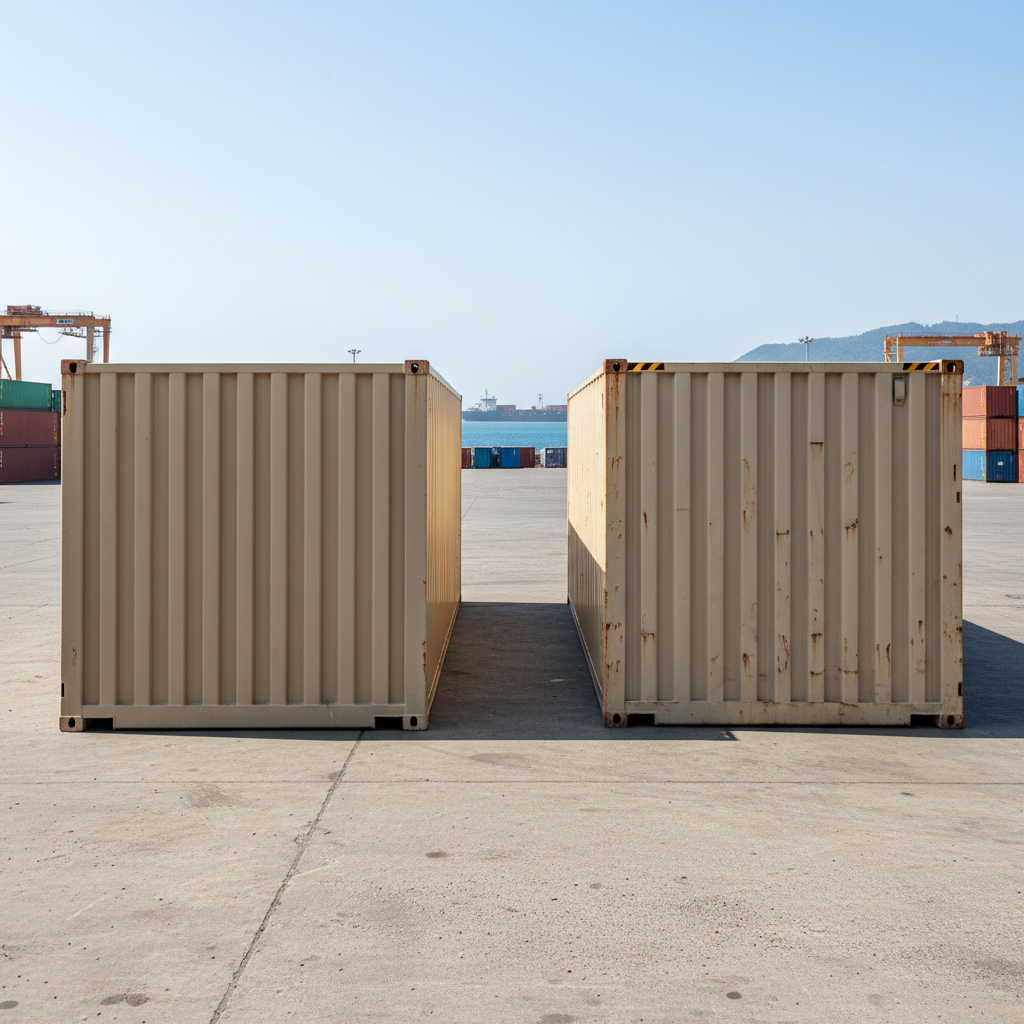
For many buyers in July 2026, the choice between a 'One-Trip' unit and a 'Wind and Water Tight' (WWT) unit isn't just about aesthetics—it's a critical budget decision. While one represents the pinnacle of retail container quality, the other is the workhorse of the used market. Understanding the one-trip container vs wind and water tight cost 2026 dynamics is essential if you want to avoid overpaying for a storage unit or, conversely, buying a used box that won't survive five years on your property.
Table of Contents
- one-trip container vs wind and water tight cost 2026: Breaking Down the 2026 Market Rates
- Condition vs. Cost: What Does WWT Actually Guarantee?
- Long-Term ROI: Shipping Container Resale Value
- Regional Logistics and Surcharges: The 2026 Coastal vs. Inland Price Gap
- Structural Integrity and Lifespan: Beyond the 'Watertight' Label
- Investment Scenarios: When to Choose One-Trip Over WWT
- Frequently Asked Questions
- Ready to Secure Your 2026 Inventory?
- Explore Related Products & Guides
The price gap between these two grades fluctuates based on steel futures and global logistics, but the fundamental differences in shipping container condition grades remain constant. A one-trip unit has crossed the ocean once and lived a sheltered life; a WWT unit has likely spent 12 to 15 years on container ships and in congested rail yards.
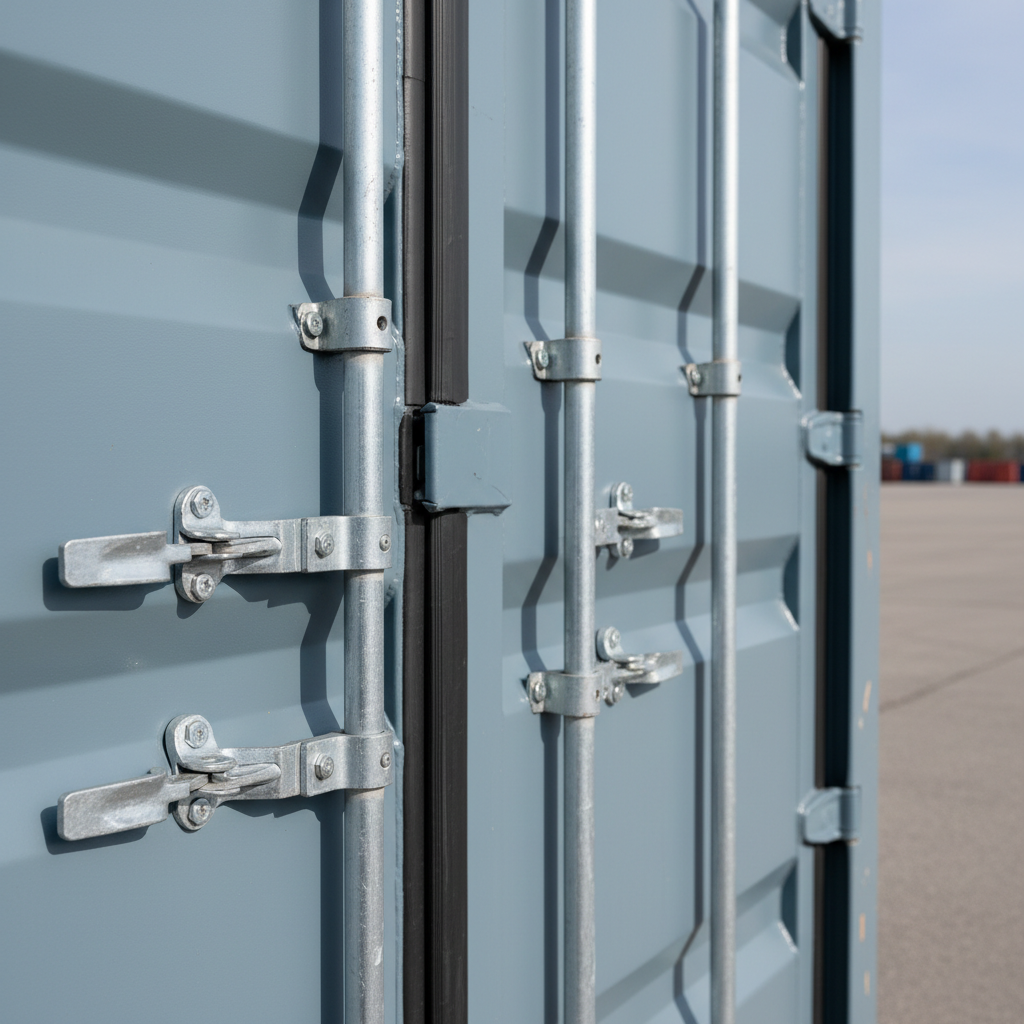
one-trip container vs wind and water tight cost 2026: Breaking Down the 2026 Market Rates
In the current market, prices vary significantly by region, but we can establish clear baselines. The one-trip vs WWT container price usually reflects a premium of $1,200 to $2,000 for the 'new' unit. This premium buys you more than just a fresh coat of paint; it buys you original marine-grade floor integrity and a decade of maintenance-free use.
| Container Type | WWT (Used) Price Range | One-Trip (New) Price Range | Est. Maintenance Interval |
|---|---|---|---|
| 20ft Standard | $1,800 – $2,400 | $3,100 – $3,900 | 2-4 Years |
| 40ft Standard | $2,400 – $3,000 | $4,400 – $5,200 | 3-5 Years |
| 40ft High Cube | $2,600 – $3,300 | $4,800 – $5,800 | 3-5 Years |
Note that 40ft High Cube containers often have the narrowest price gap because of their high demand in both the used and new markets. If you are comparing a 20ft used container to a 20ft new unit, the percentage difference is higher, often making the used unit the clear winner for strictly agricultural storage.
Condition vs. Cost: What Does WWT Actually Guarantee?
The wind and water tight container condition is a specific industry standard. It means the unit is guaranteed to be dry inside—no holes in the roof or walls—and the door gaskets are functional enough to keep out driving rain and light. However, it does NOT guarantee the absence of floor delamination, surface rust, or significant dents. This is the primary trade-off when looking at a used shipping container vs one-trip.
- Floor Condition: WWT units often have 'scarred' floors from forklifts. One-Trips have mint-condition 19-ply Keruing or bamboo floors.
- Door Operation: WWT doors can be stiff due to years of salt-air exposure. One-Trip units open with one hand.
- Aesthetics: WWT units come with 'patchwork' repairs and mismatched logos. One-Trip units are typically a solid tan, gray, or blue.
- Structural Life: A one-trip unit made with Corten steel will easily last 25-30 years with minor care.
Important: Beware of 'As-Is' units priced only slightly lower than WWT. Truly 'As-Is' containers may have roof leaks that cost $500+ to weld properly, wiping out any initial savings.
Long-Term ROI: Shipping Container Resale Value
When calculating the true cost of ownership, you must consider the exit strategy. Shipping container resale value is remarkably high for one-trip units. If you buy a 40ft new high cube today and sell it in five years, you can often recoup 70-80% of your investment because the unit still looks and functions like new.
By contrast, a WWT unit that was already 15 years old when you bought it will continue to depreciate as the floor degrades and rust spots expand. While the 20ft vs 40ft container price guide helps with upfront budgeting, the 'cost per year' of a one-trip unit is often equal to or lower than a used unit.
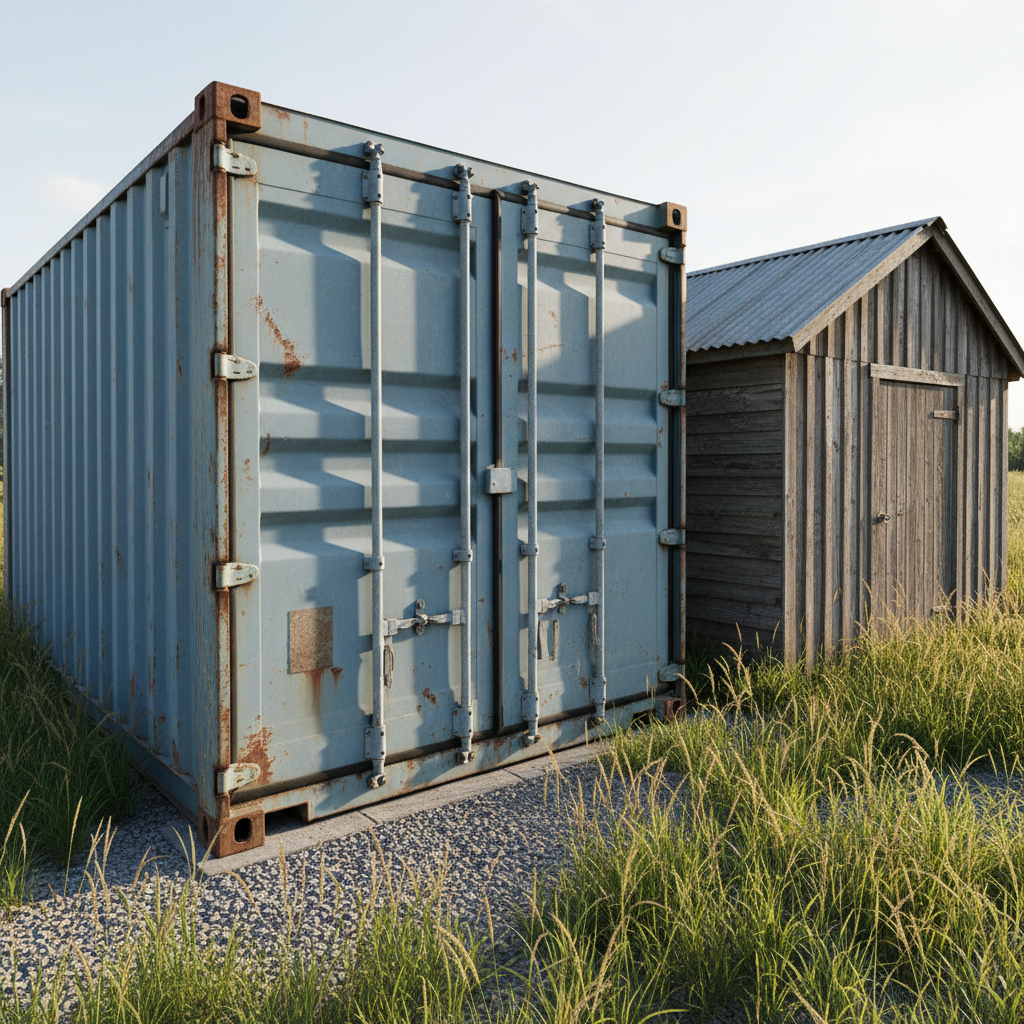
One-Trip Container Benefits for Modifications
If your project involves cutting into the steel—such as building a container home office—starting with a one-trip unit is or almost mandatory. Modifications like those found in luxury container homes require straight walls. A WWT unit with even a 1-inch 'bow' in the corrugation makes framing out interior walls a nightmare.
Regional Logistics and Surcharges: The 2026 Coastal vs. Inland Price Gap
By 2026, the cost disparity between One-Trip units and WWT (Wind and Water Tight) containers is heavily dictated by proximity to major inland rail hubs like Chicago, Dallas, and Memphis compared to coastal ports like Savannah or Los Angeles. While a One-Trip container maintains a more consistent national price floor due to standardized manufacturing and initial ocean freight costs, WWT inventory pricing fluctuates based on localized supply. In port cities, WWT units are frequently phased out by major leasing lines (like Maersk or Triton), creating a surplus that drives prices down. However, in inland markets, the cost to reposition a used WWT container via tilt-bed trailer or chassis can add $500 to $1,200 to the final invoice, often narrowing the gap between a 15-year-old used unit and a brand-new One-Trip.
For buyers in 2026, understanding 'deadhead' freight charges is critical. While a WWT unit may have a lower sticker price, the specialized hauling required for a non-ceritfied, used unit that cannot be shipped via standard rail frequently erodes the savings. One-Trip units, conversely, are often repositioned with cargo inside to their first destination, essentially subsidizing the initial transport cost. This makes One-Trip units statistically more affordable in mid-western markets when compared to the total delivered price of a high-mileage WWT container that requires a long-haul truck delivery from the coast.
| Region Type | WWT Est. Price (2026) | One-Trip Est. Price (2026) | Average Cost Gap |
|---|---|---|---|
| Coastal Port (LA/NJ/GA) | $1,850 - $2,100 | $3,400 - $3,800 | $1,550 |
| Inland Hub (Chicago/Dallas) | $2,450 - $2,700 | $3,900 - $4,200 | $1,450 |
| Remote Rural (>200mi from Hub) | $3,200 - $3,600 | $4,600 - $5,000 | $1,400 |
Tip: In 2026, the 'Last Mile' delivery fee is the most volatile component of your quote. Always request a 'Delivered Price' rather than an 'Ex-Works' price to accurately compare WWT vs. One-Trip savings.
Structural Integrity and Lifespan: Beyond the 'Watertight' Label
The 2026 market has seen a tightening of WWT definitions. Traditionally, WWT simply meant the unit had no holes and the door gaskets were functional. However, after a decade of heavy use in global trade, 'average' WWT units now typically arrive with significant floor delamination and heavy 'canning' (dents in the side panels) that can reduce internal cubic volume. While the unit remains dry, the structural fatigue of a 15-year-old WWT unit makes it a poor candidate for major modifications like cutting out large sections for windows or roll-up doors, as the remaining steel may lack the tension to stay square.
One-Trip containers in 2026 are essentially factory-fresh. They feature high-quality marine-grade plywood (often bamboo or sustainably sourced birch) and factory-applied zinc-rich primers that the aging WWT fleet lacks. For buyers planning a container home, mobile office, or high-value equipment storage, the One-Trip represents a 25-to-30-year asset, whereas a WWT unit is entering its final 5 to 7 years of peak utility before rust-through becomes a recurring maintenance headache. The higher upfront cost of the One-Trip is a hedge against the 2026 labor costs for sandblasting and repainting a degraded used unit.
- Rust Grade: WWT will have surface rust on 15-30% of the body; One-Trip has <1%.
- Floor Condition: WWT floors often have chemical stains and deep gouges; One-Trip floors are pristine and 'food-grade' safe.
- Door Operation: WWT locking rods are often bent or stiff from salt-corrosion; One-Trip doors can be opened with one hand.
- Paint Surface: WWT usually requires a full exterior repaint within 24 months to prevent structural decay.
- Resale Potential: One-Trip units typically retain 80% of their value over 5 years.
Important: If you are storing moisture-sensitive electronics or documents, WWT containers can suffer from 'container rain' (internal condensation) more severely than One-Trip units due to clogged passive vents often found in older used inventory.
Investment Scenarios: When to Choose One-Trip Over WWT
Determining whether to pay the 2026 premium for a One-Trip container depends entirely on the 'set it and forget it' threshold. Commercial retail sites, HOA-governed properties, and municipal projects almost exclusively trend toward One-Trip units. This is not just for aesthetics, but because the cost of remediating a WWT unit to meet local aesthetic codes—including grinding down scale rust and applying industrial enamel—can exceed $1,500 in 2026 labor rates, effectively equalizing the price of the two types.
For agricultural use, jobsite tool storage, or temporary seasonal overflow, the WWT remains the undisputed king of value. Despite the cosmetic imperfections, a WWT unit provides the same security against theft as a One-Trip, as the 14-gauge Corten steel remains incredibly difficult to breach. However, for any project where the container will be visible to the public or requires stackability (especially in multi-unit modular builds), the One-Trip is the only viable choice to ensure the corner castings are perfectly aligned and not deformed by years of heavy crane handling.
- Evaluate the Aesthetic Requirement: If it's visible to customers, buy One-Trip.
- Calculate the Modification Budget: If cutting steel, use the structural integrity of a One-Trip.
- Assess the Duration of Use: For 10+ year timelines, One-Trip is the cheaper per-year option.
- Check Local Zoning: Many 2026 zoning laws prohibit 'used' containers unless they are refurbished.
- Verify Security Needs: Both provide equal protection against forced entry.
Tip: Check for a 'CSC Plate' on the door. If you plan on ever shipping the container overseas again, a One-Trip unit will have a valid plate, whereas a WWT unit will require an expensive re-certification survey.
Container delivery near you
We deliver to every state in the lower 48 plus Alaska and Hawaii. These local pages list pricing, metro coverage and typical lead times for the areas we run into most:
- Shipping containers near me — how we source from the depot closest to your ZIP code
- Shipping containers in North Carolina — pricing and delivery to Charlotte and Raleigh
- Shipping containers in Arizona — pricing and delivery to Phoenix and Tucson
- Shipping containers in Washington — pricing and delivery to Seattle and Spokane
- Shipping containers in Colorado — pricing and delivery to Denver and Colorado Springs
Frequently Asked Questions
Common questions regarding the trade-offs between new and used inventory.
Ready to Secure Your 2026 Inventory?
Choosing between a one-trip and a WWT unit ultimately comes down to your site visibility and your duration of use. If the container will be hidden behind a barn for hay storage, a used 20ft unit is the smartest fiscal move. However, for high-traffic commercial sites or residential workshops, the one-trip container benefits of easy door operation and a clean appearance are well worth the 2026 premium.
If you're ready to compare real-time inventory for your project, our team can pull matching units from our nationwide depots to ensure you get the exact grade you need. Contact us today for a delivery quote that includes our current summer discounts for bulk orders.
Explore Related Products & Guides
- Custom Prefab Container Office for Job Sites Price Guide
- Browse 10ft Containers
- Browse 16ft Containers
Frequently Asked Questions
Should I buy a one-trip or WWT container for storage?
Buy a one-trip if the unit is in a visible area or if you need to store moisture-sensitive items like documents or high-end electronics. Choose WWT for farm equipment, tools, or general dry storage where a few dents don't matter.
Is a WWT container better than a cargo worthy one?
No. 'Cargo Worthy' (CW) is a higher grade than WWT. CW units meet international shipping standards (CSC plate valid), meaning they are structurally sound enough to be stacked on a ship. WWT is the lowest tier that still guarantees a dry interior.
What is the price difference between one-trip and WWT in 2026?
Expect to pay $1,200 to $2,200 more for a one-trip unit depending on the size and your proximity to a major port like Houston, Savannah, or Long Beach.
How long does a WWT container last compared to a one-trip?
A WWT container typically lasts 10-15 years with minimal maintenance. A one-trip unit can easily exceed 25-30 years if kept on a proper gravel or concrete foundation to prevent floor rot.
Does a WWT container smell worse than a one-trip unit?
WWT units may have 'container smell' from years of mixed cargo. One-trip units are vastly cleaner and usually smell like new paint or flooring plywood, making them better for sensitive storage.
Can I use a WWT container for a home build?
It is not recommended. The labor costs to straighten walls and remove rust often exceed the savings of buying a used unit. One-trip containers provide the square, clean starting point required for modern modular construction.
Frequently asked questions
Should I buy a one-trip or WWT container for storage?
Buy a one-trip if the unit is in a visible area or if you need to store moisture-sensitive items like documents or high-end electronics. Choose WWT for farm equipment, tools, or general dry storage where a few dents don't matter.
Is a WWT container better than a cargo worthy one?
No. 'Cargo Worthy' (CW) is a higher grade than WWT. CW units meet international shipping standards (CSC plate valid), meaning they are structurally sound enough to be stacked on a ship. WWT is the lowest tier that still guarantees a dry interior.
What is the price difference between one-trip and WWT in 2026?
Expect to pay $1,200 to $2,200 more for a one-trip unit depending on the size and your proximity to a major port like Houston, Savannah, or Long Beach.
How long does a WWT container last compared to a one-trip?
A WWT container typically lasts 10-15 years with minimal maintenance. A one-trip unit can easily exceed 25-30 years if kept on a proper gravel or concrete foundation to prevent floor rot.
Does a WWT container smell worse than a one-trip unit?
WWT units may have 'container smell' from years of mixed cargo. One-trip units are vastly cleaner and usually smell like new paint or flooring plywood, making them better for sensitive storage.
Can I use a WWT container for a home build?
It is not recommended. The labor costs to straighten walls and remove rust often exceed the savings of buying a used unit. One-trip containers provide the square, clean starting point required for modern modular construction.
About Outback Container Experts
This guide was prepared by the Outback Shipping Containers team, based on the questions our customers ask us most when buying, modifying and taking delivery of shipping containers. Learn more about us.
Ready to find your container?
Browse our in-stock shipping containers, container homes and custom builds, or ask our team for a free quote with delivery to your site.