How to Buy a Used Cargo Container With Confidence
Want to buy used cargo container units? Compare grades, delivered costs, seller checks and guarantees before paying. Buy with confidence.
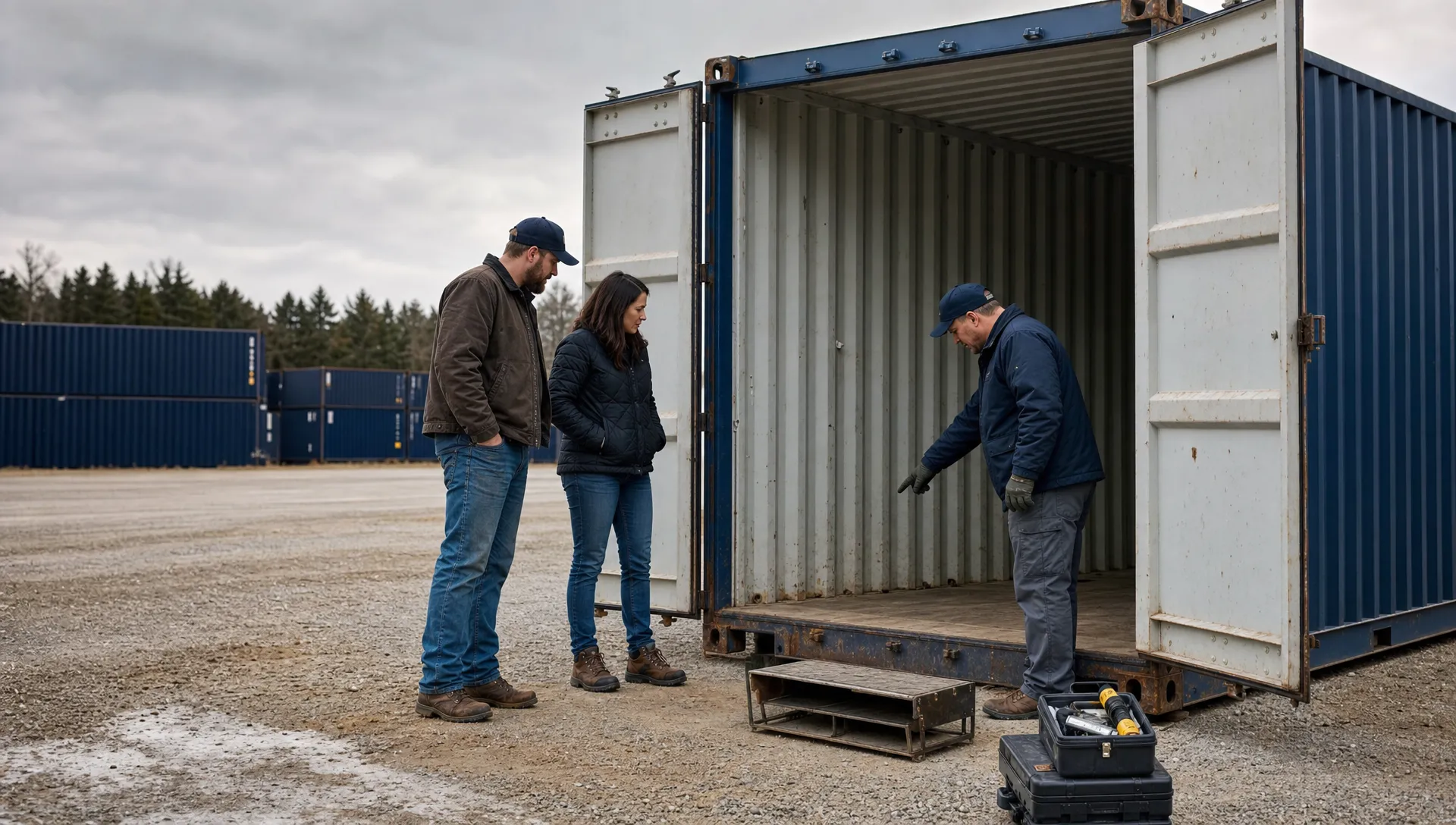
How to Buy a Used Cargo Container With Confidence
Quick Answer: To buy used cargo container units with confidence, choose a size and condition grade that fit your use, verify the seller and compare complete delivered quotes. Before paying, get the condition standard, delivery terms and claim process in writing. For ordinary on-site storage, a sound wind- and watertight unit may be enough. International shipping and home conversions require additional checks.
The biggest buying mistake is treating the advertised price as the whole deal. A cheaper box can become the expensive option if it needs repairs, cannot reach your site or arrives without the protection you expected.
Key Takeaways
- Choose the container for its intended job, not just its price or appearance.
- Treat WWT and cargo-worthy labels as starting points. Ask what inspection and written guarantee support them.
- Compare delivered costs, including access requirements, unloading and disclosed fees.
- Agree on how damage, leaks or delivery problems will be handled before you pay.
Choose the Size Around Your Site and Intended Use
A cargo container, conex box and intermodal container often refer to the same basic steel box. The buying decision changes with its purpose. Storage needs reliable weather protection. Freight requires transport suitability. A workshop or shipping container home needs planning beyond the original container shell.
Before you buy used cargo container units, measure both the placement area and the route the delivery truck will take. A container that fits on the property may still be impossible to unload where you want it.
Compare Common Container Sizes
| Container type | Nominal length | Common exterior width | Common exterior height | Practical consideration |
|---|---|---|---|---|
| 20ft standard | 20 feet | 8 feet | 8 feet 6 inches | Often suitable for tools, household storage and smaller sites |
| 40ft standard | 40 feet | 8 feet | 8 feet 6 inches | Offers more storage length but needs more placement space |
| 40ft high cube | 40 feet | 8 feet | 9 feet 6 inches | Adds 12 inches of exterior height for taller loads or conversion planning |
These are common nominal sizes, not a substitute for the unit’s specifications. Interior dimensions and door openings are smaller. Flooring, repairs and modifications can also affect usable space.
For machinery, measure the tallest and widest points before choosing a box. Door clearance may be the limiting dimension even when the equipment would fit inside.
Check Weight and Loading Limits
The container’s markings should identify its tare weight, meaning its empty weight. Maximum gross weight includes both the container and its contents. Payload capacity is the difference between those figures, subject to applicable limits and the unit’s condition.
Do not assume the same ratings apply to every ISO container of a given length. Ask for the selected unit’s markings if you will store heavy equipment, load freight or arrange a crane lift.
Understand What Condition Grades Actually Promise
Used-container descriptions are not interchangeable. Two sellers may use the same label but offer different repair standards, inspection records and warranty terms.
A fresh coat of paint does not establish structural condition. Conversely, faded paint and shallow dents do not automatically make a container unsuitable for storage.
WWT, Cargo-Worthy and One-Trip Containers
Wind- and watertight, commonly shortened to WWT, generally describes a container that keeps out wind and rain when its doors are properly closed. It does not, by itself, establish suitability for international freight or promise an attractive exterior.
Cargo-worthy, sometimes listed as CWO or CW, generally describes a used container considered structurally suitable for cargo service. Ask who assessed it, when they inspected it and what documentation accompanies the sale.
If you plan to buy used cargo container units for overseas transport, confirm acceptance requirements with your carrier before paying. A seller’s condition label is not a replacement for the examination and documentation your shipment requires.
One-trip containers have typically completed one loaded journey. They usually offer a cleaner starting point, but buyers should still review condition and delivery terms. They are not necessarily free of scratches or dents.
CSC Plates, Refurbishment and Storage Limits
The International Maritime Organization’s guidance on container safety explains the Convention for Safe Containers, known as CSC. A CSC safety approval plate matters for international transport, but the plate alone does not prove that the container has a current examination status.
Ask whether the container follows a periodic examination schedule or an approved continuous examination program. Have the carrier or a qualified container inspector confirm what is needed for your intended transport.
“Refurbished” can mean anything from repainting to substantial repairs. Request the work description. For a closer look at structural and weatherproofing concerns, use Outback’s guide to inspecting a used shipping container before purchase.
Verify the Seller and the Container You Will Receive
A convincing listing is not enough. You need a clear connection between the business taking payment, the container being sold and the delivery arrangement.
To buy used cargo container units from an unfamiliar seller, start with the seller’s identity and payment instructions. Slow down if either changes during the transaction.
Establish Who Is Responsible for the Sale
Check that the business name matches the quote, invoice and payment recipient. Confirm its contact information independently rather than relying only on a social media message or advertisement.
Ask whether you are dealing with the inventory owner, a reseller or a broker. Brokerage is not automatically a problem. Unclear responsibility is. Your agreement should identify who handles condition claims and delivery problems.
Pressure to pay immediately, unexplained payment changes and refusal to provide written terms are reasons to pause. Outback’s guide to checks to make before paying for a cargo container covers related purchase safeguards.
Distinguish Unit Photos From Representative Photos
Ask whether the photographs show your actual container or an example of the advertised grade. Request the container identification number when a specific unit has been assigned.
Some sellers allocate inventory closer to dispatch. In that case, get the selection standard and substitution policy in writing. Ask what happens if the delivered container does not meet that standard.
If you receive unit-specific photos, request views of the doors, interior, floor, roof and lower structure. Do not enter a container with a strong chemical odor or climb onto its roof without suitable access equipment and a safe inspection plan.
Compare Delivered Costs Before You Buy Used Cargo Container Units
There is no reliable nationwide price that applies to every used container. Size, condition, local inventory and delivery distance affect the quote. Site access can change the unloading plan and cost as well.
Use current written quotes rather than an old online price range. Compare the same size, condition standard and delivery scope across sellers.
Build an Apples-to-Apples Comparison
Ask each seller to show these items separately:
- Container price and the included condition standard.
- Delivery and unloading charges, including the unloading method.
- Applicable taxes and any processing or payment fees.
- Site-related charges, such as disclosed waiting time or failed-delivery fees.
- Optional modifications, accessories or repairs.
Your total delivered cost should reflect what it takes to put a usable container in its agreed location. Keep site preparation and any work you arrange separately in your project budget.
A lower box price may lose its advantage after a longer delivery route or required repairs. A closer depot is not automatically cheaper either. The complete quote determines the comparison.
Compare Financing, Renting and Repairs
If you finance the purchase, review the APR, term, fees and total repayment amount. A manageable monthly payment can still produce a higher overall cost.
For temporary use, compare ownership with leasing. Include delivery, pickup and any ongoing charges in that comparison. LeaseLink Containers is the leasing arm associated with Outback Shipping Containers; confirm current terms directly rather than assuming they match a purchase offer.
If you buy used cargo container units that need repairs, request a repair estimate before committing. Door alignment, floor replacement or structural work can change the economics of the purchase.
For a cleaner shell or a conversion project, take a moment to compare new and used shipping container options. The right condition grade may matter more than the lowest initial price.
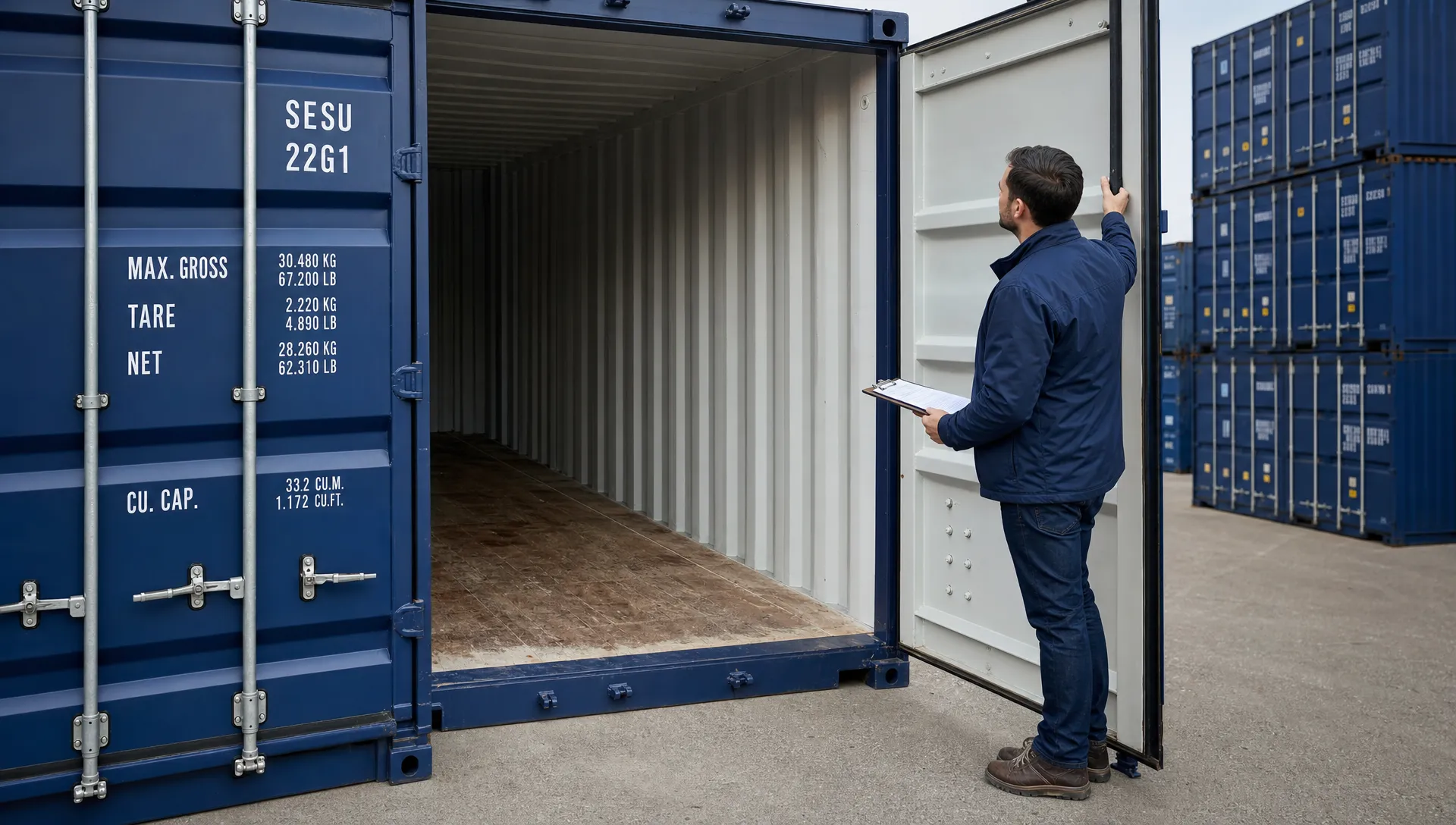
Put Delivery, Guarantees and Acceptance in Writing
The purchase is not complete when the truck reaches your driveway. The container must arrive in the agreed condition and reach the agreed placement point safely.
When you buy used cargo container units, delivery planning should happen before payment, not after dispatch. Send the seller site photos and explain any limits that could affect access.
Confirm the Truck’s Access and Unloading Method
A tilt-bed delivery needs room for the truck and trailer to approach, unload and pull away. A crane-assisted delivery has different lifting and access requirements. Do not assume all delivery trucks can place a container sideways, over a fence or deep inside a property.
Ask the delivery team for the clearance dimensions required by its specific equipment. Discuss turns, gate width, slopes, soft ground, overhead branches and utility lines.
Measure the proposed placement location and identify the door-opening direction. Share recent site photos, particularly after heavy rain or other changes that may affect ground conditions.
Prepare stable, level support according to the seller’s recommendations and local site conditions. Poor support can twist the box and make its doors difficult to operate. Permanent installations or unusual loads may require professional foundation design.
Understand the Guarantee’s Scope
A wind- and watertight guarantee should explain its duration, coverage and claim procedure. Ask whether it covers door seals, roof leaks and other water entry, and whether exclusions apply to later modifications or improper placement.
Weatherproofing is different from climate control. A sealed steel box can still develop condensation as temperature and humidity change. Sensitive tools, furniture or documents may require moisture control beyond a sound shell.
If you buy used cargo container units remotely, save the listing, quote, photographs and written promises. Keep them with the invoice and any delivery documents so you can compare the actual unit with the agreement.
Document the Handoff Safely
Ask in advance whether you can inspect the unit before unloading and what the process is if it fails the agreed standard. A delivery driver may not have authority to approve a refund or repair.
Once it is safe to approach, confirm the identification number, photograph visible damage and check the doors. Inspect the interior when conditions allow. Follow the seller’s documented acceptance and claim procedure rather than assuming every delivery includes a rejection right.
Report concerns promptly and in writing. Record whether the issue appears to involve the container’s original condition, transport damage or site placement. That distinction can affect who handles the resolution.
Set Additional Conditions for Homes and Conversions
A container suitable for storage is not automatically suitable for a shipping container home, retail unit or occupied workshop. Buying the shell before checking project requirements can lock you into the wrong size or condition.
Before you buy used cargo container units for a conversion, discuss the design with your builder and local permitting office. Cutting large openings changes the structure and may require engineered reinforcement.
Check Approval Before Committing to the Shell
Zoning, permits and building-code requirements vary by state, county and municipality. Ask local authorities whether your intended use is allowed and what approvals they require. Storage placement and residential occupancy may follow very different rules.
For a dwelling, confirm requirements for foundations, structural design, insulation, ventilation, utilities and emergency exits. The container purchase price is only one part of the finished-home budget.
Address Unknown Cargo History
A used container’s complete cargo history may not be available. A clean appearance or lack of odor does not prove that the floor and surfaces are suitable for residential use.
Ask what the seller knows about prior use, spills and repairs. Have a qualified professional assess questionable flooring or coatings before an occupied conversion. One-trip stock may reduce some uncertainty, but it does not replace a project-specific assessment.
Outback Shipping Containers supplies used and refurbished units as well as custom builds. Confirm the current product specification and scope of work for your project rather than assuming every container includes conversion-ready features.
Frequently Asked Questions
How much does a used cargo container cost?
The price depends on size, condition, available inventory and delivery location. Request a current written quote instead of relying on a nationwide average. Compare the container price, delivery, unloading, taxes and disclosed fees. Include site preparation and planned repairs when deciding which offer fits your total budget.
What should I look for when buying a used shipping container?
Check the frame, roof, doors, seals and floor, then verify the seller and written condition standard. Look for holes, severe corrosion, distorted structural members and signs of water entry. Confirm whether photographs show the actual unit. Delivery access, guarantees and claim terms deserve as much attention as the inspection.
Is a wind- and watertight container the same as cargo-worthy?
No. WWT generally describes protection against wind and rain. Cargo-worthy generally indicates structural suitability for cargo service. Neither label should replace the written inspection details or documentation required for your use. If you intend to ship internationally, confirm current examination status and carrier requirements before buying the container.
Can I buy a used shipping container for a home?
Yes, but approval and conversion requirements need attention before purchase. Zoning and building codes vary by location, so consult local authorities and your builder first. Review structural changes, flooring condition, insulation, ventilation and utilities. An inexpensive shell does not establish the final cost or suitability of a finished home.
Do I need a permit to put a shipping container on my property?
Possibly. Local rules may depend on intended use, installation duration, setbacks, zoning and whether the container has utilities or a foundation. Requirements vary by state, county and municipality. Contact your local planning or building department before ordering, even if the container will serve only as storage on private land.
How do I avoid shipping container scams?
To buy used cargo container units more safely, verify the business independently and make sure payment details match the seller’s legal identity. Get condition, delivery and claim terms in writing. Be cautious about urgent payment demands, unexplained account changes and unusually low offers. Keep records of every promise and payment.
Request a Quote That Covers the Whole Purchase
Start with your delivery ZIP code, intended use, preferred size and site photos. Ask for a quote that identifies the condition standard, unloading method and guarantee terms.
Explore shipping container options from Outback Shipping Containers and confirm the delivered cost before committing. Outback serves all 50 states and offers financing options. Discuss remote access or unusual placement needs early so the purchase and delivery plan match your property.