2026 Buying & Specs
By Outback Container Experts · Published July 11, 2026 · Last updated October 17, 2026
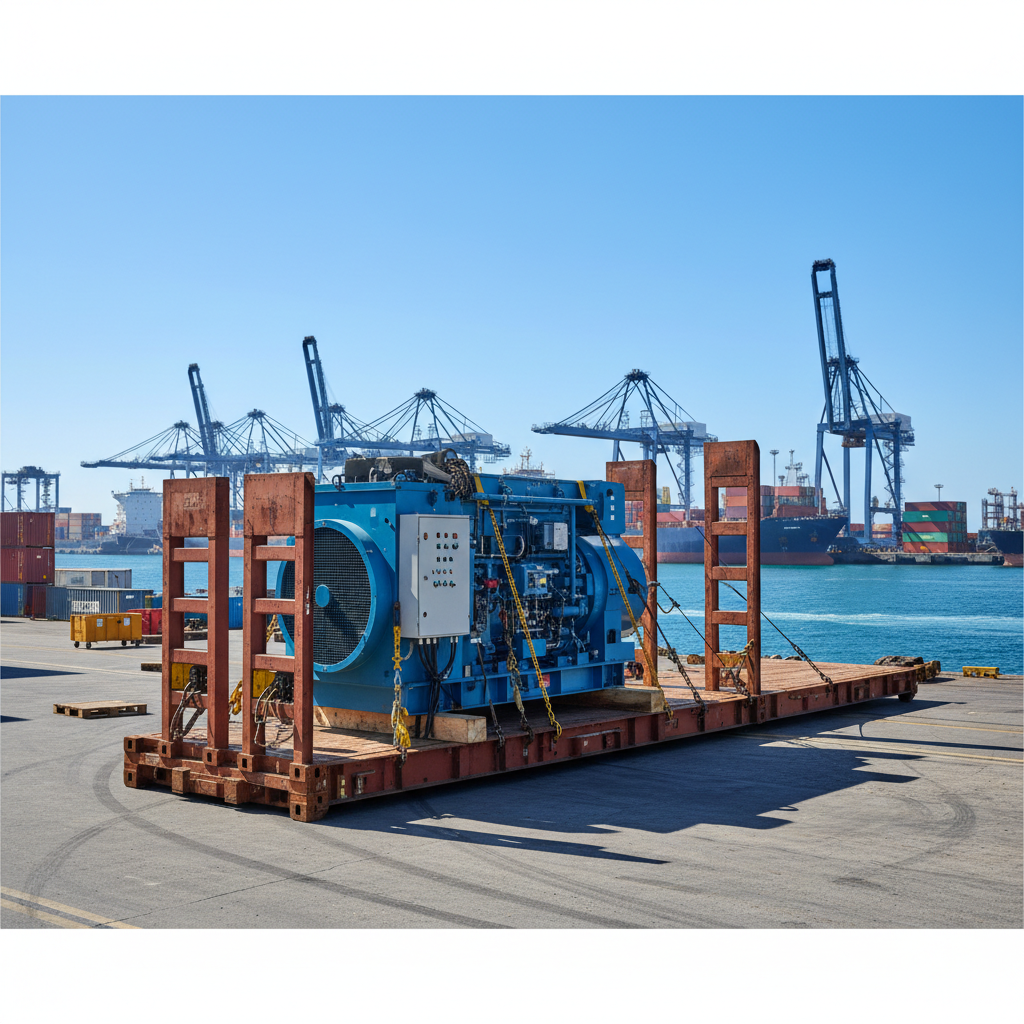
When your cargo is too tall, too wide, or too heavy to fit within the rigid steel walls of a standard unit, you need a specialized solution. This flat rack shipping container guide aims to demystify the most versatile tool in global logistics. In 2026, as US infrastructure projects and industrial manufacturing demand more robust transport options, understanding the nuances of flat rack units is essential for cost management and safety. Whether you’re moving a bulldozer across the Midwest or a multi-ton generator to the coast, the flat rack is your go-to equipment for out-of-gauge (OOG) shipping.
What is a Flat Rack Shipping Container?
A flat rack container is essentially a reinforced steel platform without side walls or a roof. While a 20ft new shipping container provides maximum security for dry goods, a flat rack provides the flexibility needed for heavy-duty items that require top or side loading. Most flat racks feature heavy-duty steel floors and two vertical end walls, which can be fixed or collapsible.
- Fixed-End Flat Racks: Offer higher structural integrity and are ideal for bottom-stowing on container ships.
- Collapsible Flat Racks: The end walls fold down, allowing you to stack up to four empty units for the price of one during return transit.
- Flush Folding Flat Racks: The end walls fold completely into the floor profile, creating a perfectly flat surface for even longer cargo.
2026 Flat Rack Specs and Dimensions
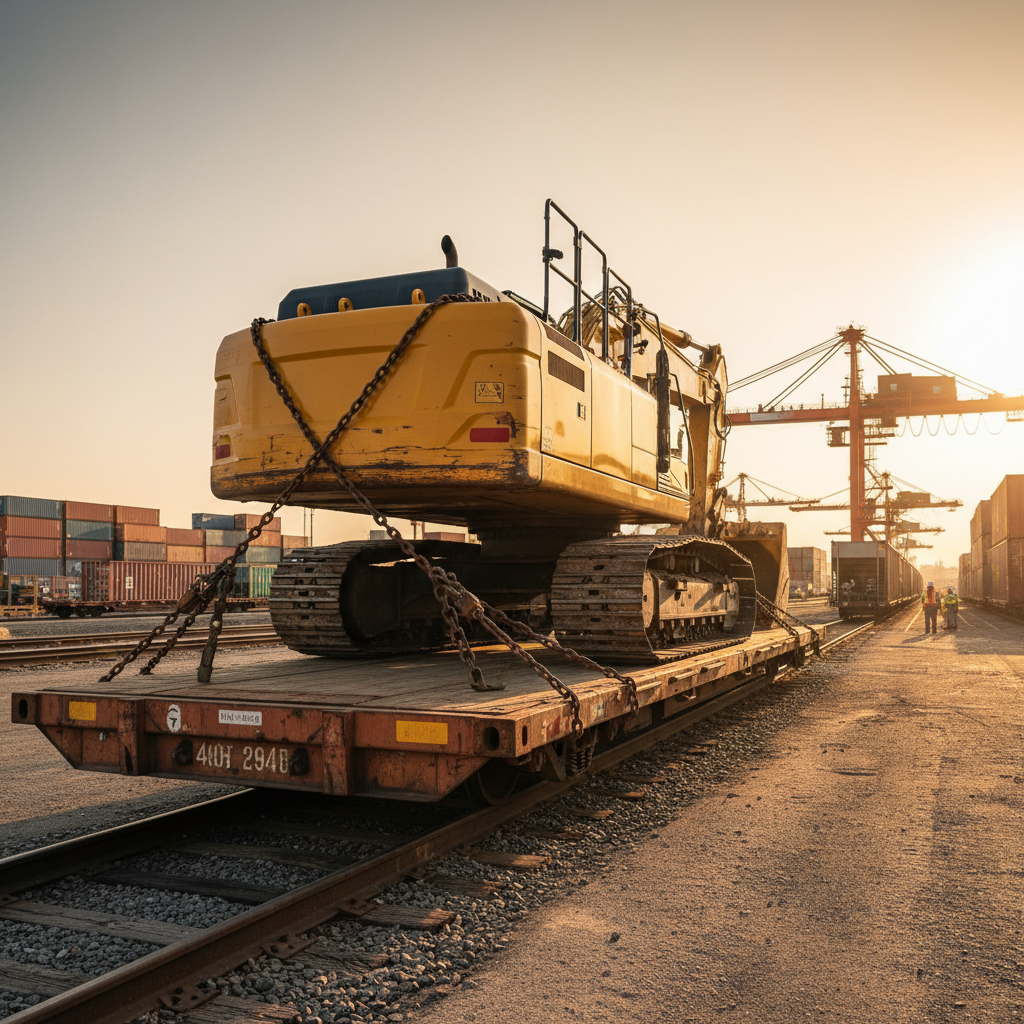
Dimensions for flat racks are standardized by ISO to ensure they can be secured on the same chassis and vessels as standard 20ft containers. However, the internal usable space varies slightly due to the thickness of the reinforced floor.
| Feature | 20ft Flat Rack | 40ft Flat Rack |
|---|---|---|
| Max Gross Weight | approx. 66,138 lbs | approx. 99,208 lbs |
| Tare Weight | 5,511 lbs | 11,023 lbs |
| Max Payload | 60,627 lbs | 88,185 lbs |
| Floor Thickness | 12 - 15 inches | 24 inches |
Internal Usable Space vs. Total Height
It is a common mistake to assume the flat rack height is equivalent to a high cube shipping container. Because the floor of a flat rack is much thicker to support heavy machinery, your vertical clearance for legal road transport without permits may be tighter than expected. Always measure from the floor of the rack to the bottom of the top rail.
2026 Pricing Guide: What to Expect
Flat rack prices have stabilized in 2026 but remain higher than standard units due to the specialized steel engineering required. For a comprehensive look at the market, see our updated shipping container cost guide.
| Condition | 20ft Flat Rack Price | 40ft Flat Rack Price |
|---|---|---|
| New (One-Trip) | $3,800 - $4,500 | $5,800 - $7,200 |
| Used (Cargo Worthy) | $2,400 - $3,100 | $3,900 - $5,200 |
| As-Is | $1,500 - $2,000 | $2,500 - $3,500 |
Tip: Prices fluctuate based on proximity to major ports like Long Beach, Houston, or Savannah. Inland delivery for flat racks often requires specialized tilt-bed trailers or heavy-duty cranes.
Key Use Cases for Flat Racks in the US
While most of our clients look for a 20ft used shipping container for basic storage, flat racks serve niche industrial needs:
- Heavy Machinery: Ideal for excavators, tractors, and industrial lathes.
- Over-Width Piping: Construction materials that exceed the 8ft width of standard containers.
- Boats and Yachts: Transporting marine vessels securely over land or sea.
- Modular Structures: Oversized components for projects like modern container houses.
Regulatory and Safety Considerations

When using a flat rack, cargo securing is non-negotiable. Unlike a 16ft new high cube container where walls help contain the load, flat rack cargo relies entirely on lashing rings and straps. According to the FMCSA (Federal Motor Carrier Safety Administration), your load must be able to withstand specific G-forces in all directions. Ensure you use heavy-duty chains and turnbuckles for any cargo exceeding 10,000 lbs.
Tip: Standard flat racks have at least 15 lashing points per side. Always inspect these for rust or structural deformity before securing high-value equipment.
Choosing Between New and Used Flat Racks
If you are purchasing a flat rack for long-term project use or for a specialized modular container office foundation, we recommend New (One-Trip) units. Used units are excellent for single-way international shipping, but they often have floor scarring and slightly weakened end-wall hinges.
Ready to secure your heavy-duty transportation solution? Whether you need a standard unit or a specialized flat rack for your industrial project, Outback Shipping Containers offers the nation's most reliable inventory. Browse our full selection of specialized containers and get a custom quote today.
Explore our 40ft Containers Category for high-capacity options or contact our logistics team for specific flat rack availability in your region.
Container delivery near you
We deliver to every state in the lower 48 plus Alaska and Hawaii. These local pages list pricing, metro coverage and typical lead times for the areas we run into most:
- Shipping containers near me — how we source from the depot closest to your ZIP code
- Shipping containers in North Carolina — pricing and delivery to Charlotte and Raleigh
- Shipping containers in Arizona — pricing and delivery to Phoenix and Tucson
- Shipping containers in Washington — pricing and delivery to Seattle and Spokane
- Shipping containers in Colorado — pricing and delivery to Denver and Colorado Springs
- Shipping containers in Tennessee — pricing and delivery to Nashville and Memphis
- Shipping containers Houston — local yard stock and lead times
Frequently Asked Questions
What is the maximum weight a 40ft flat rack can hold?
A 40ft flat rack can typically support a payload of approximately 88,000 to 90,000 lbs, depending on the specific manufacturer's rating and the age of the unit.
Can flat rack containers be stacked?
Yes, flat rack containers are designed with ISO corner castings that allow them to be stacked on ships. When empty and collapsed, they can be stacked together to take up less space (typically 4-to-1).
Do I need a permit to transport a flat rack?
If your cargo exceeds the legal width (8'6") or height (13'6" total from ground), you will need 'Oversize Load' permits from the state Department of Transportation (DOT) for every state you travel through.
What is the difference between a fixed-end and a collapsible flat rack?
Fixed-end flat racks have permanent walls at each end, offering more structural rigidity. Collapsible flat racks have walls that fold down, facilitating easier and cheaper empty transport.
Are used flat racks safe for heavy machinery?
Yes, provided they are 'Cargo Worthy' (CWO) certified. This ensures the structural integrity and floor strength are sufficient for international shipping standards.
How do flat rack floors differ from standard containers?
Flat rack floors are significantly thicker and reinforced with heavy-duty steel I-beams, whereas standard containers typically use thinner plywood floors supported by lighter cross-members.
Frequently asked questions
What is the maximum weight a 40ft flat rack can hold?
A 40ft flat rack can typically support a payload of approximately 88,000 to 90,000 lbs, depending on the specific manufacturer's rating and the age of the unit.
Can flat rack containers be stacked?
Yes, flat rack containers are designed with ISO corner castings that allow them to be stacked on ships. When empty and collapsed, they can be stacked together to take up less space (typically 4-to-1).
Do I need a permit to transport a flat rack?
If your cargo exceeds the legal width (8'6") or height (13'6" total from ground), you will need 'Oversize Load' permits from the state Department of Transportation (DOT) for every state you travel through.
What is the difference between a fixed-end and a collapsible flat rack?
Fixed-end flat racks have permanent walls at each end, offering more structural rigidity. Collapsible flat racks have walls that fold down, facilitating easier and cheaper empty transport.
Are used flat racks safe for heavy machinery?
Yes, provided they are 'Cargo Worthy' (CWO) certified. This ensures the structural integrity and floor strength are sufficient for international shipping standards.
How do flat rack floors differ from standard containers?
Flat rack floors are significantly thicker and reinforced with heavy-duty steel I-beams, whereas standard containers typically use thinner plywood floors supported by lighter cross-members.
About Outback Container Experts
This guide was prepared by the Outback Shipping Containers team, based on the questions our customers ask us most when buying, modifying and taking delivery of shipping containers. Learn more about us.
Ready to find your container?
Browse our in-stock shipping containers, container homes and custom builds, or ask our team for a free quote with delivery to your site.