Buy a Used 20ft Container With This Inspection Checklist
Before you buy used 20 ft container units, inspect rust, leaks, doors and flooring. Use this checklist to verify condition and plan delivery.
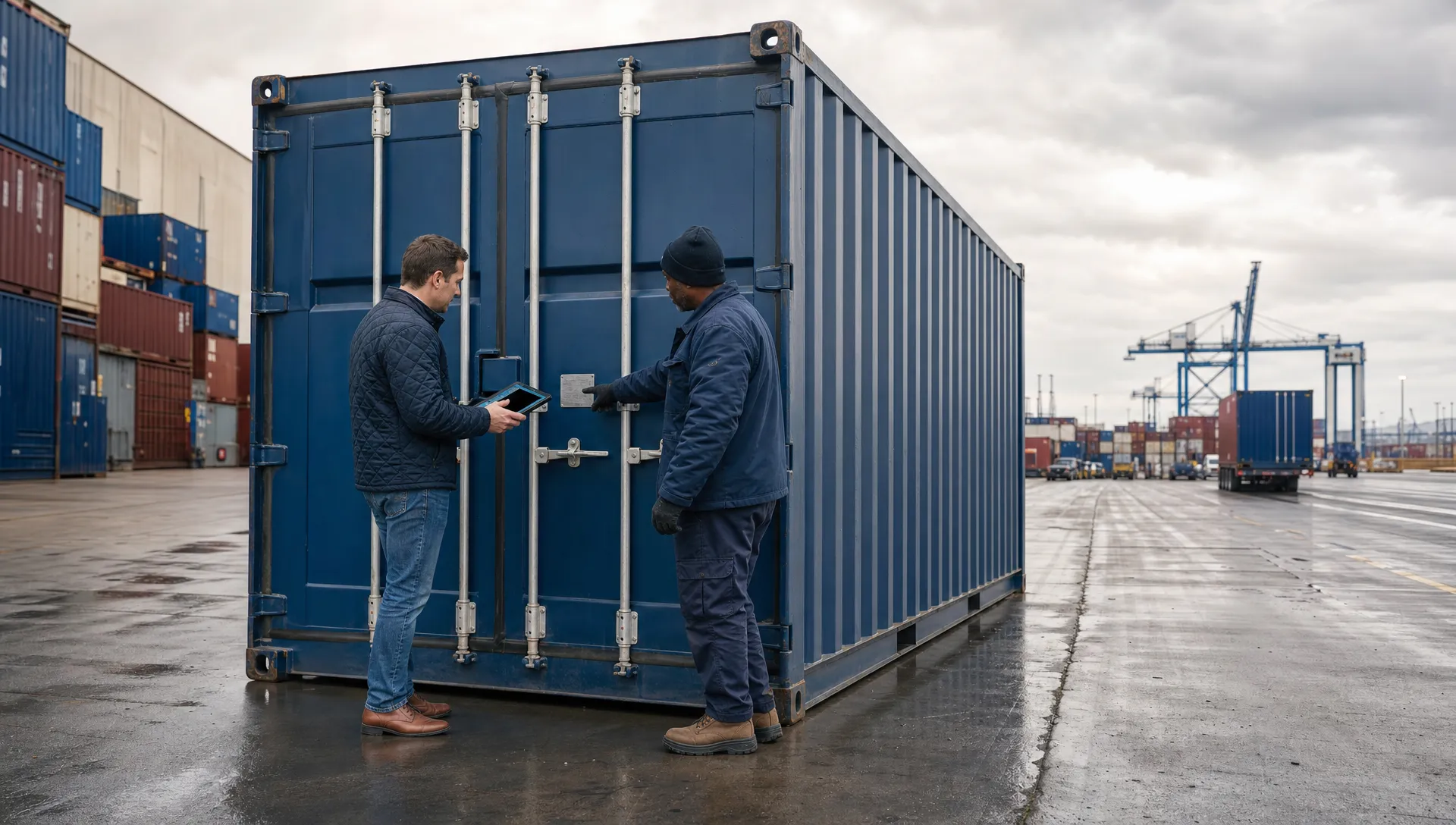
Buy Used 20 ft Container With This Inspection Checklist
Quick Answer: To buy used 20 ft container units safely, inspect the frame, roof, door seals, floor and underside before paying. Confirm the condition grade, get evidence for the unit you will receive and request a written delivered quote. Surface rust and dents may be acceptable. Perforated steel, damaged structural members, chemical odors and soft flooring need closer review or rejection.
The checklist below focuses on a standard dry cargo container for storage or conversion. Refrigerated containers require additional mechanical and electrical inspections.
Key Takeaways
- Match inspection photos and paperwork to the container’s identification number, not a representative stock photo.
- Separate cosmetic wear from structural damage, leaks and contamination.
- Treat wind and watertight condition, cargo-worthiness and shipping approval as different checks.
- Confirm access, unloading arrangements and acceptance terms before the truck arrives.
Know What a Used 20ft Container Should Provide
Check dimensions against your actual needs
A standard 20ft ISO container has nominal exterior dimensions of 20 feet long, 8 feet wide and 8 feet 6 inches high. Interior clearance is smaller because of the walls, floor and roof structure.
| Measurement | Typical standard 20ft dry container | What to verify |
|---|---|---|
| Exterior dimensions | 20 ft × 8 ft × 8 ft 6 in | Available placement space |
| Interior dimensions | About 19 ft 4 in × 7 ft 8 in × 7 ft 10 in | Clearance for stored items |
| Door opening | About 7 ft 8 in wide × 7 ft 5 in high | Whether equipment fits through the doors |
| Interior floor area | About 148 sq ft | Usable layout before shelving or insulation |
| Internal volume | About 1,170 cubic ft | Storage volume, not weight capacity |
| Empty weight, or tare weight | Often about 4,800 to 5,200 lb | The markings on the specific unit |
Dimensions and weights vary by manufacturer. Measure the actual door opening if you plan to store machinery, tall shelving or palletized goods. A conex box can have enough interior room but an opening too small for your equipment.
A high cube is taller than a standard container. Confirm the actual height rather than assuming every 20ft unit offers high-cube clearance.
Understand the condition grade
Before you buy used 20 ft container units for storage or transport, establish what the seller’s grade includes. Labels describe different conditions and purposes.
| Grade or description | What it generally indicates | Buyer’s next check |
|---|---|---|
| Wind and watertight, or WWT | Intended to keep out wind and rain when properly closed | Written guarantee, exclusions and unit-specific condition |
| Cargo-worthy, or CWO | Assessed as suitable for cargo service under the stated inspection criteria | Inspection documentation and intended transport requirements |
| One-trip | Typically used for one loaded journey after manufacture | Current condition and specification |
| As-is | Sold in its existing condition, with limitations set by the seller | Defects, repair needs and acceptance terms |
A WWT container is not automatically approved for international shipping. The International Maritime Organization’s guidance on container safety explains the Convention for Safe Containers, or CSC. A CSC plate alone does not establish that required examinations remain current.
If you are still choosing between condition grades, this comparison of new versus used 20ft containers helps put appearance and maintenance needs into perspective.
Buy Used 20 ft Container Units Only After These Checks
Check 1: Identify the unit and inspect its frame
Start by photographing the container identification number. Match it to the quote, inspection report and photos supplied by the seller. If the seller assigns inventory later, get the selection standards and substitution policy in writing.
Walk around the container and sight along its top and bottom rails. Look at the four corner posts and corner castings, which form key parts of the load-bearing structure. Minor dents in wall panels deserve different treatment from a bent corner post or cracked casting.
When you buy used 20 ft container units, prioritize structural condition over paint color. Fresh paint can improve appearance without correcting damaged steel underneath.
Look closely at welded repairs. Ask what failed, who repaired it and whether the repair affects the intended use. A substantial repair near a structural member deserves review by a qualified inspector, not just a seller’s reassurance.
Check 2: Separate surface rust from metal loss
Light surface rust is common on used intermodal containers. It does not necessarily make a unit unsuitable for storage. Flaking steel, deep pitting and holes are more serious because they indicate lost material.
Pay particular attention to lower wall edges, door bottoms and the underside. Water and debris collect in these areas. Rust around a structural joint matters more than a shallow patch on a wall panel.
Use this decision table when reviewing defects:
| Finding | Practical response |
|---|---|
| Shallow wall dents without holes or damaged framing | Usually acceptable if the container suits your use |
| Surface rust without obvious metal loss | Budget for cleaning, treatment and coating |
| Worn gasket or damaged door hardware | Require repair or a clear repair allowance before acceptance |
| Perforated steel or an active leak | Require a documented repair and retest, or reject |
| Cracked casting, damaged corner post or broken floor support | Obtain qualified structural review or reject |
| Soft flooring, chemical odor or unknown residue | Stop the purchase pending further assessment |
This table is a screening tool, not a structural certification. If you cannot determine how much steel remains, ask for an independent inspection.
Check 3: Operate both doors and examine the seals
Open and close both doors through a full cycle. Check the hinges, locking bars, handles, cams and keepers. The handles should secure the doors without improvised extensions or excessive force.
A container sitting on uneven ground can twist enough to make its doors bind. Ask the seller to demonstrate operation on level supports before deciding that the frame is damaged. Do not accept “all used containers do that” as an explanation for badly functioning doors.
Before you buy used 20 ft container units remotely, request a continuous video showing both doors opening, closing and latching. Close-up photos cannot demonstrate operation.
Inspect the rubber gaskets for splits, missing sections and separation from the door. Check the threshold for rust or debris that prevents a good seal. A lockbox may improve access security, but it does not fix defective locking hardware.
Check 4: Inspect the roof and look for leaks
Ask for roof photos taken from a safe elevated position. Do not climb onto an unverified roof. Inspect for punctures, damaged seams, deep corrosion and depressions that could hold water.
Inside, look for water stains below roof seams and around the doors. Rust trails can help locate a recurring leak. Daylight entering through a hole is a clear warning, but a container can leak without showing an obvious light gap.
For a light check, use a helper who keeps the doors unlatched and can reopen them immediately. Maintain a clear exit and never allow anyone to lock you inside. Distinguish intentional ventilation openings from damage.
A seller-approved, gentle water test may reveal leaks that a dry inspection misses. Avoid pressure washing during the test, which can force water through seals in ways that ordinary rainfall would not.
Check 5: Examine the floor, underside and interior
Walk across the floor and watch for soft spots, movement, lifted layers and uneven repairs. Inspect corners and the area near the doors, where moisture often reaches the flooring first. Do not test questionable flooring with heavy equipment.
If you plan to buy used 20 ft container units for tools or inventory, floor condition matters as much as wall condition. A sound-looking shell does not compensate for rotten flooring or damaged supports.
Ask for underside photos showing crossmembers and bottom rails. Never crawl under a suspended container or one resting on unstable supports. Damaged crossmembers can compromise the floor even when its upper surface looks intact.
Check for oil staining, powder deposits, strong odors and mold. Cargo history may be incomplete, so an absence of records is not proof of clean past use. Do not enter or disturb a unit with unknown chemical residues.
The EPA’s mold cleanup guidance emphasizes correcting the moisture problem. Painting over mold or staining does not establish that a leak has been repaired.
Get Remote Inspection Evidence for the Exact Unit
A remote purchase needs more than attractive exterior photos. Ask for a dated inspection package that identifies the container and shows its less flattering areas.
The most useful evidence includes:
- A continuous walk-around video showing the identification number and all four sides.
- Roof, corner post, corner casting and underside photographs.
- Interior views covering the entire floor, wall bases and ceiling.
- A full door-operation video and close-ups of the gaskets.
- Close-ups of every disclosed repair, rust hole or damaged area.
When comparing sellers offering to help you buy used 20 ft container units, ask whether these images show the actual unit or only a typical example. Both can be useful, but they are not interchangeable.
Verify the business through its published contact information. Confirm the payee matches the business named on the invoice, and review payment and refund terms before sending funds. A low price is not a substitute for identifiable inventory and written commitments.
For an expensive conversion or uncertain structural repair, an independent inspection can prevent a much larger mistake. Agree on who pays for it and what findings allow you to cancel.
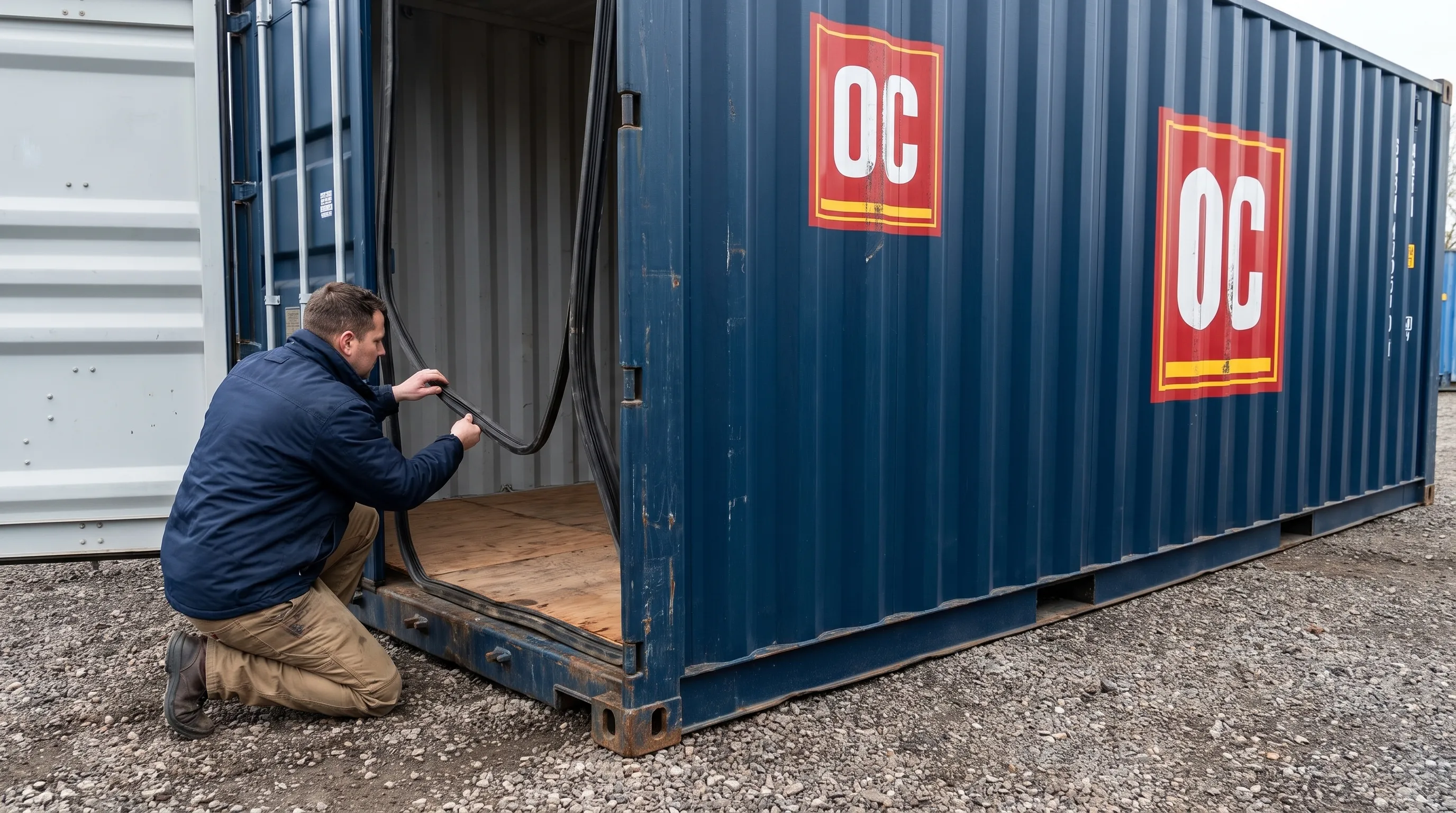
Turn Inspection Findings Into a Delivered Quote
Price the condition, not just the container
A useful quote identifies the size, grade, disclosed defects and included repairs. It also explains whether the sale covers a specific unit or a unit selected from an agreed inventory grade.
Compare the complete project cost when you buy used 20 ft container units. A cheaper box may require door repairs, rust treatment or flooring work that erases the initial savings.
Ask for separate amounts for the container, delivery, applicable taxes and any unloading charges. Include site preparation and agreed repairs in your own budget. Clarify charges for failed access, waiting time, redelivery or a crane if those could apply.
Delivered cost is the meaningful comparison. There is no reliable nationwide price to apply to every used container because location, condition and delivery requirements differ. This guide to buying a 20ft container without overpaying explains the cost items worth comparing.
Put the acceptance conditions in writing
Confirm what happens if the delivered container has an undisclosed hole, a door that will not operate or a different condition than agreed. Ask about the inspection window, claim procedure and remedy before paying.
A wind and watertight guarantee should identify its coverage and exclusions. It should also make clear whether repairs or replacement include transport costs. Do not assume a verbal promise covers every expense.
For a storage option, review the 20ft Used Shipping Container, Wind & Watertight, Beige. The listing describes an inspected, wind and watertight unit ready to ship. Confirm current availability, inspection evidence and the delivered quote before ordering.
Prepare the Site and Recheck at Delivery
Confirm access with the delivery provider
A 20ft container does not need only a 20ft parking space. The truck needs room to approach, unload and leave. Required clearance depends on the truck and unloading method, so obtain the carrier’s requirements for your site.
Arrange access before you buy used 20 ft container units for a farm, job site or residential property. Send photos of the driveway, gate, unloading area and overhead obstructions. Identify soft ground, steep grades, tight turns and low branches.
Ask whether the delivery uses a tilt-bed, side loader or another method. Confirm who provides any needed crane or forklift. Do not assume equipment capable of lifting ordinary pallets can safely handle a container.
Placement rules vary by state, county and municipality. Check local zoning, permits, setbacks and utility restrictions before delivery. The 20ft sea container storage and delivery guide provides additional planning context.
Inspect before signing off on condition
Prepare stable, level support suitable for the container and ground conditions. Poor support can affect door operation and drainage. Ask the delivery provider about placement requirements and consult a qualified professional where foundation design is needed.
At arrival, photograph the identification number and visible condition before unloading when practical. After placement, check the doors, floor and exterior again. Record any differences from the agreed inspection evidence.
Follow the seller’s acceptance process and note visible damage on the delivery paperwork before signing off on condition. Retain the quote, photos, inspection documents and delivery receipt together. A clear record helps distinguish an existing defect from delivery damage or a placement problem.
Apply Stricter Standards to a Container Conversion
A storage-grade box is not automatically a suitable starting point for a shipping container home, office or workshop. Occupied spaces add requirements for structural changes, insulation, ventilation, electrical work and safe exits.
Before you buy used 20 ft container units for a home, have your designer or engineer assess the proposed openings and condition. Cutting doors or windows can change how the structure carries loads. Unknown flooring treatments, contamination and previous repairs also deserve closer attention.
A standard container offers less than 8 feet of interior width before you add insulation and finishes. Draw the finished layout using the actual clear dimensions, not the exterior footprint. Bathrooms, cabinets and wall assemblies reduce usable space quickly.
Building-code and permit requirements vary by state, county and municipality. Consult local authorities before buying for residential or commercial occupancy. Neither WWT condition nor a CSC plate establishes approval for a building conversion.
Frequently Asked Questions
What should I check before buying a used shipping container?
Check the corner posts, castings, rails, roof, door operation, seals and flooring. Look for leaks, deep corrosion, soft spots and unknown residues. Match the inspection evidence to the container’s identification number. Then verify the grade, written guarantee, delivered cost and acceptance terms before payment.
What does wind and watertight mean for a shipping container?
Wind and watertight generally means the closed container is intended to keep out wind and rain. It does not mean the container is insulated, climate-controlled or approved for international shipping. Ask how the seller verifies that condition and what the written guarantee covers, including repairs and transport costs.
How much rust is acceptable on a used shipping container?
Light surface rust may be acceptable if the underlying steel remains sound. Deep pitting, flaking metal and holes require closer assessment. Location matters: corrosion on a corner post or floor support is more serious than a shallow wall patch. Obtain qualified inspection when metal loss is uncertain.
How long will a used 20ft shipping container last?
There is no dependable remaining lifespan based on age alone. Existing corrosion, previous repairs, climate, drainage and maintenance all affect service life. Inspect the specific unit and keep it on suitable support. Address coating damage and leaks early rather than relying on a general lifespan claim.
Is it safe to buy used 20 ft container units for a home?
A used container may suit a home project, but storage condition alone is not enough. Assess structural repairs, corrosion, flooring and possible contamination before conversion. Have a qualified designer or engineer review planned openings and foundations. Confirm local zoning, building-code and permit requirements before committing to the purchase.
Choose a Container That Passes the Checklist
Buy based on documented condition and suitability, not paint color or the lowest advertised price. The right unit has sound structural members, workable doors, a serviceable floor and clear terms for delivery and acceptance.
When you are ready to compare options, explore Outback Shipping Containers’ available containers and request unit-specific inspection evidence with your delivered quote. Share your intended use, site photos and access details so the purchase and delivery plan address the same requirements.