20 Ft Sea Container Guide for Storage and Delivery
By Outback Shipping Containers · Published July 23, 2026 · Last updated October 18, 2026
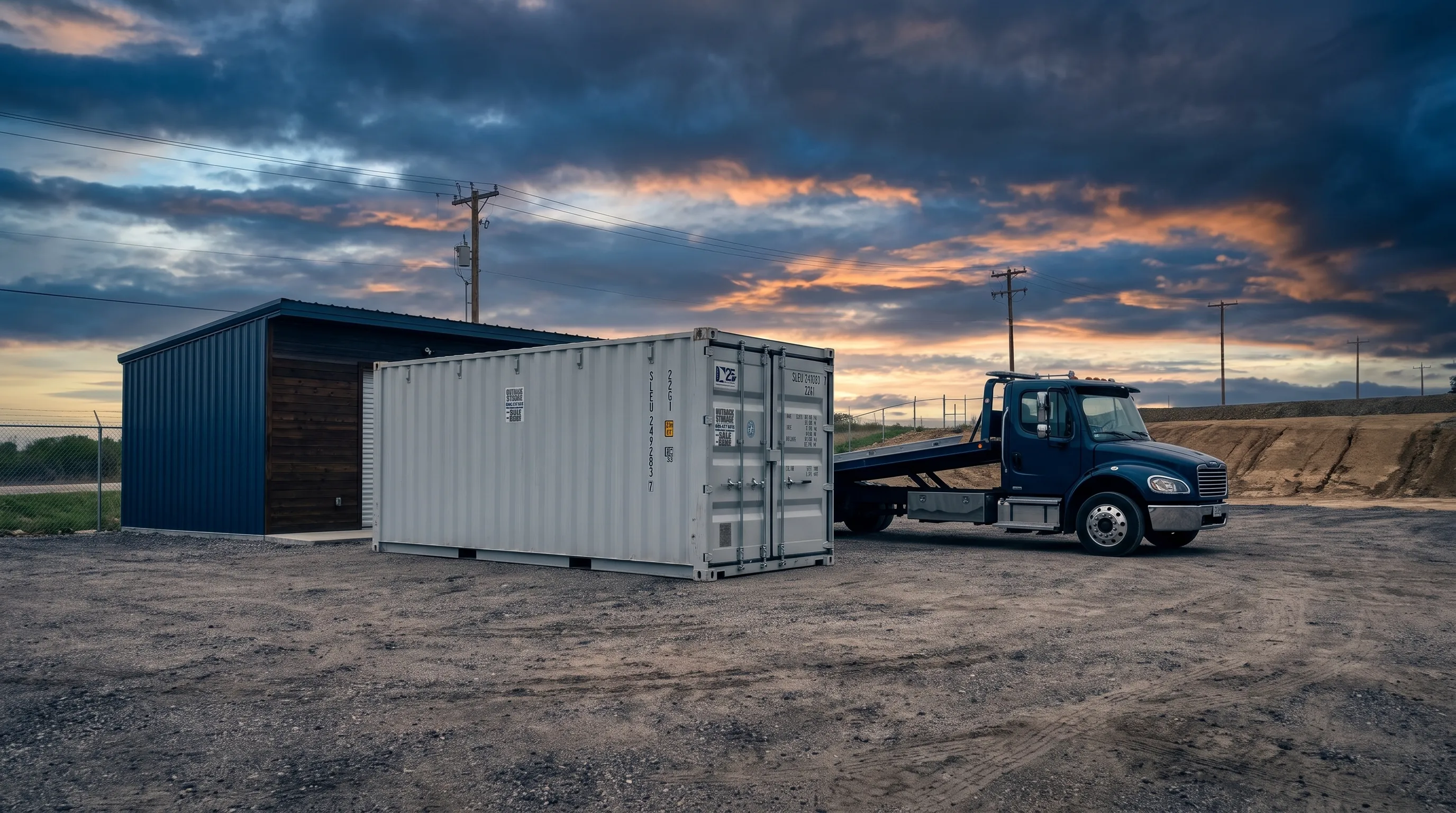
20 Ft Sea Container Guide for Storage and Delivery
A 20 ft sea container is often the best size for secure storage, job-site equipment, farm supplies, and small container conversions. It gives you about 160 square feet of footprint and roughly 1,170 cubic feet of interior space, while staying easier to place than a 40-foot container. For most buyers, the key decisions are condition, delivery access, site prep, and whether you need a standard dry cargo container or a specialty unit.
Quick Answer: A 20 ft sea container is a standard ISO dry cargo container that measures 20 feet long, 8 feet wide, and 8 feet 6 inches tall outside. It is compact enough for many driveways, farms, and job sites, but large enough for tools, inventory, motorcycles, pallets, and household overflow.
Key Takeaways
- Best all-around size: A 20 ft container balances storage capacity, delivery access, and cost better than most sizes.
- Standard outside dimensions: Most 20 ft dry containers are 20 ft long, 8 ft wide, and 8 ft 6 in high.
- Condition matters: Choose one-trip for cleaner appearance and long-term plans, or used WWT/CWO for budget-friendly storage.
- Delivery needs planning: Confirm truck access, overhead clearance, ground firmness, and container orientation before delivery day.
- Permits vary: Storage containers, shipping container homes, offices, and workshops may need local zoning or building approval.
What a 20 Ft Sea Container Is and When It Makes Sense
A sea container is also called a shipping container, cargo container, conex box, ISO container, or intermodal container. These terms all point to the same basic idea: a steel box built for freight transport and reused for storage, job sites, farms, homes, offices, and custom builds.
Standard dry containers are built around international container standards. The ISO 668 standard covers the classification, dimensions, and ratings for Series 1 freight containers. That standardization is why containers can move by ship, rail, and truck, then still work as reliable ground storage.
Best uses for a 20 ft container
A 20 ft container is a strong fit when you need secure storage without taking over the entire property. Homeowners use them for remodeling storage, garage overflow, tools, lawn equipment, ATVs, and seasonal items. Contractors use them for job-site tools, parts, safety gear, and building materials.
Farm and ranch owners often choose 20 ft units because they can fit near barns, shops, fields, and feed areas. Small businesses use them for inventory, records, equipment, mobile workshops, and temporary warehouse space.
For container conversion projects, a 20 ft unit can become a compact office, workshop, cabin, retail kiosk, or small shipping container home. It is not a full-size house by itself, but it can work well for a tiny build, a backyard studio, or a modular add-on.
When a 20 ft container may be too small
A 20 ft container is not always the right answer. If you need to store long pipe, large machinery, full household contents from a larger home, or high-volume inventory, a 40 ft container may be more practical.
If you need extra headroom, a high cube container may be worth considering. High cube units are typically 9 ft 6 in tall outside, compared with 8 ft 6 in for a standard dry container. They are more common in 40 ft and 45 ft lengths than in standard 20 ft dry inventory.
If you are still comparing sizes, Outback Shipping Containers has a broader standard container size guide for storage and builds that covers 10 ft, 20 ft, 40 ft, and high cube options.
20 Ft Sea Container Dimensions, Weight, and Capacity
The standard 20 ft sea container is popular because the dimensions are predictable. That helps you plan your storage layout, delivery route, pad size, and door clearance before the truck arrives.
Exact measurements can vary by manufacturer, container age, flooring, and door design. Always confirm the details for the exact container you are buying, especially if you plan to load pallets, park equipment, or convert the unit.
| Specification | Typical 20 ft dry container measurement |
|---|---|
| Exterior length | 20 ft |
| Exterior width | 8 ft |
| Exterior height | 8 ft 6 in |
| Interior length | About 19 ft 4 in |
| Interior width | About 7 ft 8 in |
| Interior height | About 7 ft 10 in |
| Door opening width | About 7 ft 8 in |
| Door opening height | About 7 ft 5 in |
| Floor area | About 160 sq ft |
| Interior volume | About 1,170 cu ft |
| Tare weight | About 4,800 to 5,000 lb |
| Max gross weight | Commonly about 67,200 lb |
| Payload capacity | Often around 62,000 lb, depending on unit |
The tare weight is the empty container weight. Payload capacity is the weight the container is rated to carry. For storage buyers, the payload number is useful, but it is not the only limit. Your ground, pad, blocking, and loading method matter just as much.
A 20 ft container can often hold about 10 standard 48 in x 40 in pallets on the floor, depending on the pallet pattern and cargo shape. It can also hold motorcycles, shop tools, construction materials, furniture, records, tires, farm supplies, or boxed inventory.
For a deeper look at capacity and buyer planning, see this guide to 20 foot container size for storage buyers.
New vs Used: Choosing the Right Condition
Condition is one of the most important parts of buying a 20 ft container. A clean one-trip unit and a used wind- and watertight unit can both be good purchases, but they serve different buyers.
A one-trip container has usually made one cargo trip from the factory before being sold. It may have minor handling marks, but it is normally cleaner and newer than used inventory. This makes it a strong choice for visible residential sites, offices, workshops, retail projects, and long-term ownership.
A used container may show dents, faded paint, patches, surface rust, and floor wear. That does not mean it is a bad unit. For many farms, construction sites, and storage yards, a used wind- and watertight container is the smartest value.
| Condition type | Best for | What to check |
|---|---|---|
| New or one-trip | Clean storage, visible sites, container conversions, offices | Minor handling marks, door operation, exact dimensions |
| Used WWT | Budget storage, farms, job sites, equipment storage | Roof leaks, door gaskets, floor condition, rust, patches |
| Cargo-worthy (CWO) | Freight use, storage, export planning | CSC plate, structural condition, survey needs |
| Refurbished | Better appearance than basic used storage | Paint quality, repairs, warranty terms, remaining wear |
WWT means wind- and watertight. For storage, this usually means the container should keep rain and wind out under normal conditions. CWO means cargo-worthy, which is a higher standard tied to freight use. If you plan to export cargo, ask for documentation and confirm what the steamship line or freight forwarder requires.
A CSC plate is the metal data plate attached to many containers. It lists important details such as gross weight rating and manufacturing information. A CSC plate does not replace a real inspection, but it gives you useful information about the unit.
Delivery Planning for a 20 Ft Container
Delivery is where many first-time buyers get surprised. A 20 ft container is easier to deliver than a 40 ft unit, but it still requires a large truck, a safe approach, and firm ground.
Most local 20 ft deliveries use a tilt-bed truck or roll-off style truck. The truck tilts the bed and slides the container into place. This method works well if the site has enough straight-line access and the container can be dropped in the planned orientation.
Flatbed delivery may be used when a forklift, crane, telehandler, or other lifting equipment is available on site. This can help when the container must be set over an obstacle, placed sideways, or positioned in a tight work area. Professional carriers also follow federal cargo securement rules when hauling freight on public roads, including requirements outlined by the Federal Motor Carrier Safety Administration.
| Delivery method | Common use | Site requirement |
|---|---|---|
| Tilt-bed truck | Standard 20 ft container placement | Straight approach, firm ground, room to slide off |
| Flatbed truck | Delivery to sites with lifting equipment | Forklift, crane, or telehandler on site |
| Crane or boom service | Tight placement or over-obstacle placement | More planning, clear lift path, qualified operator |
Before delivery day, confirm the truck route into your property. Drivers need enough width for the truck and trailer, enough overhead clearance for trees and wires, and ground that will not sink under weight.
As a practical planning range, many tilt-bed deliveries need 100 feet of straight clearance for a 20 ft container. Width needs vary, but 10 to 12 feet is a common minimum planning range for access. Overhead clearance should be checked carefully, especially near gates, branches, rooflines, and utility lines.
Your delivery company will confirm exact requirements. If the site is remote, steep, muddy, or narrow, send photos before scheduling. That saves time and prevents failed delivery attempts.
For more site prep detail, use this guide to 20ft container dimensions for delivery and site planning. If you are budgeting transport, the guide to shipping container delivery cost per mile in 2026 explains how distance, equipment, and route affect the final quote.
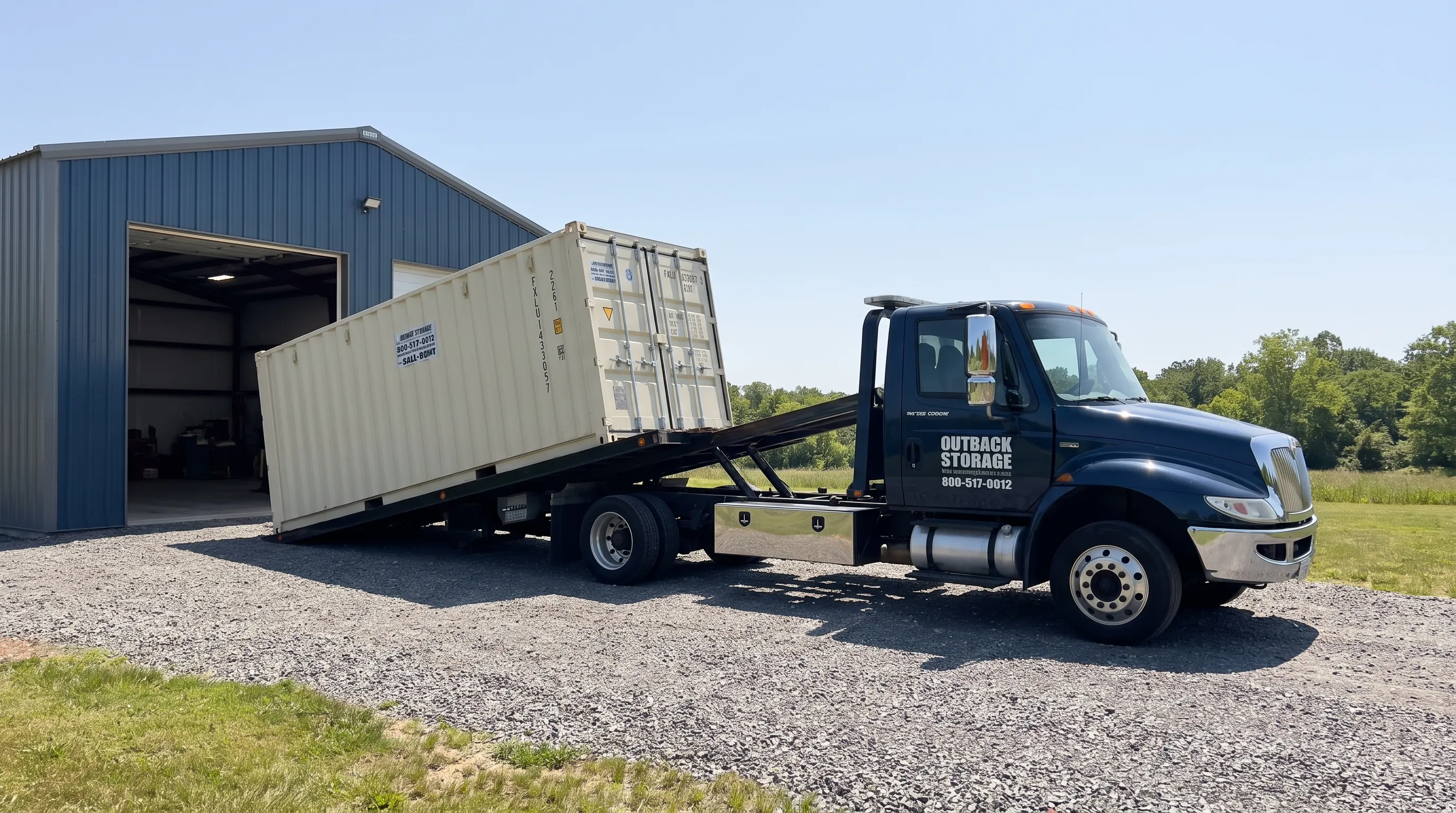
If your site is ready and you want a clean dry cargo container for long-term storage or a visible property, review the 20ft New Shipping Container - Wind & Watertight - Gray. If budget-friendly storage is the main goal, a used inspected option such as the 20ft Used Shipping Container - Wind & Watertight - Beige may be a better fit.
Storage Setup and Inspection Checklist
A container works best when it sits level, drains well, and stays off bare soil. The goal is simple: keep the floor dry, keep the doors square, and prevent water from pooling around the steel.
A crushed stone pad is a common choice for storage because it drains well and is easier to install than a full slab. Concrete piers, concrete strip footings, asphalt, or compacted gravel can also work. For temporary use, heavy blocking may be enough, but long-term placement should be more stable.
Support the container at the corners, since the corner castings carry the load. If you plan to store heavy items, add support along the long side rails or under high-load areas. Keep the container level enough that the doors open and close without binding.
Before the driver leaves, walk around the unit and check the basics. Take photos for your records.
- Roof has no obvious holes, soft spots, or heavy standing water areas.
- Doors open, close, seal, and latch without extreme force.
- Door gaskets are present and not badly torn.
- Floor feels solid, with no major rot, holes, or chemical odor.
- Walls and roof have no daylight showing from inside.
- Corner posts and bottom rails are not crushed or badly bent.
- Locking rods, hinges, and handles move correctly.
- Vents are present and not blocked.
- Container ID and condition match your paperwork.
For daily storage use, think about airflow and access. Steel containers can sweat when warm moist air hits cooler metal. This is condensation, not always a roof leak. Ventilation, desiccant, raised shelving, pallets, and moisture absorbers can reduce the risk.
Avoid stacking cardboard directly on the floor for long periods. Use pallets or shelving so air can move underneath. For tools and equipment, a lock box and high-quality padlock add useful protection.
If you add lights, outlets, insulation, shelving systems, or HVAC, plan the work before loading the unit. Electrical work should be done safely and according to local code. If you cut holes for windows, doors, vents, or roll-up doors, understand that structural changes may need reinforcement.
Outback Shipping Containers supplies inspected wind- and watertight units across all 50 states, with delivery logistics support and transparent online quotes. lender financing (only for container homes priced above $72,000, subject to lender approval) are available, which can help if you are buying for a business, farm, or build project. For temporary job-site needs, ask whether the LeaseLink Containers leasing arm is a better match than ownership.
20 Ft vs 40 Ft: When to Size Up
A 20 ft container is easier to place, easier to fit on tight sites, and often enough for storage. A 40 ft container offers about twice the floor area, but delivery access becomes more important.
| Factor | 20 ft container | 40 ft container |
|---|---|---|
| Exterior footprint | About 160 sq ft | About 320 sq ft |
| Typical exterior size | 20 ft x 8 ft x 8 ft 6 in | 40 ft x 8 ft x 8 ft 6 in |
| Typical interior volume | About 1,170 cu ft | About 2,390 cu ft |
| Delivery access | Easier on tight sites | Needs more room and planning |
| Best for | Tools, small inventory, remodel storage, farms, compact offices | Larger inventory, household moves, workshops, bigger conversions |
| Common buyer priority | Fit and flexibility | Maximum storage per container |
Stay with a 20 ft container if your site is tight, your storage list is moderate, or you need the unit close to a house, barn, shop, or work zone. It is also a good size for buyers who want to move the container again later.
Choose a 40 ft container if you need to store more volume and have the room to place it. For commercial inventory, larger equipment, or a full workshop, the extra length can save you from buying a second unit later.
When storage becomes a building project
If you plan to use a container as a shipping container home, office, cabin, retail unit, or workshop, treat it as a build, not just storage. Once you add plumbing, electrical, insulation, windows, doors, stairs, decks, or permanent foundations, local codes may apply.
Permits and zoning rules vary by state, county, city, and property type. Rural land can still have setback rules, floodplain rules, HOA limits, or agricultural-use restrictions. Always check with your local building department before ordering a container for a permanent conversion.
For conversions, condition matters more. A clean one-trip container may reduce prep work and make the finished project look better. A used container can still work, but dents, rust, old floor smells, and patch repairs may add labor.
Cold storage is a separate category. If you need temperature control for food, flowers, pharmaceuticals, or specialty inventory, a refrigerated container is different from a standard dry sea container. It has refrigeration equipment, different interior dimensions, power needs, and maintenance requirements.
Frequently Asked Questions
How much can a 20 ft sea container hold?
A standard 20 ft sea container holds about 1,170 cubic feet of interior volume and about 160 square feet of floor area. It can often fit about 10 standard pallets, depending on layout. Weight capacity varies by unit, so check the data plate and avoid overloading the site pad.
Can a 20 ft shipping container fit in a driveway?
Many 20 ft containers can fit in a residential driveway, but delivery access is the bigger issue. The truck may need 100 ft for a 20ft (120 ft for a 40ft) of straight clearance, firm ground, and safe overhead clearance. Measure gates, turns, trees, rooflines, and utility wires before scheduling delivery.
Do I need a permit for a 20 ft storage container?
Permit rules depend on your city, county, zoning district, HOA, and intended use. Temporary storage may be allowed in some areas, while permanent placement or container conversions may require permits. Always contact your local building or zoning office before buying or placing the unit.
Is a used 20 ft container wind and watertight?
A used 20 ft container can be wind- and watertight if it has been inspected and graded that way. Expect cosmetic wear, dents, faded paint, or surface rust. Check the roof, door seals, floor, walls, and locking gear before accepting delivery, and get the condition in writing.
What is the difference between a conex box and a sea container?
In common use, conex box, sea container, cargo container, shipping container, and intermodal container often mean the same thing. Conex is an older military term that many people still use. For buying, focus less on the name and more on size, condition, certification, and delivery details.
Is a 20 ft container good for a tiny home?
A 20 ft container can work for a compact tiny home, backyard studio, office, or cabin, but space is limited. After insulation and wall finishes, the interior gets narrower. For full-time living, many buyers use a 40 ft unit or combine multiple containers. Permits and codes vary locally.
Planning a 20 ft container purchase should start with the site, the condition grade, and the delivery plan. Outback Shipping Containers can help you compare new, used, and custom options, with nationwide delivery and lender financing (only for container homes priced above $72,000, subject to lender approval). Start with current container options at Outback Shipping Containers.
About Outback Shipping Containers
This guide was prepared by the Outback Shipping Containers team, based on the questions our customers ask us most when buying, modifying and taking delivery of shipping containers. Learn more about us.
Ready to find your container?
Browse our in-stock shipping containers, container homes and custom builds, or ask our team for a free quote with delivery to your site.