Commercial freezer container for restaurant overflow:…
Maximize your budget with a commercial freezer container for restaurant overflow. Compare rental vs. purchase costs for outdoor walk-in freezer containers.…
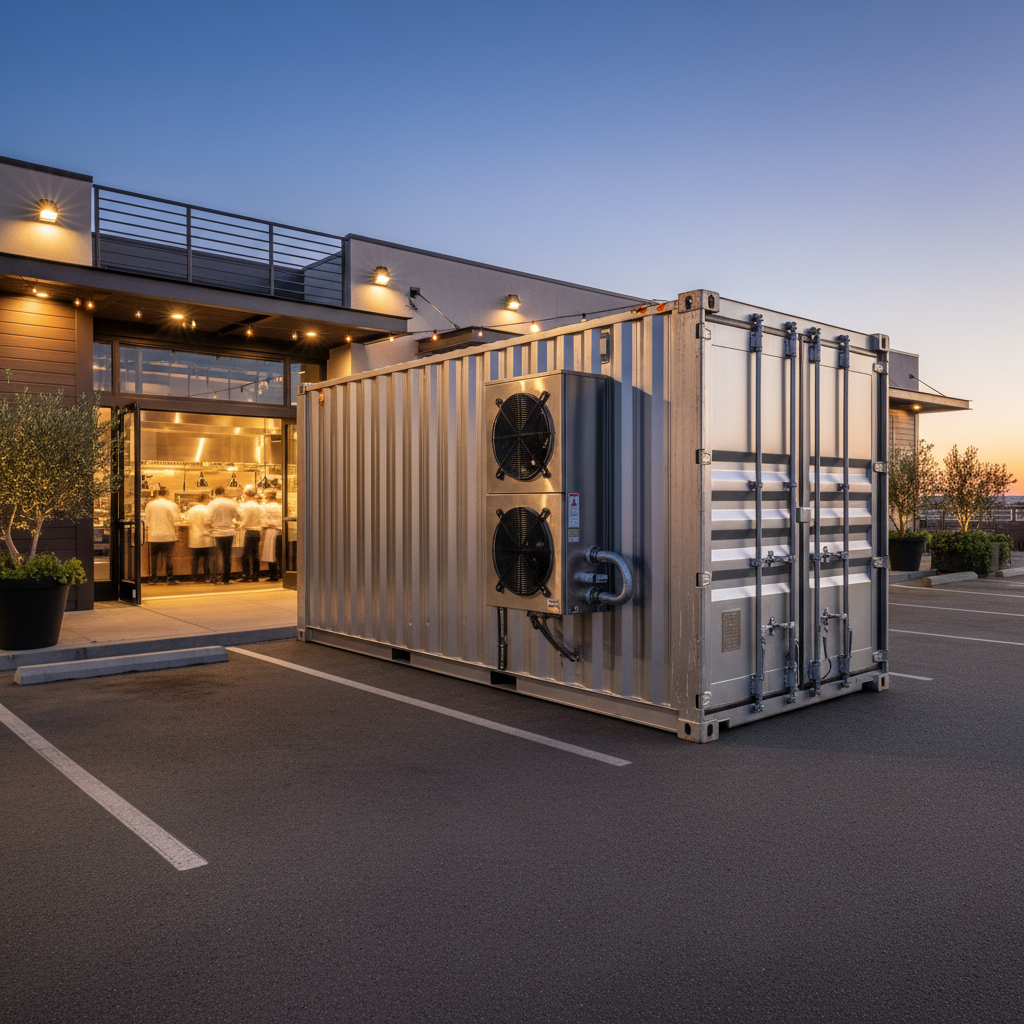
By the time August heat peaks, the most successful restaurant operators are already looking ahead to the logistics of November and December. If your walk-in is already at capacity, the looming surge of holiday proteins, seasonal produce, and bulk orders creates a high-stakes bottleneck. A commercial freezer container for restaurant overflow has become the standard fix for modern kitchens, offering a rugged, weather-proof alternative to expensive permanent brick-and-mortar additions or small-scale rental trailers that fail in the summer sun.
Table of Contents
- commercial freezer container for restaurant overflow: Why Standard Shipping Containers Aren't Enough for Food Service
- Comparing Freezer Container Options for Restaurants
- Permits and Compliance: Restaurant Food Storage Regulations 2026
- Top Benefits of Using a Commercial Freezer Container
- Critical Technical Specifications for Cold Chain Integrity
- Optimizing Inventory Workflow and Load Planning
- Strategic Site Placement and Ground Preparation
- Frequently Asked Questions
- Ready to Secure Your Cold Chain for the Season?
- Explore Related Products & Guides
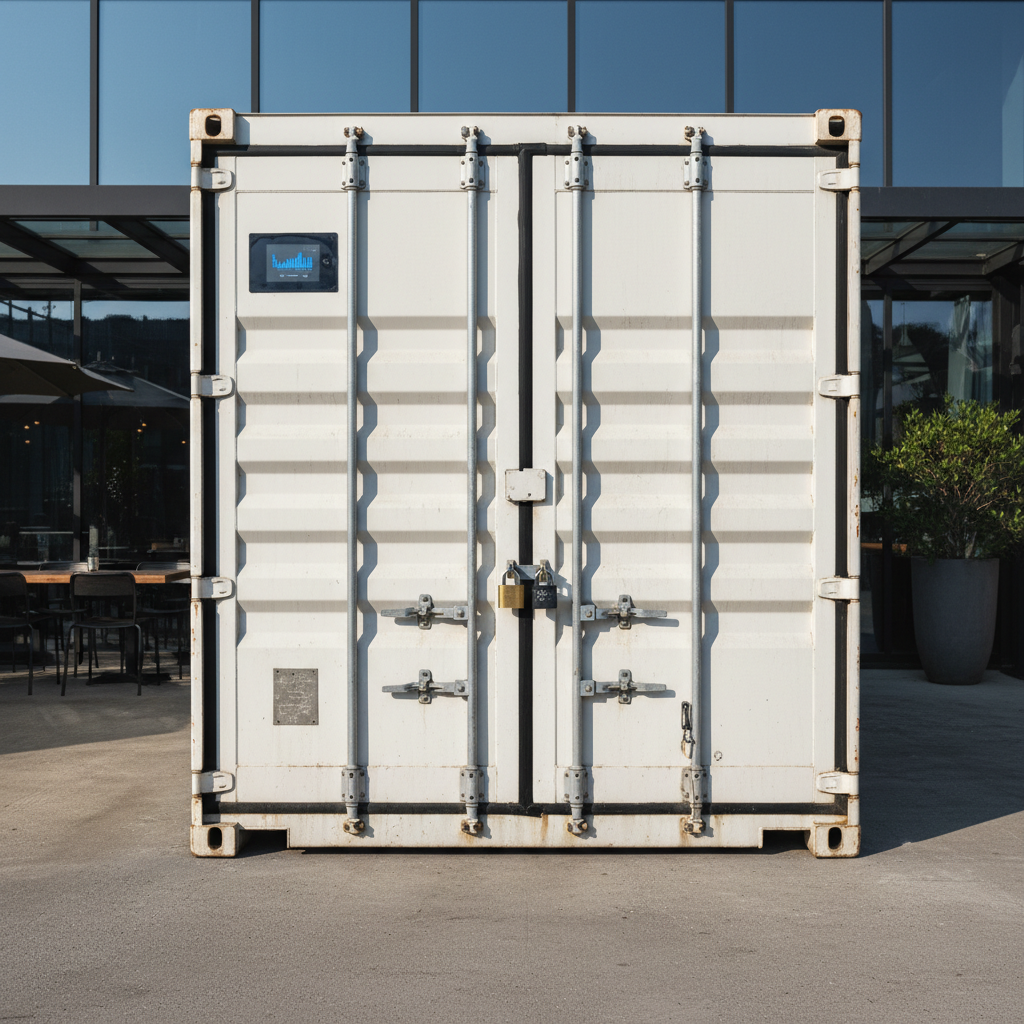
commercial freezer container for restaurant overflow: Why Standard Shipping Containers Aren't Enough for Food Service
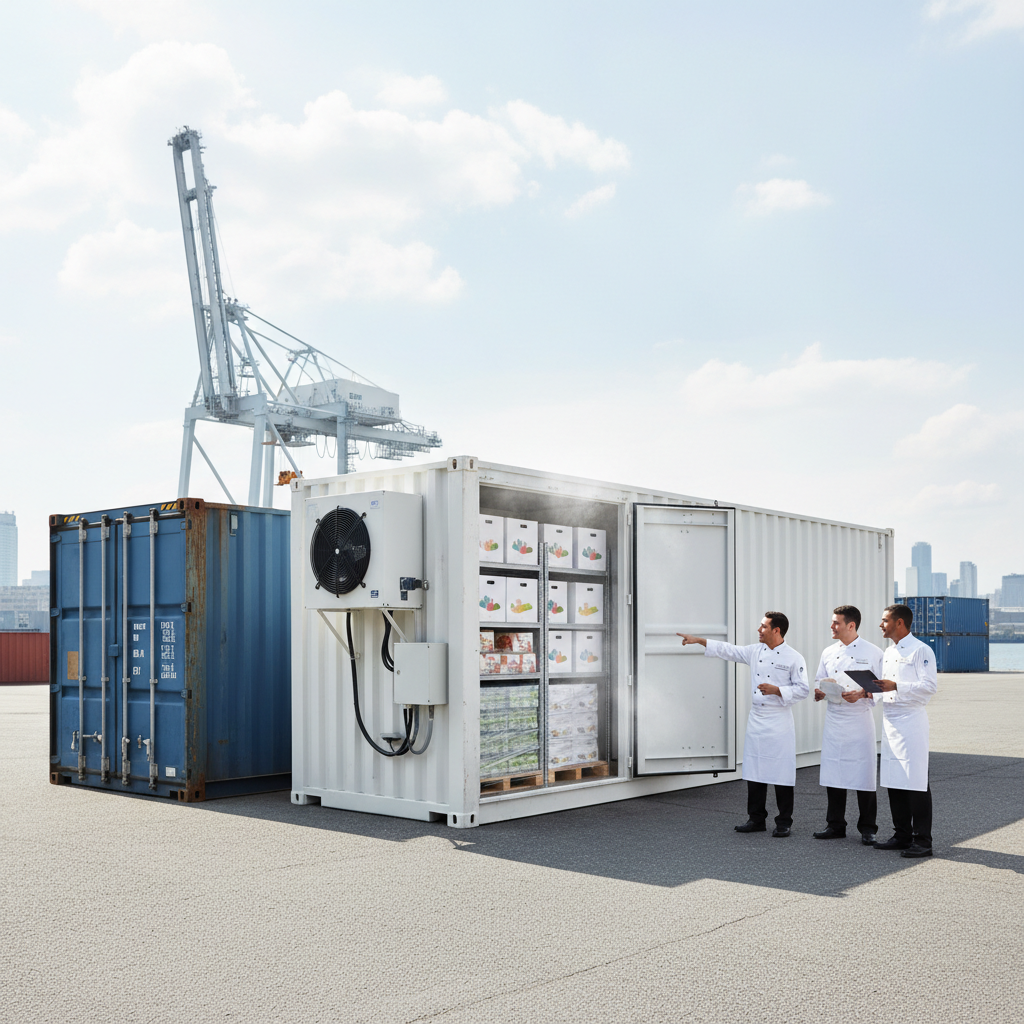
When sourcing modular kitchen expansion solutions, you must distinguish between a dry storage box and a reefer. A standard used shipping container is great for dry goods, but food-grade storage requires a specialized reefer (refrigerated container). These units feature T-bar aluminum flooring designed for airflow and stainless steel or food-grade interior liners that meet rigorous hygiene standards. Unlike a traditional walk-in, these are built with high-density polyurethane foam insulation sandwiched between the corten steel or aluminum skins.
A 20ft domestic refrigerated container can maintain temperatures from -20°F to +70°F, making it a versatile asset for both deep-freeze applications and temp-sensitive dry goods. Before you buy, it's vital to read this to ensure you aren't just buying a box, but a specialized piece of machinery.
Comparing Freezer Container Options for Restaurants
Choosing the right footprint for your excess inventory cold storage depends on your daily throughput and the available space in your loading bay or parking lot. Below is a breakdown of the most common specifications for restaurant use in 2026.
| Feature | 20ft Reefer Unit | 40ft High Cube Reefer |
|---|---|---|
| Exterior Dimensions | 20'L x 8'W x 8'6"H | 40'L x 8'W x 9'6"H |
| Cubic Capacity | ~980 cu ft | ~2,380 cu ft |
| Electrical Req. | 230V 3-Phase (or Single Phase) | 460V 3-Phase (Standard) |
| Best Use Case | Tight urban lots / Daily prep | Bulk Q4 bulk buy / Distribution |
| 2026 Price Range | $8,500 - $14,000 | $12,000 - $19,500 |
Important: Electrical compatibility is the #1 hurdle for restaurant cold storage. Most commercial reefers run on 460V 3-phase power. If your site only has 208/230V, you will need a transformer or a specialized single-phase 20ft refrigerated container to avoid massive utility upgrade costs.
Permits and Compliance: Restaurant Food Storage Regulations 2026
While shipping containers are 'portable,' the local Authority Having Jurisdiction (AHJ) often views them as semi-permanent structures once they are hooked to power. You must consult the 2026 shipping container permit guide to see how your state handles outdoor walk-in freezer containers.
- Zoning: Ensure your lot allows for 'accessory structures' in your commercial zone.
- Health Department: Most inspectors require the container to sit on a level, non-porous surface (like concrete or asphalt) to prevent pest harborage.
- FDA/USDA: Ensure your unit has a valid CSC plate if you plan on transporting it while loaded, though most overflow units remain stationary.
- ADA Access: If staff will be entering the unit frequently, check if local codes require a ramp for the 6-inch threshold.
Top Benefits of Using a Commercial Freezer Container
Why are restaurants ditching traditional cold storage rentals for owned shipping container cold storage units? It comes down to asset value and reliability. In our 20ft vs 40ft refrigerated container cost analysis, we found that owning the asset typically pays for itself in under 14 months compared to third-party logistics (3PL) storage fees.
- Inventory Control: No more cross-town trips to a warehouse to pull holiday turkeys.
- Scalability: Add a 40ft HC working refrigerated container for the peak season and sell it back to the market when done.
- Durability: Built to withstand saltwater and high-seas weather, these units are nearly indestructible compared to thin-walled reefers on wheels.
- Custom Access: We often perform modifications like adding butcher doors or interior LED lighting to make the units safer for kitchen staff.
Critical Technical Specifications for Cold Chain Integrity
When sourcing a commercial freezer container for restaurant overflow, the technical hardware dictates the reliability of your inventory. Standard reefer units utilize T-bar flooring, which is essential for airflow. Unlike flat-floor dry vans, these aluminum T-bars allow cold air to circulate underneath the pallets, preventing hot spots that can lead to bacterial growth or partial thawing of high-value proteins. For restaurants, ensuring the container utilizes a Carrier or Thermo King machinery set is the industry standard for part availability and technician familiarity.
Temperature range requirements differ significantly between standard refrigeration and deep-freeze overflow needs. Most commercial-grade containers are capable of maintaining internal temperatures between -20°F and 80°F, regardless of the external ambient temperature. This is achieved through high-density polyurethane foam insulation, typically 3 to 4 inches thick, sandwiched between stainless steel or aluminum interior walls. This insulation not only protects the food during power fluctuations but also minimizes the duty cycle of the compressor, directly reducing your monthly utility overhead.
| Component | Standard Spec | Operational Benefit |
|---|---|---|
| Interior Lining | Food-grade Stainless Steel | Non-porous, corrosion-resistant, and easy to sanitize. |
| Flooring Type | Aluminum T-Bar | Supports 16,000 lbs of fork-lift weight; ensures 360-degree airflow. |
| Power Source | 460V 3-Phase (Standard) | High efficiency for rapid temperature pull-down in peak summer. |
| Insulation | CFC-free Polyurethane | Retains sub-zero temps for up to 24 hours during outages. |
Tip: Always verify if your site supports 460V 3-phase power. If your restaurant only has 230V 1-phase service, you will require a dedicated transformer or a specialized single-phase reefer motor to avoid burning out the electrical system.
Optimizing Inventory Workflow and Load Planning
A common mistake in restaurant overflow management is treating the shipping container as a 'dumping ground' for excess stock without a structural plan. To maximize the ROI of your commercial freezer container, implement a zone-based loading system. High-turnover items like frozen appetizers or pre-batched sauces should be positioned near the doors to minimize air loss during frequent openings. Conversely, bulk seasonal inventory or long-term meat storage should occupy the nose of the container (the end furthest from the doors).
Airflow management is the second pillar of operational efficiency. You must leave at least 12 inches of clearance between the top of your cargo and the ceiling of the container. If you stack boxes all the way to the roof, the cold air cannot reach the back of the unit, creating a short-circuit where the thermostat thinks the container is cold, while the core of your inventory remains in the danger zone. Proper pallet spacing and the use of plastic strip curtains can reduce energy loss by up to 35% during peak lunch and dinner shifts.
- Install interior LED lighting strips rated for -30°F to increase staff safety and picking speed.
- Use color-coded floor markings to designate 'Fast-Moving' vs. 'Dead-Storage' zones.
- Implement a 'First-In, First-Out' (FIFO) racking system specifically designed for high-humidity environments.
- Mount a backup digital thermometer with an external display to monitor temps without opening the doors.
- Schedule bi-monthly evaporator coil cleanings to prevent ice buildup and maintain airflow efficiency.
Tip: Restricting door-open time is the single most effective way to lower your electric bill. Consider installing an alarm that triggers if the container door remains open for more than three minutes.
Strategic Site Placement and Ground Preparation
The longevity of your freezer container depends heavily on its foundation. Placing a heavy steel unit directly on soft asphalt or dirt can lead to settling, which twists the frame and prevents the airtight doors from sealing correctly. A compromised seal allows moisture-rich air to enter, causing the evaporator coils to freeze over and the motor to work overtime. For restaurant applications, a level concrete pad or a compacted gravel base with wooden dunnage (blocks) is the minimum requirement for long-term placement.
Furthermore, proximity to the kitchen affects labor costs. While you want the container close for accessibility, placing it too near the kitchen's exhaust fans can force the reefer unit to pull in hot, greasy air, clogging the condenser coils prematurely. Ideally, the unit should be placed in a shaded area with at least five feet of clearance on all sides to facilitate heat dissipation from the machinery. This strategic placement ensures the 'overflow' storage remains a benefit rather than a maintenance nightmare.
- Survey the delivery path for low-hanging wires or narrow alleys that a tilt-bed truck cannot navigate.
- Ensure the ground slope is less than 2% to prevent internal condensation pooling.
- Check local noise ordinances; while modern reefers are quiet, placement near residential windows may require sound baffles.
- Verify that the delivery site allows for the 60-foot straight-line clearance required for the truck to drop the container.
Important: Failure to level the container properly will cause door misalignment. If the doors require significant force to latch, the gasket seal is likely failing, leading to massive energy waste and potential food spoilage.
Container delivery near you
We deliver to every state in the lower 48 plus Alaska and Hawaii. These local pages list pricing, metro coverage and typical lead times for the areas we run into most:
- Shipping containers near me — how we source from the depot closest to your ZIP code
- Shipping containers in Florida — pricing and delivery to Jacksonville and Miami
- Shipping containers in Georgia — pricing and delivery to Atlanta and Savannah
- Shipping containers in North Carolina — pricing and delivery to Charlotte and Raleigh
- Shipping containers in Arizona — pricing and delivery to Phoenix and Tucson
- Shipping containers in Washington — pricing and delivery to Seattle and Spokane
- Shipping containers Houston — local yard stock and lead times
Frequently Asked Questions
Answering the most common queries from restaurateurs preparing for peak season cold storage.
Can I use a reefer container for restaurant food?
Yes, provided the unit is a 'food-grade' reefer with stainless steel or aluminum interior walls. These are designed specifically for perishables and meet the sanitation requirements for bulk food storage, unlike standard steel dry containers.
What size container does a restaurant need for overflow?
Most restaurants find a 20ft unit (approx. 1,000 cubic feet) sufficient for seasonal overflow. If you are a high-volume bakery or a catering hall, a 40ft high cube is better for storing palletized goods with vertical clearance for a pallet jack.
Do refrigerated containers need a permit for restaurant lots?
Usually, yes. While they are temporary restaurant freezer rentals or purchases, many cities require a 'Temporary Use Permit' or a building permit if they stay longer than 90 days. Always check with your local zoning office.
How much food can a 20ft reefer container hold?
A 20ft reefer can hold approximately 10 standard 48" x 40" pallets on the floor. In terms of weight, it can handle over 60,000 lbs of cargo, though your shelving and floor space are usually the limiting factors before the weight limit is reached.
Are shipping containers better than walk-in freezers?
They are better for outdoor use. Interior walk-ins aren't built to withstand rain, snow, or direct UV exposure. A reefer is a self-contained, weatherproof machine that requires no additional roofing or siding, making it a more cost-effective outdoor solution.
Ready to Secure Your Cold Chain for the Season?
Securing a commercial freezer container for restaurant overflow in August ensures you aren't fighting for limited delivery slots in November. Whether you need a Maersk 40ft reefer for a large-scale distribution project or a compact 20ft unit for your bistro, our team specializes in sourcing units that pass strict operational inspections. We can provide detailed reefer electrical guides to your electrician so your site is ready the moment the truck arrives.
If you're ready to compare inventory for your project, our team can pull matching units from our nationwide depots. Contact Outback Shipping Containers today to discuss your cold storage capacity and get a delivered quote before the holiday rush begins.
Explore Related Products & Guides
Frequently Asked Questions
Can I use a reefer container for restaurant food?
Yes, reefer containers are designed specifically for food transport and storage. They feature food-grade stainless steel or aluminum interiors and specialized T-bar flooring for airflow, meeting most health department standards for bulk perishables.
What size container does a restaurant need for overflow?
A 20ft unit is the industry standard for most restaurants, providing roughly 1,000 cubic feet of space. For larger operations or those storing 20+ pallets, a 40ft High Cube is recommended.
Do refrigerated containers need a permit for restaurant lots?
Requirements vary by municipality, but most cities require a temporary structure permit if the unit remains on-site for more than 30-90 days. Always consult your local planning department.
How much food can a 20ft reefer container hold?
You can fit approximately 10 standard pallets on the floor. If floor-stacking cases, you have nearly 1,000 cubic feet of volume, enough for several thousand pounds of inventory.
Are shipping containers better than walk-in freezers?
For outdoor use, yes. Shipping containers are fully weatherproof and structural, whereas traditional walk-ins require an exterior building or expensive weather-proofing kits to survive the elements.
What power does a commercial freezer container require?
Standard units require 460V 3-phase power. However, refurbished units can be converted to run on 230V single-phase power, which is more common in commercial restaurant settings.