How to Sell My Shipping Container Without Losing Value
Need to sell my shipping container? Protect resale value with inspection, pricing, photos, paperwork, pickup and safe payment tips.
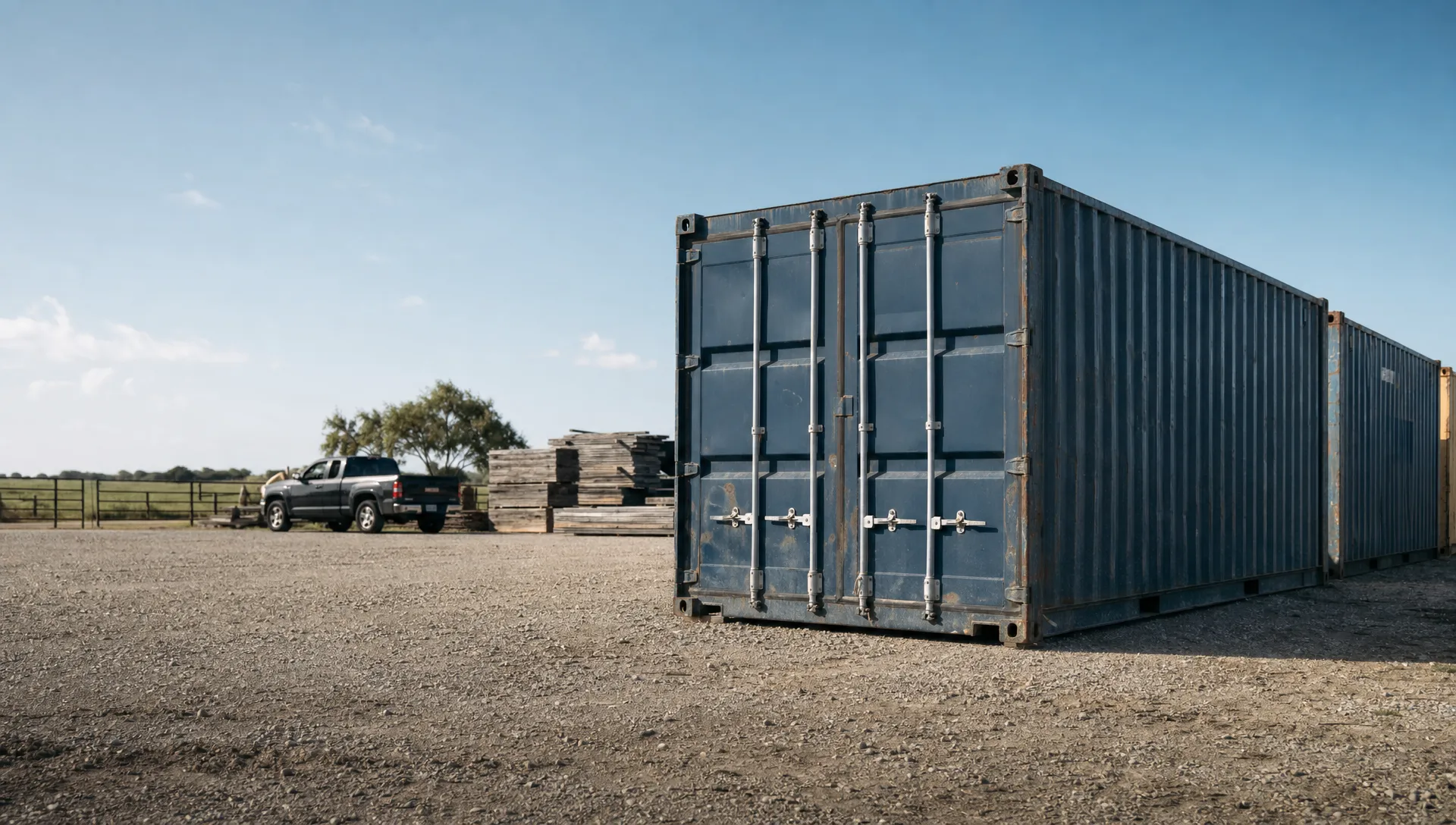
How to Sell My Shipping Container Without Losing Value
To sell my shipping container without losing value, prove its condition before you list it. Clean it, document the grade, take clear photos, fix small defects and control the pickup terms. Buyers pay more when they can verify that a cargo container is wind and watertight, structurally sound and easy to move.
Quick Answer: Your container’s resale price depends on size, condition, location, delivery access, paperwork and buyer trust. Do not accept the first vague offer. Build a clean listing with photos, measurements, container number, inspection notes and written payment terms.
Key Takeaways
- Condition grade matters most. WWT, CWO and one-trip containers hold value better than as-is units.
- Small repairs can protect price, especially door seals, locking rods, floor damage and active rust.
- Delivery access affects offers because buyers factor trucking, crane service and rollback availability into the price.
- Good photos and honest notes reduce buyer doubt and help you avoid lowball offers.
- Use a written bill of sale and verified payment before releasing the container.
Before I Sell My Shipping Container, What Determines Value?
A used shipping container is not priced like a couch or a farm trailer. Buyers compare it against available inventory, delivered replacement cost and risk. A clean 20ft conex box sitting near a major route will usually attract stronger offers than the same unit in a remote field with poor truck access.
The biggest value drivers are simple: size, grade, age, rust, floor condition, door function and delivery logistics. A standard 20ft ISO container is about 20 feet long, 8 feet wide and 8 feet 6 inches tall. A 40ft standard unit is about 40 feet long, 8 feet wide and 8 feet 6 inches tall. High cube containers add another foot of height, reaching 9 feet 6 inches.
The ISO 668 standard defines the main dimensional framework for Series 1 freight containers. Exact tare weight and payload capacity vary by manufacturer, but standard 20ft containers often have a tare weight near 4,800 to 5,000 pounds. A standard 40ft unit often weighs roughly 8,000 to 8,800 pounds empty.
| Value factor | What buyers look for | How it affects your offer |
|---|---|---|
| Size | 10ft, 20ft, 40ft, 40ft high cube or 45ft high cube | Common sizes are easier to sell because buyers can compare them |
| Condition | One-trip, CWO, WWT or as-is | Better grades reduce buyer risk and support a higher price |
| Location | Distance from buyer, depot or trucking route | Remote pickup can lower offers due to hauling cost |
| Doors | Smooth opening, good gaskets, no bent locking rods | Sticky or damaged doors create repair risk |
| Roof and corners | No major dents, holes or corner post damage | Structural issues can remove commercial buyers |
| Floor | Solid plywood or bamboo floor, no soft spots | Weak flooring hurts storage and job-site use |
| Modifications | Vents, lockbox, windows, doors, insulation or electrical rough-in | Useful mods may add value, poor mods can lower it |
Grade the Container Like a Buyer Will
If you want better offers, do not describe the container only as “used.” That word can mean almost anything. A buyer needs to know whether the container is fit for storage, transport, conversion or scrap.
Common grades include one-trip, cargo worthy, wind and watertight and as-is. A one-trip container has usually made one overseas trip and has minor handling marks. A cargo worthy container, often shortened to CWO, is structurally suitable for cargo transport when properly certified. Wind and watertight, or WWT, means the container should keep out normal rain and wind when doors and seals are closed.
When people search “how to sell my shipping container,” they often skip grading and go straight to price. That is a mistake. A clear grade makes your listing easier to trust and harder to discount.
| Grade | Plain-English meaning | Best buyer type | Resale note |
|---|---|---|---|
| One-trip | Newer unit with limited use | Homeowners, builders, container conversion buyers | Strongest resale if clean and dent-free |
| CWO | Cargo worthy unit suitable for intermodal use when certified | Freight users, exporters, commercial buyers | Needs credible inspection or documentation |
| WWT | Wind and watertight storage-grade unit | Farms, contractors, homeowners, small businesses | Most common used resale category |
| As-is | No condition promise | Repair buyers, bargain hunters, scrap buyers | Expect heavier negotiation |
Check the core inspection points
Start with the same checks a careful buyer will perform. Walk around the container and look at the roof line, side panels, corner posts, bottom rails and door frame. A container can look fine from 20 feet away but still have roof pinholes, bowed walls or worn gaskets.
Use a flashlight test from inside the container. Close the doors during daylight and look for pinholes. Small light leaks often mean water leaks. If the floor feels soft or spongy, note the area and photograph it.
Outback Shipping Containers has a detailed guide on how to inspect a used shipping container for sale that covers structural checks, rust, floors, doors and roof condition. That same buyer-side checklist is useful when you are preparing your own container for resale.
Confirm the identity markings
Record the container number if it is still legible. Many ISO containers have a four-letter owner code, six serial digits and a check digit. Also photograph the CSC plate if present. The plate may not matter for a farm storage buyer, but commercial buyers may ask about it.
Do not claim active certification unless you can prove it. If the container has been sitting for years, treat old markings as identification, not a guarantee.
Prepare It Before Listing
Presentation can change the tone of the whole sale. A buyer who sees mud, trash, vines and stuck doors assumes hidden problems. A buyer who sees a clean, dry, accessible intermodal container assumes lower risk.
Before you list, empty the unit completely. Sweep the floor, remove loose debris and clear brush around all four sides. If the container is used for job-site storage, remove nails, broken pallets, spilled materials and old labels that could make the buyer question what was stored inside.
Make small repairs that protect value
You do not need to over-improve the container. Some repairs return more than they cost, while others make sense only for a conversion project or a specific buyer.
Focus on practical fixes first:
- Lubricate door hinges, locking bars and cam keepers.
- Replace torn door gaskets if water is entering through the doors.
- Treat active rust spots before they spread.
- Patch small roof pinholes if you can do it cleanly.
- Re-secure loose floor fasteners and remove trip hazards.
If your unit has modifications, separate useful upgrades from rough work. A lockbox, vents, personnel door or clean electrical rough-in may help. Poorly cut windows, weak framing or unsealed roof penetrations can scare buyers away.
For a deeper look at resale-friendly upgrades, read Outback’s guide to shipping container modifications that pay off. It explains which improvements tend to add practical value for storage, office and workshop use.
Take photos that answer buyer doubts
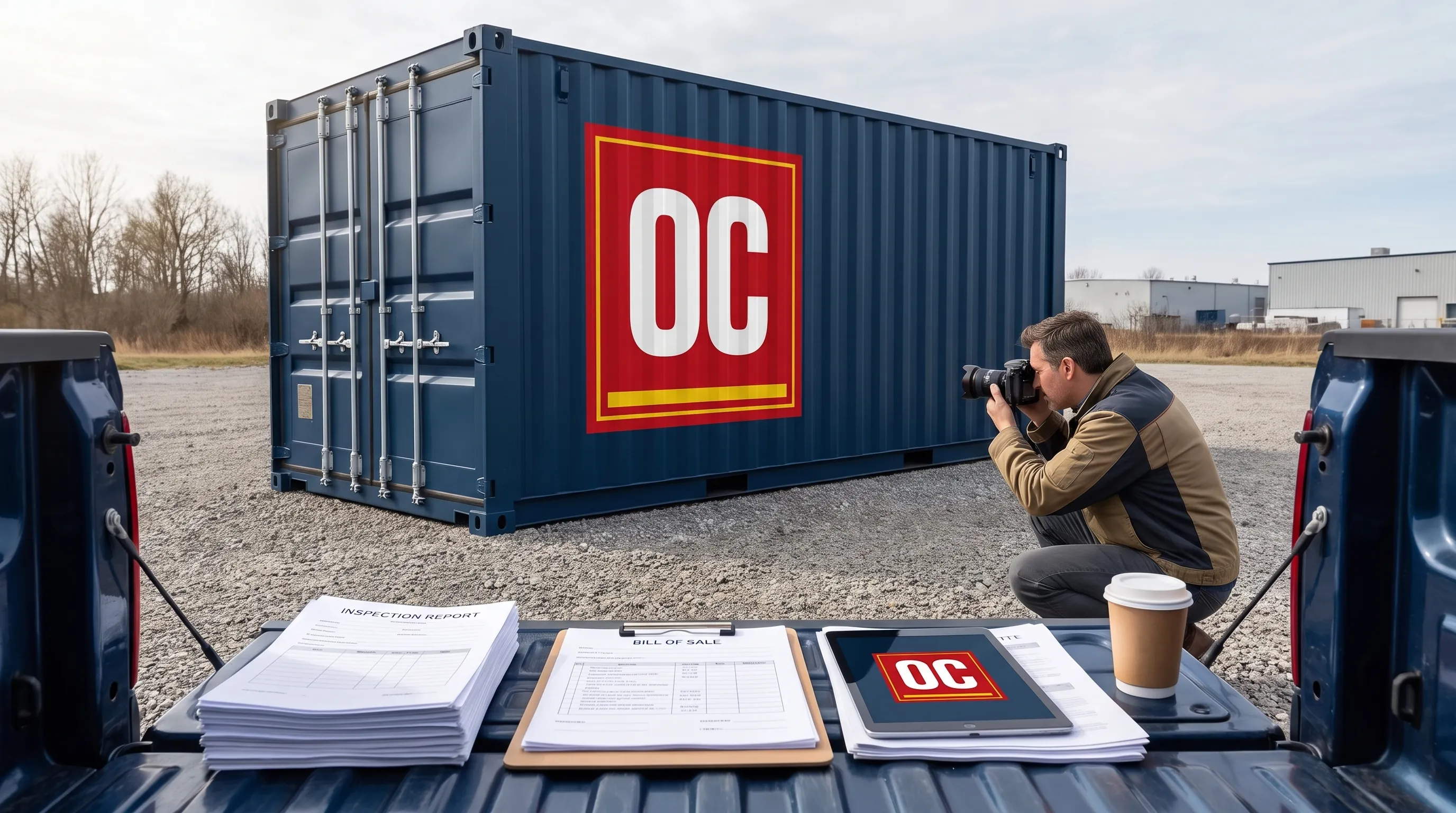
Bad photos lower offers. Take photos in daylight and avoid tight shots that hide context. Include every side, the roof if safe, both door ends, the floor, the ceiling from inside and close-ups of any damage.
A strong listing usually includes:
- Full exterior photos from all four corners.
- Interior photos with doors open and closed.
- Door gasket, locking rod and hinge photos.
- Floor photos showing any patched or soft areas.
- Close-ups of rust, dents, holes or modifications.
- A wide shot showing truck access to the pickup spot.
If you are trying to sell my shipping container to a contractor, farm owner or small business, access photos matter almost as much as condition photos. Buyers want to know whether a rollback truck, tilt-bed trailer or crane can reach the unit without getting stuck.
Set a Price Without Losing Serious Buyers
Start by comparing your container to real listings, not the highest asking price you find online. Asking price and selling price are not the same. A container listed too high can sit for months, then sell for less after buyers assume something is wrong.
The best pricing method is to compare condition, size and delivered replacement cost. If a buyer can purchase a similar WWT container with delivery from a reliable supplier, your private-sale price must reflect that you are not offering the same support, inspection process or delivery network.
If you are researching “sell my shipping container” because you plan to replace it, study current inspected inventory first. For example, product listings such as the 20ft Used Shipping Container – Wind & Watertight – Beige and the 20ft Used Shipping Container – Wind & Watertight – Blue show how condition, photos and clear WWT descriptions help buyers compare used 20ft units.
You can also review Outback’s buyer-focused guide on how to buy a 20ft shipping container without overpaying. It helps you understand what informed buyers will check before they make an offer.
Use a simple pricing range
Instead of picking one number at random, build a range:
- Top of range: Clean WWT or CWO unit, easy pickup, strong photos, working doors and no major rust.
- Middle of range: Usable storage unit with cosmetic dents, minor rust or average access.
- Bottom of range: As-is unit, hard pickup, door problems, soft floor, roof leaks or unclear ownership history.
Do not hide problems to hold price. If the buyer discovers damage during pickup, the deal may collapse after you have already scheduled equipment.
Choose the Right Selling Route
The best place to sell depends on your timeline, location and tolerance for hassle. Private buyers may pay more, but they ask more questions and may struggle with hauling. Dealers and container suppliers may move faster, but they have to leave room for inspection, transport and resale costs.
If you need to sell my shipping container quickly, the highest offer is not always the best offer. A buyer with verified payment, proper trucking and a clear pickup plan may be worth more than someone offering extra money with no logistics.
| Selling route | Pros | Cons | Best fit |
|---|---|---|---|
| Private local sale | Often stronger price | More messages, scams and failed pickups | Clean storage containers in populated areas |
| Contractor or farm buyer | Practical buyers, clear use case | May negotiate hard | WWT 20ft and 40ft units |
| Container dealer | Faster process if they are buying | Lower offer due to resale costs | Common sizes in decent condition |
| Auction | Can create urgency | Final price is uncertain | Hard-to-price or modified units |
| Scrap buyer | Quick exit for badly damaged units | Lowest return | Containers with major structural failure |
Write a listing that filters out lowballers
Your listing should sound factual, not emotional. Include the size, condition, color, location, access notes and known flaws. Say whether the buyer must arrange pickup or whether you can help connect them with a hauler.
A strong listing might say: “20ft used WWT storage container, beige, solid floor, working doors, visible surface rust, no known roof leaks, buyer responsible for pickup, accessible by gravel drive.” That sentence gives serious buyers enough to decide whether it fits their use.
Avoid vague claims like “perfect,” “like new” or “cargo ready” unless they are true and documented. Serious buyers prefer honest detail over sales talk.
Handle Pickup, Payment and Paperwork Safely
Container sales often fail at the logistics stage. A buyer may have cash but no way to move a 5,000-pound steel box. Before you accept a deposit, confirm how the unit will be loaded, who is responsible for damage during pickup and whether the truck can reach the site.
If a commercial carrier is moving the container on public roads, cargo securement matters. The Federal Motor Carrier Safety Administration publishes cargo securement rules for commercial motor vehicles. You do not need to manage the carrier’s compliance, but you should hire or approve a hauler who knows how to secure an ISO container.
Protect yourself with written terms
Most used storage containers do not transfer with a vehicle-style title. A written bill of sale is still important. It should identify the seller, buyer, container number if available, size, condition description, sale price, pickup address, payment status and date of transfer.
Use payment methods that can be verified before release. Be careful with overpayment scams, third-party pickup pressure and buyers who refuse to speak by phone. If a cashier’s check is used, verify it with the issuing bank before the container leaves your property.
If you are selling a container that has been converted into a shipping container home, office, cabin or retail unit, include more detail. Permits, electrical work, insulation and structural cuts can affect value. Building code and zoning rules vary by city, county and state, so do not promise that a modified unit is legal for a buyer’s intended use.
Mid-article tip: If selling one unit means you still need secure storage, compare your options against Outback Shipping Containers’ current container inventory. A certified WWT replacement with nationwide delivery may be simpler than buying another private-sale container with unknown history.
Know When Not to Sell
Sometimes the smartest way to preserve value is to keep the container. If you still need dry storage for tools, feed, furniture, vehicles or job-site materials, selling and replacing later may cost more than keeping the unit.
A container can also earn value as part of a larger property plan. Homeowners use them for workshops. Farms use them for equipment and chemical storage, when local rules allow. Developers and Airbnb hosts may convert units into cabins, offices, pool houses or storage for maintenance crews.
If your unit is already modified, think carefully before selling it as a generic storage container. A clean container office, workshop or well-built container conversion may need a different buyer than a standard WWT conex box. The wrong listing category can make buyers judge it only as used steel.
On the other hand, do not keep a badly damaged unit because you hope it will rebound in value. Heavy roof leaks, bent corner posts, twisted frames and unsafe floors rarely fix themselves. In those cases, a fast sale may stop further loss.
Frequently Asked Questions
How much can I sell a used shipping container for?
The price depends on size, condition, location, delivery access and local supply. A clean WWT 20ft or 40ft container usually has a wider buyer pool than an as-is unit. Compare your container against current local listings and inspected replacement units before setting a firm asking price.
Where is the best place to sell my shipping container?
The best place is usually a local marketplace, contractor network, farm community, auction platform or container dealer, depending on your timeline. Private buyers may pay more, but dealers may move faster. Choose the buyer who has verified payment and a realistic pickup plan.
Do shipping containers lose value over time?
Yes, but condition matters more than age alone. Rust, roof leaks, floor damage, hard door operation and poor modifications reduce value fastest. A clean WWT or CWO container that stays dry, level and accessible can hold value better than a neglected newer unit.
What paperwork do I need to sell a shipping container?
Use a written bill of sale with buyer and seller names, sale date, price, container size, condition and container number if visible. Include pickup terms and payment status. If you have purchase receipts, inspection notes or modification records, provide copies to build buyer confidence.
Should I repair rust before selling a container?
Treat active rust if the repair is simple and honest. Removing loose scale, sealing small spots and documenting the work can protect value. Do not hide deep corrosion with fresh paint. Buyers will check bottom rails, door frames, roof seams and corner posts closely.
Can I sell a modified shipping container?
Yes, but modified containers need better documentation. List added doors, windows, vents, insulation, electrical rough-in, framing and structural cuts. If it was used as an office, cabin or shipping container home, remind buyers that permits and code approval depend on local authorities.
Final Checklist Before You Accept an Offer
Before you release the container, slow down and confirm the deal in writing. A few minutes of checking can prevent a bad pickup, missed payment or dispute over condition.
Use this final checklist:
- Confirm the buyer’s full name, phone number and pickup plan.
- Verify payment before the container leaves your property.
- Photograph the container on the day of pickup.
- Note the container number and condition in the bill of sale.
- Make sure the hauler has safe access and enough room to load.
- Remove personal property, locks and hazardous materials.
If you started with the question “how do I sell my shipping container without losing value,” the answer is discipline. Grade it honestly, present it clearly, price it against real alternatives and do not let poor logistics weaken your deal.
If selling your current unit is part of a larger storage, office or modular build plan, Outback Shipping Containers can help you compare inspected new, used and custom options with nationwide delivery. Start by reviewing shipping containers available from Outback Shipping Containers and use those listings as a practical benchmark for your next move.