20ft Refrigerated Container Buying Guide for 2026
Compare new vs used 20ft refrigerated container options, specs, power needs, delivery, inspection tips and buyer red flags for 2026.
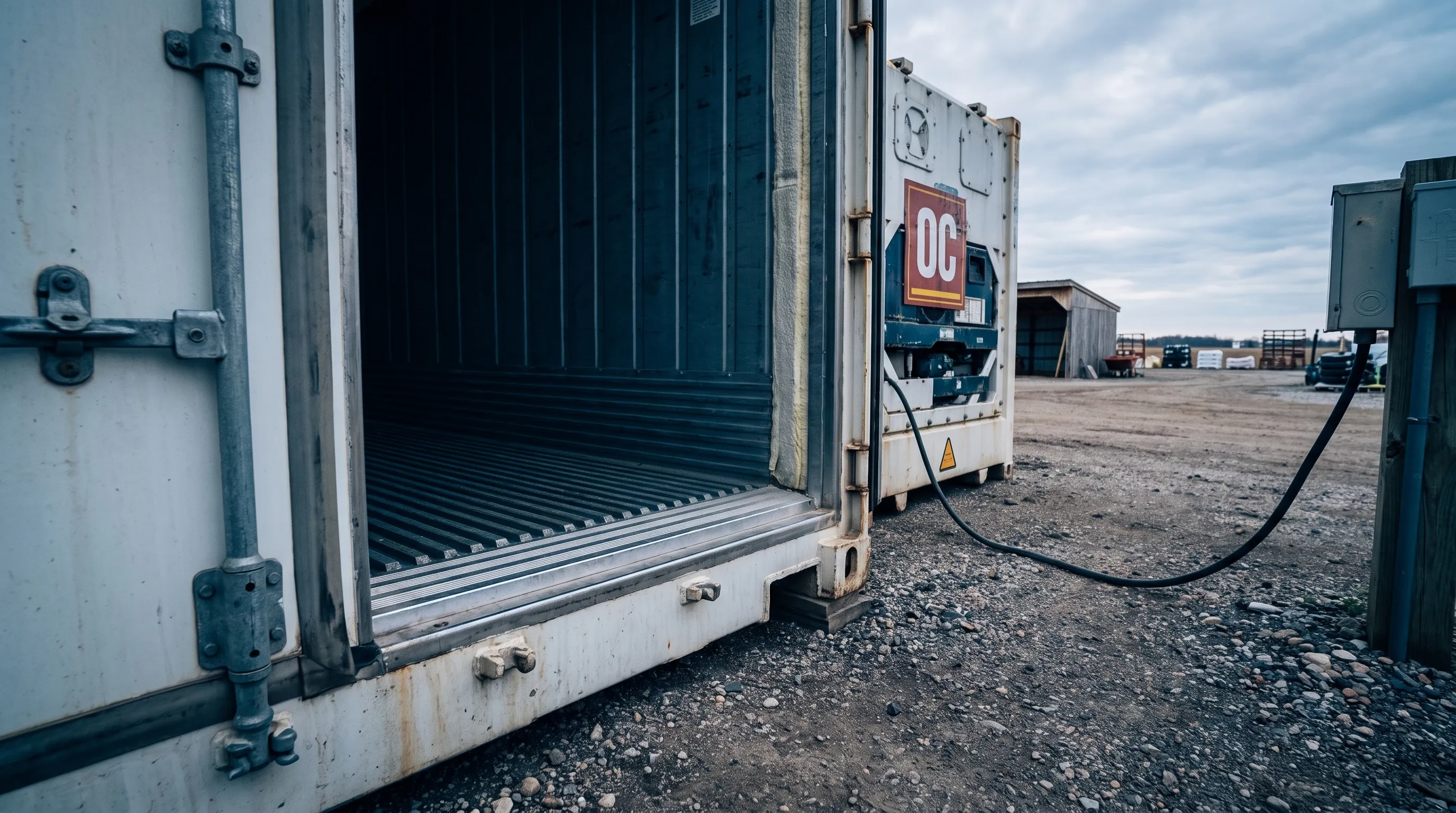
20ft Refrigerated Container Buying Guide for 2026
A 20ft refrigerated container is the right buy when you need secure, temperature-controlled storage in a compact footprint. It works well for food distributors, farms, florists, event operators, restaurants, medical suppliers and businesses that need cold storage at a job site, warehouse, ranch or remote property. The main buying decision is simple: choose a new unit for longer service life and lower risk, or choose a used reefer if price matters and you can verify the refrigeration unit, insulation, seals and power requirements.
Quick Answer: A 20 ft reefer is an insulated ISO container with an integrated refrigeration machine. It is built to maintain chilled or frozen cargo temperatures when connected to the right electrical power. For most buyers, the best unit is one with clear inspection records, clean interior panels, solid door gaskets, good airflow and a refrigeration unit that passes a pre-trip inspection.
Key Takeaways
- A 20 ft reefer gives roughly half the floor space of a 40 ft reefer, but it is easier to place on tight lots, farms, restaurant sites and construction yards.
- Used reefers can save a lot upfront, but inspection matters more because the refrigeration machinery is the expensive part.
- Always confirm power requirements before delivery. Many ISO reefer units use high-voltage 3-phase power.
- Check the CSC plate, data plate, door seals, T-floor, drain lines, controller readings and maintenance history before you buy.
- Permits, zoning rules and electrical requirements vary by city, county and state, so verify local rules before placing a unit.
How a 20ft refrigerated container works
A 20ft refrigerated container, also called a reefer container, is not just a dry cargo container with a cooler bolted on. It is an insulated intermodal container built to protect cargo from outside heat, cold, rain and wind while a refrigeration unit maintains the set temperature.
The container body is usually made from steel with insulated walls, floor and ceiling panels. The refrigeration machine sits at one end. Inside, a T-floor helps cold air move under the cargo, then up through the load and back to the return-air side of the unit.
Reefer container vs standard dry container
A standard 20 ft shipping container is built for dry storage. It can protect tools, building materials, furniture and supplies from weather, but it does not control temperature. A reefer is built for cold-chain storage.
That difference affects almost everything: price, weight, interior dimensions, maintenance, electrical needs and delivery planning. The refrigeration machinery and insulation reduce interior cargo space, but they allow the conex box to store products that a dry unit cannot protect.
If you are still comparing basic cargo container sizes, Outback Shipping Containers also has a broader standard shipping container size guide for 2026 that explains 10 ft, 20 ft, 40 ft, high cube and 45 ft options.
Best uses for a reefer container
A reefer makes sense when product quality depends on controlled temperature. Common uses include produce storage, meat and seafood overflow, dairy staging, flower inventory, beverage storage, farmers market supply, hunting or ranch cold rooms and temporary event cold storage.
A 20ft refrigerated container is also useful when a business needs cold storage quickly but does not want to build a permanent walk-in cooler. Restaurants, caterers, grocery operators and small manufacturers often use reefers during renovations, peak season or equipment downtime.
20 ft reefer dimensions, capacity and specs to verify
Dimensions vary slightly by manufacturer, age and domestic versus ISO configuration. Do not rely only on the word “20 ft.” Ask for the spec sheet, photos of the data plate and inside measurements before buying.
The 20Ft Domestic Refrigerated Containers, Reefers listing gives a useful example of the measurements buyers should request. Its published specs include the following:
| Specification | Metric measurement | Approximate US equivalent |
|---|---|---|
| External length | 6,058 mm | 19 ft 10.5 in |
| External width | 2,438 mm | 8 ft |
| External height | 2,591 mm | 8 ft 6 in |
| Internal length | 5,440 mm | 17 ft 10.2 in |
| Internal width | 2,286 mm | 7 ft 6 in |
| Internal height | 2,240 mm | 7 ft 4.2 in |
| Door opening width | 2,290 mm | 7 ft 6.2 in |
| Door opening height | 2,264 mm | 7 ft 5.1 in |
| Volume | 27 m³ | About 953 cu ft |
| Tare weight | 2,990 kg | About 6,592 lb |
What the numbers mean in real use
The outside size affects delivery, crane placement and whether the unit fits your site. The inside size affects racking, pallets and forklift movement. The tare weight affects transport planning and what equipment can lift or move the container after it arrives.
If a 20ft refrigerated container will hold palletized goods, confirm the pallet type, aisle clearance and airflow path. A reefer must breathe. Blocking the T-floor, ceiling space or return-air area can cause warm spots even if the refrigeration unit is working.
The CSC plate and unit data plate are also important. They identify the container, maximum gross weight, tare weight and other safety information. Payload capacity can vary, so use the plate on the actual unit instead of assuming a standard number.
New vs used 20 ft reefers in 2026
The right choice depends on your risk tolerance, budget and how critical the cargo is. A new or one-trip refrigerated shipping container costs more, but it gives you newer components, cleaner panels and fewer unknowns. A used reefer costs less, but condition varies widely.
For buyers who want the lowest risk path, a new 20 ft unit can be easier to justify. Outback lists a 20ft new refrigerated shipping container as an option for buyers who want a newer cold-storage container with product details available online.
For buyers focused on upfront cost, a used unit may be the better fit. The Used 20ft Refrigerated Shipping Container for Sale | Reefer Container is an example of a used reefer listing for commercial temperature-controlled use.
| Buying option | Best for | Main advantage | Main risk to check |
|---|---|---|---|
| New or one-trip reefer | Long-term business use, sensitive cargo, lower maintenance risk | Newer machinery and cleaner condition | Higher purchase price |
| Used operational reefer | Budget-conscious businesses, seasonal storage, backup cold room | Lower upfront cost | Refrigeration unit history and remaining life |
| Refurbished or repaired reefer | Buyers who want a middle ground | Selected repairs may already be done | Quality depends on the work performed |
| Non-running insulated reefer box | Dry insulated storage, conversions, basic temperature buffering | Lower cost than operational reefers | No active refrigeration |
A 20ft refrigerated container should be judged as both a container and a machine. The steel box may be wind and watertight, but the reefer unit still needs its own inspection.
For deeper pricing context, the Outback guide to used refrigerated shipping container prices in 2026 explains how age, condition, size, delivery distance and reefer-unit status affect the final number.
Refrigeration system and power requirements
The refrigeration machine is the heart of the reefer. Ask for the make, model, operating hours if available, controller display photos and recent pre-trip inspection details. A pre-trip inspection, often called a PTI, checks whether the unit can run through key operating modes.
A reefer is built to maintain temperature. It is not always designed to pull down a full load of warm product quickly. If you plan to load warm produce, beverages or boxed food, ask how the unit should be pre-cooled and what loading practices protect airflow.
Electrical planning before delivery
Many marine ISO reefers in the US market use high-voltage 3-phase power, commonly in the 440V to 480V range, with a dedicated reefer plug. Some domestic or modified units may use different power. The data plate and seller documentation control, not a rule of thumb.
Before buying a 20ft refrigerated container, speak with a licensed electrician. Confirm the site has the right voltage, phase, breaker capacity, disconnect, plug type and grounding. If the site lacks the correct power, you may need electrical upgrades or a compatible transformer.
Temperature range and controller checks
Ask the seller what temperature range the actual unit can support. Many reefers can maintain chilled or frozen conditions, but performance depends on the machine, insulation, ambient temperature, door openings and cargo load.
The controller should be readable and should show setpoint, supply-air temperature, return-air temperature and alarm history where available. If the display shows active alarms, do not ignore them. Alarm codes can point to sensor issues, compressor problems, low refrigerant or electrical faults.
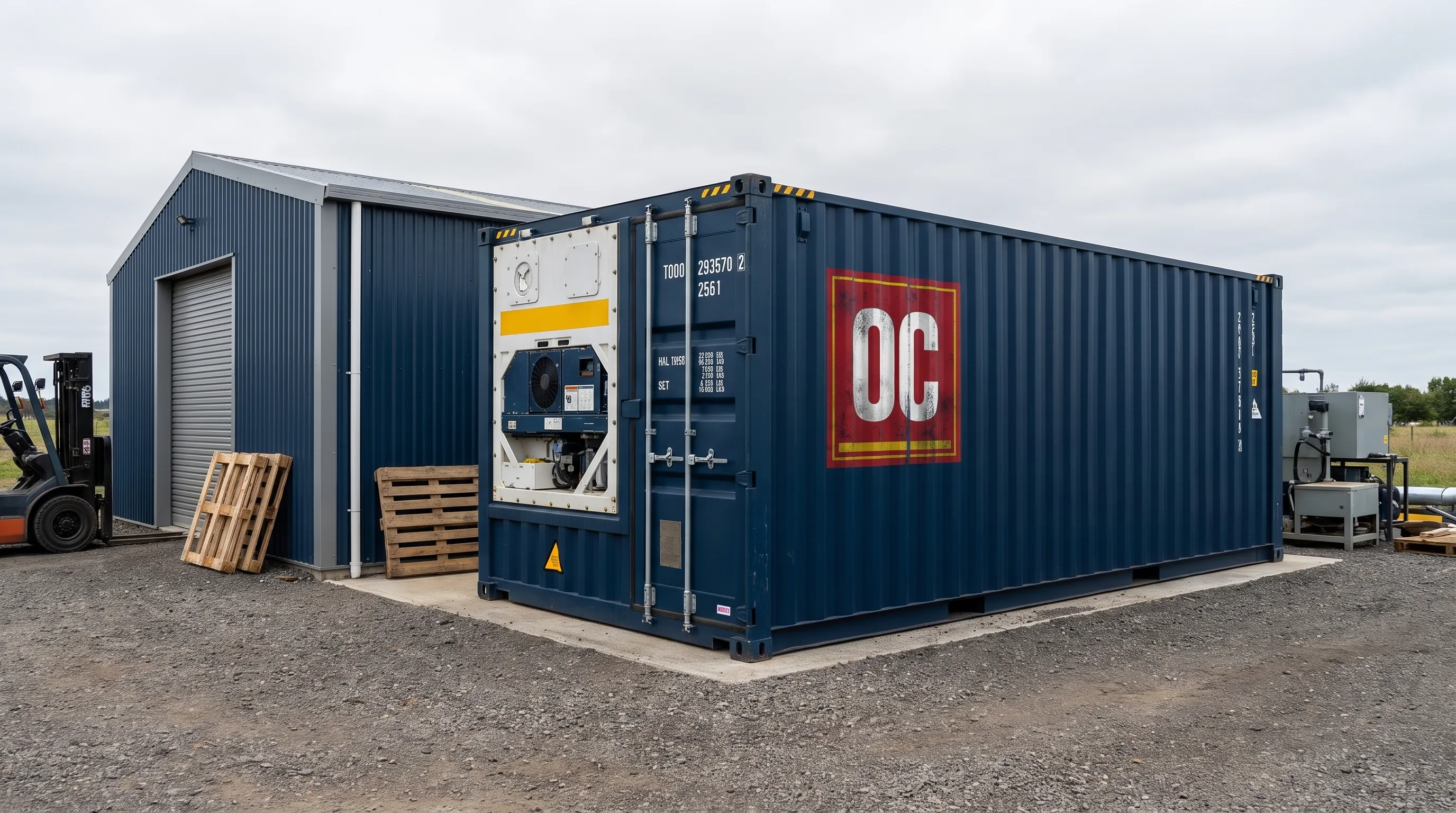
Delivery, placement and site preparation
Delivery planning matters more with a reefer than with a dry ISO container because the unit is heavier and needs power access. Outback Shipping Containers delivers nationwide, including remote and rural locations, but the exact delivery method depends on the site.
Common delivery options include tilt-bed trucks, flatbeds, chassis delivery and crane or forklift placement. Not every property can accept every method. A narrow driveway, low tree limb, soft soil, steep grade or overhead wire can change the plan.
Site checklist before the truck arrives
A level, compacted pad helps doors close correctly and keeps the refrigeration unit from sitting in standing water. Gravel, concrete and asphalt are common choices. The pad should allow airflow around the refrigeration machinery and safe access to the doors.
Prepare these items before delivery:
- Clear truck access with enough turning room.
- A firm, level placement area that can support the container weight.
- Space in front of the doors for pallet jacks, carts or forklifts.
- Electrical service installed near the reefer end, not across traffic paths.
- Drainage that moves water away from the container and power equipment.
A 20ft refrigerated container is easier to place than a 40 ft unit, but it still needs planning. Send site photos, driveway measurements and placement notes to the seller before finalizing freight.
Mid-article buyer note
If you already know you want a used reefer, compare current availability and specifications on Outback’s 20ft used reefer containers page before you plan electrical work or delivery equipment. A specific unit’s dimensions, tare weight and power setup should guide the final site plan.
Inspection checklist before you buy
Buying sight unseen is risky if the seller cannot provide clear photos, documentation and inspection details. A low price can become expensive fast if the refrigeration unit needs major work.
The best approach is to inspect the container shell, then inspect the machine. Outback’s guide on used 20ft reefer containers and what to inspect first covers this in more detail, but the main checks are straightforward.
Container body checks
Look for heavy rust around the bottom rails, corners, doors and understructure. Surface rust is normal on used cargo containers, but holes, deep corrosion and bent structural members are bigger problems.
Check the interior panels for punctures, swelling, delamination or signs of water intrusion. Inspect the T-floor for damage and confirm drain lines are open. Walk the floor if safe to do so and look for soft spots or loose sections.
Door, seal and airflow checks
Door gaskets should be flexible and continuous. Damaged seals can leak cold air and make the machine run harder. Door hardware should latch tightly without forcing the handles.
For buyers using a 20ft refrigerated container for food, flowers or other sensitive inventory, airflow is not optional. Inspect the T-floor, return-air opening and ceiling area. A clean interior with no cargo residue is also easier to sanitize and maintain.
Reefer unit checks
Ask for proof the refrigeration unit runs under load. Photos of the display are useful, but a running test and PTI documentation are better. Confirm there are no active alarms and ask about recent service.
A qualified reefer technician can check compressor operation, refrigerant condition, fan motors, sensors, wiring and controller history. That inspection can save far more than it costs, especially if your cargo is valuable.
Compliance, permits and cold-chain notes
A reefer container is an industrial storage asset. Before placing one, confirm local rules. Some cities and counties treat containers as temporary storage. Others require permits, screening, setbacks or engineered foundations, especially if the unit stays on-site long term.
Building codes and zoning rules vary by state, county and city. If you plan a container conversion, job-site office, food facility, farm stand or retail cold room, talk with local building, zoning, fire and health authorities before ordering.
ISO and food-safety considerations
Refrigerated freight containers are part of the wider intermodal container system. The ISO publishes container standards, including ISO 1496-2 for thermal containers, which is one reason buyers often hear terms like ISO container and intermodal container.
If the container will be used for food, cold storage alone may not satisfy all legal duties. The FDA’s Sanitary Transportation of Human and Animal Food rule explains federal requirements that may apply to transportation operations. Local health departments may also have requirements for stationary food storage.
A 20ft refrigerated container used for food should be cleanable, pest-resistant and operated with temperature monitoring. Keep records if your business or health inspector requires them.
Common buying mistakes to avoid
The first mistake is buying only on price. A cheap reefer with a failing compressor, bad controller or damaged insulation can cost more than a cleaner unit with a higher sticker price.
The second mistake is ignoring power. A reefer that cannot connect to your site power is not useful on delivery day. Confirm voltage, phase and plug details in writing.
The third mistake is treating “wind and watertight” as the same thing as “operational reefer.” WWT describes the container shell. It does not prove the refrigeration unit can hold temperature.
The fourth mistake is forgetting service access. Leave space around the reefer end so a technician can work safely. Crowding the machine against a wall or fence can hurt airflow and make repairs harder.
Finally, do not assume a reefer will solve every temperature problem. Door openings, warm product loading, direct sun, blocked airflow and poor electrical supply can all affect performance.
Frequently Asked Questions
How much does a 20 ft refrigerated container cost?
Prices vary by condition, age, refrigeration-unit status, location and delivery distance. Outback product pages show examples, including used 20 ft refrigerated listings around the mid-four-figure range and new 20 ft refrigerated listings at much higher prices. Always compare the unit condition, included delivery terms and inspection details.
What power does a 20 ft reefer container need?
Many ISO reefer containers use 440V to 480V 3-phase power, but domestic units and modified reefers can differ. Check the data plate on the actual unit before buying. Have a licensed electrician confirm voltage, phase, breaker size, grounding and plug compatibility before delivery.
Can a refrigerated container be used without electricity?
It can be used as an insulated storage box without power, but it will not actively cool the contents. The insulation may slow temperature change, yet heat will still build over time. If you need controlled chilled or frozen storage, the refrigeration unit must be connected to the correct power.
How cold can a refrigerated shipping container get?
The answer depends on the reefer unit, setpoint range, insulation condition, ambient weather, cargo temperature and airflow. Many units can support chilled or frozen storage, but you should confirm the operating range for the exact container. Ask for a PTI or running test before purchase.
Do I need a permit for a reefer container?
Maybe. Permit rules vary by city, county and state. Some locations allow temporary storage containers with few steps, while others require zoning approval, setbacks, screening, electrical permits or foundation details. Check with local building, zoning, fire and health departments before placing the container.
Is it better to buy or lease a refrigerated container?
Buy if you need cold storage for years, want control over modifications or can use the unit across multiple projects. Lease if the need is seasonal or short term. Outback Shipping Containers sells units nationwide, and LeaseLink Containers serves buyers who are comparing leasing options.
Final buying advice for 2026
A 20ft refrigerated container is a smart purchase when you need reliable cold storage, compact placement and the flexibility to move or repurpose the unit later. The best buyer is not the one who finds the lowest number. It is the one who verifies condition, power, delivery access and local requirements before paying.
Start with your use case, cargo type, temperature target and site power. Then compare new, used and refurbished options against the cost of downtime or spoiled inventory.
If you are ready to compare available reefers, review Outback Shipping Containers’ used 20 ft refrigerated container options or look at a new 20 ft refrigerated shipping container for a lower-risk long-term setup.