Modified Storage Containers: Upgrades That Add Real Value
Compare modified storage containers by security, access, moisture control and total cost. Learn which upgrades add value and what to check before buying.
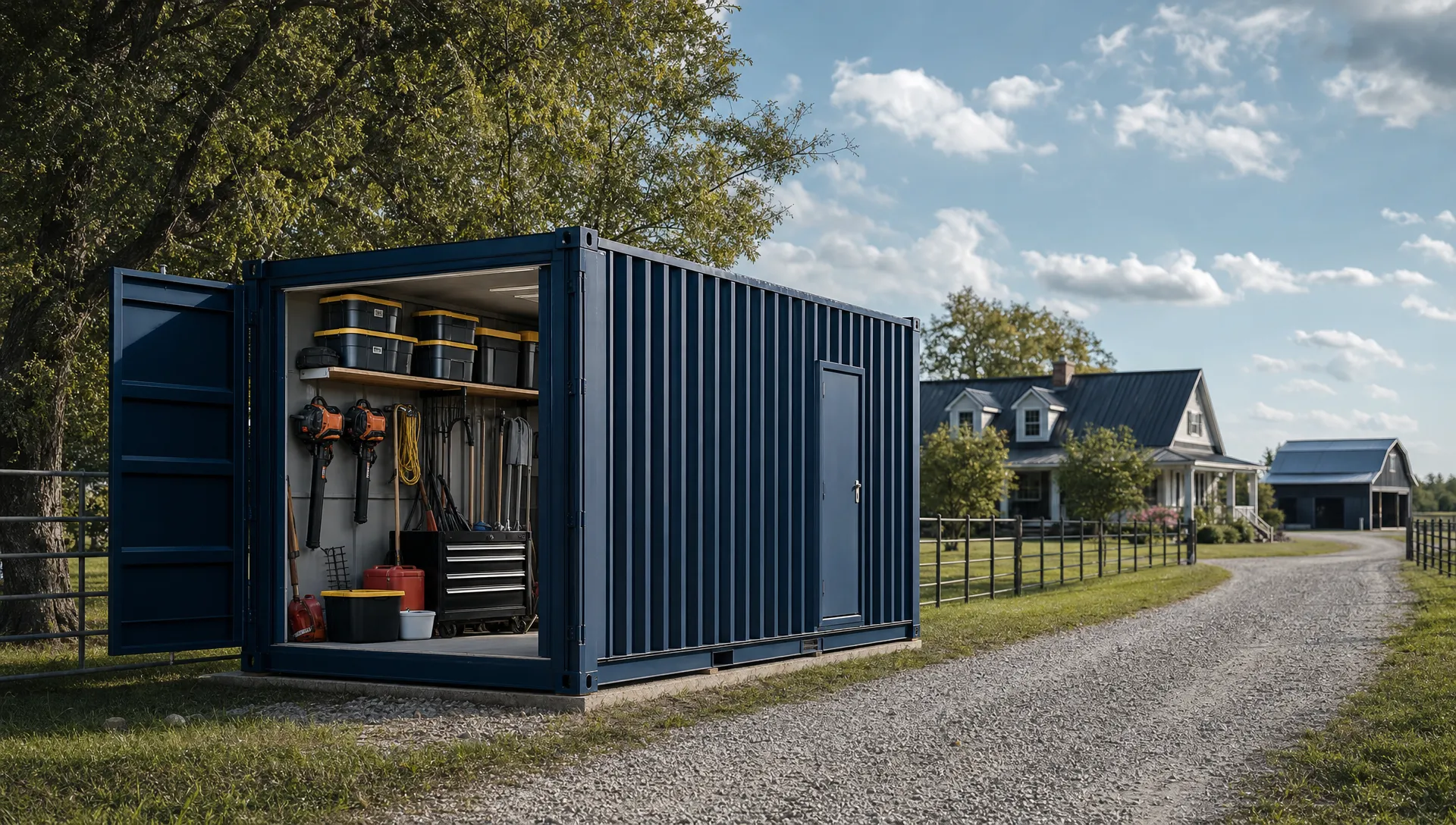
Modified Storage Containers: Upgrades That Add Real Value
Quick Answer: The best modified storage containers protect your inventory, make loading easier and reduce wasted space. Start with a sound, wind- and watertight shell. Then choose security, access, shelving and moisture-control upgrades around what you store. Insulation, electrical service and large openings add value only when the job requires them.
A useful modification solves a specific problem. A side door might eliminate daily unloading to reach equipment. A lockbox can shield an exposed padlock. Extra windows, by contrast, may add little to a container used only for secure storage.
Key Takeaways
- Choose the shell, size and delivery location before designing upgrades.
- Measure the largest stored item and plan its route through the door.
- Treat ventilation, insulation and dehumidification as different tools.
- Get structural advice before cutting large openings.
- Compare complete installed costs and require clear acceptance checks.
Choose the Right Shell Before Paying for Upgrades
A container conversion cannot make a poor shell a good investment without repair work. Inspect the roof, floor, door seals, corner posts and lower rails before committing to modifications. Doors should close without excessive force, and the floor should show no soft spots or unexplained staining.
Compare Size Against Your Actual Storage Layout
The table below uses nominal container sizes. Interior dimensions vary by manufacturer and shrink after insulation, lining or partitions are installed.
| Container type | Nominal exterior dimensions | Exterior footprint | Practical storage advantage |
|---|---|---|---|
| 20ft standard | 20ft long × 8ft wide × 8ft 6in high | About 160 sq. ft. | Shorter footprint for smaller sites and compact inventories |
| 40ft standard | 40ft long × 8ft wide × 8ft 6in high | About 320 sq. ft. | More room for long materials or separated storage zones |
| 40ft high cube | 40ft long × 8ft wide × 9ft 6in high | About 320 sq. ft. | An extra 12 inches of exterior height |
Mark shelving, aisle space and equipment footprints on a scaled plan. A 40ft conex box offers twice the nominal floor footprint of a 20ft unit, but that does not guarantee twice the usable storage if access is poorly planned.
For modified storage containers, usable capacity matters more than empty cubic volume. Confirm the finished clear door opening, ceiling height and aisle width, not just the original shell dimensions.
Understand One-Trip, WWT and Cargo-Worthy Condition
A one-trip container has generally completed one cargo journey and typically has less wear than a used unit. It can be a sensible starting point when appearance, door operation and extensive modifications matter.
WWT means wind and watertight. Cargo-worthy, often shortened to CWO, concerns suitability for cargo transport, subject to the applicable inspection and requirements. Neither description establishes that a container is approved for occupied use.
A used ISO container may still serve storage well. Review floor condition, odors and available cargo history, especially before storing food-related goods or converting the space for people. If you are considering a compact custom build, the 20ft modified one-trip container listing provides a starting point for discussing a written specification.
Modified Storage Containers: Match Each Upgrade to a Job
Rank each proposed upgrade against a measurable result: less handling, better protection or more usable storage. Appearance can matter on a customer-facing property, but it should not displace repairs or safe access.
Improve Access Where Inventory Actually Moves
Original cargo doors provide broad end access. A personnel door helps when someone needs to enter frequently without opening both cargo doors. A side opening can improve access to stock that would otherwise sit behind other items.
Before choosing a door, measure your widest item, handling equipment and turning space. Ask for the finished opening dimensions, including frames and thresholds. A nominal door size does not necessarily equal its clear opening.
For modified storage containers used daily, shorter retrieval time is a useful value test. If a layout saves 10 minutes across 20 workdays, that is 200 minutes, or 3 hours and 20 minutes, of handling avoided each month.
Strengthen Security Without Blocking Escape
A lockbox shields a padlock from direct access and some cutting tools. It does not make the container theft-proof. Door condition, hinges, site lighting and the location of the unit still affect security.
If people will work inside, specify hardware that allows safe exit without someone unlocking the container from outside. Office or workshop conversions require a broader review of emergency exits and applicable building requirements.
Install Shelving Around Loads, Not Guesswork
Shelves should have stated load limits and suitable attachment details. Ask how loads transfer into the container structure. Do not assume thin wall panels can support heavy shelving simply because they are steel.
Keep heavy goods low and distribute loads rather than concentrating everything at one end. For construction sites, OSHA's material-storage requirements address stable stacking and clear aisles and passageways.
| Upgrade | Problem it addresses | What to verify before acceptance |
|---|---|---|
| Lockbox | Exposed padlock | Lock compatibility and unobstructed door operation |
| Personnel door | Frequent entry | Clear opening, weather seals and exit hardware |
| Side-access opening | Hard-to-reach inventory | Reinforcement design and loading clearance |
| Shelving | Poor organization | Rated loads, attachment method and aisle space |
| Interior lighting | Low visibility | Safe installation and useful light at storage locations |
Keep Stored Goods Dry Without Overbuilding
Leaks and condensation need different solutions. A roof leak requires repair. Condensation forms when humid air meets a sufficiently cold surface, even inside an otherwise watertight container.
Dry floors, dry inventory and sound seals are the first checks for modified storage containers. Insulation will not correct a leaking roof or remove moisture already trapped in stored materials.
Use Ventilation for Air Exchange, Not Guaranteed Humidity Control
Ventilation can help remove moisture when outdoor conditions allow it. However, bringing humid outdoor air into a cooler container can also contribute to condensation. Passive vents are not a substitute for controlled humidity when storing sensitive equipment or documents.
Match moisture control to the contents and climate. A humidity monitor can reveal changing conditions before damage becomes visible. Dehumidifiers also need electricity, drainage or regular tank emptying, plus suitable operating temperatures.
The EPA's guidance on moisture and mold emphasizes fixing water problems and controlling moisture. That principle applies to storage too, although acceptable conditions depend on the materials you keep inside.
Pay for Insulation When Temperature Control Matters
Insulation can reduce heat transfer and help limit condensation when installed as part of a suitable assembly. Its performance depends on coverage, thickness, air sealing and the treatment of steel thermal bridges.
Ask for the insulation material, specified R-value and interior finish. Some foam systems require protective coverings under applicable codes. Do not accept “insulated” as a complete technical description.
For modified storage containers holding temperature-sensitive inventory, consider the entire system: insulation, air leakage, heating or cooling and humidity control. Electric heating alone does not provide summer cooling or dedicated dehumidification.
Plan Structural Work, Utilities and Permits Before Fabrication
Large openings need structural review. Cutting a container wall changes the original load path, and the right reinforcement depends on opening size, location and intended use. A welded frame is not automatically evidence of an adequate design.
Preserve Strength and Verify Transport Suitability
Ask who designed the reinforcement and what documentation accompanies the work. Shelving anchors, roof-mounted equipment and heavy interior fixtures may also need structural review.
If the intermodal container will return to cargo service, ask whether modifications affect its CSC approval. A plate on the original shell does not prove every later alteration is acceptable for transport.
Added materials increase tare weight and can reduce remaining payload capacity. Obtain the finished weight and applicable load limits rather than relying only on the original door markings.
Specify Electrical Work and Intended Occupancy
Lighting and receptacles can make a storage unit more useful, but the installation must suit the location and use. Confirm the service connection, circuit requirements, grounding arrangements and any required inspections with a qualified electrician.
Requirements vary by state, county and municipality. Consult local planning and building authorities about zoning, placement, setbacks, foundations and permits before ordering fabrication. A shipping container home or occupied office usually needs more review than basic unoccupied storage.
Storage of fuels, chemicals or large battery systems may require specialized ventilation, separation and fire protection. Do not assume a standard cargo container becomes suitable by adding a vent.
Compare a Dedicated Office With a Storage Conversion
When a project needs regular desk work rather than occasional inventory checks, compare an office build against modifying a storage shell. Outback Shipping Containers' Converted 40ft Shipping Container | Open Plan Office | Portable Container Building is listed with foam insulation, electric heating, LED lighting, full-glass panels, French doors and vinyl flooring, plus anti-vandal construction, locking doors and shutters.
The product is described as delivered complete and installation-ready. Confirm site preparation, utility connections and local approvals before purchase. Its office features offer a useful comparison, but glazing and finished interiors are not necessary for every storage project.
Compare Complete Quotes, Not Just Modification Prices
The purchase price alone does not show whether modified storage containers offer good value. Site work, transportation, utility connections and final installation can change the total substantially.
Request written quotes based on the same specification. Otherwise, a lower price may reflect thinner insulation, fewer circuits, a smaller door or delivery that excludes final placement.
Separate the Costs You Can Actually Compare
A useful quote identifies the shell and each major work package. It should also distinguish included work from owner responsibilities.
- Container and repairs: Size, condition, inspection details and repairs included before fabrication.
- Modification work: Doors, reinforcement, shelves, insulation, finishes and electrical scope.
- Site and delivery: Foundations or supports, drainage, transportation and unloading method.
- Connections and approvals: Utility hookups, permit responsibilities and required inspections.
- Ongoing costs: Electricity, maintenance, security and any financed purchase costs.
Ask what the supplier's guarantees cover after modification. A watertight shell guarantee and a warranty on added doors or electrical work may have different terms.
Use a Simple Payback Test
Compare an upgrade's additional cost with a measurable saving. For example, if your quoted upgrade costs $1,200 and avoids $25 in monthly expense, simple payback is 48 months. This is an illustrative calculation, not an Outback product price, and it excludes financing, maintenance and resale value.
Some improvements prevent losses rather than produce monthly savings. Better seals may protect inventory, while improved access may reduce handling damage. Avoid assigning a guaranteed dollar return unless you have records to support it.
To compare purchasing with off-site rental, the guide to using shipping containers as storage units provides broader ownership considerations. Keep that decision separate from whether each proposed modification earns its cost.
Check Delivery Access and Test the Finished Container
Confirm delivery logistics before fabrication begins. Modified storage containers can become heavier or require different unloading arrangements, so the original shell's delivery plan may no longer be sufficient.
Prepare the Site for the Selected Delivery Method
Give the delivery team photos, access dimensions and information about slopes, gates, soft ground and overhead obstructions. A truck needs maneuvering space beyond the container's footprint. Obtain the required approach and unloading clearances directly from the carrier.
Place the container on suitable, level supports with drainage around it. Twisting the shell on uneven ground can make doors bind. Confirm engineered anchoring or foundation requirements where local conditions or authorities require them.
Make Acceptance Checks Part of the Order
Agree on acceptance criteria before paying for fabrication. Then inspect the completed unit against the written specification, ideally before it leaves the workshop and again after placement.
- Operate every door and check locks, seals and thresholds.
- Inspect added openings, weld coatings and roof condition.
- Verify shelf ratings and clear aisle dimensions.
- Obtain required electrical and structural documentation.
- Record finished dimensions, weight and maintenance instructions.
A daylight inspection can reveal holes, but it does not prove every seal is watertight. Ask how water resistance was checked around added openings. If a problem appears after delivery, photograph it and follow the supplier's reporting process promptly.
Frequently Asked Questions
What are modified storage containers?
Modified storage containers are cargo containers changed for a specific storage or work requirement. Common changes include lockboxes, personnel doors, shelving, lighting and moisture-control systems. More extensive conversions add insulation, utilities or partitions. The right specification depends on the contents, access frequency, climate and whether people will occupy the space.
How much does it cost to modify a shipping container?
There is no reliable single price because the shell, opening sizes, reinforcement, insulation and utilities vary. Request an itemized quote that includes delivery and identifies site-work exclusions. Compare identical specifications, then add permit fees, utility connections and ongoing costs before deciding which proposal offers better value for your project.
Do I need a permit for a modified shipping container?
Permit and zoning requirements vary by state, county and municipality. Duration of placement, foundations, electrical work and intended occupancy can affect the review. Contact local planning and building authorities before ordering. Approval for a storage unit does not automatically allow its later use as an office or dwelling.
Should I insulate a storage container?
Insulation makes sense when stored goods need temperature control or people regularly work inside. It is not always necessary for durable tools or outdoor-rated materials. First fix leaks and assess moisture sources. Then choose insulation, ventilation or active humidity control around your climate and the requirements of your inventory.
Can I add a side door to a shipping container?
Yes, but the opening needs suitable framing, reinforcement and weather sealing. Confirm the clear opening dimensions and intended loading method before fabrication. Large openings should receive structural review. If the container will return to cargo transport, also verify whether the alteration affects its transport approval and permitted loads.
Start With a Storage Specification, Not an Upgrade List
Before requesting a quote, record what you store, its weight, the largest item dimensions and how often you need access. Add your site location, delivery constraints and any temperature requirements.
Then discuss that specification with Outback Shipping Containers. Ask for a suitable shell, clearly defined modifications and a complete delivery scope so you can compare options without paying for features your storage job does not need.