High Cube Shipping Containers for Tall Cargo and Builds
Learn when a high cube shipping container is worth it for tall cargo, storage, offices, homes, specs, delivery and buying tips.
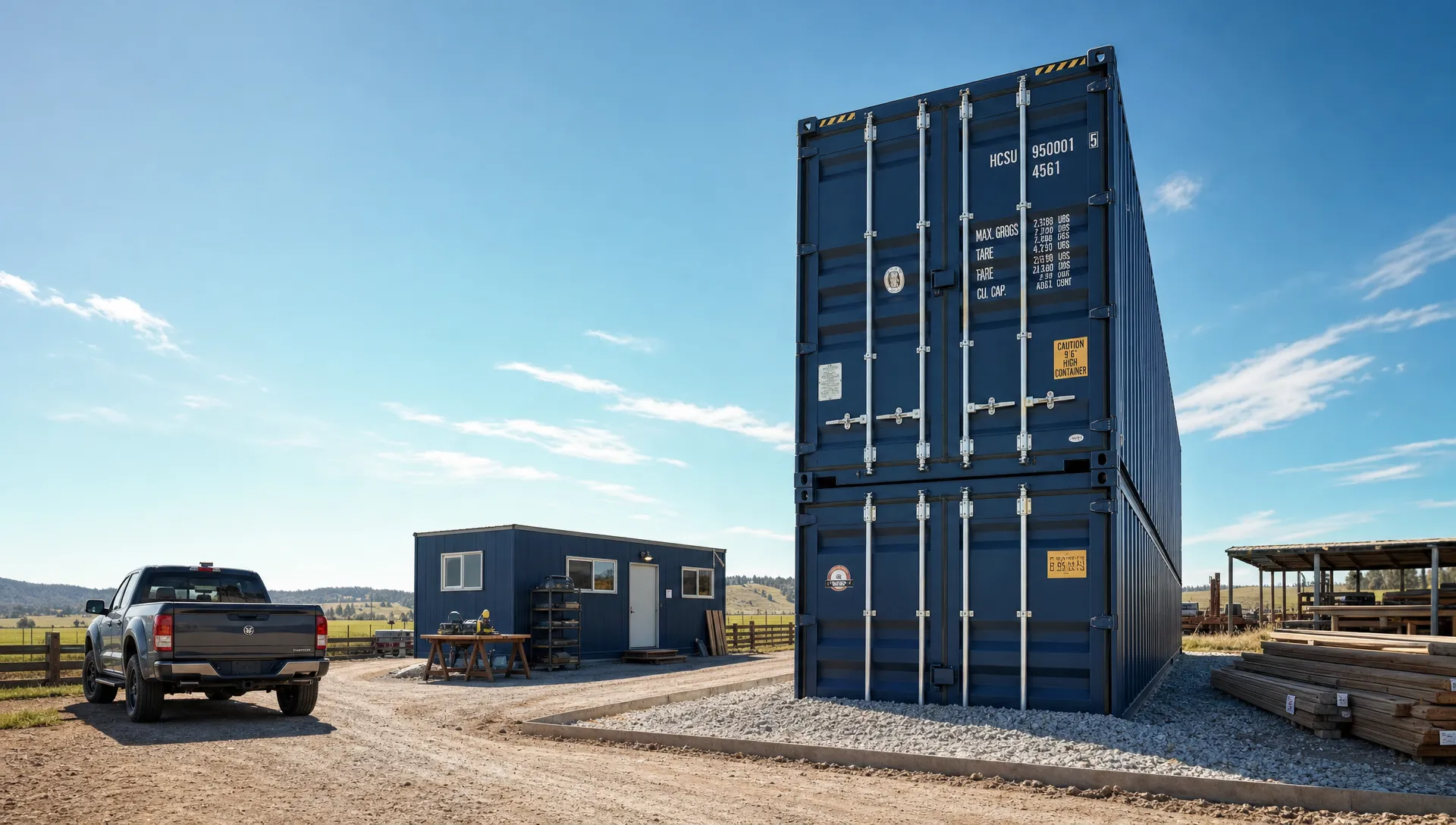
High Cube Shipping Containers for Tall Cargo and Builds
A high cube shipping container is the right choice when standard container height is too tight. It gives you one extra foot of exterior height, usually about 8 feet 10 inches of interior height, and more usable space for tall cargo, container homes, offices, workshops, and equipment storage. For many builds, that extra height is the difference between a cramped conversion and a space that feels usable.
Quick Answer: A high cube shipping container is 9 feet 6 inches tall on the outside, compared with 8 feet 6 inches for a standard container. Most 40ft high cube units offer about 2,690 cubic feet of storage and enough interior height for insulation, lighting, ducts, shelving, or taller cargo.
Key Takeaways
- A high cube container adds 12 inches of extra exterior height over a standard ISO container.
- The most common option is the 40ft high cube, but 45ft high cube containers are also used for large storage and builds.
- High cube units are often better for container homes, offices, workshops, retail units, and tall equipment storage.
- For cargo use, always check the CSC plate, tare weight, payload capacity, and condition rating before buying.
- Delivery planning matters because high cube containers need more overhead clearance than standard conex boxes.
What Is a High Cube Shipping Container?
A high cube shipping container is an intermodal cargo container built with extra height. A standard container is 8 feet 6 inches tall on the outside. A high cube container is 9 feet 6 inches tall.
That one-foot difference sounds small, but it changes how the container performs. It gives you more vertical clearance for forklifts, pallet racks, stored equipment, finished ceilings, ductwork, insulation, and overhead lighting.
High cube containers are still ISO-style freight containers. That means they follow international dimensional standards used across ocean shipping, trucking, and rail. The core container size standards are covered by ISO 668 for Series 1 freight containers, although exact interior dimensions and weights can vary by manufacturer and unit.
In the United States, you may also hear high cube containers called:
- Conex boxes
- Cargo containers
- Intermodal containers
- Storage containers
- ISO containers
- High cube conex containers
For buyers, the important point is simple. A high cube unit is not wider or longer than its standard counterpart in the same length class. It is taller.
High Cube Shipping Container Dimensions and Specs
The most common high cube shipping container is the 40ft high cube. It is popular because it adds a large amount of volume without requiring a wider footprint. A 45ft high cube gives even more length, but it may require more careful site and delivery planning.
Container specs vary by manufacturer, door design, flooring, and age. Always confirm the exact data plate on the unit you are buying. Still, these figures are useful for planning.
| Container type | Exterior size | Approx. interior height | Approx. cubic capacity | Common use |
|---|---|---|---|---|
| 20ft standard | 20' x 8' x 8'6" | 7'10" | 1,170 cu. ft. | Small storage, tools, tight sites |
| 20ft high cube | 20' x 8' x 9'6" | 8'10" | 1,300 cu. ft. | Taller storage on compact sites |
| 40ft standard | 40' x 8' x 8'6" | 7'10" | 2,380 cu. ft. | General storage and shipping |
| 40ft high cube | 40' x 8' x 9'6" | 8'10" | 2,690 cu. ft. | Tall cargo, homes, offices, workshops |
| 45ft high cube | 45' x 8' x 9'6" | 8'10" | 3,000+ cu. ft. | Large storage, commercial builds |
A typical 40ft high cube has an exterior length of 40 feet, exterior width of 8 feet, and exterior height of 9 feet 6 inches. Interior dimensions are often close to 39 feet 5 inches long, 7 feet 8 inches wide, and 8 feet 10 inches high.
Door opening height is also higher than a standard container. Many 40ft high cube containers have a door opening near 8 feet 5 inches high. That helps when loading tall crates, tractors, palletized goods, cabinets, shop equipment, and job-site materials.
If you want a deeper technical breakdown, Outback Shipping Containers has a dedicated 40ft high cube shipping container dimensions guide with more detail on measurements, capacity, and handling.
When Extra Height Matters for Tall Cargo
High cube containers solve one of the biggest limits of standard containers: vertical clearance. A standard 40ft container has plenty of length, but the lower ceiling can create problems when you store tall items or stack inventory.
For contractors, ranches, farms, and small businesses, that added height can make the storage layout more efficient. You may be able to use taller shelving, move bulky tools more easily, or store equipment upright instead of laying it down.
Common tall cargo uses include:
- Farm and ranch equipment: Attachments, feed systems, fencing materials, pumps, and seasonal tools often fit better with added clearance.
- Construction storage: Ladders, scaffolding parts, conduit, doors, windows, and job-site supplies can be organized with taller racks.
- Warehouse overflow: High cube units work well for boxed inventory, palletized goods, and lightweight stacked materials.
- Vehicle and equipment storage: Motorcycles, UTV parts, small machinery, tires, and shop equipment may benefit from taller door clearance.
- Retail and event storage: Displays, signs, trade show materials, cabinets, and fixtures are often awkward in standard-height containers.
The extra height does not change the structural limits of the container. You still need to respect floor loading, gross weight, payload capacity, and safe stacking practices. The CSC plate on the container lists key weight information, including maximum gross weight and tare weight.
For storage buyers, the biggest win is not always maximum weight. It is usable space. A high cube lets you store more by volume, not just by floor area.
Why High Cube Containers Work Better for Builds
High cube containers are popular for container conversions because finished interiors reduce usable height. A raw standard container may have about 7 feet 10 inches of interior height. After you add floor insulation, subfloor, ceiling insulation, wiring, lights, and interior finishes, the finished ceiling can feel low.
A high cube gives builders more room to work. That extra foot helps preserve comfort after the buildout is complete.
This matters for several types of projects.
Shipping Container Homes and Tiny Homes
A shipping container home needs insulation, electrical work, plumbing, HVAC, interior wall finishes, flooring, windows, doors, and often structural reinforcement where large cutouts are made. Each layer takes space.
A high cube container gives designers more flexibility. It can allow better ceiling height, cleaner duct routes, recessed lighting, and thicker insulation assemblies. In warm or cold climates, that insulation space can be especially important.
Codes and permits vary by city, county, and state. A high cube container does not automatically make a home code-compliant. You still need to work with local building officials, engineers, and licensed trades where required.
Modular Offices and Workshops
For job-site offices, retail kiosks, studios, and workshops, comfort matters. Workers need headroom, lighting, air movement, and space for tools or desks.
A standard container office can work, but a high cube office often feels less cramped. It gives more room for ceiling-mounted lights, mini-split lines, ventilation, and storage above work areas.
For shops and trade businesses, a high cube can also improve workflow. You can build taller shelving on one wall while keeping the center aisle clear.
Cabins, Retail Units, and Airbnb Builds
Design-conscious projects often benefit from high cube dimensions. The added height helps the interior feel more like a small building and less like a cargo box.
For Airbnb hosts, developers, and entrepreneurs, that can affect the guest experience. Better ceiling height, better lighting, and a cleaner mechanical layout can make a compact unit feel more intentional.
If you are still comparing 10ft, 20ft, 40ft, and high cube options, start with Outback’s broader guide to cargo container sizes for storage, offices, and homes.
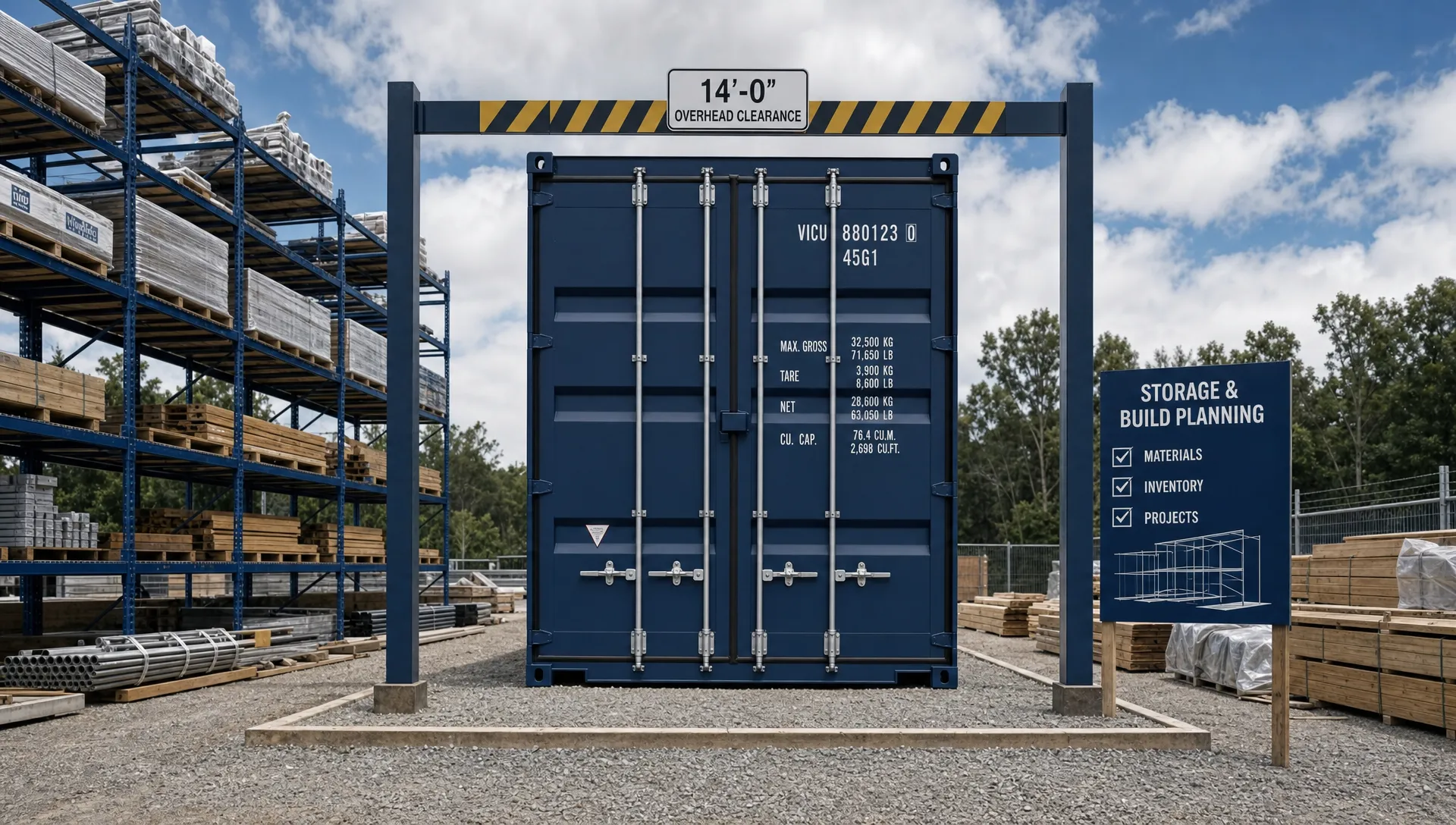
High Cube vs Standard Container: Which Should You Buy?
A high cube is not always the best answer. It depends on what you need to store, where the container will go, and whether you plan to modify it.
For basic ground-level storage of boxes, tools, furniture, or household goods, a standard container may be enough. For tall cargo or finished builds, a high cube is often worth the upgrade.
| Buying factor | Standard container | High cube container |
|---|---|---|
| Exterior height | 8'6" | 9'6" |
| Interior feel | Lower ceiling | More headroom |
| Best for | General storage, shipping, tight overhead sites | Tall cargo, container homes, offices, workshops |
| Cubic volume | Less vertical capacity | More vertical capacity |
| Delivery clearance | Easier under low branches or wires | Needs more overhead clearance |
| Buildout flexibility | More limited after insulation and finishes | Better for ceilings, ducts, lighting, and insulation |
Choose a standard container if your site has low tree limbs, low wires, a tight driveway, or limited vertical clearance. Also consider standard height if you only need simple secure storage and want the lowest practical cost.
Choose a high cube if ceiling height matters. This includes finished interiors, tall shelving, palletized storage, machinery, building materials, or commercial conversions.
A 40ft high cube is often the best all-around option for large projects. It gives strong capacity without the added length challenges of a 45ft unit.
New, Used, CWO, and WWT: Condition Matters
Size is only part of the buying decision. Condition matters just as much.
A high cube container may be new, one-trip, cargo-worthy, wind and watertight, used, or refurbished. These terms are not all the same.
One-trip containers are usually newer units that have made a limited trip with cargo before sale. They tend to have cleaner paint, fewer dents, better door seals, and less floor wear than older used containers.
CWO, or cargo-worthy, containers are used units considered suitable for cargo transport when properly inspected and certified. They may have dents, patches, surface rust, and normal wear, but they should remain structurally sound for freight use.
WWT, or wind and watertight, containers are used for storage. They should keep out rain and wind under normal conditions, but they may not be certified for loaded ocean cargo.
For buyers who plan to store tools, household items, business inventory, or equipment, WWT may be enough. For exporting cargo, moving loaded containers through intermodal routes, or projects where structural condition is critical, CWO or a new one-trip unit may be the better choice.
Outback Shipping Containers supplies inspected units and offers wind and watertight options for buyers who need dependable storage or build-ready shells. Still, you should always review photos, condition notes, unit number, door operation, flooring, roof condition, and delivery details before purchase.
If you already know a 40ft high cube is the right fit, you can review a live example of a 40ft new high cube wind and watertight shipping container and confirm current availability, price, and delivery options before you buy.
Delivery, Site Prep, and Permits
A high cube container can be delivered to many homes, farms, job sites, and rural properties, but the site must be ready. The extra height affects overhead clearance during trucking and placement.
For a 40ft high cube delivery, plan for a firm, level area with enough room for the truck to enter, turn, unload, and leave safely. Tilt-bed delivery often needs a long straight approach. Crane or forklift placement may be needed if the container must go over a fence, near a structure, or into a tight corner.
As a planning rule, ask about:
- Overhead clearance from trees, wires, gates, and rooflines
- Driveway width, grade, and turning radius
- Ground firmness after rain or snow
- Final container orientation and door swing
- Foundation blocks, piers, gravel pads, or concrete pads
- Truck access for delivery and future removal
The container’s payload capacity does not mean you can load it to that limit for every road move. Truck weight laws vary by state and route. The Federal Highway Administration maintains information on truck size and weight regulations, but local and state rules still apply.
For permits, the answer depends on use. A temporary storage container may need no permit in some rural areas, but may be restricted by a city, HOA, or commercial zoning rule. A container home, office, cabin, or retail unit is more likely to require permits, inspections, engineered plans, and code review.
Talk with your local building department before you buy if the container will become a permanent structure. This is especially important for residential builds, short-term rentals, commercial use, electrical service, plumbing, septic, foundations, and occupancy.
Cost Factors to Plan For
The container price is only one part of the total cost. High cube containers often cost more than standard-height units because they offer more usable volume and are in high demand for builds.
Your final cost may depend on:
- Container length and condition
- New one-trip vs used WWT or CWO grade
- Current inventory near your delivery location
- Delivery distance and site access
- Need for crane, forklift, or special placement
- Paint, doors, vents, windows, insulation, and other modifications
- Local taxes, permits, foundation work, and utility connections
As one real-world reference point, some Outback inventory listings for new 40ft high cube units have shown pricing in the $4,900 range before delivery, taxes, or optional services. Live pricing can change with market supply, location, and unit availability, so always confirm the current quote before making plans.
For a storage-only use case, compare buying against renting or leasing. LeaseLink Containers, Outback’s leasing arm, may make sense for temporary job sites, seasonal inventory, or projects where you do not need long-term ownership.
For a build, budget beyond the box. A container home or office may require design work, engineering, site prep, insulation, framing, HVAC, electrical, plumbing, windows, doors, and finish materials. The container shell is just the starting point.
Buyer Checklist for a High Cube Container
Before you commit to a high cube container, slow down and verify the details. This helps avoid hidden fees, poor-condition units, and delivery problems.
- Confirm the exact size: Make sure the unit is truly high cube, not standard height. Look for 9'6" exterior height in the specs.
- Ask for condition details: Confirm whether it is new, one-trip, CWO, WWT, refurbished, or sold as-is.
- Review photos carefully: Check roof, doors, corner posts, side panels, floor, gaskets, lock rods, and understructure when available.
- Check weight ratings: Use the CSC plate or data plate to confirm tare weight, maximum gross weight, and payload capacity.
- Plan delivery before purchase: Share driveway photos, access notes, and placement goals with the delivery team.
- Confirm total price: Ask what is included in the quote, including delivery, taxes, and any placement limits.
- Check local rules: Contact the city, county, HOA, or building department if the unit will stay on-site or become a structure.
A reputable seller should be willing to explain the unit’s condition, delivery process, and payment terms. Be careful with sellers who will not provide clear photos, a real business presence, written terms, or a traceable invoice.
For first-time buyers, a certified wind and watertight unit from a known supplier is often safer than chasing the lowest listing online. The cheapest container can become expensive if it leaks, has bad doors, needs floor repair, or cannot be delivered to your site.
Frequently Asked Questions
What is the difference between a high cube and regular shipping container?
A high cube shipping container is one foot taller than a regular standard container. A standard unit is 8'6" tall outside, while a high cube is 9'6" tall outside. Length and width are usually the same within the same container class, such as 40ft standard vs 40ft high cube.
How tall is a high cube shipping container inside?
Most high cube containers have an interior height close to 8'10", though exact measurements vary by manufacturer and floor design. Door opening height is often around 8'5". Always verify the specific unit’s measurements before buying if you need to load tall cargo or plan a finished build.
Are high cube shipping containers good for homes?
Yes, high cube containers are often better for container homes than standard containers because they leave more usable headroom after insulation, flooring, ceiling finishes, lighting, and HVAC are installed. They still require proper design, engineering, permits, and local code approval before being used as housing.
Can a high cube container be delivered to a residential property?
Yes, many high cube containers can be delivered to residential, rural, farm, and commercial properties if access is adequate. The site needs enough overhead clearance, road width, turning space, and firm ground. Always confirm delivery requirements before ordering, especially for 40ft and 45ft units.
Is a high cube container worth the extra cost?
A high cube container is worth it when height improves storage efficiency or build quality. It is often the better choice for tall equipment, pallet racks, offices, workshops, and homes. If you only need basic storage and have low overhead clearance, a standard container may be more practical.
Do you need a permit for a high cube container?
Permit rules vary by city, county, state, zoning district, and intended use. Temporary storage may be treated differently from a permanent office, cabin, or home. Contact your local building department or zoning office before buying if the container will remain on-site or be converted.
Get the Right High Cube Container for Your Site
A high cube container gives you more vertical room for cargo, storage, and finished builds. The key is choosing the right size, condition, and delivery plan before the truck arrives.
If you want help comparing new, used, WWT, CWO, and high cube options for your property or job site, start with Outback Shipping Containers’ nationwide container buying support. You can review available units, request pricing, and plan delivery with a team that understands storage, builds, and remote site logistics.